
2026 Best Real Estate Investing: Strategies & Opportunities
Discover top strategies and emerging opportunities for 2026 best real estate investing. Navigate evolving markets, build lasting wealth, and secure your financial future with expert insights.
Navigating the Future: Your Comprehensive Guide to 2026 Best Real Estate Investing
As we look ahead to 2026, the landscape of real estate investing continues to evolve at an unprecedented pace. For investors aiming to build lasting wealth and secure their financial future, understanding the nuances of 2026 best real estate investing is paramount. Gone are the days of simply buying and holding; today’s market demands foresight, adaptability, and a keen eye for emerging opportunities. This comprehensive guide from TrendSeek will equip you with the knowledge and strategies to navigate the complexities and capitalize on the most promising avenues in the coming years.
The real estate market of 2026 will be shaped by a confluence of economic shifts, technological advancements, and demographic changes. Interest rates, inflation, supply chain dynamics, and evolving consumer preferences will all play significant roles. Successful investors won’t just react to these changes; they will anticipate them, positioning their portfolios for resilient growth. Whether you’re a seasoned investor or just starting out, this guide offers actionable insights to help you make informed decisions and thrive in the future of real estate.
Key Drivers for 2026 Best Real Estate Investing: Macro Trends and Market Shifts
Understanding the underlying forces at play is crucial for identifying the 2026 best real estate investing opportunities. Several macro trends are set to redefine the market:
- Demographic Shifts:
- Gen Z’s Emergence: The youngest generation is entering the workforce and housing market, bringing unique preferences for urban accessibility, sustainability, and flexible living arrangements.
- Aging Population: The continued growth of the senior demographic will drive demand for specialized housing, assisted living facilities, and healthcare real estate.
- Migration Patterns: Remote work has permanently altered where people choose to live, leading to sustained growth in secondary and tertiary cities, particularly in the Sun Belt and Mountain West regions, as people seek affordability and quality of life.
- Economic Outlook:
- Interest Rate Environment: While interest rates have seen volatility, 2026 could bring a more stable or potentially declining rate environment, which would impact borrowing costs and property valuations. Monitoring central bank policies will be key.
- Inflationary Pressures: Real estate has historically served as a hedge against inflation. Understanding how inflation impacts construction costs, rents, and property values will be vital.
- Supply Chain Resilience: Lessons learned from recent disruptions will likely lead to more localized and diversified supply chains, influencing industrial real estate demand and development costs.
- Technological Advancements:
- PropTech Integration: Artificial intelligence (AI), big data analytics, virtual reality (VR), and blockchain are no longer futuristic concepts; they are becoming integral to property management, market analysis, and transaction processes.
- Smart Buildings: Demand for energy-efficient, technologically integrated properties will rise, influencing both residential and commercial sectors.
- Sustainability and ESG:
- Green Building Standards: Increasing regulatory pressure and investor demand for environmentally friendly properties will make sustainable design and operation a competitive advantage.
- Climate Resilience: Investors will increasingly factor in climate risks (e.g., flooding, wildfires) when evaluating property locations and insurance costs.

These trends collectively paint a picture of a dynamic market where informed, strategic decisions will yield the highest returns.
Unlocking Potential: Top Investment Strategies for 2026 Real Estate
With the macro trends in mind, let’s delve into specific strategies that are poised to offer the 2026 best real estate investing opportunities. Adaptability and a focus on resilience will be key.
- Niche Residential Sectors:
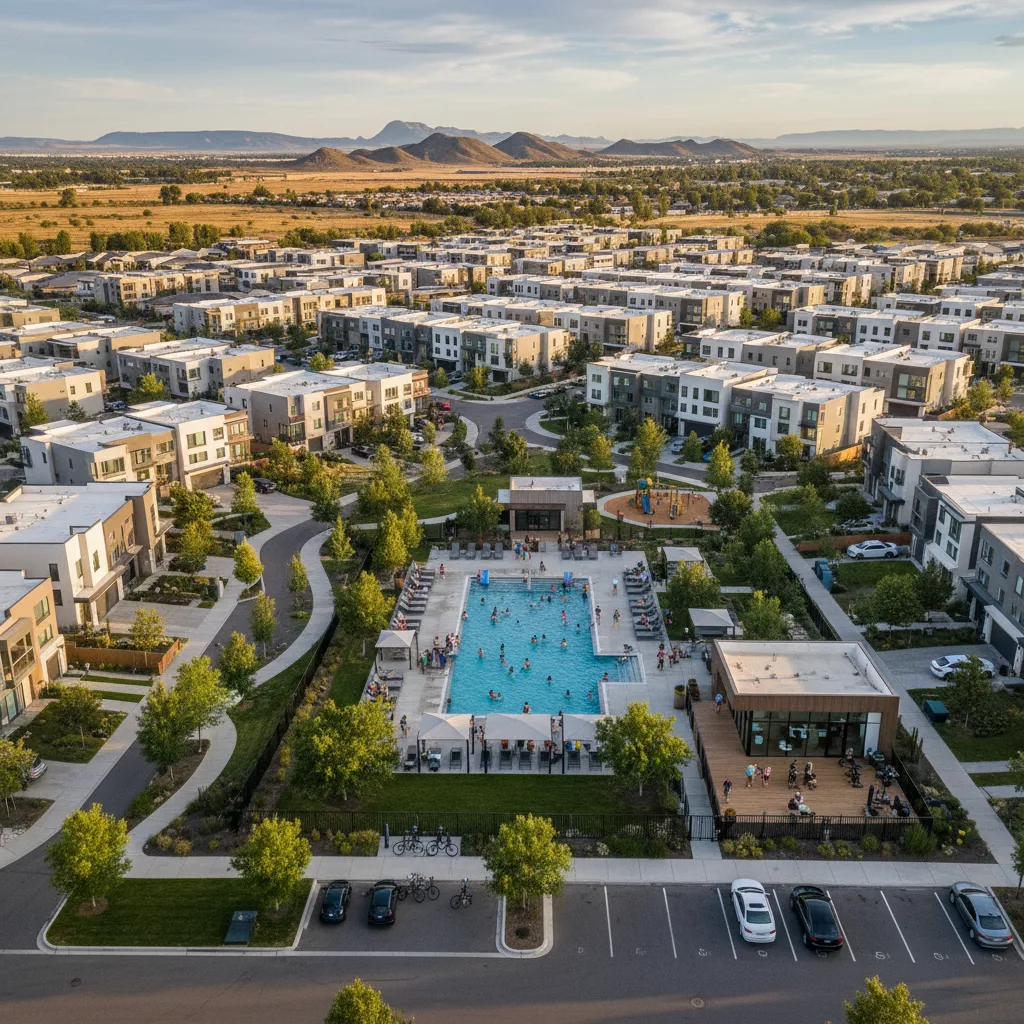
- Build-to-Rent (BTR) Communities: As homeownership becomes less attainable for some demographics and preferences shift towards flexibility, master-planned rental communities continue to gain traction. These offer professional management and amenities, appealing to a broad tenant base.
- Single-Family Rentals (SFRs) in Growth Corridors: Investing in individual SFRs, particularly in high-growth secondary markets with strong job markets and population influx, remains a robust strategy. Focus on areas with good schools and infrastructure.
- Affordable Housing & Workforce Housing: The persistent housing shortage, especially for middle-to-lower income brackets, makes affordable and workforce housing a socially impactful and financially stable investment. Government incentives and tax credits can further enhance returns.
- Student Housing & Co-Living: Near expanding universities or in dense urban cores, purpose-built student housing and co-living spaces cater to younger demographics seeking community and affordability.
-
Industrial & Logistics Real Estate:
- Last-Mile Distribution Centers: The relentless growth of e-commerce continues to fuel demand for warehouses and distribution centers strategically located near urban populations for rapid delivery.
- Cold Storage Facilities: The increasing demand for fresh food delivery, pharmaceuticals, and online grocery services makes cold storage a specialized, high-demand asset class.
- Flex Industrial: Properties offering a mix of office, showroom, and warehouse space cater to a wide range of small and medium-sized businesses, proving resilient across economic cycles.
-
Specialized Commercial Assets:
- Data Centers: The explosion of AI, cloud computing, and digital transformation ensures insatiable demand for secure, high-capacity data storage facilities. These are highly specialized but offer strong, long-term lease covenants.
- Healthcare and Life Sciences Real Estate: An aging population and ongoing medical advancements continue to drive demand for medical office buildings, research labs, and specialized healthcare facilities. Locations near major hospital systems or research universities are particularly attractive.
- Self-Storage: A historically recession-resistant asset, self-storage benefits from population mobility, downsizing trends, and business inventory needs. It offers relatively low operating costs and consistent demand.
-
Selective Re-evaluation of Office and Retail:
- Experiential Retail: While traditional retail struggles, properties that offer unique experiences (e.g., entertainment venues, fitness centers, upscale dining) within mixed-use developments are thriving.
- Class A Office in Prime Locations: The “flight to quality” means top-tier office spaces in highly desirable urban cores or innovation hubs, equipped with modern amenities and wellness features, will continue to attract premium tenants. Older, less desirable office buildings face significant challenges and may be ripe for conversion.
Navigating Emerging Markets and Niche Opportunities for 2026
Beyond traditional investment categories, smart investors will look to emerging markets and niche opportunities that reflect evolving societal needs and technological advancements.
- Secondary and Tertiary Cities: As mentioned, the exodus from expensive primary markets continues. Cities like Boise, Idaho; Raleigh, North Carolina; Nashville, Tennessee; and Jacksonville, Florida, offer lower costs of living, burgeoning job markets, and strong population growth. Investing in residential and industrial properties in these areas can yield significant returns.
- Opportunity Zones: These federally designated low-income communities offer significant tax incentives for investors who reinvest capital gains into businesses and properties within these zones. While requiring long-term commitment, the potential for deferred and reduced capital gains taxes makes them attractive for patient capital. Careful due diligence is crucial to ensure viable projects.
- Agri-Business and Farmland: Often overlooked, agricultural land can be a stable, inflation-resistant asset, especially with growing global food demand. Investing in sustainably managed farmland or properties supporting agri-tech innovations could offer unique diversification benefits.
- Energy Transition Infrastructure: Properties that support renewable energy production (e.g., solar farms, wind turbine sites) or charging infrastructure for electric vehicles could become increasingly valuable as the world shifts away from fossil fuels. This often involves specialized land leases or joint ventures.
- Tokenized Real Estate & Fractional Ownership: For smaller investors, platforms offering fractional ownership or tokenized real estate via blockchain technology are democratizing access to high-value properties. This allows for portfolio diversification with smaller capital outlays, albeit with new regulatory and liquidity considerations.
Mitigating Risks and Building a Resilient Portfolio for 2026 Real Estate Investing
Even the most promising opportunities come with risks. A successful 2026 best real estate investing strategy must incorporate robust risk mitigation.
- Thorough Due Diligence: Never cut corners on research. This includes comprehensive market analysis (vacancy rates, rent growth, comparable sales), financial modeling, property inspections, and legal review. Understand local zoning laws, environmental regulations, and potential liabilities.
- Diversification: Don’t put all your eggs in one basket. Diversify across:
- Asset Classes: Mix residential, industrial, specialized commercial.
- Geographies: Invest in multiple markets to hedge against localized downturns.
- Investment Strategies: Combine income-generating properties with value-add or development projects.
- Understanding Interest Rate Sensitivity: Rising interest rates increase borrowing costs and can put downward pressure on property values (especially for cap-rate-sensitive assets). Ensure your financial models account for various interest rate scenarios.
- Inflation Hedging Strategies: While real estate generally hedges against inflation, specific lease structures (e.g., leases with annual CPI escalators) can further protect your income stream.
- Regulatory Monitoring: Stay abreast of local and federal policy changes, including zoning reforms, rent control initiatives, environmental regulations, and short-term rental laws, which can significantly impact property values and operational costs.
- Climate Risk Assessment: Increasingly, investors must evaluate properties for exposure to climate-related risks such as rising sea levels, increased flood frequency, wildfires, or extreme weather events. This impacts insurance costs, property resilience, and long-term viability.
- Liquidity Management: Real estate is an illiquid asset. Ensure you have adequate capital reserves and a clear exit strategy for each investment.
Technology’s Transformative Role in 2026 Real Estate Investing
Technology is not just a trend; it’s a fundamental shift that will redefine 2026 best real estate investing. Embracing PropTech will be a competitive advantage.
- AI and Big Data for Market Analysis: AI-powered platforms can analyze vast datasets—including demographic shifts, economic indicators, transaction histories, and social media sentiment—to identify emerging markets, predict rent growth, and pinpoint undervalued properties with unprecedented accuracy. This moves investing from intuition to data-driven science.
- Virtual and Augmented Reality (VR/AR): VR tours allow investors to virtually walk through properties anywhere in the world, saving time and resources. AR can overlay property data or visualize potential renovations on-site, enhancing due diligence.
- Blockchain for Transparency and Efficiency: Blockchain technology can streamline property transactions, making them more secure, transparent, and efficient by reducing intermediaries and verifying ownership records. It also underpins fractional ownership models, lowering barriers to entry.
- Smart Home and Building Technologies: Investing in properties equipped with smart thermostats, security systems, energy management tools, and IoT sensors can increase tenant satisfaction, reduce operating costs, and command higher rents. Data from these systems can also inform predictive maintenance and optimize building performance.
- Crowdfunding and Online Investment Platforms: These platforms continue to evolve, offering accredited and sometimes non-accredited investors access to professionally managed real estate projects with lower minimum investments. They facilitate diversification and provide access to deals that might otherwise be out of reach.

Conclusion
The journey towards successful 2026 best real estate investing demands a forward-thinking, adaptable, and data-informed approach. The market will undoubtedly present its share of challenges, but for those who understand the macro trends, embrace innovative strategies, and diligently mitigate risks, the opportunities for substantial wealth creation are immense.
From niche residential sectors like build-to-rent and affordable housing to specialized commercial assets such as industrial logistics and data centers, the landscape is rich with potential. Emerging markets in secondary cities and technology-driven solutions like AI analytics and blockchain will further shape investment decisions. By diversifying portfolios, conducting rigorous due diligence, and staying abreast of technological and regulatory shifts, investors can build resilient, high-performing portfolios.
Ultimately, the most successful real estate investors in 2026 will be those who view change not as an obstacle, but as a catalyst for innovation and growth. Stay informed, stay strategic, and position yourself to thrive in the dynamic world of real estate.