2026 Fitness Technology Innovations: Shaping Tomorrow's Workouts
Explore the cutting-edge 2026 fitness technology innovations transforming workouts. Discover how AI, advanced biometrics, and immersive digital experiences will revolutionize training, recovery, and body understanding.
TrendSeek Guide: Unveiling the 2026 Fitness Technology Innovations Shaping Tomorrow’s Workouts
The world of fitness is on the cusp of a profound transformation, driven by an accelerating convergence of artificial intelligence, advanced biometrics, and immersive digital experiences. As we gaze towards 2026, the landscape of how we train, recover, and understand our bodies will be almost unrecognizable from today. This guide from TrendSeek dives deep into the most exciting 2026 fitness technology innovations, exploring how these advancements will redefine personal health, athletic performance, and the very concept of a workout. Prepare for a future where your fitness journey is more personalized, intelligent, and integrated than ever before.
The Dawn of Hyper-Personalization: AI at the Core of 2026 Fitness Technology Innovations
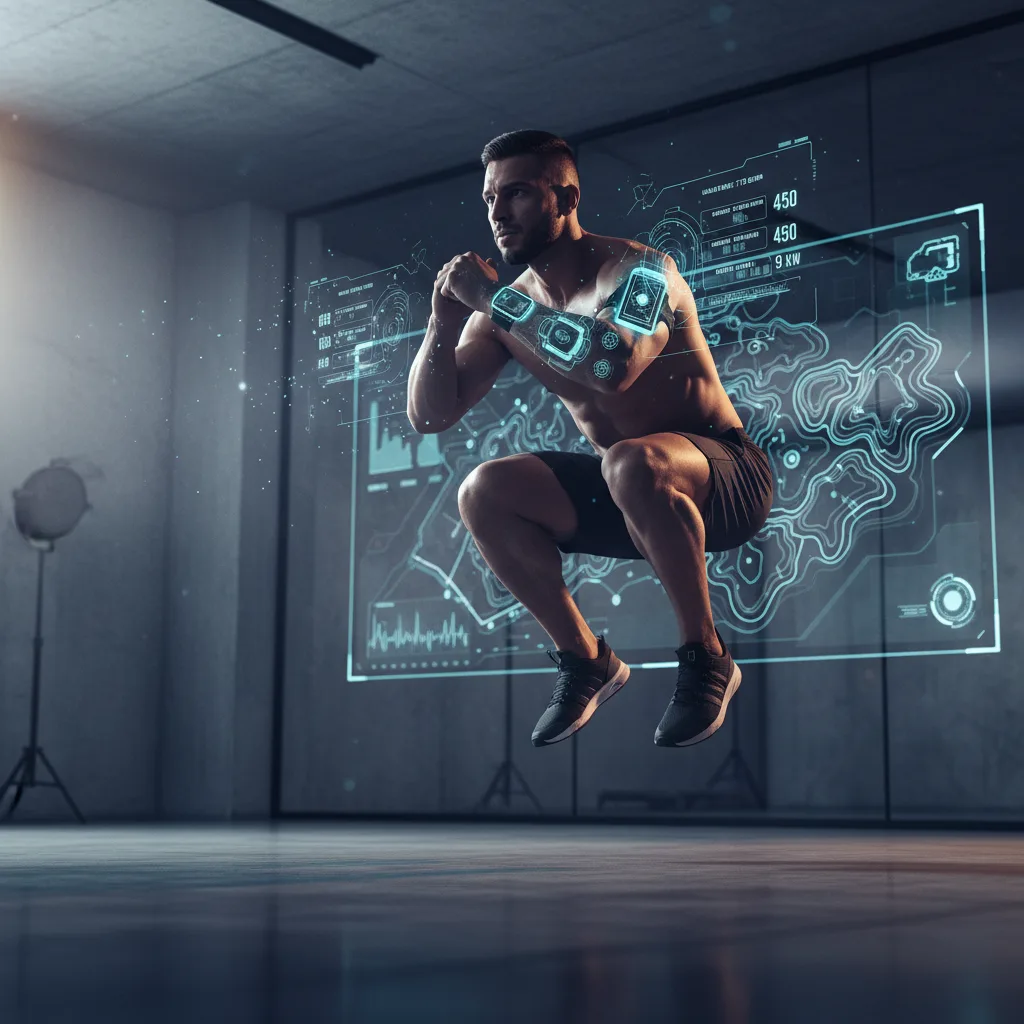
By 2026, the era of one-size-fits-all workout plans will be a distant memory. Artificial Intelligence (AI) will move beyond basic recommendations, becoming the ultimate personal trainer, nutritionist, and recovery coach, all rolled into one dynamic system. These 2026 fitness technology innovations will leverage unprecedented data streams to create hyper-personalized experiences.
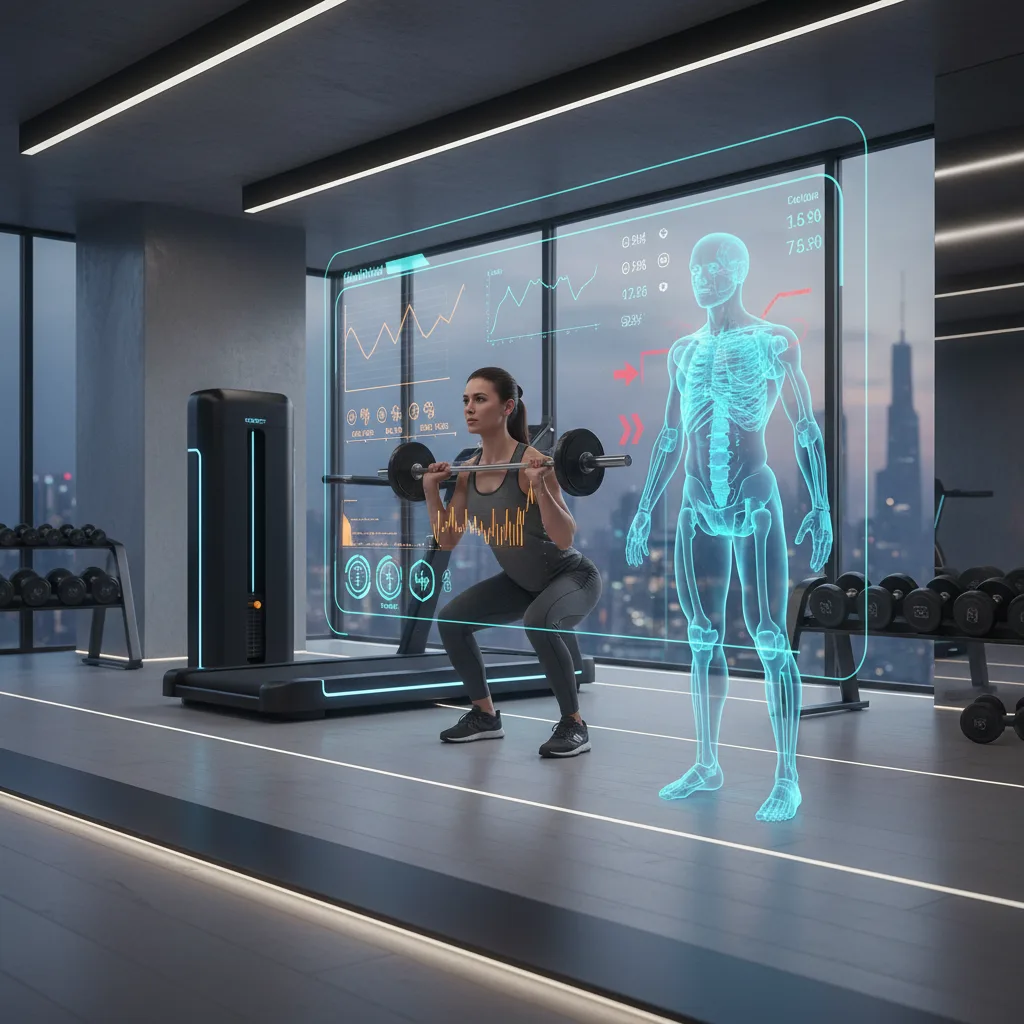
Imagine an AI that not only tracks your performance but also analyzes your sleep quality, stress levels (via wearable sensors), dietary intake, and even genetic predispositions to craft a truly bespoke regimen. This isn’t just about adjusting reps; it’s about predictive analytics anticipating your recovery needs before you even feel fatigued, preventing overtraining, and optimizing peak performance windows. AI coaches will provide real-time biometric feedback during workouts, correcting form, suggesting intensity changes, and even adapting the routine based on your emotional state.
For instance, if your smart ring detects a night of poor sleep, your AI coach might recommend a lighter, mobility-focused session instead of your planned heavy lift, ensuring optimal recovery and preventing injury. Companies like Whoop and Oura are already laying the groundwork, but by 2026, this integration will be seamless and predictive. We’ll see services offering genomic data integration, where your DNA profile influences everything from supplement recommendations to ideal macronutrient ratios and even specific exercise types best suited for your genetic makeup. A recent study by SportTech Insights suggests that AI-driven personalized fitness plans lead to a 30% higher adherence rate and a 20% faster achievement of goals compared to generic programs, highlighting the immense potential for engagement and effectiveness.
Beyond the Screen: Immersive & Gamified Fitness in 2026
Forget clunky VR headsets and static workout videos. 2026 will usher in an era of truly immersive and gamified fitness ecosystems that blur the lines between physical activity and digital entertainment. The focus will shift from simply viewing content to actively participating within dynamic, interactive environments.
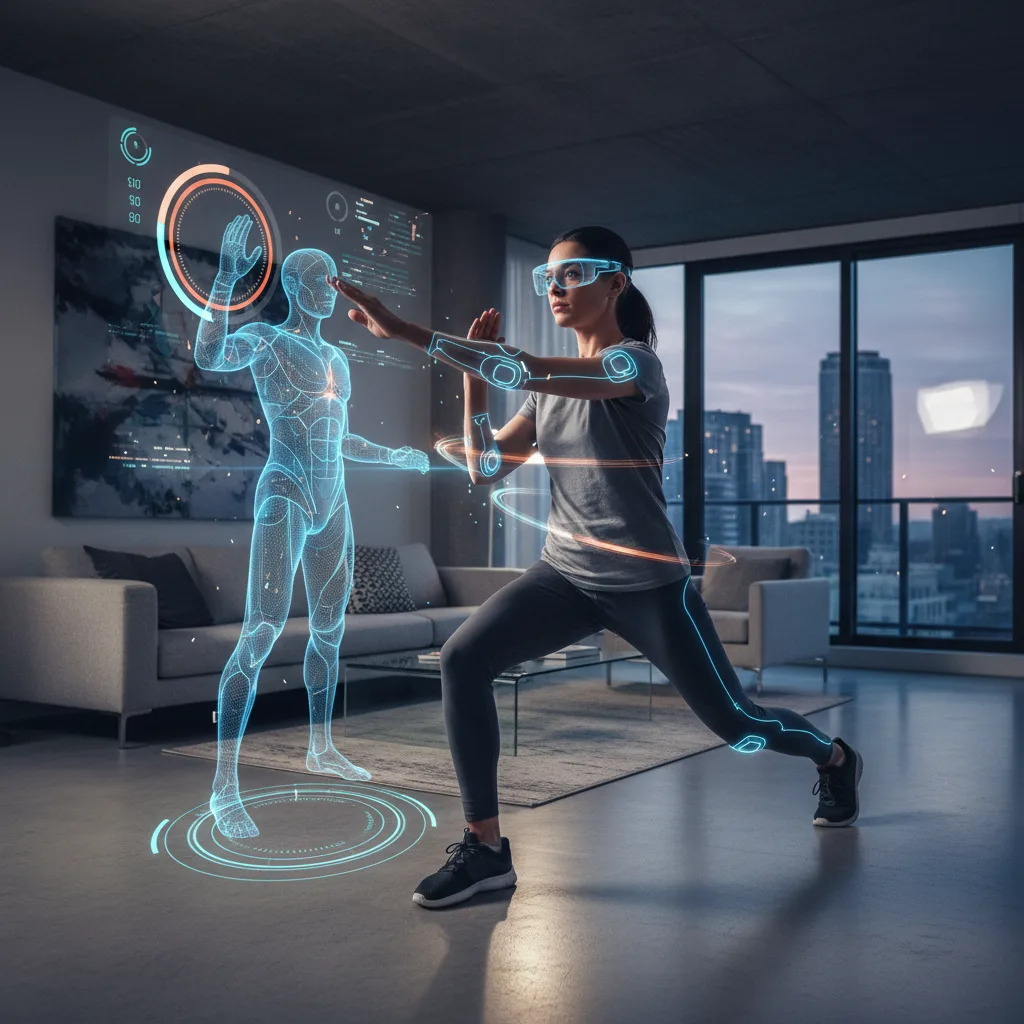
Mixed Reality (MR) workouts will become more prevalent, allowing users to transform their living spaces into virtual obstacle courses, futuristic race tracks, or serene yoga studios. Imagine putting on lightweight MR glasses and having a virtual trainer appear in your room, guiding you through exercises while digital elements interact with your physical surroundings. Haptic feedback suits will add another layer of immersion, simulating resistance, impact, or even the sensation of a virtual punch, making competitive martial arts or adventure games feel incredibly real.
Gamification will evolve beyond simple point systems. We’ll see sophisticated fitness role-playing games (RPGs) where your real-world physical activity directly impacts your in-game character’s strength, stamina, and abilities. Multiplayer challenges will allow users from around the globe to compete in virtual arenas, fostering a sense of community and competitive drive. Consider ‘VirtuaFit Arena,’ a hypothetical platform launching in 2026, where users compete globally in MR challenges, earning crypto rewards or digital assets for fitness achievements, creating a powerful extrinsic motivator. These experiences will make working out less of a chore and more of an exciting adventure.
Wearables Redefined: Seamless Integration and Advanced Biometrics
The wearables market, already booming, will mature significantly by 2026. The next generation of devices will be smaller, less obtrusive, and far more powerful, moving towards truly invisible and indispensable health companions. We’re talking about more than just smartwatches; think smart fabrics, bio-integrated sensors, and even intelligent contact lenses.
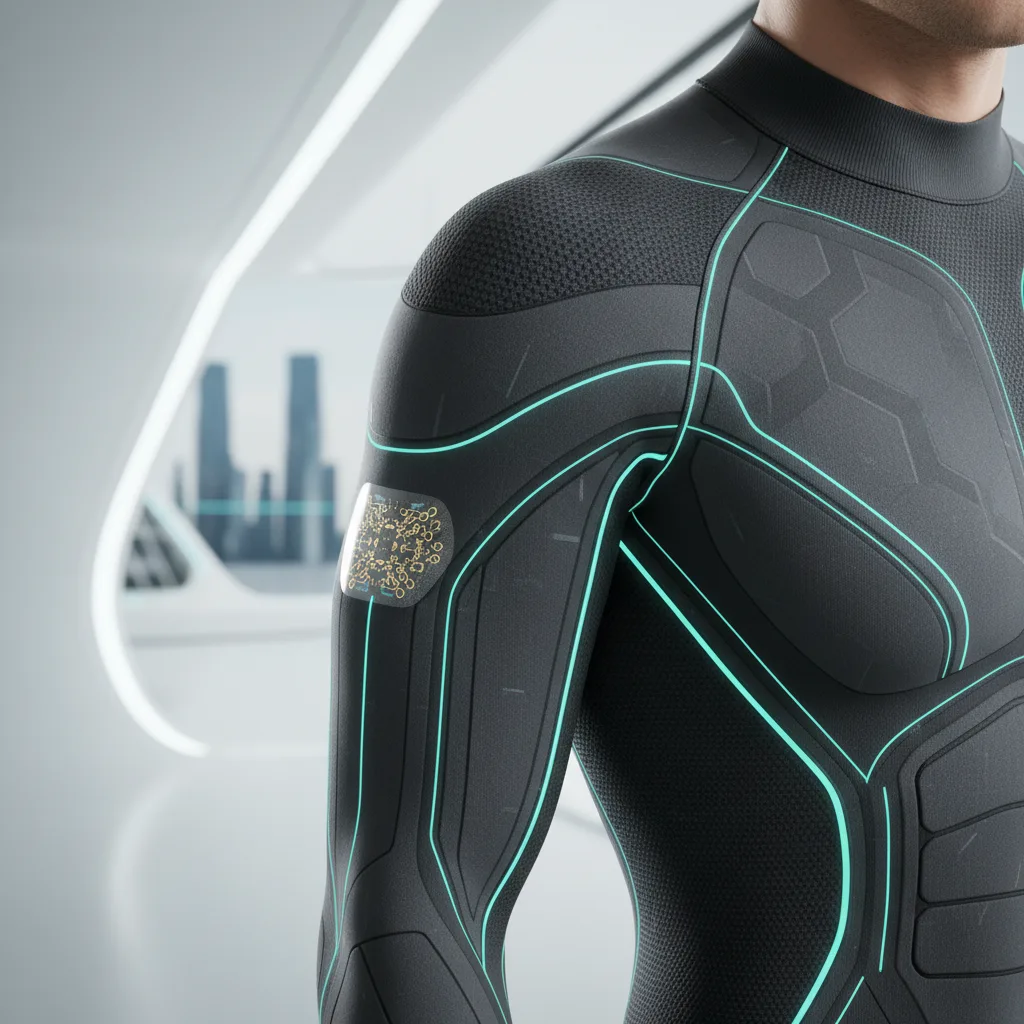
Smart fabrics will seamlessly integrate sensors into everyday activewear. Your running shirt could monitor muscle activity, lactate levels, hydration status, and even core body temperature in real-time, providing feedback directly to your AI coach or a linked app. This eliminates the need for multiple bulky devices, making data collection effortless. Furthermore, advancements in non-invasive continuous glucose monitoring (CGM) will become standard for fitness enthusiasts, offering critical insights into energy levels, insulin sensitivity, and optimal pre/post-workout nutrition without the need for finger pricks.
Imagine a future where a discreet patch on your skin tracks key electrolytes and nutrient absorption, alerting you when you need to refuel or rehydrate. Companies like Apple and Samsung will continue to push the boundaries of their smartwatches, incorporating more advanced health metrics like blood pressure monitoring and even rudimentary neurological assessments. The global smart wearables market is projected to reach over $100 billion by 2027, with fitness and health monitoring as primary drivers, underscoring the demand for these sophisticated, integrated solutions. These devices won’t just track data; they’ll interpret it, offering actionable insights to optimize every facet of your well-being.
The Intelligent Home Gym: A Hub of 2026 Fitness Technology Innovations
The pandemic accelerated the home fitness trend, and by 2026, home gyms will be far more intelligent, interconnected, and capable than ever before. These spaces will transform into fully integrated wellness hubs, driven by AI-powered smart mirrors and adaptive resistance machines.
Smart mirrors, like those pioneered by Tonal and Mirror, will evolve to offer more than just on-demand classes. They will feature advanced 3D body scanning for precise form correction, dynamic weight adjustment based on real-time fatigue levels, and personalized programming that learns and adapts over time. Imagine a smart mirror that can detect imbalances in your squat form and immediately provide visual and auditory cues to correct it, or a smart yoga mat that offers haptic feedback to guide you into perfect poses.
Adaptive resistance machines will utilize electromagnetism or robotics to provide resistance that intelligently adjusts to your strength curve, maximizing muscle engagement and minimizing injury risk. These machines will not only track your progress but also integrate with your broader wellness ecosystem, sharing data with your AI coach, sleep tracker, and nutrition apps. Consider ‘EchoFit,’ a hypothetical 2026 platform that syncs your smart bike, resistance machine, and even your smart fridge to optimize your entire wellness routine, suggesting meals based on your workout intensity and recovery needs. The convenience and effectiveness of these integrated home solutions will make elite-level training accessible to everyone.
Optimizing Recovery: The Next Frontier in Fitness Tech
While much attention is given to training, the importance of recovery and mental well-being is gaining traction. By 2026, technology will play an equally crucial role in optimizing rest, rehabilitation, and mental fortitude. These 2026 fitness technology innovations will encompass a wide range of devices and platforms focused on holistic well-being.
Smart sleep aids will go beyond basic tracking. Mattresses embedded with sensors will monitor sleep stages, heart rate variability, and even breathing patterns, then adjust firmness, temperature, and even play personalized soundscapes or use light therapy to optimize sleep quality. Biofeedback devices will help users train their bodies to manage stress, improve focus, and accelerate recovery. Think of headbands that monitor brain activity, guiding users through meditation or breathing exercises to achieve specific mental states.
Portable devices for targeted muscle recovery will also see significant advancements. Smart massage guns with AI-powered pressure guidance will identify tight spots and apply optimal force. Furthermore, neuromodulation techniques will move from clinical settings to consumer products, with devices using mild electrical stimulation to enhance muscle recovery, reduce pain, or improve cognitive function. The global wellness technology market is expected to grow significantly, with recovery solutions seeing particular interest, driven by professional athletes and everyday fitness enthusiasts alike. This emphasis on recovery will lead to more sustainable fitness journeys and a deeper understanding of the body’s needs.
Conclusion
The year 2026 promises a fitness landscape dramatically reshaped by technology. From hyper-personalized AI coaches that understand your body’s every nuance to immersive mixed reality workouts that transport you to new worlds, and from invisible wearables providing continuous biometric insights to intelligent home gyms that adapt to your every move, the future of fitness is bright, engaging, and incredibly effective. These 2026 fitness technology innovations are not just about making workouts easier; they’re about making them smarter, safer, more enjoyable, and ultimately, more integral to a holistic, healthy lifestyle. As we embrace these advancements, we move closer to a future where optimal health and peak performance are within everyone’s reach, driven by the power of innovation.