AI-Driven Fashion Investment: 2026 Trends & Geopolitical Strategy
Explore strategies for investing in the rapidly evolving AI-driven fashion industry. Understand 2026 trends, supply chain shifts, and geopolitical influences on this transformative market.
A Guide to Investing in AI-Driven Fashion: Strategies for 2026 Trends and Geopolitical Impact
The fashion industry, long perceived as resistant to rapid technological shifts, is undergoing a profound transformation, driven by the relentless march of artificial intelligence. From design conceptualization to manufacturing, supply chain optimization, and personalized consumer experiences, AI is redefining every facet of the apparel and luxury goods market. For astute investors seeking the next wave of disruptive growth, understanding and strategically positioning within this evolving landscape is paramount. This comprehensive guide will explore the intricacies of investing in AI-driven fashion, outlining key strategies for navigating the projected 2026 trends and the intricate dance of geopolitical impact that will shape its future.
The AI Revolution in Fashion: A New Investment Frontier
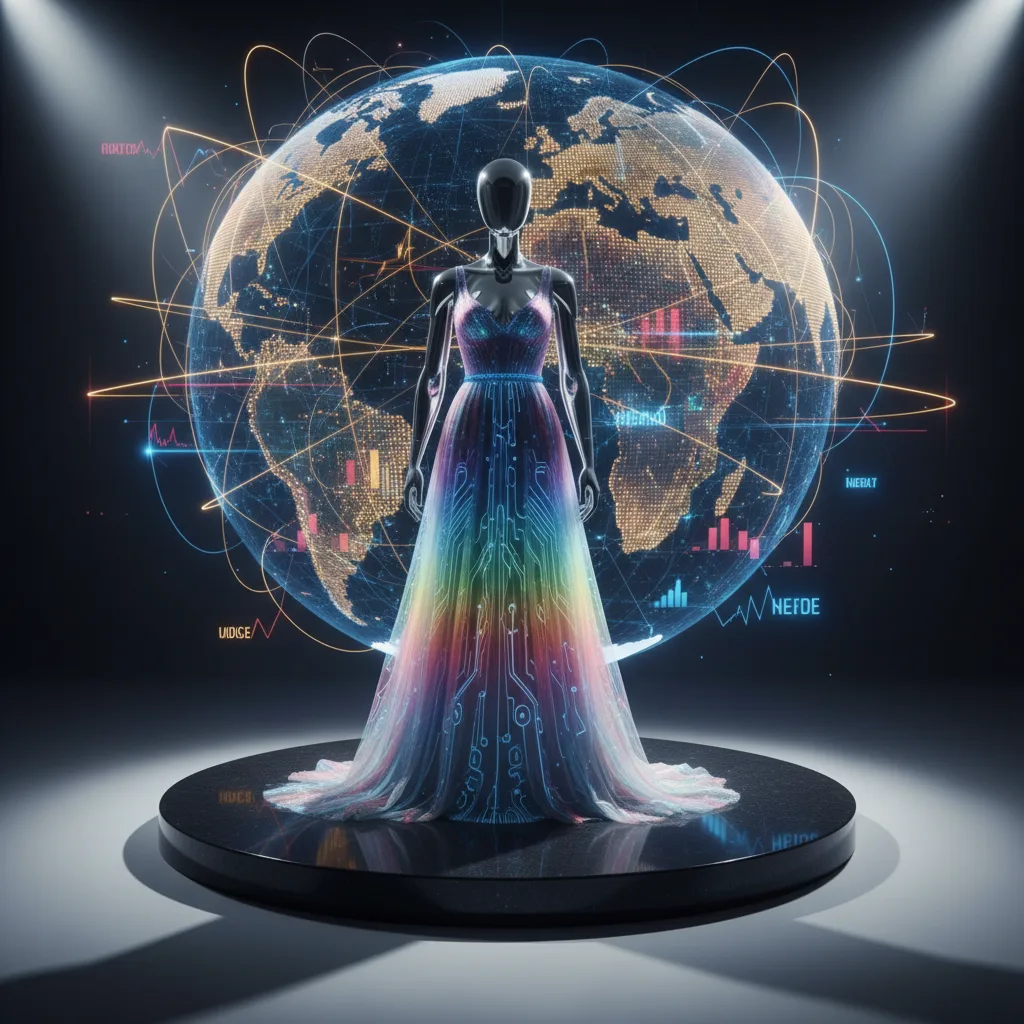
The convergence of AI with fashion isn’t merely a fleeting trend; it’s a fundamental shift in how clothes are conceived, produced, marketed, and consumed. We’re moving beyond rudimentary data analytics to sophisticated algorithms capable of predicting trends with uncanny accuracy, designing novel garments, optimizing complex global supply chains, and delivering hyper-personalized shopping experiences. Market projections underscore this seismic shift: reports suggest the global AI in fashion market is expected to grow at a Compound Annual Growth Rate (CAGR) exceeding 30% over the next decade, reaching tens of billions of dollars. This exponential growth presents a fertile ground for early and strategic investors.
Understanding AI-Driven Fashion: Beyond the Hype
At its core, AI-driven fashion refers to the application of artificial intelligence technologies across the entire fashion value chain. This encompasses a broad spectrum of innovations:

- Generative AI for Design: AI algorithms can analyze vast datasets of past fashion trends, consumer preferences, and material properties to generate entirely new designs, patterns, and even virtual prototypes. Companies like Google’s Project Muze have explored AI-generated fashion, while startups are emerging to offer AI-powered design tools to brands.
- Predictive Analytics for Trend Forecasting: AI can sift through social media data, sales figures, economic indicators, and cultural events to forecast upcoming trends with higher accuracy than human analysts. This allows brands to produce what consumers want, when they want it, minimizing waste and maximizing sales. Stitch Fix, for example, leverages AI to curate personalized clothing selections.
- Optimized Supply Chains: AI algorithms can predict demand fluctuations, optimize inventory levels, route shipments efficiently, and identify potential disruptions before they occur. This is crucial for reducing lead times, cutting costs, and enhancing sustainability. Fast fashion giants like Zara and online retailers like Shein have famously used data-driven approaches, albeit with varying degrees of AI sophistication, to accelerate their production cycles.
- Personalized Customer Experiences: AI powers recommendation engines that suggest products based on individual preferences, browsing history, and body measurements. Virtual try-on technologies, AI-driven chatbots for customer service, and personalized marketing campaigns are also becoming standard. Nike’s SNKRS app uses AI to manage demand and personalize offers for limited-edition releases.
- Sustainable Production: AI can optimize fabric cutting to reduce waste, monitor energy consumption in factories, and even develop new eco-friendly materials through advanced simulation.
Key Technologies and 2026 Trends in AI-Driven Fashion
As we look towards 2026, several key technological advancements and market trends will define the investment landscape in AI-driven fashion.
- Hyper-Personalization at Scale: Expect AI to move beyond simple recommendations to truly bespoke experiences. This includes mass customization powered by AI, where garments are designed and fitted to individual body scans and style preferences, potentially manufactured on-demand. Investment opportunities lie in companies developing advanced 3D body scanning, AI-driven pattern generation, and micro-factory solutions.
- Generative AI for Creative Processes: The ability of AI to create original content will become more sophisticated. This means AI assisting designers not just with trend analysis but with generating mood boards, sketching concepts, creating digital fabric textures, and even designing entire virtual collections for the metaverse. Look for platforms that empower human creativity rather than replacing it.
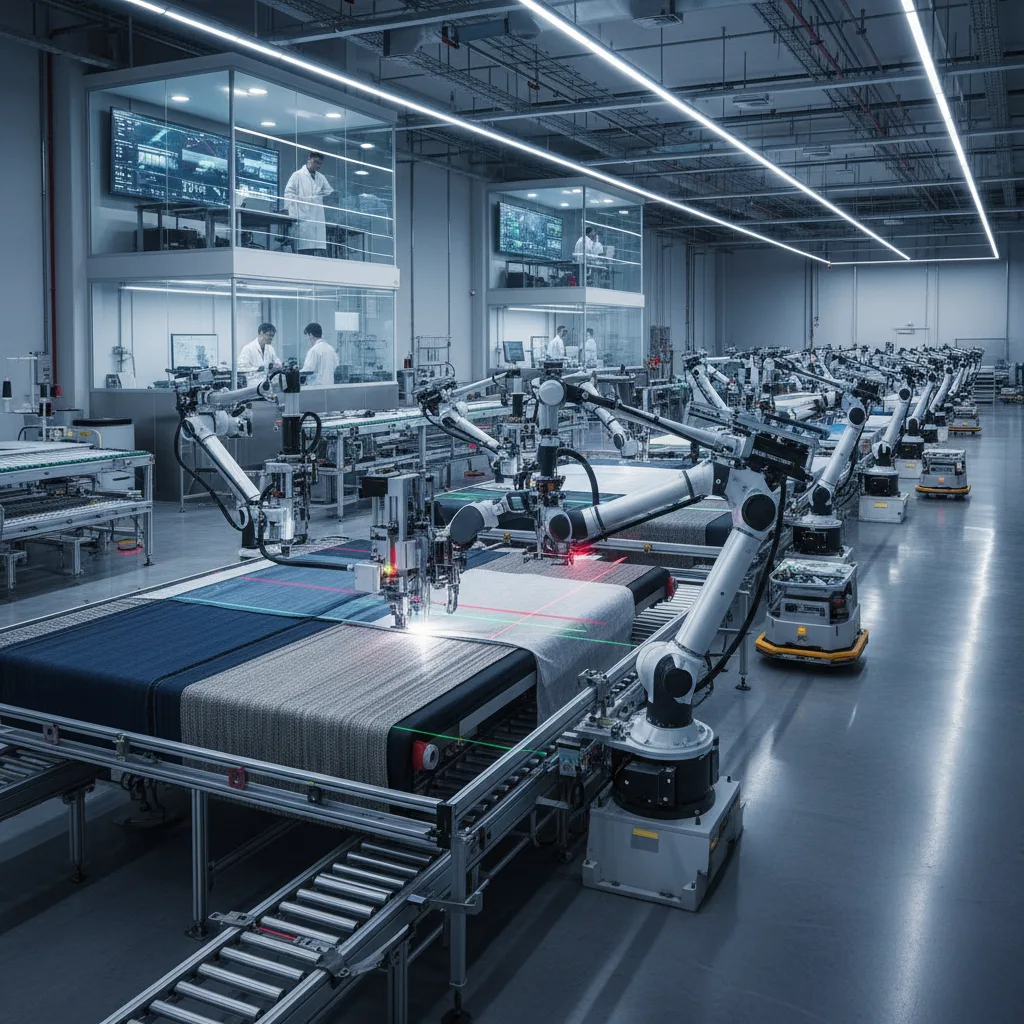
- Autonomous Robotics and Automation in Manufacturing: While still nascent, the adoption of robotics in textile manufacturing and warehousing will accelerate. AI-powered robots can handle intricate tasks like fabric cutting, sewing, and quality control, leading to increased efficiency, reduced labor costs, and potential reshoring of manufacturing to developed economies.
- Advanced Material Science and Sustainability: AI will play a crucial role in discovering and developing new sustainable materials, optimizing recycling processes, and tracking the lifecycle of garments. Investing in startups at the intersection of material science, biotech, and AI could yield significant long-term returns.
- Integration of Virtual Fashion and the Metaverse: As digital identities become more prominent, virtual fashion and NFTs (Non-Fungible Tokens) will grow. AI will be essential for creating dynamic, interactive digital apparel, optimizing its display across various metaverse platforms, and managing its scarcity and authenticity. Companies building tools for digital fashion design, virtual try-on in AR/VR, and blockchain-based authentication are ripe for investment.
Strategic Approaches for Investing in AI-Driven Fashion
Navigating this dynamic sector requires a nuanced strategy. Here are several avenues for investing in AI-driven fashion:
- Direct Investment in AI-Native Fashion Tech Startups: This high-risk, high-reward approach involves identifying early-stage companies that are developing groundbreaking AI solutions specifically for the fashion industry. Focus on startups with strong intellectual property, demonstrable traction (even if early), experienced teams, and clear market differentiation. Examples might include firms specializing in AI-powered trend forecasting, sustainable material discovery, or virtual fashion platforms.
- Investing in Established Technology Providers Serving Fashion: Consider larger, publicly traded AI companies whose technologies are being widely adopted by fashion brands. These could be firms specializing in computer vision, natural language processing (NLP), cloud AI services, or data analytics platforms that have a significant footprint in the retail sector. While not pure-play fashion, their growth is indirectly tied to the industry’s digital transformation.
- Targeting Fashion Brands with Strong AI Adoption: Invest in traditional fashion and luxury brands that are aggressively integrating AI into their operations, from design to supply chain and customer engagement. Look for companies that are transparent about their AI initiatives, investing heavily in digital transformation, and demonstrating measurable improvements in efficiency, customer satisfaction, or sustainability due to AI. LVMH and Kering are examples of luxury groups investing in AI to enhance customer experience and supply chain visibility.
- Specialized ETFs or Funds: As the sector matures, expect the emergence of Exchange Traded Funds (ETFs) or venture capital funds specifically focused on AI in retail or fashion tech. These can offer diversified exposure to the sector, mitigating individual company risk.
- Focus on Specific AI Applications: Instead of betting on the entire AI-fashion spectrum, investors might choose to specialize. For example, focusing solely on companies leveraging AI for sustainable fashion, personalized manufacturing, or supply chain resilience could be a more targeted approach.
Due Diligence Checklist:
- Team Expertise: Does the leadership have a strong background in both AI/tech and fashion?
- Proprietary Technology: Is their AI solution truly innovative and defensible?
- Market Need & Scalability: Does their solution address a significant pain point, and can it scale globally?
- Data Strategy: How do they acquire, manage, and leverage data ethically and effectively?
- Ethical AI Practices: Do they have clear guidelines for avoiding bias and ensuring transparency?
Navigating the Geopolitical Landscape and its Impact on AI Fashion Investments
The global political and economic climate will significantly influence the trajectory of AI-driven fashion investments, especially towards 2026.

- Supply Chain Resilience and Regionalization: Geopolitical tensions (e.g., US-China trade relations, regional conflicts) are pushing brands to diversify and regionalize their supply chains. AI can facilitate this by identifying alternative suppliers, optimizing logistics for shorter routes, and predicting risks in real-time. Investments in AI solutions that enhance supply chain visibility, risk management, and localized manufacturing capabilities will be crucial. This could lead to a resurgence of “made in” labels in various regions, powered by AI-driven automation.
- Data Privacy and Regulation: The increasing global emphasis on data privacy (e.g., GDPR in Europe, CCPA in California, similar regulations emerging worldwide) will directly impact how AI-driven fashion companies collect, store, and utilize consumer data. Investors must favor companies with robust data governance frameworks, privacy-by-design principles, and adherence to evolving regulations. Non-compliance can lead to hefty fines and reputational damage.
- Technological Sovereignty and Export Controls: Governments are increasingly viewing AI as a strategic technology. Export controls on advanced AI hardware (e.g., chips) and software could restrict the global availability of cutting-edge AI tools. Investors should monitor geopolitical alliances and technological independence initiatives, as these could favor domestic AI development and adoption in certain regions.
- Ethical AI and Labor Displacement: The rise of AI in manufacturing and design raises concerns about job displacement and ethical AI use. Public and governmental scrutiny on these issues will intensify. Companies demonstrating a commitment to “human-in-the-loop” AI, reskilling initiatives for their workforce, and transparent ethical AI frameworks will likely gain a competitive advantage and investor confidence.
- Regional Innovation Hubs: While Silicon Valley remains a tech powerhouse, other regions are emerging as significant AI innovation hubs. China, with its vast consumer market and government support for AI, is a major player in fashion tech. Europe is strong in ethical AI and luxury goods. Investors should consider the unique strengths and regulatory environments of different regions when assessing opportunities.
Challenges, Risks, and Ethical Considerations
While the promise of AI in fashion is immense, investors must also be cognizant of the inherent challenges and risks:
- Overhype and Valuation Bubbles: Like many emerging technologies, AI in fashion can suffer from over-enthusiasm, leading to inflated valuations for companies that lack sustainable business models or truly disruptive technology.
- Data Quality and Bias: AI models are only as good as the data they’re trained on. Poor quality or biased data can lead to inaccurate predictions, discriminatory designs, or ineffective personalization, damaging brand reputation.
- Technological Obsolescence: The pace of AI development is rapid. Today’s cutting-edge solution could be obsolete in a few years, requiring continuous investment in R&D.
- Integration Complexity: Implementing AI solutions across legacy systems in established fashion companies can be complex, costly, and time-consuming.
- Consumer Acceptance: While many consumers embrace personalization, there may be resistance to certain AI applications, especially if they feel intrusive or lead to a loss of human touch in creative processes.
- Intellectual Property and Copyright: The use of generative AI raises complex questions about intellectual property ownership for AI-created designs and potential copyright infringement if AI models are trained on copyrighted works without proper licensing.
Conclusion: Seizing the Future of Fashion
The landscape of fashion is irrevocably changing, with AI acting as the primary catalyst. For investors, this transformation represents a generational opportunity to participate in the growth of a multi-trillion-dollar industry reinventing itself. Investing in AI-driven fashion requires a forward-looking perspective, a keen eye for technological innovation, and a pragmatic understanding of the global forces at play. By focusing on companies that demonstrate strong technological prowess, ethical AI practices, adaptability to 2026 trends, and resilience against geopolitical impact, investors can strategically position themselves to reap significant rewards from this exciting new frontier. The future of fashion is intelligent, connected, and ripe for those who dare to invest in its evolution.