
AI in Medicine: A Complete Guide to Healthcare Transformation
Explore how Artificial Intelligence is revolutionizing medicine, from advanced diagnostics to personalized treatments. This guide unveils AI's profound impact on modern healthcare.
Rivoluzione Sanitaria: La Guida Completa all’Intelligenza Artificiale Applicata alla Medicina
The landscape of medicine is undergoing a profound transformation, driven by groundbreaking technological advancements. At the forefront of this revolution is intelligenza artificiale applicata alla medicina – the application of Artificial Intelligence (AI) to healthcare. Far from being a futuristic concept, AI is already reshaping how diseases are diagnosed, treatments are administered, and healthcare systems are managed. From sophisticated algorithms that detect subtle anomalies in medical images to AI-powered platforms accelerating drug discovery, the integration of AI promises a future of more precise, personalized, and efficient healthcare for all. This comprehensive guide will explore the multifaceted ways AI is revolutionizing the medical field, highlighting its immense potential, real-world applications, and the critical challenges that must be addressed.
The AI Revolution in Healthcare: A Paradigm Shift
For centuries, medicine has relied on human expertise, intuition, and empirical observation. While invaluable, these approaches often face limitations in processing vast amounts of data, identifying complex patterns, and maintaining perfect consistency. This is where AI steps in, offering a powerful suite of tools capable of analyzing colossal datasets – from patient records and genomic sequences to medical images and scientific literature – with unparalleled speed and accuracy.
The shift towards data-driven medicine is fundamentally altering the healthcare paradigm. AI algorithms can learn from historical data, identify correlations that might elude human perception, and make predictions or recommendations. This isn’t about replacing human doctors, but rather augmenting their capabilities, providing them with advanced insights and tools to make more informed decisions. The potential for AI to enhance clinical workflows, improve patient outcomes, and address global health challenges is immense, paving the way for a truly intelligent healthcare ecosystem.
Diagnosi e Prevenzione con Intelligenza Artificiale Applicata alla Medicina
One of the most impactful applications of AI in healthcare lies in enhancing diagnosis and disease prevention. AI’s ability to process and interpret complex medical data at scale is proving revolutionary for early detection and risk assessment.
- Medical Imaging Analysis: AI algorithms, particularly those based on deep learning, are excelling at analyzing medical images such as X-rays, MRIs, CT scans, and pathology slides. Companies like Google Health have developed AI models capable of detecting diabetic retinopathy with accuracy comparable to human experts. Similarly, AI can identify early signs of breast cancer in mammograms, lung nodules in CT scans, and even subtle changes indicative of neurological disorders. These systems can flag suspicious areas for radiologists, reducing diagnostic errors and improving efficiency, especially in areas with a shortage of specialists.
- Pathology and Histology: AI is transforming the analysis of tissue samples. Automated systems can rapidly scan and analyze biopsy slides, identifying cancerous cells, grading tumors, and even predicting treatment response based on cellular morphology. This speeds up diagnosis, reduces human fatigue, and ensures greater consistency.
- Predictive Analytics for Disease Prevention: By analyzing a patient’s electronic health records (EHRs), genetic data, lifestyle factors, and even wearable device data, AI can predict an individual’s risk of developing certain conditions like heart disease, diabetes, or sepsis. For instance, researchers at Stanford have developed AI models that can predict the onset of heart failure years in advance. This allows for proactive interventions, personalized prevention strategies, and timely lifestyle modifications, potentially averting the progression of severe diseases.
- Early Detection of Outbreaks: AI systems can monitor public health data, social media trends, and news reports to detect and track the spread of infectious diseases, aiding in early warning systems for epidemics and pandemics.
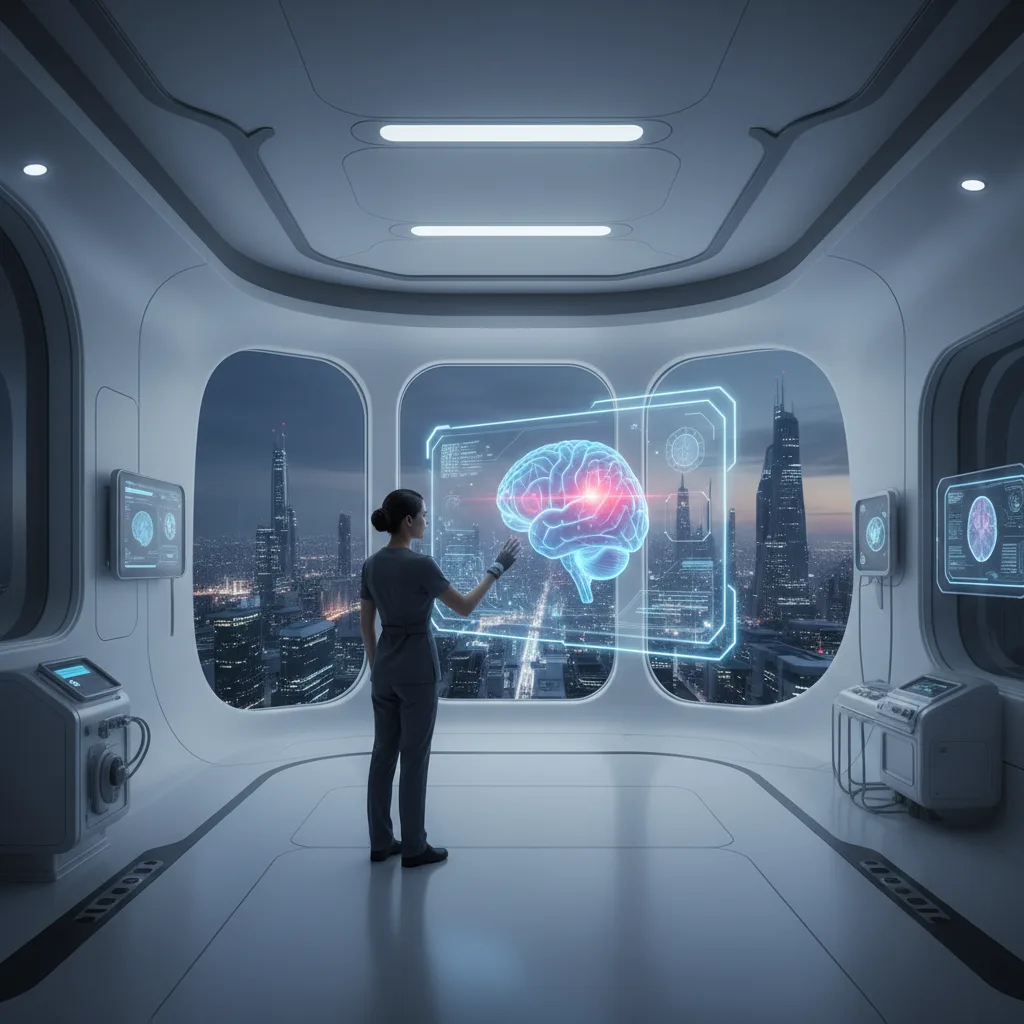
The precision and speed offered by intelligenza artificiale applicata alla medicina in diagnostics and prevention are not just incremental improvements; they represent a fundamental shift towards more proactive, accurate, and accessible healthcare.
Personalizzazione del Trattamento e Sviluppo Farmaceutico
The journey from disease diagnosis to effective treatment is often complex and lengthy. AI is playing a pivotal role in personalizing therapeutic approaches and dramatically accelerating the drug discovery and development process.
- Precision Medicine: AI enables true precision medicine, tailoring treatments to an individual’s unique genetic makeup, lifestyle, and disease characteristics. By analyzing a patient’s genomic data alongside clinical information, AI can predict how they might respond to different drugs, identify optimal dosages, and recommend targeted therapies for conditions like cancer. For example, AI can help oncologists select the most effective chemotherapy or immunotherapy regimen for a specific tumor type, maximizing efficacy while minimizing adverse side effects.
- Drug Discovery and Development: Traditionally, drug discovery is a time-consuming, expensive, and often unsuccessful endeavor. AI is revolutionizing this process by:
- Identifying Drug Targets: AI algorithms can analyze vast biological datasets to identify novel therapeutic targets for various diseases.
- Molecule Design and Synthesis: AI can generate novel molecular structures with desired properties and predict their efficacy and toxicity, significantly narrowing down the search space for potential drug candidates. Companies like Insilico Medicine have used AI to identify and synthesize new molecules, accelerating preclinical drug development.
- Clinical Trial Optimization: AI can help design more efficient clinical trials by identifying suitable patient cohorts, predicting patient response, and even monitoring trial progress in real-time, leading to faster and more cost-effective drug approvals.
- Robotics in Surgery and Rehabilitation: AI-powered robotic systems are assisting surgeons with unparalleled precision, reducing invasiveness, and improving recovery times. These robots can perform intricate tasks, filter out tremors, and provide real-time data during operations. In rehabilitation, AI-driven prosthetics and exoskeletons are offering enhanced mobility and quality of life for patients with disabilities.
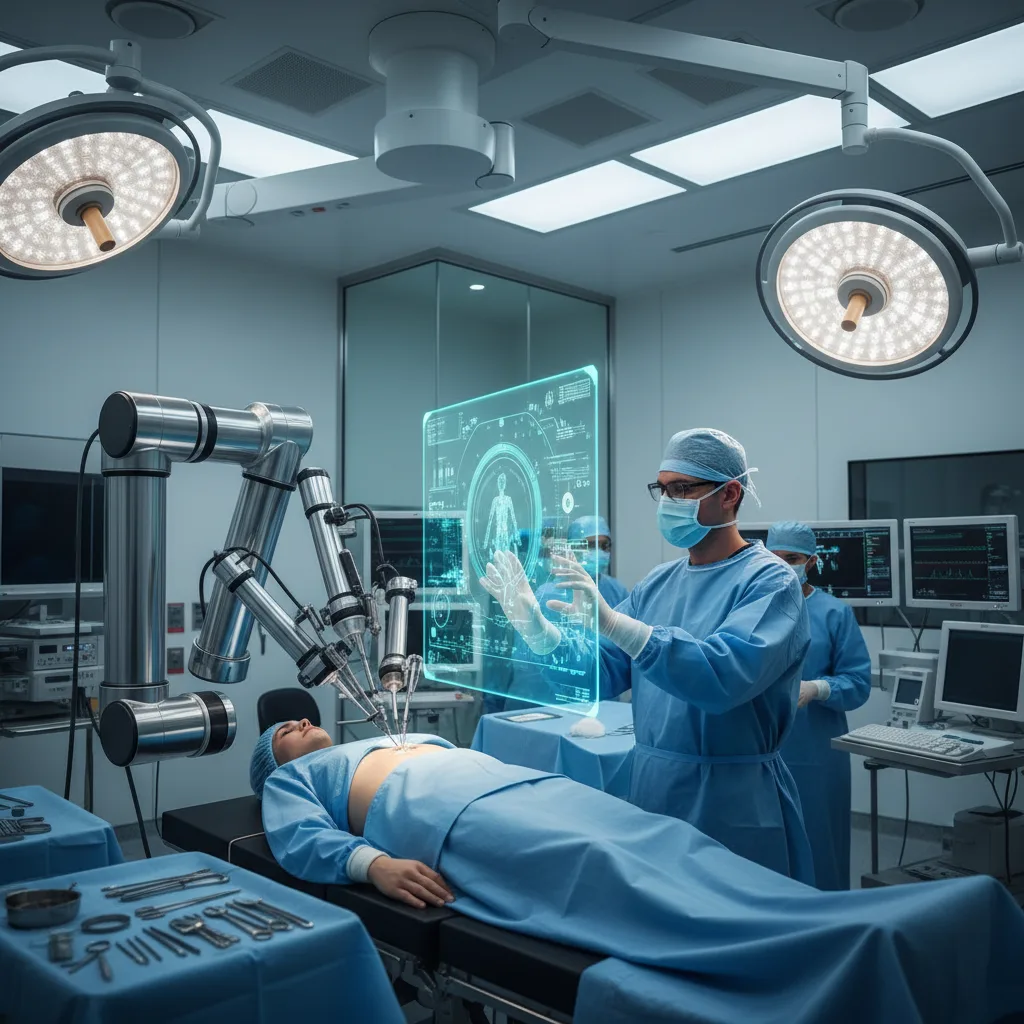

By streamlining these critical stages, AI not only promises more effective treatments but also brings life-saving therapies to patients faster, marking a new era in personalized and innovative medicine.
Efficienza Operativa e Gestione Ospedaliera
Beyond direct patient care, AI is transforming the operational backbone of healthcare, making hospitals and clinics more efficient, cost-effective, and responsive.
- Workflow Optimization: AI can analyze patient flow data to optimize scheduling, reduce wait times, and improve resource allocation within hospitals. This includes managing bed availability, operating room schedules, and staff deployment to ensure smoother operations and better patient experiences. For instance, AI algorithms can predict surges in patient admissions, allowing hospitals to proactively adjust staffing and resources.
- Administrative Task Automation: Healthcare professionals spend a significant portion of their time on administrative tasks, from charting and billing to insurance claims. AI-powered natural language processing (NLP) can automate many of these tasks, converting spoken notes into structured data, processing claims, and managing electronic health records more efficiently, freeing up clinicians to focus on patient care.
- Supply Chain Management: AI can predict demand for medical supplies, optimize inventory levels, and manage logistics, ensuring that hospitals have the necessary equipment and medications when needed, reducing waste and costs.
- Patient Engagement and Support: AI-powered chatbots and virtual assistants can provide patients with information, answer frequently asked questions, schedule appointments, and offer personalized health advice, improving patient engagement and reducing the burden on human staff. These tools can also monitor patients remotely, flagging potential issues before they become critical.
- Quality Control and Safety: AI can monitor clinical practices and identify potential risks or deviations from standard protocols, enhancing patient safety and ensuring adherence to best practices. For example, AI can analyze medication orders to detect potential drug interactions or dosage errors.
By enhancing operational efficiency, intelligenza artificiale applicata alla medicina helps healthcare systems deliver higher quality care more sustainably, addressing challenges like rising costs and increasing demand.
Sfide e Considerazioni Etiche nell’Intelligenza Artificiale Applicata alla Medicina
Despite its immense promise, the widespread adoption of intelligenza artificiale applicata alla medicina comes with a unique set of challenges and ethical considerations that must be carefully navigated.
- Data Privacy and Security: AI systems rely on vast amounts of sensitive patient data. Ensuring the privacy and security of this information is paramount. Robust data protection protocols, anonymization techniques, and strict regulatory frameworks (like GDPR and HIPAA) are essential to build and maintain patient trust. The risk of data breaches and misuse remains a significant concern.
- Bias in Algorithms: AI models are only as good as the data they are trained on. If training data is biased – for example, primarily reflecting certain demographics or lacking representation from diverse populations – the AI system may perpetuate or even amplify these biases, leading to unequal or inaccurate care for underserved groups. Ensuring fairness and equity in AI algorithms requires diverse and representative datasets.
- Regulatory Hurdles: The rapid pace of AI innovation often outstrips the development of regulatory frameworks. Establishing clear guidelines for the development, validation, deployment, and oversight of medical AI devices and software is crucial to ensure their safety, efficacy, and accountability. Bodies like the FDA are actively working on these frameworks.
- Transparency and Explainability (XAI): Many advanced AI models, particularly deep learning networks, operate as “black boxes,” making it difficult to understand how they arrive at their conclusions. In medicine, where life-and-death decisions are made, understanding the rationale behind an AI’s recommendation is vital for clinicians to trust and appropriately use the technology. The need for Explainable AI (XAI) is growing.
- Integration and Interoperability: Integrating new AI systems into existing, often legacy, healthcare IT infrastructure can be complex and costly. Ensuring seamless interoperability between different systems and platforms is a significant technical challenge.
- Ethical Accountability: When an AI system makes a diagnostic error or recommends a suboptimal treatment, who is accountable? The developer, the clinician, the hospital? Clear ethical guidelines and legal frameworks are needed to address issues of responsibility and liability.
- Physician-AI Collaboration: The successful integration of AI requires a new model of collaboration between humans and machines. Clinicians need to be trained to understand AI capabilities and limitations, and to effectively incorporate AI insights into their practice without losing their critical judgment or empathy.
Addressing these challenges is not merely a technical task but requires a multidisciplinary approach involving ethicists, policymakers, clinicians, and technologists to ensure that AI in medicine is developed and deployed responsibly, ethically, and for the benefit of all.
Conclusion
The advent of intelligenza artificiale applicata alla medicina marks a transformative era in healthcare, promising unparalleled advancements in diagnosis, treatment, and operational efficiency. From detecting diseases earlier and with greater accuracy to personalizing therapies and accelerating drug discovery, AI is poised to redefine what’s possible in medicine. While the journey is not without its complexities – encompassing critical considerations around data privacy, algorithmic bias, and ethical accountability – the potential benefits are too profound to ignore. As we move forward, a collaborative effort among researchers, clinicians, policymakers, and patients will be essential to harness the full power of AI, ensuring it is developed and deployed responsibly. The future of healthcare is intelligent, and with careful stewardship, AI will undoubtedly lead us towards a healthier, more equitable, and more efficient medical landscape for generations to come.