Sardinia's Ancient History: Dominations & Civilizations
Discover Sardinia's fascinating history, from ancient civilizations to powerful empires. Explore how millennia of strategic dominations shaped its unique culture and people.
Unveiling the Layers: Dominazioni Storiche e Civiltà della Sardegna Through the Ages
Sardinia, a ruggedly beautiful island in the heart of the Mediterranean, is much more than just a summer paradise. It is a living museum, a testament to millennia of human ingenuity, resilience, and cultural exchange. Its strategic position has made it a coveted prize for numerous empires and civilizations, each leaving an indelible mark on its landscape, language, and people. This comprehensive guide delves into the dominazioni storiche e civiltà della Sardegna, exploring the rich tapestry of cultures that have shaped this extraordinary land from its prehistoric origins to its modern identity. Prepare to journey through time, uncovering the unique story of an island forged by conquest, innovation, and an unwavering spirit.
The Enigmatic Nuragic Civilization: Sardinia’s Indigenous Legacy
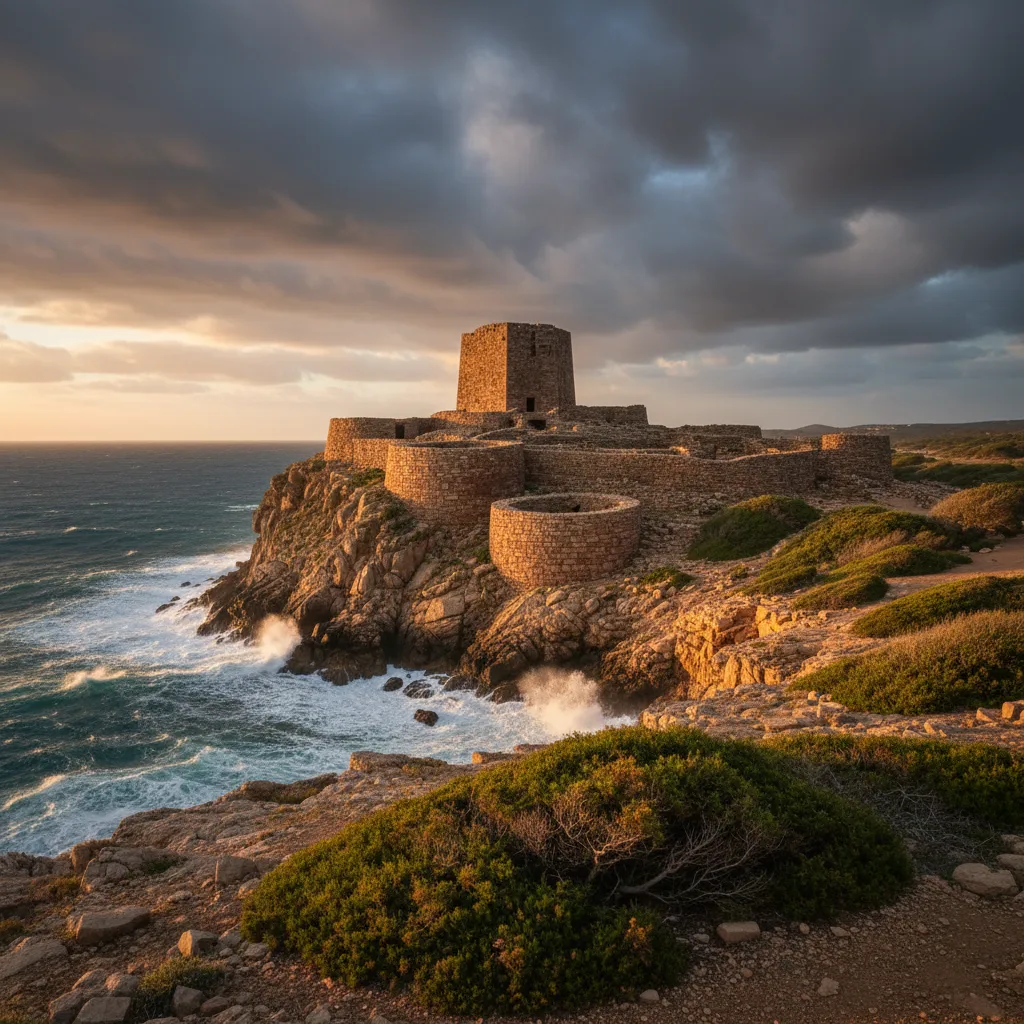
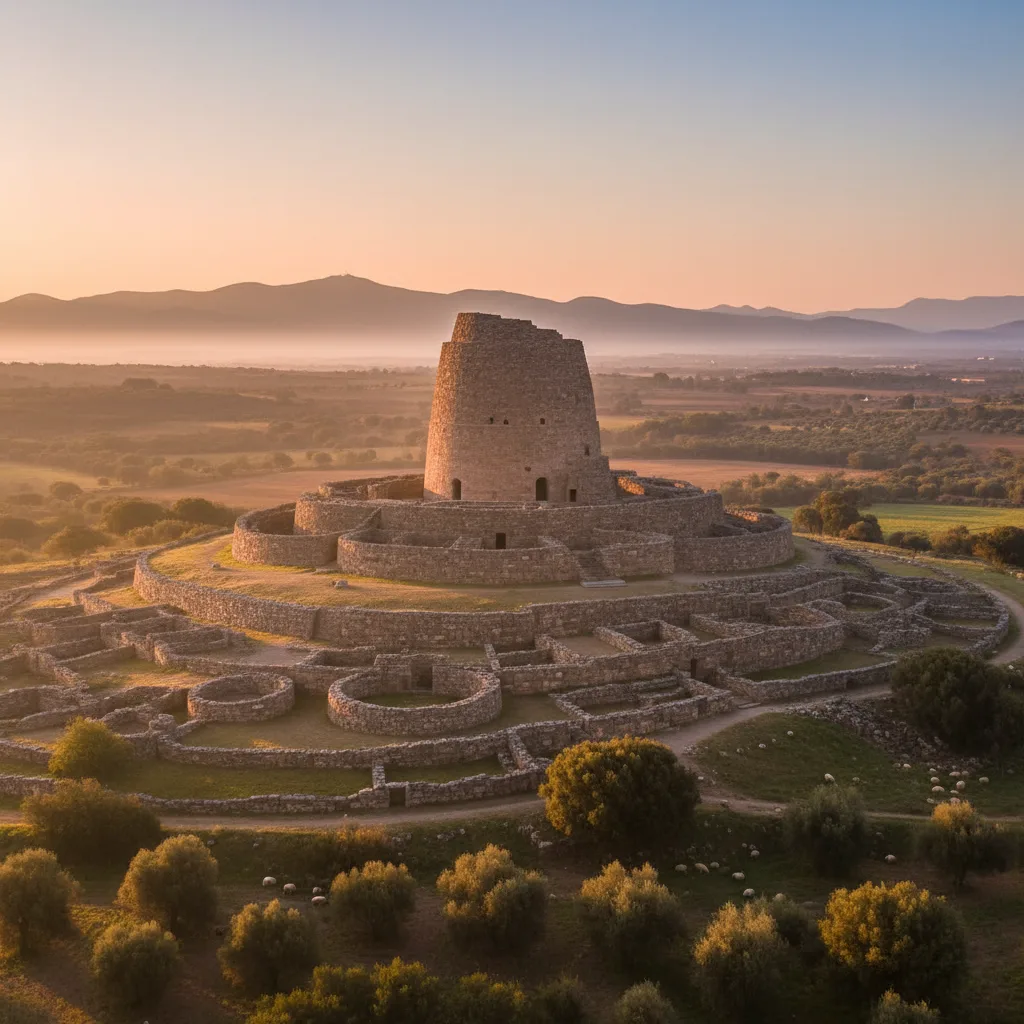
The earliest and arguably most distinctive chapter in Sardinia’s history belongs to the Nuragic civilization, an indigenous culture that flourished from approximately 1800 BCE to 250 BCE. This Bronze Age society is named after its iconic megalithic structures, the nuraghi – enigmatic stone towers found scattered across the island, numbering over 7,000. These impressive dry-stone constructions, ranging from simple conical towers to complex fortresses with multiple levels and courtyards, served various purposes: defensive strongholds, ceremonial sites, and even community centers.
The Nuragic people were skilled metallurgists, producing intricate bronze figurines known as bronze statuettes (bronzetti) depicting warriors, chieftains, priestesses, and animals, offering invaluable insights into their daily life, beliefs, and social hierarchy. They also built sacred wells and tombs of the giants, monumental collective graves. The UNESCO World Heritage site of Su Nuraxi di Barumini stands as the most famous example of a nuragic complex, showcasing the advanced architectural and engineering capabilities of this ancient civilization. Despite their sophisticated constructions and widespread presence, many aspects of the Nuragic civilization, including their language and precise social structures, remain shrouded in mystery, adding to their enduring allure. Their legacy is the very foundation upon which all subsequent dominazioni storiche e civiltà della Sardegna would be built.
Phoenician and Punic Influence: Maritime Empires and Trading Hubs
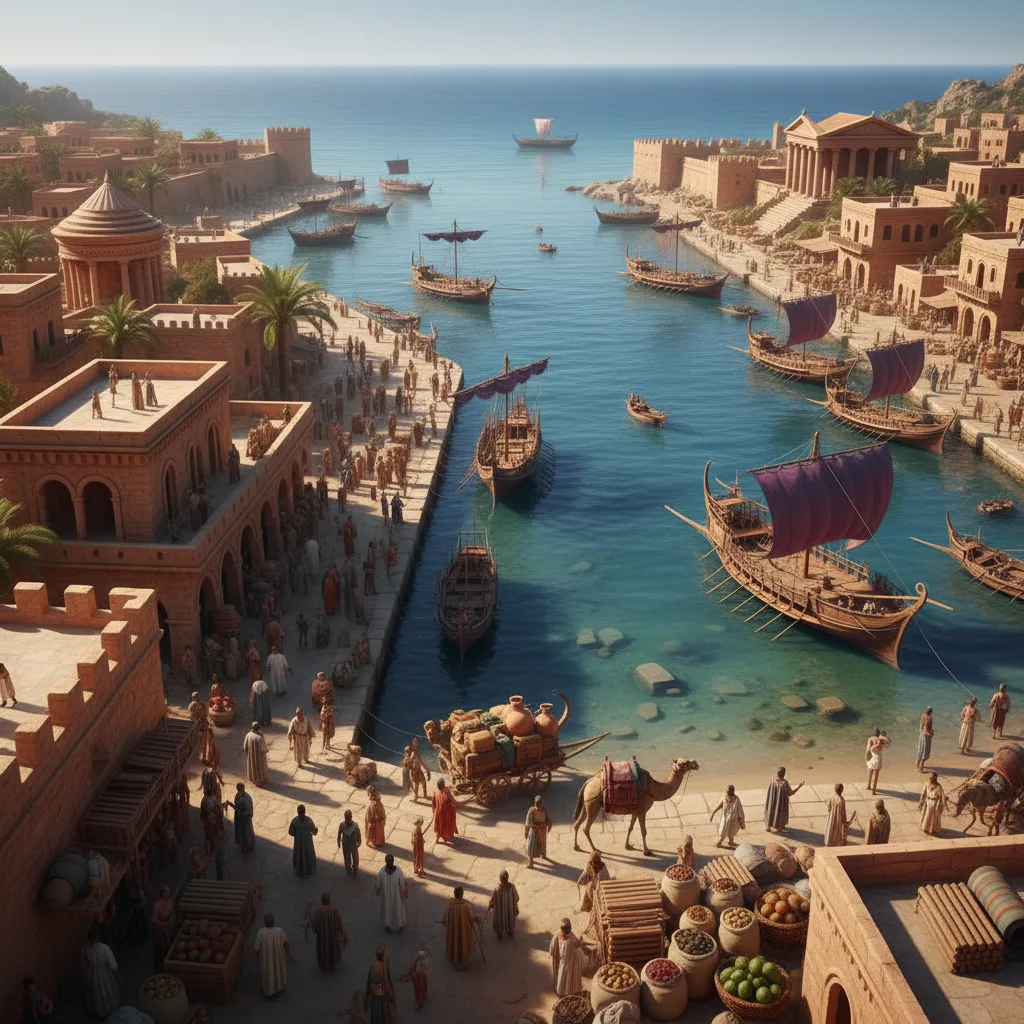
The dawn of the first millennium BCE saw the arrival of new powers from across the sea, drawn by Sardinia’s fertile lands and strategic location. Around the 9th century BCE, the Phoenicians, master seafarers and traders from the eastern Mediterranean, established key maritime outposts along Sardinia’s coasts. These settlements, such as Nora, Tharros, and Karalis (modern-day Cagliari), served as vital links in their vast trading network, facilitating the exchange of goods like metals, pottery, and textiles. The Phoenicians introduced new technologies, writing systems, and urban planning concepts, profoundly impacting the indigenous Nuragic communities with whom they often coexisted and traded.
By the 6th century BCE, the rising power of Carthage, a Phoenician colony in North Africa, began to assert its dominance over Sardinia. The Punic period (Carthaginian rule) saw the consolidation of Phoenician settlements into more structured urban centers and the expansion of Carthaginian influence inland. Carthage exploited Sardinia’s agricultural potential, particularly for grain, and its mineral resources. They introduced new agricultural techniques, coinage, and a more centralized administration. Evidence of Punic presence is abundant in archaeological sites, revealing their distinct religious practices, burial customs (like the necropolis of Tuvixeddu in Cagliari), and artistic styles. The Punic Wars with Rome would ultimately determine Sardinia’s fate, ushering in a new era of imperial rule.
Roman Rule: Integrating Sardinia into a Vast Empire
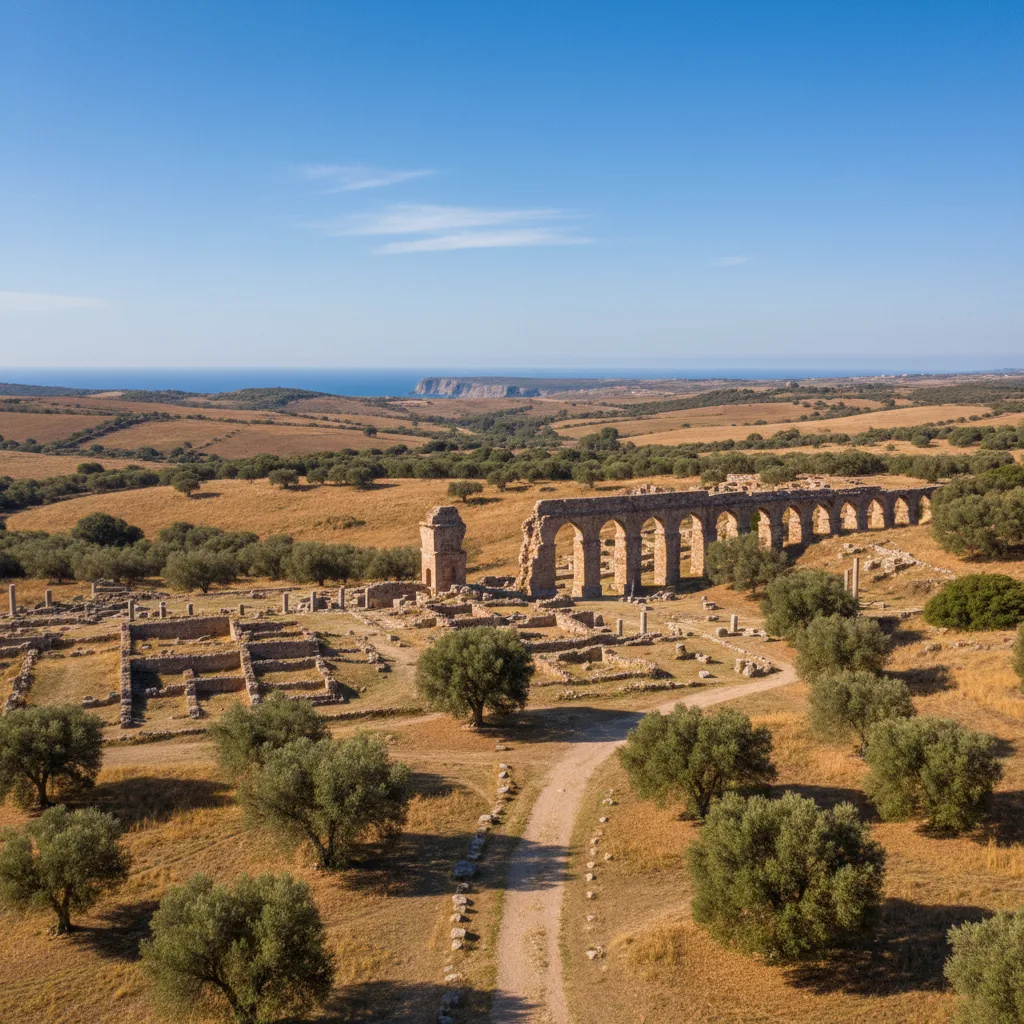
Following the First Punic War (264-241 BCE), Sardinia became a Roman province in 238 BCE, marking the beginning of nearly 700 years of Roman dominance. The island, along with Corsica, formed the province of Sardinia et Corsica. Roman rule brought significant changes, transforming the island’s landscape, economy, and culture. The Romans established new cities, built an extensive network of roads (like the Via Tibula), bridges, and aqueducts, many of which are still visible today. Karalis (Cagliari) became the provincial capital, growing into a major port and administrative center. Other important Roman cities included Turris Libisonis (Porto Torres) and Forum Traiani (Fordongianus).
The Romans exploited Sardinia’s rich natural resources, particularly its grain production, which was crucial for feeding the burgeoning population of Rome, earning the island the moniker “Rome’s granary.” Mining for lead, copper, and silver also intensified. While the coastal areas and plains were heavily Romanized, the rugged interior, known as the Barbagia, often remained a hotbed of resistance, with indigenous tribes maintaining their autonomy and clashing with Roman legions. Latin became the official language, influencing the development of the Sardinian language, which retains many archaic Latin features. Roman law, administration, and cultural practices permeated society, laying foundations that would endure for centuries and significantly shaping the future dominazioni storiche e civiltà della Sardegna.
Byzantine and Vandalic Interludes: Shifting Powers in the Mediterranean
With the decline of the Western Roman Empire in the 5th century CE, Sardinia once again became a battleground for competing powers. In 456 CE, the Vandals, a Germanic tribe that had established a powerful kingdom in North Africa, conquered Sardinia. Their rule, though relatively brief (lasting until 534 CE), was marked by economic exploitation and religious persecution (as the Vandals were Arian Christians, while the local population was Nicene Christian). The Vandal period saw a decline in urban life and a retreat to fortified inland settlements.
However, the Vandalic hold on Sardinia was challenged by the resurgent Byzantine Empire (Eastern Roman Empire) under Emperor Justinian I. In 534 CE, the Byzantines reconquered the island as part of their broader efforts to restore the Roman Empire. Byzantine rule brought a period of relative stability and a renewed connection with the eastern Mediterranean. Greek became an important administrative language, and Byzantine art and architecture left their mark, particularly in religious structures. The island was governed by a praeses or dux, reporting to the Exarch of Africa. Despite the re-establishment of imperial control, the Byzantines faced constant pressure from internal rebellions and external threats, particularly from Arab raids, which intensified in the 7th and 8th centuries, weakening their grasp and paving the way for a unique period of Sardinian self-governance.
The Giudicati Era: Sardinia’s Unique Medieval Kingdoms
As Byzantine control waned under increasing Arab pressure, Sardinia entered one of its most fascinating and distinct periods: the era of the Giudicati (Judicates). From the 9th or 10th century until the early 15th century, the island was divided into four independent, self-governing kingdoms: Arborea, Cagliari, Gallura, and Torres (or Logudoro). Each giudicato (from giudice, meaning judge) was ruled by an elected or hereditary monarch, initially a Byzantine official who gradually asserted full independence.
This era represents a remarkable period of Sardinian identity formation and political innovation. The Giudicati developed their own distinct legal codes (such as the Carta de Logu of Arborea, promulgated by Eleonora d’Arborea, a foundational document of Sardinian law), administrative structures, and military forces. They fostered a vibrant local culture, maintained trade relations, and defended their territories against external threats, primarily from Pisa and Genoa, the powerful maritime republics that sought to exert influence over the island. The Giudicato of Arborea, particularly under Eleonora, achieved significant military successes and cultural flourishing, attempting to unite the entire island under its rule. The Giudicati period is a testament to Sardinia’s capacity for self-determination and represents a high point in its independent history before the arrival of new foreign powers.
Aragonese and Spanish Dominance: A New Imperial Era
The unique independence of the Giudicati eventually succumbed to the ambitions of powerful peninsular kingdoms. In 1297, Pope Boniface VIII, seeking to resolve the conflict between the Angevins and Aragonese over Sicily, created the theoretical Kingdom of Sardinia and Corsica and granted it as a fief to James II of Aragon. This papal bull, however, was merely a declaration; Aragon still had to conquer the island.
The Aragonese conquest began in earnest in 1323, leading to prolonged and bloody conflicts with the remaining Giudicati and the Pisan and Genoese strongholds. The last independent Giudicato, Arborea, fell in 1420 after a century of fierce resistance. Sardinia was formally incorporated into the Crown of Aragon, and with the unification of the Spanish crowns, it became part of the vast Spanish Empire from the late 15th century onwards.
For over 350 years, Sardinia remained under Spanish rule. This period was characterized by a feudal system, economic stagnation, and frequent pirate raids along the coasts. Spanish cultural influences are evident in architecture, place names, and aspects of the Sardinian language. Cagliari, now the capital of the Kingdom of Sardinia, was fortified with impressive bastions. Despite being a kingdom in its own right, Sardinia was largely administered as a peripheral province of the Spanish Empire, often neglected and exploited. The long Spanish period left a complex legacy, contributing to Sardinia’s unique identity while also contributing to its relative isolation and underdevelopment compared to other parts of Europe.
Savoyard and Italian Unification: Modern Sardinia Emerges
The War of the Spanish Succession (1701-1714) brought an end to Spanish rule over Sardinia. After a brief period under Austrian Habsburg control, the island was formally ceded to the House of Savoy, rulers of Piedmont, in 1720 by the Treaty of The Hague. This transfer marked the birth of the Kingdom of Sardinia under the Savoy dynasty, a state that would eventually spearhead the unification of Italy.
Initially, the Savoyards, focused on their continental territories, paid little attention to their island kingdom. However, by the 19th century, Sardinia became crucial to their ambitions. Cagliari remained the capital, and the Savoyard rulers, particularly King Carlo Alberto, introduced significant reforms, including the Statuto Albertino (1848), a liberal constitution that would become the basis for the constitution of unified Italy.
Sardinia played a symbolic role in the Risorgimento, the movement for Italian unification. In 1861, the Kingdom of Sardinia officially became the Kingdom of Italy, uniting the various states of the peninsula. For Sardinia, integration into the new Italian state brought both opportunities and challenges. While it ended centuries of foreign rule and isolation, it also exposed the island’s deep-seated socio-economic disparities. Modern Sardinia faced issues of poverty, brigandage, and a struggle for recognition of its unique cultural identity within the broader Italian nation. The 20th century saw significant infrastructure development, the decline of traditional industries, and the rise of tourism, further shaping the island’s contemporary character.
Conclusion
The dominazioni storiche e civiltà della Sardegna tell a compelling story of an island that has absorbed, adapted, and sometimes fiercely resisted the tides of history. From the enigmatic Nuragic builders to the maritime empires of the Phoenicians and Carthaginians, the enduring legacy of Roman administration, the unique self-governance of the Giudicati, and the long periods under Aragonese, Spanish, and Savoyard rule, each era has added a distinct layer to Sardinia’s identity.
This journey through time reveals an island of extraordinary resilience, where ancient traditions blend seamlessly with the echoes of diverse foreign influences. Sardinia’s history is not merely a sequence of conquests but a testament to the persistent spirit of its people, who have continuously forged a unique culture, language, and sense of belonging amidst the flux of empires. Understanding these historical layers is key to appreciating the profound depth and captivating allure of Sardinia today, an island where every stone, every ruin, and every custom whispers tales of its remarkable past.