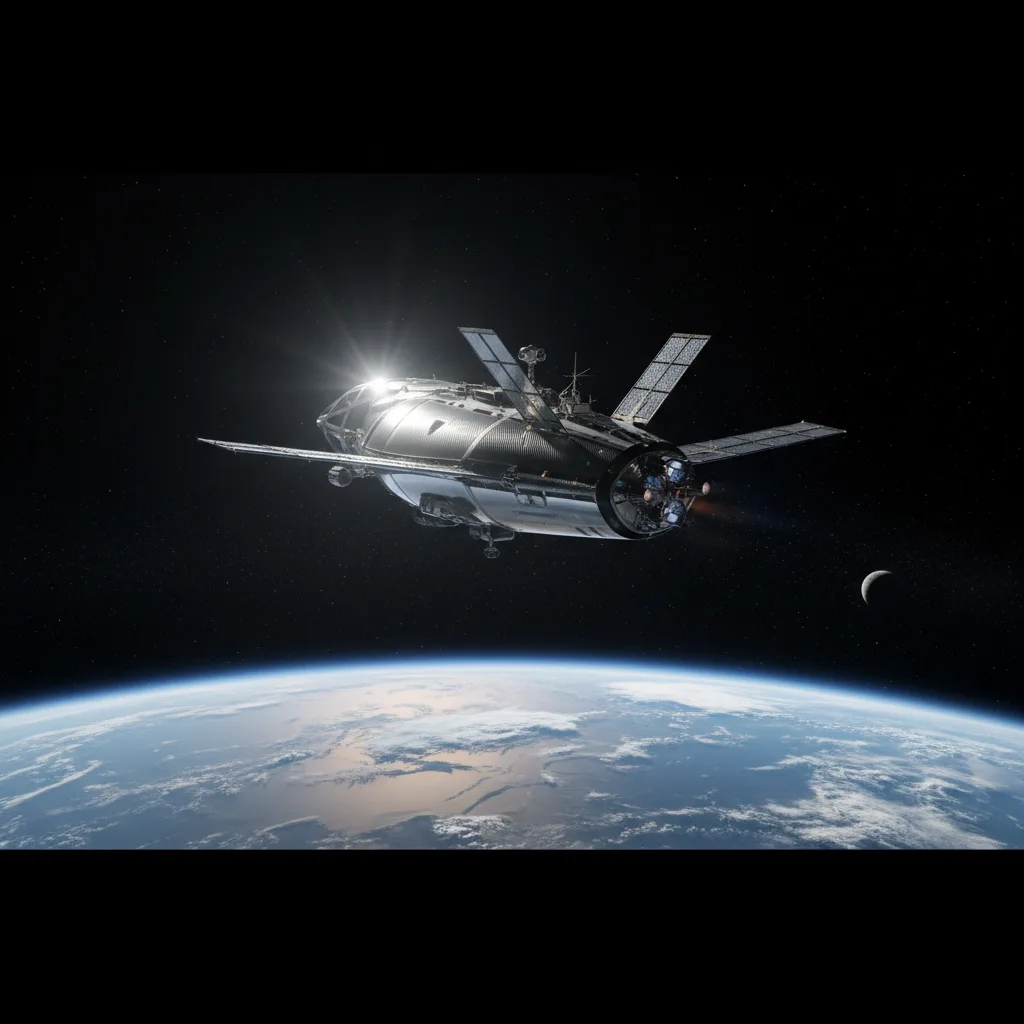
50 Years of Space Exploration: Humanity's Journey & Apollo 13
Relive the dramatic Apollo 13 crisis and explore 50 years of human space exploration. From 'Houston, we've had a problem' to humanity's enduring quest.
The Long Ascent: Fifty Years of Humanity’s Story in Space
The air in Mission Control was thick with a silence that screamed. It was April 13, 1970, and a calm, almost monotone voice from over 200,000 miles away had just delivered the news: “Houston, we’ve had a problem.” An oxygen tank on Apollo 13’s Service Module had exploded. Lights flickered on the massive status boards, showing power drains and pressure drops. The ship was bleeding life. Gene Kranz, the flight director, whose crisp white vest was legendary, felt the cold dread creep in. Failure wasn’t an option, he’d famously declared. But now, failure was a very real, terrifying possibility for Jim Lovell, Jack Swigert, and Fred Haise.
This wasn’t about landing on the Moon anymore. It was about survival. Engineers and astronauts on the ground, fueled by lukewarm coffee and an almost superhuman focus, started to improvise. They tore apart flight manuals and sketched solutions on napkins. They were turning a lunar lander, never designed for reentry, into a lifeboat. The world held its breath, glued to televisions, a collective knot of anxiety tightening with every news update. This was space exploration, raw and unforgiving. It stripped away the glamour to reveal the sheer, terrifying boldness of human effort. In that crisis, the true spirit of discovery – resilience, ingenuity, and a stubborn refusal to yield – was forged. That spirit would define the next half-century of our reach for the stars.
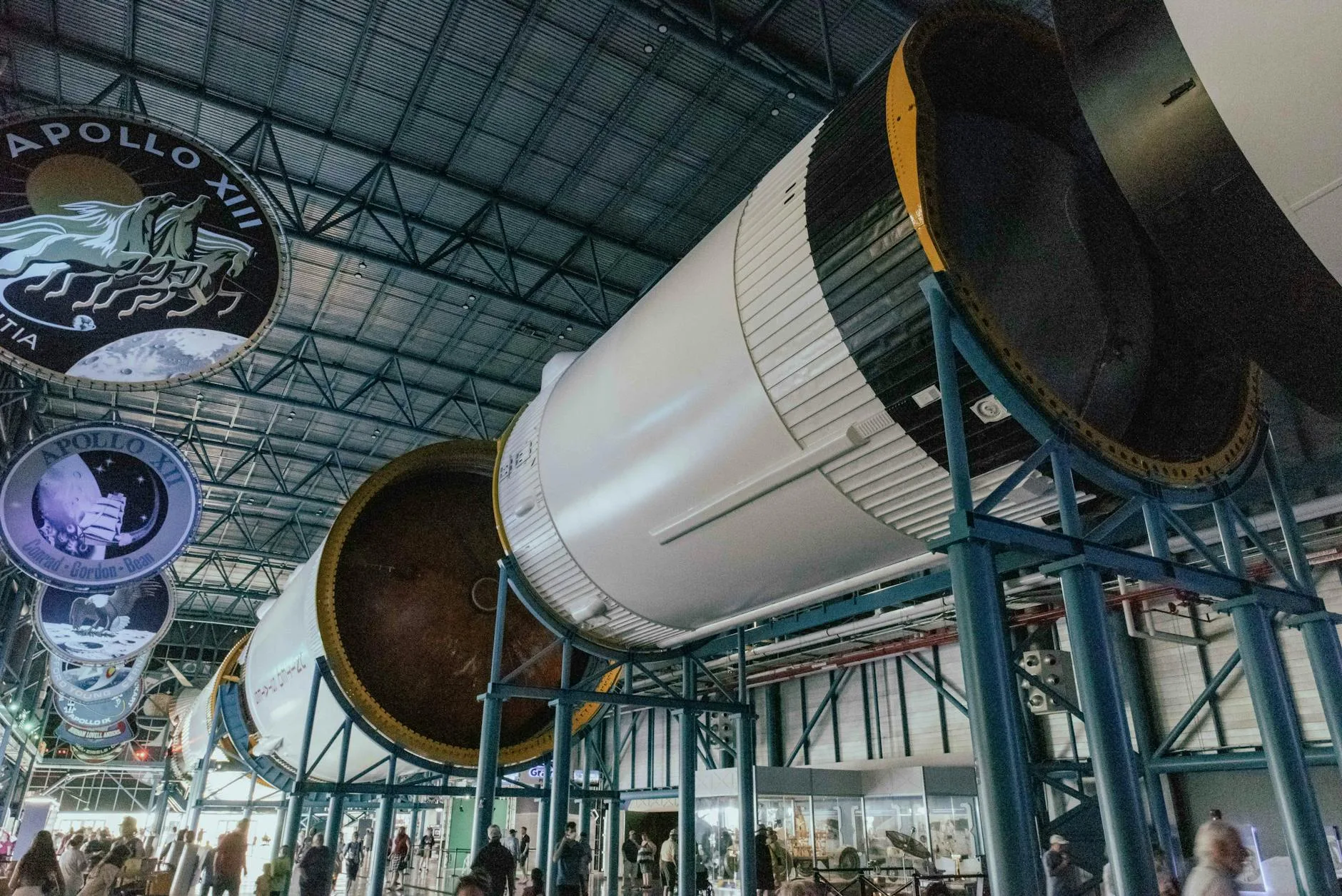
Space: A Cold War Battleground
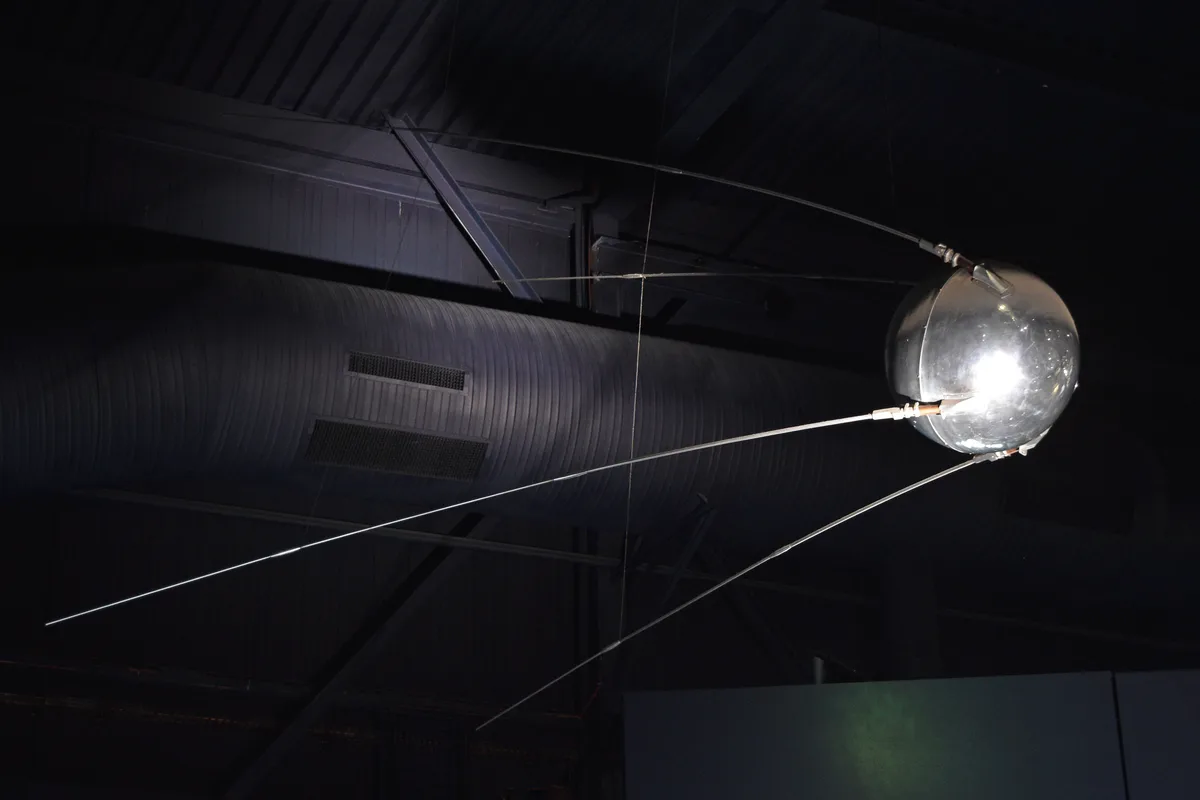 Before the near-catastrophe of Apollo 13, before the triumphant "one small step," space was primarily a battleground. Not with weapons, initially, but with ideology. The Soviet Union's launch of **Sputnik 1** on October 4, 1957, was a huge shock. A simple, beeping sphere, it signaled a terrifying technological leap by America's Cold War adversary. The United States, caught off guard, scrambled. The "space race" wasn't just about science; it was about national pride, military superiority, and proving which political system could better deliver the future.
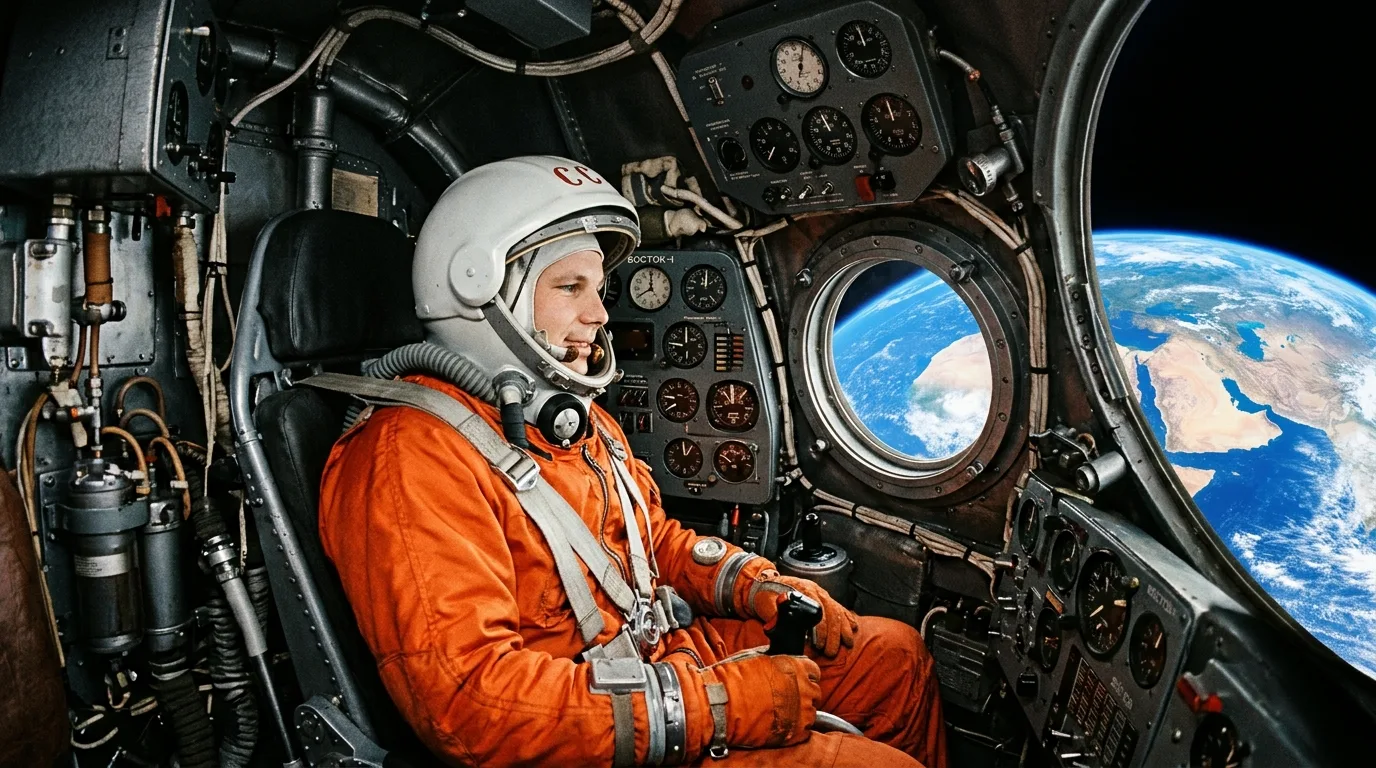
The Soviets kept their early lead. On April 12, 1961, Yuri Gagarin became the first human in space, orbiting Earth aboard Vostok 1. His iconic phrase, “The Earth is blue… How wonderful. It’s amazing,” echoed across the globe. It inspired awe and, in the West, a new sense of urgency. Just weeks later, on May 5, Alan Shepard became the first American in space, though his suborbital flight was less ambitious. This period saw a frantic pace of development, often with significant risks. Project Mercury pushed the boundaries, then Gemini honed the techniques for orbital rendezvous and spacewalks.
President John F. Kennedy, recognizing the psychological and strategic stakes, famously declared on May 25, 1961, that America would land a man on the Moon “before this decade is out.” It was an audacious, almost reckless goal, given the technology available at the time. Yet, it united an entire nation, pouring resources and intellect into the Apollo program. The journey wasn’t without tragedy. The Apollo 1 fire in January 1967 killed Gus Grissom, Ed White, and Roger Chaffee. It served as a stark reminder of the immense dangers. But the program pushed forward, learning from its failures, until, on July 20, 1969, Neil Armstrong and Buzz Aldrin stepped onto the lunar surface. It was a moment that went beyond politics. It was a shared human achievement broadcast to an estimated 600 million people worldwide, a truly unifying event. Dr. Wernher von Braun, the German-born rocket scientist key to NASA’s early success, often remarked on the almost impossible ambition of it all, saying, “I have learned to use the word ‘impossible’ with the greatest caution.” And they had indeed made the impossible real.
Robots Beyond Earth: Exploring Deep Space
While human spaceflight captured headlines, another quiet change was happening: the tireless work of robotic explorers. These unsung heroes, unburdened by life support or return journeys, pushed the limits of our solar system. They offered glimpses into worlds we could only dream of reaching ourselves. From the earliest Mariner probes to today’s complex science labs, these machines have reshaped our understanding of the cosmos.
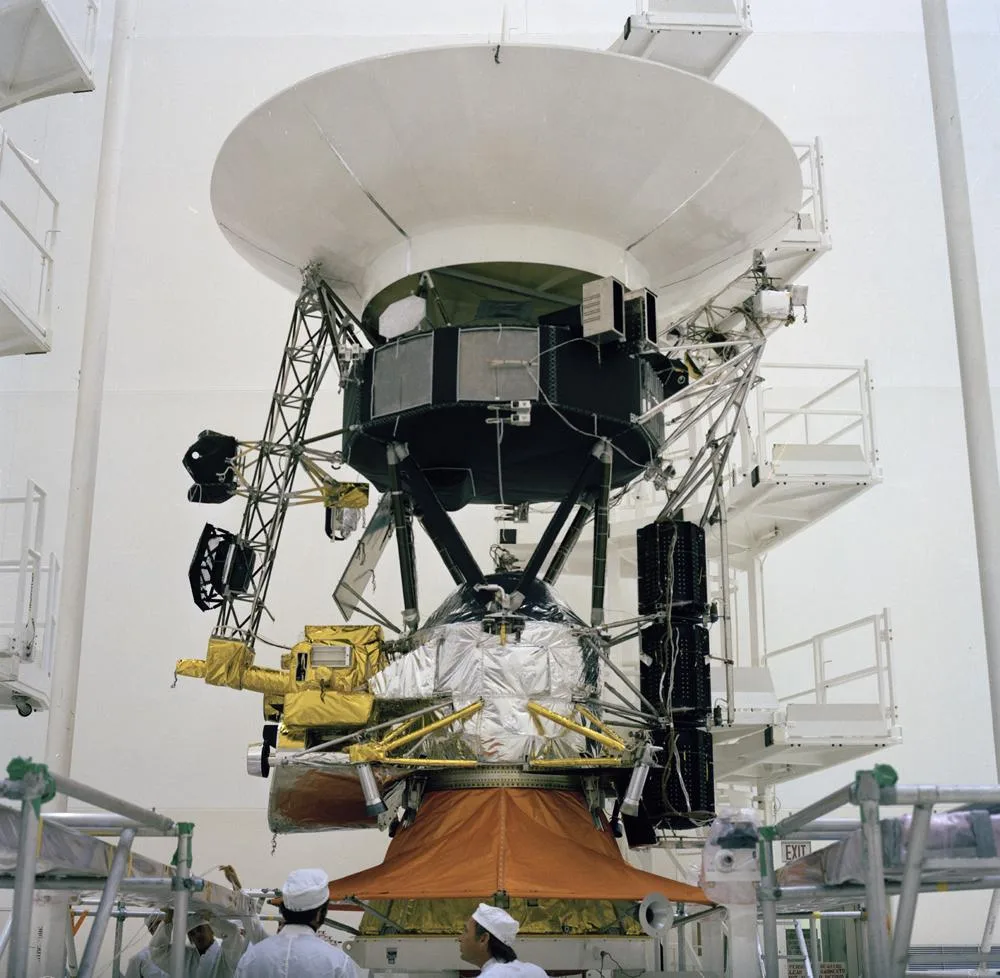 Perhaps the best examples of robotic exploration are the **Voyager 1 and 2** probes. Launched in 1977, they began a "grand tour" of the outer planets, using a rare planetary alignment. Voyager 1 gave us amazing close-ups of Jupiter and Saturn. Voyager 2 visited all four gas giants – Jupiter, Saturn, Uranus, and Neptune – before starting its journey into interstellar space. These probes, still communicating with Earth and carrying a "Golden Record" of humanity's sounds and images, are now the most distant human-made objects. They offer data from the very edge of our Sun's influence. As Dr. Ed Stone, the long-time project scientist for the Voyager mission, noted, they continue to "surprise us even after all these years."
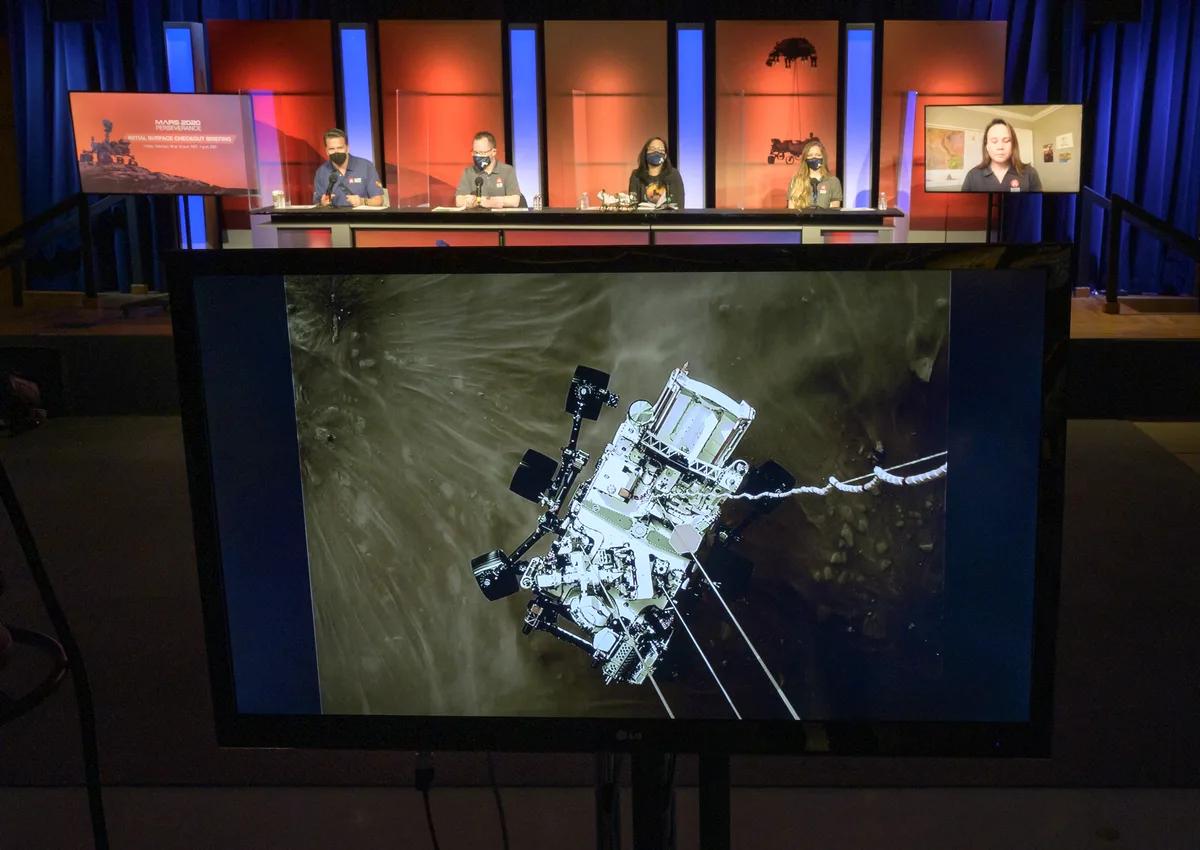 Closer to home, Mars has become the main destination for robotic exploration. It started with the Viking landers in the 1970s, then the Pathfinder mission with its tiny Sojourner rover in 1997. Next came the impressive Spirit, Opportunity, and Curiosity rovers, and most recently, **Perseverance** (landed February 18, 2021). These brave machines have changed our understanding of the Red Planet. They've found evidence of ancient lakes, organic molecules, and the potential for past microbial life. Perseverance, with its Ingenuity helicopter, has even shown powered flight on another planet. This paves the way for future aerial exploration.
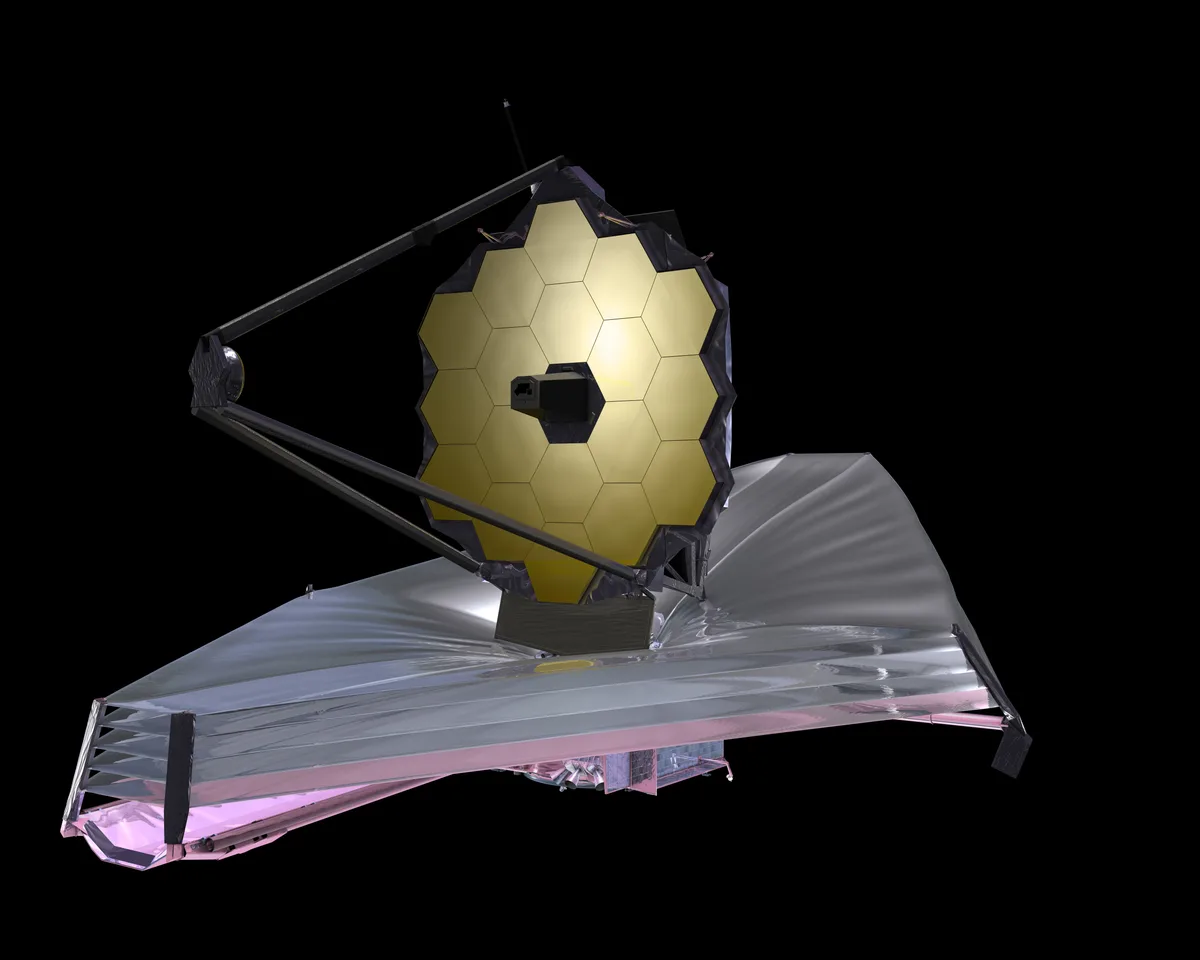 Then there are the eyes on the sky. The **Hubble Space Telescope**, launched in 1990, initially had a flawed mirror. But a daring space shuttle repair mission in 1993, which felt like another high-stakes Apollo 13 moment, transformed it. It became the most productive scientific instrument in history. Hubble has delivered stunning images of distant galaxies, nebulae, and stellar nurseries. It confirmed the age of the universe and revealed the accelerating expansion of space. Its successor, the **James Webb Space Telescope (JWST)**, launched on December 25, 2021, is designed to look even further back in time. It observes the first galaxies formed after the Big Bang. Dr. Heidi Hammel, a Webb Interdisciplinary Scientist, often speaks of the deep impact these telescopes have, saying they "are not just scientific instruments, they are time machines." These robotic messengers, whether crossing dusty Martian plains or gazing into the cosmic dawn, are extending our senses far beyond what was once thought possible.
The ISS: A Global Home in Space
 The shift from intense Cold War rivalry to global teamwork marks one of the most important developments in space exploration. After decades of trying to outdo each other, the United States and the Soviet Union, and later Russia, along with other nations, began to realize the huge benefits of working together. This spirit of cooperation found its most clear and lasting expression in the **International Space Station (ISS)**.
Before the ISS, Russia’s Mir space station, launched in 1986, was a key testing ground for long-duration human spaceflight. It hosted continuous human presence for a decade, experiencing its own share of crises, including a fire and a collision. These experiences provided valuable lessons in living and working in orbit. They prepared the way for a truly international outpost.
Construction of the ISS began in 1998. It was a monumental project involving 15 nations: the United States, Russia, Canada, Japan, and eleven member states of the European Space Agency. It wasn’t built in a single launch. Instead, it was assembled piece by piece over many years, with modules ferried into orbit by various rockets, primarily the Space Shuttle. This complex orbital dance, requiring precise docking and countless spacewalks, showed an amazing level of international trust and coordination. Astronauts from diverse backgrounds now live and work together, conducting thousands of scientific experiments. These experiments cover biology, physics, astronomy, and human health.
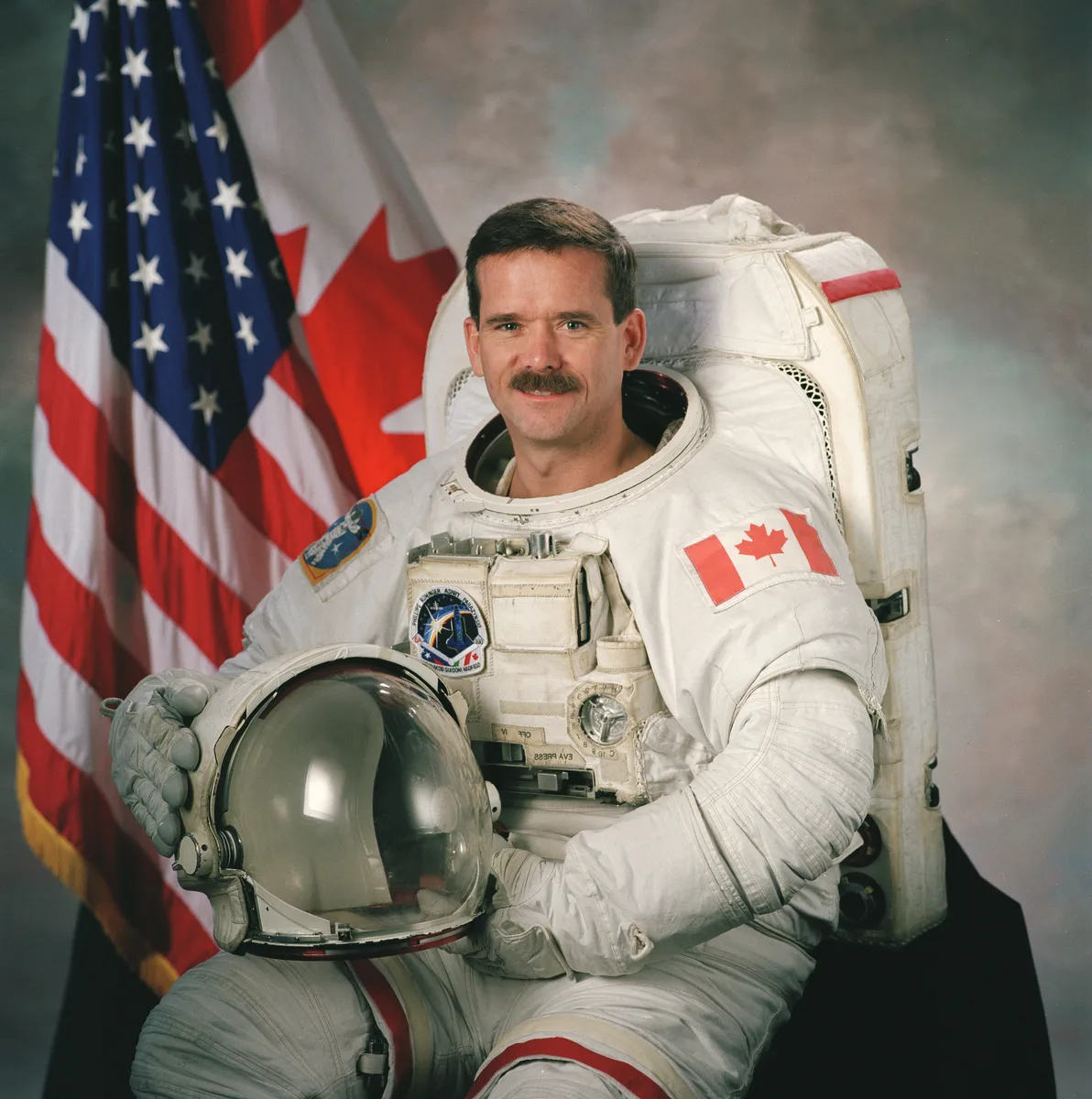 The ISS isn't just a laboratory; it's a testament to what humanity can achieve when it works together. Astronauts like Canada's **Chris Hadfield**, whose viral videos from orbit showed the daily realities of life in space, have brought the station closer to the public. He once reflected on the unique perspective it offers, noting, "It's a fundamentally different view of the world, where you don't see borders, you just see the planet." The station has been continuously inhabited since November 2000, hosting over 270 individuals from 21 countries. It remains a vital platform for understanding the effects of microgravity on the human body. This is a critical step toward longer missions to the Moon and Mars. Its very existence is a powerful symbol of moving past earthly conflicts for a common, grander purpose.
The New Space Race: Private Companies Soar
For decades, space exploration was almost exclusively the realm of national governments. NASA, Roscosmos, ESA – these were the giants. But a surprising turn, one that few predicted in the early days of the space race, began to change the industry. This was the rise of private companies. This shift wasn’t small; it was revolutionary. It injected a strong dose of entrepreneurial spirit and competition into what had been a largely bureaucratic effort.
The most visible face of this commercial revolution is SpaceX, founded by Elon Musk in 2002. Driven by the bold goal of making humanity multi-planetary, SpaceX challenged old ways. Their development of reusable rocket technology, particularly the Falcon 9 booster, changed the economics of space launch. Instead of discarding expensive hardware after a single use, SpaceX lands its boosters upright. This allows for multiple flights. This innovation dramatically reduced launch costs, making space more accessible than ever before. Musk’s vision, often stated in bold pronouncements, has always been about dramatically reducing the cost of access to space. He sees this as the main hurdle to future exploration.
SpaceX’s achievements are many: it was the first private company to send a spacecraft to the ISS (Dragon, 2012). It was also the first to launch astronauts to orbit (Crew Dragon, 2020). Plus, there’s the rapid deployment of the Starlink satellite constellation, aiming to provide global broadband internet. Other private players, like Jeff Bezos’s Blue Origin and Richard Branson’s Virgin Galactic, are also pushing the limits. They’re developing their own rockets for orbital and suborbital flights, including new space tourism ventures. Suddenly, “space” wasn’t just for governments; it was becoming an industry. It attracted venture capital and innovative minds.
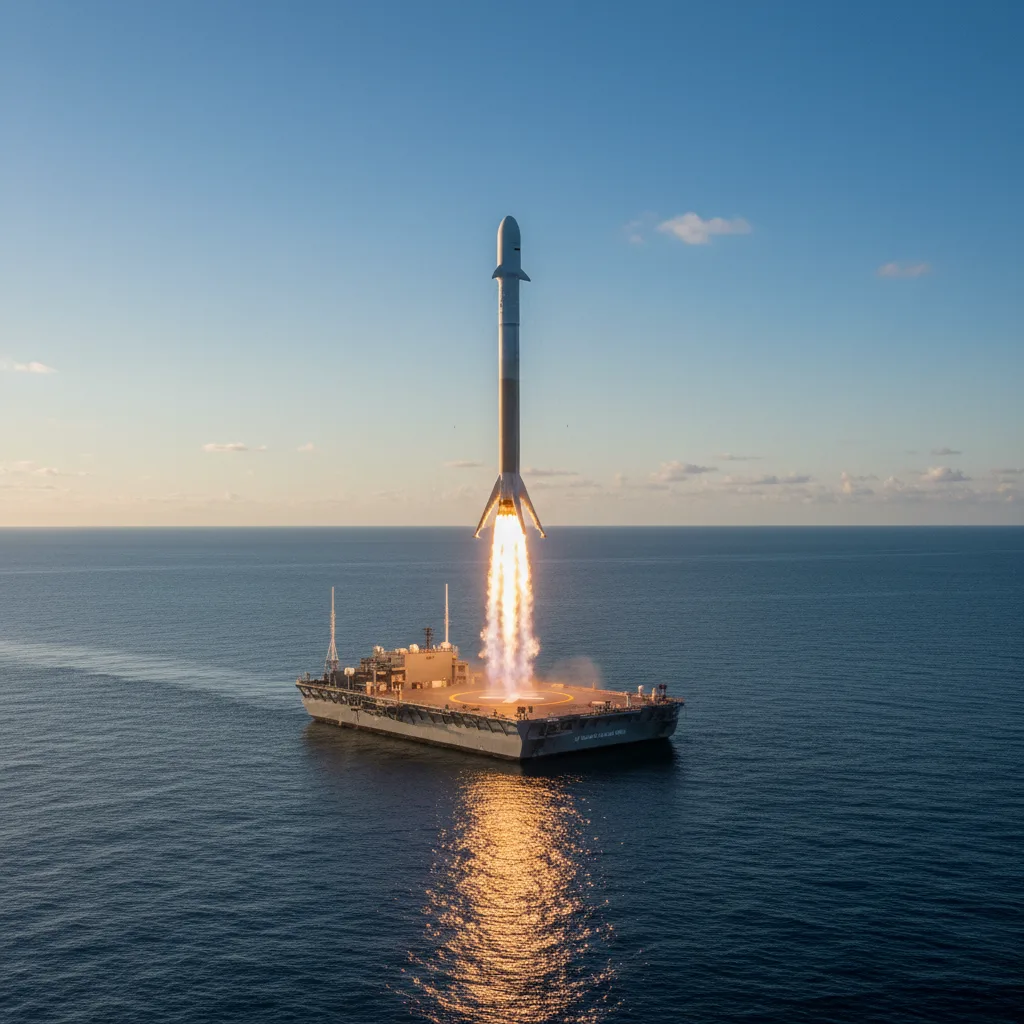
This commercialization isn’t just about launches. Companies are now looking at asteroid mining, in-orbit manufacturing, and even private space stations. It’s a Wild West, certainly, but one driven by innovation and a hunger for opportunity. The idea that a private company could launch astronauts to the ISS, a task once reserved for national agencies, shows how much things have changed. This isn’t just about making money. It’s about expanding the capabilities and reach of space exploration in ways that government programs, with their often-slower pace and political limits, simply couldn’t achieve alone. It’s a dynamic, exciting shift, and it’s just getting started.
What’s Next? A Multi-Planetary Future
As we look ahead, the aspirations for space exploration are bolder than ever. The focus has shifted from merely visiting to potentially staying. The Moon, once the ultimate achievement, is now seen as a stepping stone. Mars calls as the ultimate destination for human settlement. This isn’t science fiction anymore; it’s the stated goal of major space agencies and private companies alike.
NASA’s Artemis program shows this ambition. Named after Apollo’s twin sister, Artemis aims to return humans to the lunar surface by the mid-2020s. This includes the first woman and the first person of color. But unlike the Apollo missions, which were flags-and-footprints efforts, Artemis seeks to establish a lasting human presence on the Moon. This means building a lunar orbiting platform called Gateway and eventually a base on the surface. The lessons learned from living and working on the Moon – resource use, radiation protection, long-duration habitation in partial gravity – will be crucial for the even more challenging journey to Mars. Dr. Thomas Zurbuchen, NASA’s former Associate Administrator for the Science Mission Directorate, stressed this, stating, “The Moon is our testbed for Mars.”
The journey to Mars presents huge challenges. A round trip could take well over two years, exposing astronauts to significant radiation doses and the psychological toll of extreme isolation. Developing closed-loop life support systems, advanced propulsion technologies, and strategies for using resources found on Mars (like making fuel or oxygen from Martian soil and atmosphere) are essential. SpaceX’s Starship, currently under aggressive development, is designed with Mars colonization in mind. It aims to transport large numbers of people and cargo.
Beyond Earth and Mars, what then? The dream extends to Europa, Enceladus, and Titan – icy moons with potential subsurface oceans. These offer tantalizing prospects for extraterrestrial life. The ultimate vision for many, from pioneers like Konstantin Tsiolkovsky to modern advocates like Elon Musk, is for humanity to become a multi-planetary species. This would be a safeguard against existential threats on Earth. The next five decades will likely see us take unprecedented steps towards this future. It’ll change our relationship with the cosmos from visitors to residents, opening up not just new frontiers, but entirely new definitions of what it means to be human.
Your Questions About Space Exploration
Q: What was the primary motivation for the early space race? A: The early space race was mainly driven by the Cold War rivalry between the United States and the Soviet Union. It was a competition to show technological and ideological superiority, with military implications and national prestige at stake.
Q: How has international cooperation changed space exploration? A: International cooperation, like with the International Space Station (ISS), changed space exploration from a competitive effort into a collaborative one. It allowed nations to combine resources, share expertise, and take on projects too large or complex for any single country. This built scientific exchange and diplomatic ties.
Q: What is the significance of reusable rockets? A: Reusable rocket technology, started by companies like SpaceX, greatly reduces the cost of launching payloads into space. By allowing expensive rocket parts to be used multiple times, it makes space access more affordable and frequent. This speeds up both commercial and scientific missions.
Q: What are the main goals of the Artemis program? A: The Artemis program aims to return humans to the Moon, including the first woman and person of color. It also plans to establish a lasting human presence there. It serves as a testing ground for technologies and procedures needed for future crewed missions to Mars.
You might also like: