AI & Automation's Impact on Jobs: Navigating the Future of Work
Explore how AI and automation are fundamentally altering job roles, skill requirements, and the fabric of our economies. Understand the profound impact on the future of work.
The Transformative Impact of AI and Automation on Jobs: Navigating the Future of Work
The relentless march of technology has always reshaped the world of work, but rarely has a force felt as potent and pervasive as artificial intelligence (AI) and automation. From factory floors to executive suites, these innovations are not just optimizing processes; they are fundamentally altering job roles, skill requirements, and the very fabric of our economies. Understanding the profound impact of AI and automation on jobs is no longer a matter of future speculation but an urgent imperative for individuals, businesses, and policymakers alike. This guide delves into the multifaceted changes underway, offering insights into how we can navigate this era of unprecedented transformation.
The Dual Nature of Disruption and Creation: Job Displacement vs. Job Augmentation
The most immediate concern surrounding AI and automation is often job displacement. It’s true that machines are increasingly capable of performing tasks once exclusive to humans, particularly those that are routine, repetitive, or data-intensive.
Job Displacement:
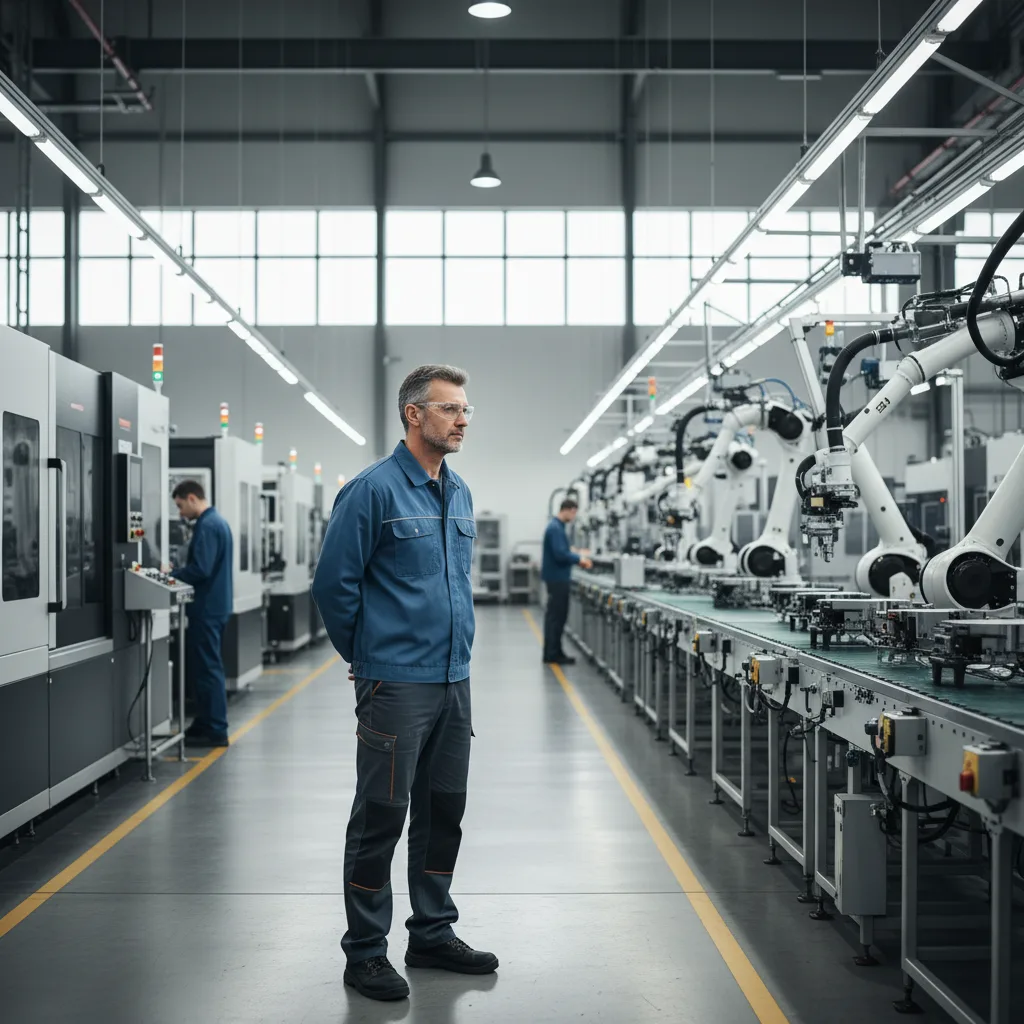
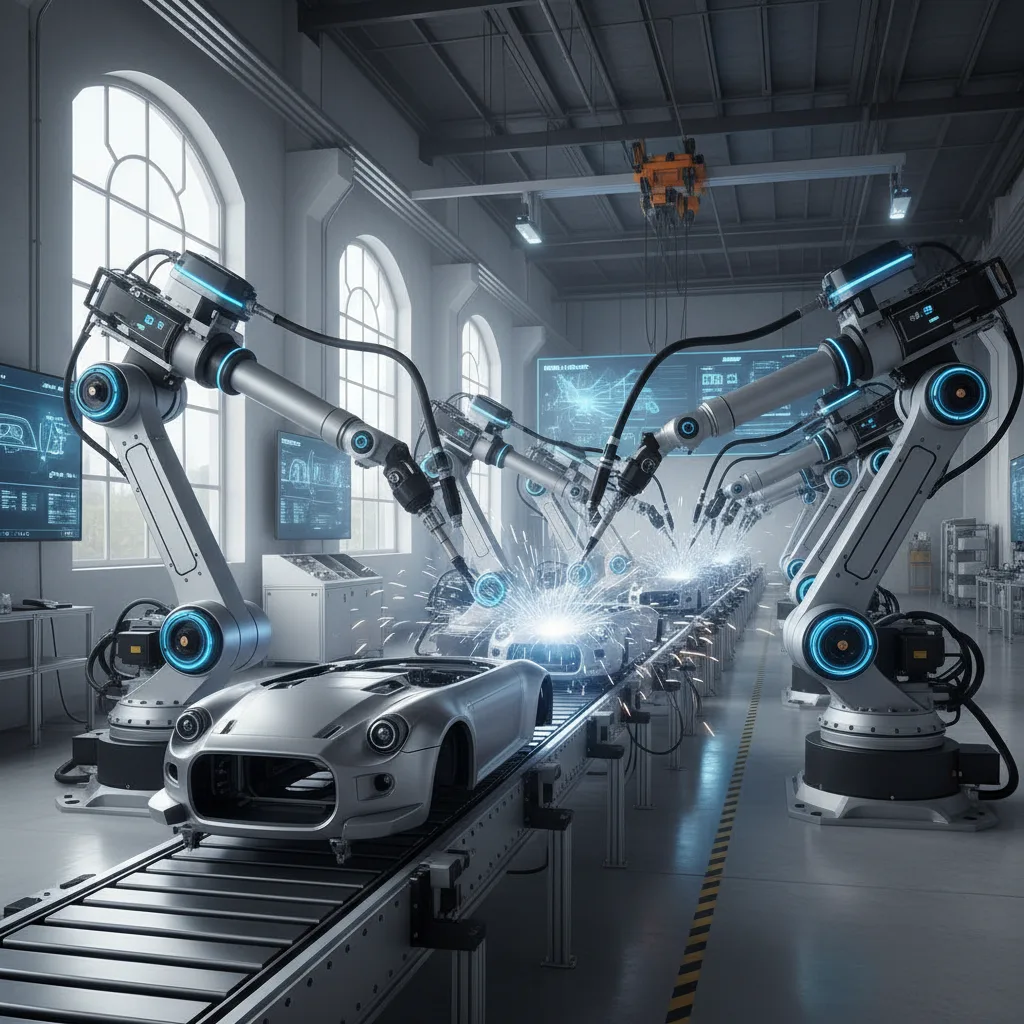
- Manufacturing: Robots have long been a staple in assembly lines, but advanced robotics with AI vision systems are now handling more complex tasks, from precision welding to quality control, reducing the need for manual labor.
- Customer Service: AI-powered chatbots and virtual assistants are taking over basic inquiries, scheduling, and support, especially in industries like banking, telecommunications, and retail. While they enhance efficiency, they can reduce the demand for human agents for initial contact.
- Data Entry and Clerical Work: AI algorithms can process and categorize vast amounts of information far quicker and more accurately than humans, impacting roles in administrative support, data processing, and even some accounting functions.
- Transportation: The advent of autonomous vehicles, from self-driving cars to delivery drones, promises to revolutionize logistics and freight, potentially displacing millions of drivers over time.
However, focusing solely on displacement paints an incomplete and often overly pessimistic picture. AI and automation are also powerful engines of job creation and augmentation.
Job Creation and Augmentation:
- New Roles: The development, deployment, and maintenance of AI systems create entirely new categories of jobs. These include AI engineers, machine learning specialists, data scientists, robotics technicians, AI ethicists, and prompt engineers (individuals skilled in crafting effective instructions for AI models).
- Enhanced Productivity: For many existing roles, AI doesn’t replace; it augments. Doctors use AI to analyze medical images for faster, more accurate diagnoses. Architects leverage generative AI to explore design possibilities. Financial analysts employ AI to predict market trends. This augmentation frees up human professionals to focus on higher-level tasks requiring creativity, critical thinking, and empathy.
- New Industries: AI fuels the creation of entirely new industries and services, from personalized medicine and smart city infrastructure to advanced virtual reality experiences, each requiring a diverse workforce. The World Economic Forum’s “Future of Jobs Report 2023” projected that while 83 million jobs might be displaced by 2027, 69 million new jobs could be created, leading to a net loss but also significant shifts in employment composition.

Reskilling and Upskilling: The Imperative for Workforce Adaptation in the Face of the Evolving Impact of AI and Automation on Jobs
To thrive in this evolving landscape, continuous learning and adaptation are paramount. Both individuals and organizations must embrace reskilling (learning new skills for a different job) and upskilling (enhancing existing skills to perform better in a current role).
Key Skills for the AI Age:
- Cognitive Flexibility and Adaptability: The ability to learn new tools, processes, and concepts quickly will be crucial as technology continues to evolve.
- Creativity and Innovation: AI excels at processing existing data, but human creativity remains essential for generating novel ideas, artistic expression, and out-of-the-box problem-solving.
- Critical Thinking and Complex Problem-Solving: While AI can offer solutions, humans are needed to define the problems, evaluate AI outputs, make nuanced judgments, and navigate ambiguous situations.
- Emotional Intelligence and Interpersonal Skills: Empathy, collaboration, negotiation, and leadership are inherently human strengths that AI cannot replicate. These skills will become even more valuable in roles requiring human interaction, team management, and customer relations.
- Digital Literacy and AI Fluency: Understanding how AI works, its capabilities, and its limitations is no longer just for tech professionals. Basic AI literacy will be as fundamental as computer literacy is today.
- Data Interpretation: As AI generates vast amounts of data and insights, the ability to interpret, contextualize, and derive meaning from this data will be a highly sought-after skill.
Actionable Strategies:
- Individual Level: Seek out online courses (e.g., Coursera, edX, LinkedIn Learning), vocational training, and certifications in emerging technologies or human-centric skills. Embrace lifelong learning as a personal philosophy.
- Organizational Level: Invest in comprehensive training programs for employees. Partner with educational institutions. Foster a culture of continuous learning and experimentation. Companies like Amazon have invested heavily in upskilling programs (e.g., “Upskilling 2025”) to prepare their workforce for future roles.
- Government Level: Implement policies that support workforce retraining, provide access to affordable education, and incentivize companies to invest in employee development.

New Industries and Economic Growth Driven by AI
Beyond individual job roles, AI is a catalyst for economic transformation, fostering entirely new industries and supercharging existing ones. This broader economic growth can, in turn, create new job opportunities, even if the nature of those jobs differs.
- Healthcare: AI is revolutionizing drug discovery, personalized medicine, diagnostics (e.g., detecting diseases from medical images with greater accuracy than human experts), and robotic surgery. This creates demand for bioinformaticians, AI-driven medical device engineers, and data privacy specialists in healthcare.
- Sustainable Technologies: AI optimizes energy grids, develops new materials for renewable energy, and enhances agricultural efficiency through precision farming. This fuels growth in green tech jobs, from AI-powered smart grid engineers to agricultural data analysts.
- Personalized Services: AI enables hyper-personalized experiences in education, entertainment, and retail. Adaptive learning platforms, AI-generated content, and tailored product recommendations open up roles in user experience design, content curation, and data-driven marketing.
- Advanced Robotics and Automation: The development of more sophisticated robots for logistics, elder care, and hazardous environments creates a demand for robotics engineers, maintenance technicians, and human-robot interaction specialists.
- Cybersecurity: As AI becomes more integrated into systems, the need for robust cybersecurity solutions, often AI-powered themselves, grows exponentially, leading to a surge in demand for cybersecurity analysts and AI security experts.
The increased productivity and efficiency brought by AI can lead to lower costs for goods and services, potentially freeing up consumer spending and stimulating demand in other sectors, including leisure, arts, and personal services, which are inherently human-centric.
Addressing the Broader Societal Impact of AI and Automation on Jobs: Ethical Considerations and Policy Responses
The widespread adoption of AI and automation also raises significant ethical and societal questions that demand thoughtful policy responses. Ignoring these could exacerbate existing inequalities and create new challenges.
Ethical Concerns:
- Algorithmic Bias: AI systems trained on biased data can perpetuate and even amplify societal prejudices, leading to unfair hiring practices, loan approvals, or even criminal justice outcomes.
- Data Privacy and Surveillance: The vast amounts of data required to train AI models raise concerns about individual privacy and the potential for misuse of personal information.
- Job Quality and Income Inequality: While AI may create high-paying, skilled jobs, it could also lead to a “hollowing out” of the middle class, with a proliferation of low-wage service jobs and a concentration of wealth among those who own or control AI technologies.
- The “Deskilling” Effect: Over-reliance on AI could potentially lead to a decline in certain human skills if tasks are entirely delegated to machines without opportunities for human oversight or development.
Policy Responses:
- Education Reform: Governments must invest in updating educational curricula from kindergarten to higher education, integrating AI literacy, computational thinking, and human-centric skills development.
- Social Safety Nets: Exploring options like Universal Basic Income (UBI) or robust social security systems could provide a safety net for those whose jobs are displaced, ensuring a dignified transition and preventing widespread poverty.
- Worker Protections and Transition Programs: Policies are needed to support displaced workers with retraining vouchers, career counseling, and assistance in finding new employment. This includes strengthening collective bargaining power to ensure fair transitions.
- Regulation and Governance: Establishing ethical guidelines and regulatory frameworks for AI development and deployment is crucial to mitigate risks like bias, ensure transparency, and protect data privacy. This could involve “AI audits” for fairness and accountability.
- Investment in Research and Development: Public funding for AI research can steer development towards beneficial societal applications and ensure equitable access to AI’s advantages.
The Human-AI Collaboration: Augmentation, Not Replacement
Perhaps the most optimistic and realistic vision for the future of work is one of human-AI collaboration, where machines augment human capabilities rather than simply replacing them. This paradigm shift emphasizes leveraging the strengths of both humans and AI.
- AI for Efficiency, Humans for Insight: AI can process millions of data points, identify patterns, and generate predictions with incredible speed. Humans can then use these insights to make strategic decisions, apply ethical judgment, and understand nuanced contexts that AI struggles with.
- Creative Partnerships: Artists use generative AI tools to create new forms of art, designers rapidly prototype ideas, and writers overcome writer’s block with AI-generated prompts. The human provides the vision and the final touch, while AI acts as a powerful co-creator.
- Enhanced Expertise: In fields like law, AI can sift through vast legal databases to find precedents, allowing lawyers to focus on complex argumentation and client relationships. In medicine, AI can assist in diagnosis, giving doctors more time for patient care and complex cases.
- Emotional Connection: AI can handle routine customer service, freeing human agents to deal with complex, emotionally charged, or unique customer issues that require empathy and nuanced communication.
The future isn’t about humans competing with machines; it’s about humans learning to effectively partner with intelligent tools. This requires a mindset shift from viewing AI as a competitor to seeing it as a powerful assistant that can elevate human potential.
Conclusion
The impact of AI and automation on jobs is a dynamic and evolving narrative, characterized by both profound challenges and unprecedented opportunities. While job displacement in certain sectors is inevitable, the creation of new roles, the augmentation of existing ones, and the emergence of entirely new industries offer a compelling vision for future prosperity.
Navigating this transformation successfully demands proactive engagement from all stakeholders. Individuals must embrace lifelong learning, cultivating uniquely human skills like creativity, critical thinking, and emotional intelligence. Businesses must invest in their workforce, fostering a culture of continuous adaptation. Governments must implement forward-thinking policies that support education, provide social safety nets, and establish ethical guidelines for AI development.
The future of work is not predetermined by technology alone; it will be shaped by the choices we make today. By embracing human-AI collaboration, fostering adaptability, and prioritizing ethical development, we can harness the power of AI and automation to build a more productive, innovative, and equitable future for all.