
AI & Education: Reshaping the Future of Teaching & Learning
Explore how Artificial Intelligence is revolutionizing education, redefining teaching methods, and personalizing learning experiences. Discover AI's impact on classrooms.
Artificial Intelligence and the Future of Teaching and Learning: A Transformative Guide
The world of education stands at the precipice of a profound transformation, driven by the relentless march of technological innovation. At the heart of this revolution is Artificial Intelligence (AI), a force poised to redefine every facet of how we teach, learn, and grow. Far from being a futuristic fantasy, AI is already weaving its way into classrooms and learning platforms, promising a future where education is more personalized, accessible, and effective than ever before. This comprehensive guide explores the multifaceted impact of Artificial Intelligence and the future of teaching and learning, delving into its potential to empower educators, engage students, and reshape the very landscape of knowledge acquisition.
AI-Powered Personalization: Tailoring Education to Every Learner
One of the most revolutionary promises of AI in education is its capacity for hyper-personalization. Traditional classrooms, often constrained by resources and time, struggle to cater to the unique learning styles, paces, and needs of every individual student. AI shatters these limitations, enabling an educational experience that truly adapts to the learner.
Adaptive learning platforms are at the forefront of this shift. These systems use AI algorithms to analyze a student’s performance, identify their strengths and weaknesses, and then dynamically adjust the curriculum, content difficulty, and instructional methods in real-time. For instance, platforms like Khanmigo, an AI guide integrated with Khan Academy, offer personalized tutoring, helping students with problem-solving or essay writing by guiding them through concepts rather than just providing answers. Similarly, Carnegie Learning’s MATHia uses AI to provide individualized math instruction, adapting to each student’s mastery level and offering targeted support.
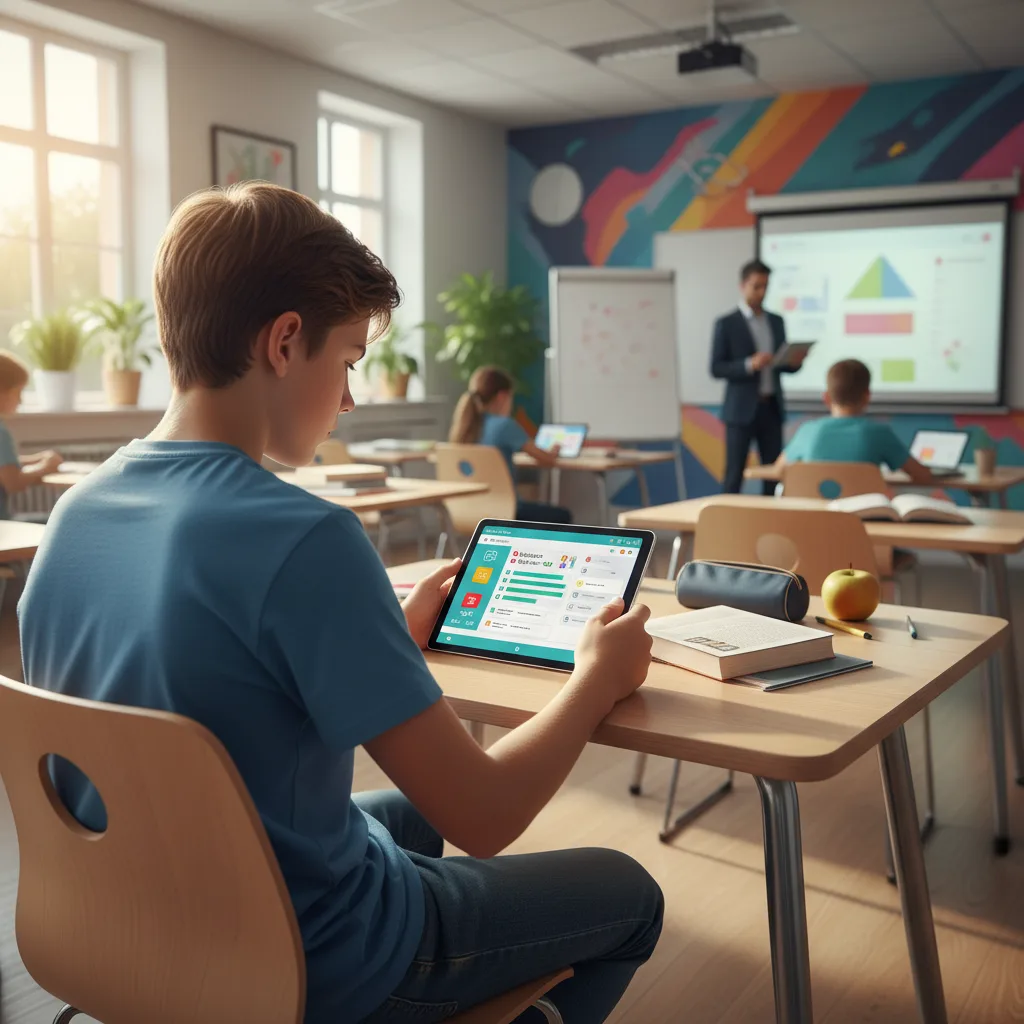
The benefits are clear: students can progress at their optimal pace, spending more time on challenging areas and less on concepts they’ve already mastered. This not only boosts academic performance but also fosters a deeper engagement and reduces frustration. Data from various pilot programs suggests that personalized learning approaches, often powered by AI, can lead to significant improvements in student outcomes, with some studies showing students mastering content faster and retaining it longer. AI can also recommend supplementary resources, connect students with peers facing similar challenges, and even predict potential learning difficulties before they become major roadblocks.
Empowering Educators: AI as an Assistant in Teaching and Learning
While the focus often shifts to student benefits, AI’s role in empowering educators is equally transformative. AI is not designed to replace teachers but to augment their capabilities, freeing them from mundane, time-consuming tasks and allowing them to focus on the invaluable human aspects of education: mentorship, critical thinking facilitation, and emotional support.
Consider the burden of administrative tasks. AI tools can automate routine grading of multiple-choice questions, short-answer responses, and even provide preliminary feedback on essays, allowing teachers to dedicate more time to nuanced assessments and individualized student conferences. Tools like Turnitin’s AI writing detection assist in maintaining academic integrity, while its feedback features can help students improve their writing.

AI can also revolutionize curriculum development. Teachers can leverage AI to generate lesson plan ideas, create diverse question banks, design engaging activities, or even summarize complex research articles relevant to their subject matter. This significantly reduces preparation time, allowing educators to innovate and refine their pedagogical approaches.
Furthermore, AI-driven student analytics provide teachers with unprecedented insights into classroom performance. These systems can identify trends, highlight students who might be struggling or excelling, and even predict future academic challenges. This data empowers teachers to intervene proactively, tailor their instruction more effectively, and ensure no student falls through the cracks. By offloading repetitive tasks, AI allows educators to reclaim their time and energy, dedicating it to what they do best: inspiring and guiding the next generation.
Expanding Access and Redefining Learning Environments with Artificial Intelligence
Artificial Intelligence and the future of teaching and learning also promise to break down geographical, linguistic, and physical barriers, making quality education more accessible to a global audience. AI is poised to democratize learning, opening doors to knowledge for millions.
One significant area is language translation. AI-powered real-time translation tools can facilitate communication in multilingual classrooms, enable students to access educational content from around the world, and foster global collaboration projects that were once logistically impossible. This is particularly impactful for refugees, immigrants, or students in remote areas who may lack access to resources in their native language.
Beyond language, AI is enhancing the learning experience through immersive technologies. Virtual Reality (VR) and Augmented Reality (AR), often powered by AI, are creating dynamic, interactive learning environments. Imagine medical students practicing complex surgeries in a virtual operating room, history students exploring ancient Rome through an AR overlay in their classroom, or science students conducting virtual experiments that would be too costly or dangerous in real life. These AI-driven simulations provide hands-on experiences that significantly deepen understanding and retention.
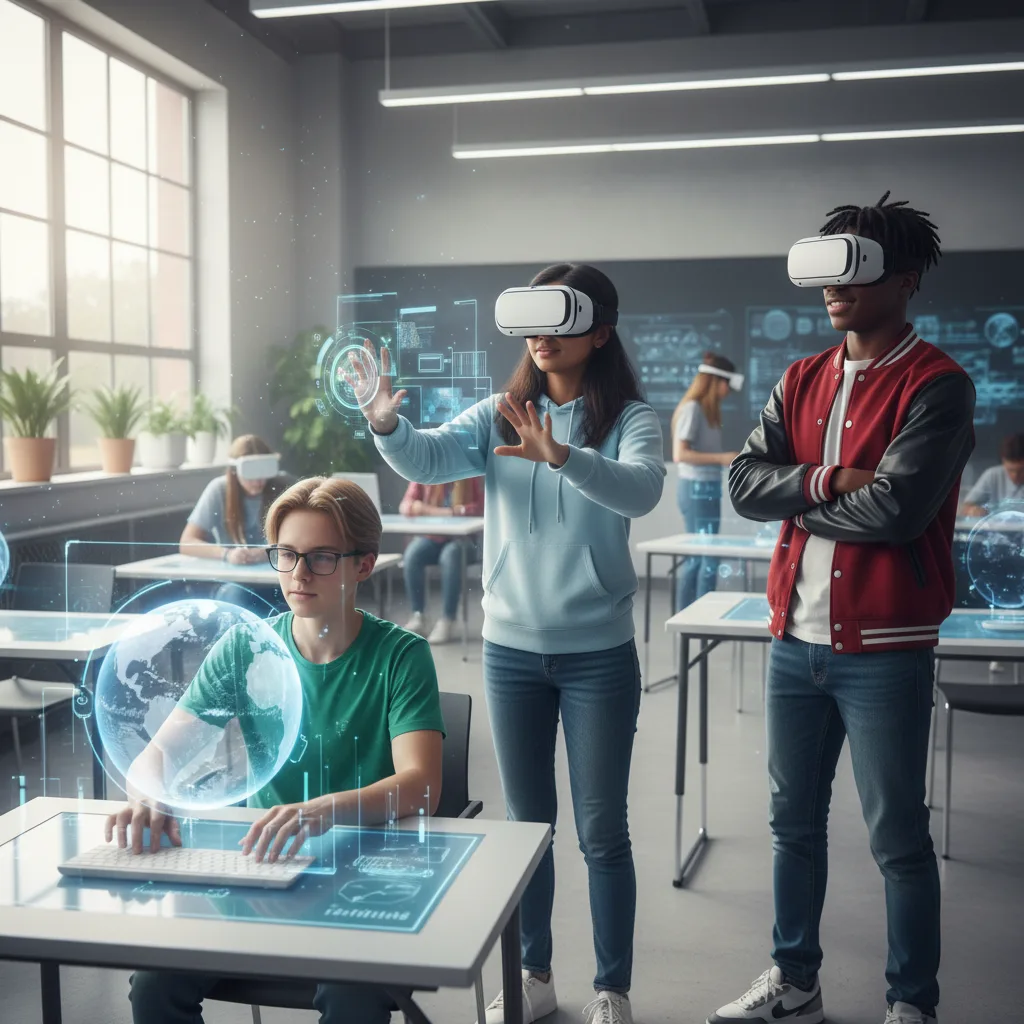
Moreover, AI-powered chatbots and virtual assistants can provide 24/7 support, answering student queries, guiding them through difficult concepts, or even providing emotional support. For students with disabilities, AI offers a wealth of assistive technologies, from text-to-speech readers and voice recognition software to intelligent captioning and personalized learning interfaces that adapt to specific accessibility needs, ensuring a more inclusive learning environment.
The Evolving Role of Skills and the Human Touch in an AI-Driven Future
As AI takes on more rote and analytical tasks, the skills deemed most valuable for students and educators will inevitably evolve. The future workforce will require individuals who can collaborate with AI, leverage its capabilities, and apply uniquely human attributes. Therefore, the future of teaching and learning with Artificial Intelligence must prioritize the development of these essential human skills.
For students, this means a greater emphasis on critical thinking, creativity, problem-solving, and complex communication. While AI can generate information, humans must learn to evaluate its veracity, synthesize diverse perspectives, and apply knowledge to novel situations. Ethical reasoning becomes paramount, as students will need to understand the societal implications of AI and make responsible decisions in an increasingly automated world. Furthermore, digital literacy extends beyond basic computer skills to encompass an understanding of how AI works, its limitations, and how to effectively prompt and interact with AI systems.
For educators, the role shifts from being primary disseminators of information to facilitators, mentors, and guides. Teachers will need to cultivate emotional intelligence and empathy, understanding the psychological impact of technology on students and fostering a supportive learning environment. Their focus will be on nurturing higher-order thinking, encouraging collaboration, and developing students’ unique talents that AI cannot replicate. The human touch—the ability to inspire, motivate, and connect on an emotional level—will become more valuable than ever, underscoring that while AI can personalize learning paths, it cannot replace the profound impact of a dedicated human educator.
Challenges and Ethical Considerations in Implementing AI in Education
While the potential of AI in education is immense, its widespread adoption is not without significant challenges and ethical considerations. A thoughtful and responsible approach is crucial to harness its benefits while mitigating potential risks.
One of the foremost concerns is data privacy and security. Educational AI systems often collect vast amounts of student data, from academic performance to behavioral patterns. Ensuring this sensitive information is protected from breaches and used ethically is paramount. Robust data governance policies and transparent practices are essential to build trust among students, parents, and educators.
Another critical issue is algorithmic bias. If AI models are trained on biased datasets, they can perpetuate or even amplify existing inequalities. For example, an AI tutor designed for a specific demographic might unintentionally disadvantage students from different backgrounds. Ensuring fairness, equity, and transparency in AI algorithms is a complex but vital task to prevent the creation of a new digital divide that entrenches existing disparities.
The cost of implementation and the digital divide itself pose practical hurdles. Advanced AI tools and the necessary infrastructure (high-speed internet, devices) can be expensive, potentially widening the gap between well-funded and under-resourced schools. Bridging this access gap is crucial to ensure AI benefits all students, not just a privileged few.
Finally, teacher training and professional development are indispensable. Educators must be equipped with the skills and knowledge to effectively integrate AI into their teaching practices, understand its capabilities and limitations, and guide students in its responsible use. Without adequate training, the transformative potential of AI will remain untapped, leading to frustration and underutilization. Over-reliance on AI, without critical oversight, could also stifle independent thought or creativity if not carefully managed.
Conclusion
The convergence of Artificial Intelligence and the future of teaching and learning heralds an era of unprecedented possibilities. From hyper-personalized learning experiences and empowered educators to expanded access and redefined skill sets, AI promises to make education more engaging, efficient, and equitable. It offers a powerful suite of tools to address the diverse needs of learners, streamline administrative burdens for teachers, and open up new frontiers of knowledge.
However, realizing this potential requires careful navigation of significant challenges, including data privacy, algorithmic bias, and equitable access. The successful integration of AI will not be about replacing the human element but rather augmenting it, allowing educators and students alike to unlock their fullest potential. The future of teaching and learning is a collaborative one, where human ingenuity and AI capabilities intertwine to create a richer, more effective, and profoundly human-centric educational experience. By embracing AI thoughtfully and ethically, we can forge a future where learning is truly limitless.