
AI in Supply Chain: Leadership for Future-Proofing Ventures
Explore how AI is revolutionizing supply chains and the essential leadership skills entrepreneurs need to future-proof their ventures in the global economy. Adapt and thrive.
AI in Supply Chain: Leadership Skills for Future-Proofing Entrepreneurial Ventures
In an increasingly complex and interconnected global economy, the supply chain stands as the backbone of every entrepreneurial venture. From raw materials to the final product delivered to the customer, its efficiency, resilience, and adaptability directly impact a business’s survival and growth. We are currently witnessing a paradigm shift driven by Artificial intelligence (AI), transforming traditional supply chain models into intelligent, predictive, and autonomous networks. For entrepreneurs looking to future-proof their ventures, understanding and strategically implementing AI in supply chain operations is no longer optional but a critical imperative. This comprehensive guide will explore the essential leadership skills required to navigate this AI revolution, ensuring your business not only survives but thrives in the decades to come.
The AI Revolution: Reshaping the Modern Supply Chain Landscape
AI is not merely a technological upgrade; it’s a fundamental reimagining of how supply chains operate. By leveraging vast amounts of data, AI algorithms can identify patterns, predict outcomes, and automate decisions with unprecedented accuracy and speed. The market for AI in supply chain management is projected to grow significantly, with reports indicating it could reach over $21 billion by 2027, driven by its ability to deliver tangible benefits.
Consider these transformative applications:
- Predictive Demand Forecasting: AI analyzes historical sales data, market trends, social media sentiment, and even weather patterns to predict future demand with greater precision than traditional methods. This reduces overstocking (and associated carrying costs) and understocking (preventing lost sales). For instance, retailers like Zara famously use data analytics to rapidly adjust production and inventory based on real-time fashion trends.
- Optimized Inventory Management: Beyond forecasting, AI dynamically adjusts inventory levels across multiple locations, minimizing holding costs while ensuring product availability. It can flag slow-moving items for strategic clearance or identify potential stock-outs before they occur.
- Intelligent Logistics and Route Optimization: AI algorithms analyze traffic conditions, delivery schedules, fuel prices, and vehicle capacity to determine the most efficient routes and delivery methods. Companies like Amazon utilize sophisticated AI systems to optimize their vast logistics network, ensuring rapid and cost-effective last-mile delivery.
- Enhanced Supplier Relationship Management: AI can assess supplier performance, identify potential risks (e.g., financial instability, geopolitical disruptions), and even automate contract negotiations, fostering more robust and reliable supply networks.
- Quality Control and Predictive Maintenance: AI-powered vision systems can detect defects on production lines faster and more accurately than human inspectors. In logistics, sensors combined with AI can predict when machinery or vehicles might fail, allowing for proactive maintenance and preventing costly downtime.

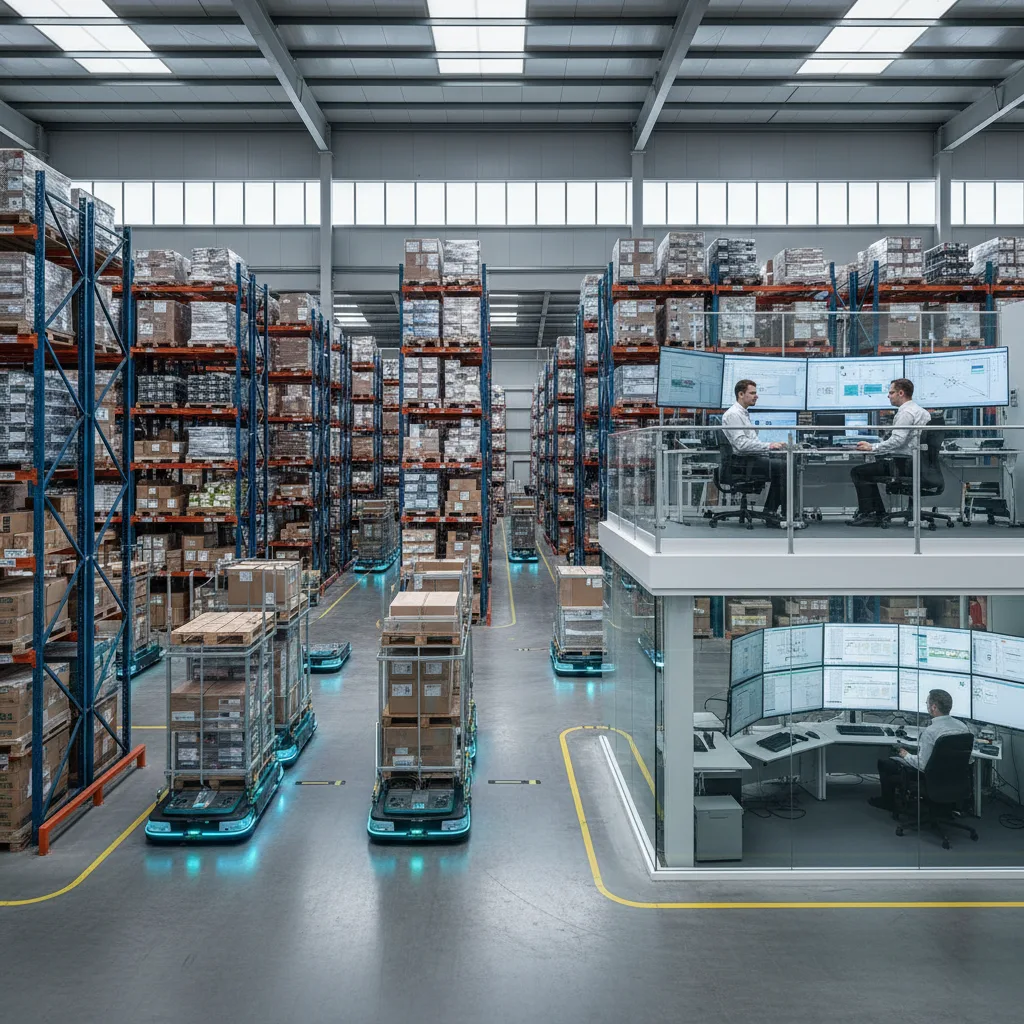
The sheer volume of data generated throughout the supply chain — from IoT sensors on factory floors to GPS trackers on delivery trucks — provides the fuel for AI’s capabilities. Leaders who grasp this potential are already positioning their ventures for a competitive edge.
Essential Leadership Skills for Navigating AI in Supply Chain
Successfully integrating AI requires more than just technical know-how; it demands a new breed of leadership. Entrepreneurs must cultivate specific skills to strategically deploy AI and harness its full potential within their supply chains.
1. Visionary Leadership and Strategic Acumen
The most crucial skill is the ability to envision how AI can fundamentally transform your business model, not just incrementally improve existing processes. This involves:
- Defining an AI Strategy: Developing a clear, long-term roadmap for AI adoption that aligns with overall business objectives. This isn’t about chasing every new gadget but identifying where AI can create the most significant strategic advantage.
- Identifying Opportunities: Leaders must possess the foresight to spot areas within their supply chain where AI can deliver maximum impact – whether it’s reducing waste, improving customer satisfaction, or enhancing resilience.
- Communicating the Vision: Inspiring teams and stakeholders about the potential of AI, articulating how it will create value and secure the venture’s future.
2. Data Literacy and Analytics Acumen
AI is only as good as the data it processes. Leaders don’t need to be data scientists, but they must be data literate. This means:
- Understanding Data Quality: Recognizing the importance of clean, accurate, and relevant data. Poor data inputs lead to poor AI outputs (garbage in, garbage out).
- Interpreting AI Insights: Being able to understand the conclusions drawn by AI models, question their assumptions, and translate complex analytical findings into actionable business decisions.
- Ethical Data Use: Ensuring data collection and AI deployment adhere to privacy regulations and ethical guidelines, building trust with customers and partners.
3. Change Management and Adaptability
Implementing AI often means significant shifts in processes, roles, and organizational culture. Leaders must be adept at managing this transition:
- Fostering a Culture of Learning: Encouraging continuous learning and upskilling within the workforce. AI will augment human capabilities, not entirely replace them, necessitating new skills for interacting with AI systems.
- Overcoming Resistance: Addressing fear and skepticism among employees by clearly communicating the benefits of AI, providing adequate training, and involving them in the transformation process.
- Agile Mindset: Embracing experimentation and iteration. AI implementation is rarely a one-off project; it requires continuous refinement and adaptation based on performance and evolving business needs.
4. Cross-Functional Collaboration and Ecosystem Building
AI initiatives often span multiple departments – IT, operations, sales, procurement. Effective leaders must break down silos:
- Promoting Collaboration: Facilitating seamless communication and cooperation between different teams to ensure AI solutions are integrated effectively across the entire supply chain.
- Strategic Partnerships: Recognizing when to collaborate with external AI experts, technology providers, or even competitors to leverage specialized knowledge and resources.
- Vendor Management: Skillfully selecting and managing AI vendors, ensuring their solutions integrate well with existing systems and deliver promised value.
Future-Proofing Entrepreneurial Ventures with AI in Supply Chain
The ultimate goal of adopting AI in supply chain management is to build a more resilient, efficient, and competitive business. For entrepreneurial ventures, this translates directly into future-proofing.
- Enhanced Resilience: AI-powered risk assessment and predictive analytics allow businesses to anticipate disruptions (e.g., natural disasters, geopolitical events, supplier failures) and develop contingency plans proactively. This was starkly evident during the COVID-19 pandemic, where companies with more advanced digital capabilities adapted faster.
- Increased Agility: With real-time insights and automated decision-making, businesses can respond to market changes, customer demands, or unforeseen events much more quickly. This agility is crucial for startups and SMEs operating in dynamic markets.
- Cost Optimization: AI identifies inefficiencies, reduces waste, optimizes inventory, and streamlines logistics, leading to significant cost savings that can be reinvested into growth or passed on to customers for a competitive pricing advantage.
- Superior Customer Experience: Faster, more reliable deliveries, personalized product recommendations, and proactive communication about potential delays all contribute to higher customer satisfaction and loyalty.
- Sustainable Practices: AI can optimize resource usage, reduce carbon footprints through efficient routing, and identify sustainable sourcing options, aligning with growing consumer and regulatory demands for environmental responsibility.
Consider the example of Flexport, a modern freight forwarder that leverages AI and data analytics to provide real-time visibility and optimization for global shipping. By digitizing a traditionally opaque industry, Flexport offers entrepreneurs unprecedented control and insight into their international supply chains, enabling them to make faster, more informed decisions and mitigate risks. This level of transparency and efficiency was previously unattainable for many smaller businesses.
Overcoming Challenges and Building a Resilient AI-Powered Supply Chain
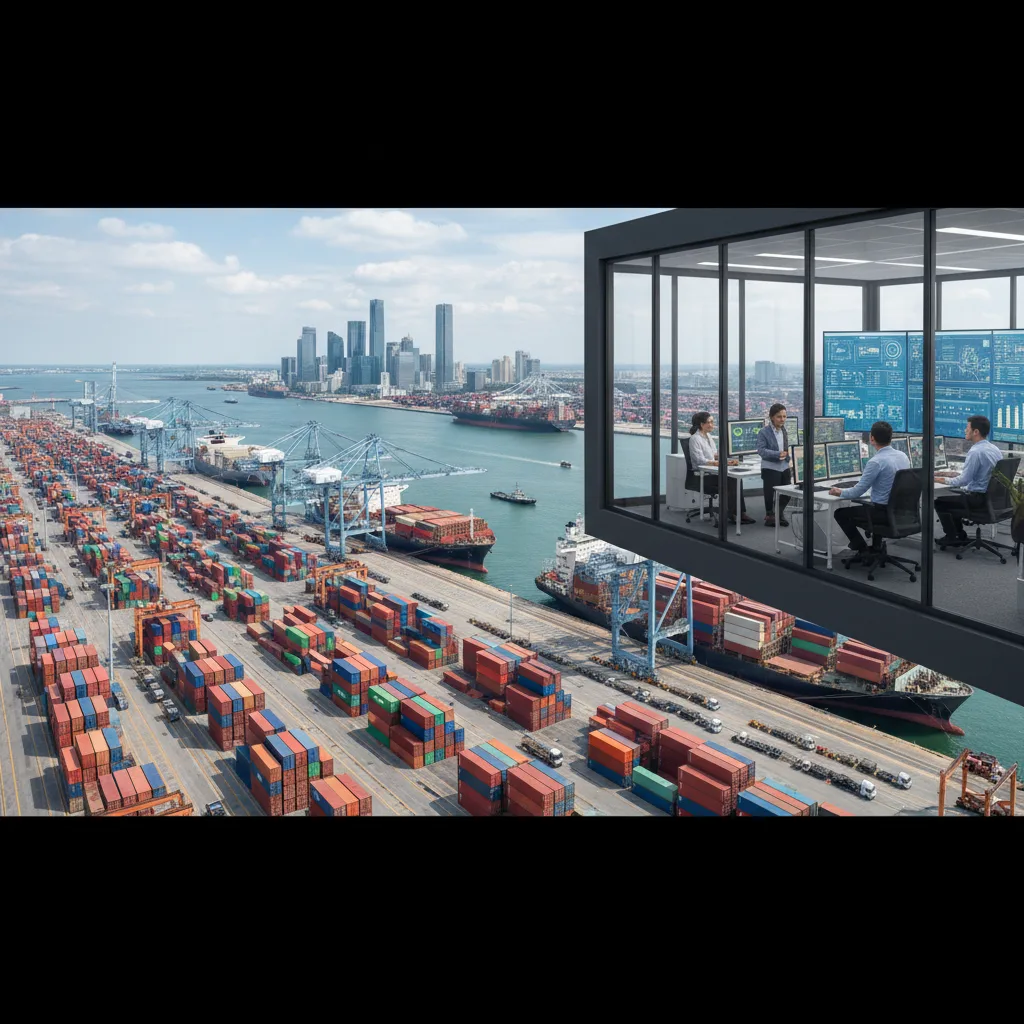
While the benefits are clear, implementing AI in supply chains is not without its hurdles. Leaders must anticipate and strategically address these challenges:
- Data Quality and Integration: Many organizations struggle with fragmented data across disparate systems. Investing in data governance, standardization, and robust integration platforms is paramount.
- Cybersecurity Risks: AI systems, especially those connected across a supply chain, present new cybersecurity vulnerabilities. Robust security protocols, threat detection, and incident response plans are essential.
- Talent Gap: The shortage of skilled AI professionals and data scientists can hinder adoption. Leaders must invest in upskilling existing staff and strategically recruiting new talent.
- Cost and ROI Justification: Initial investments in AI technology can be substantial. Leaders need a clear framework for measuring return on investment, focusing on both tangible (cost savings) and intangible (improved resilience, customer loyalty) benefits.
- Ethical Considerations: Ensuring AI algorithms are fair, unbiased, and transparent, particularly when making decisions that impact human workers or suppliers, requires continuous oversight and ethical guidelines.
Strong leadership mitigates these risks by fostering a proactive approach, prioritizing strategic investments, and cultivating a culture that views challenges as opportunities for innovation and learning.
Conclusion
The convergence of AI and supply chain management represents a monumental shift for entrepreneurial ventures. It offers an unparalleled opportunity to build more intelligent, resilient, and efficient operations capable of navigating the complexities of the 21st-century global market. However, realizing this potential hinges not solely on technology, but profoundly on leadership.
Entrepreneurs must evolve beyond traditional management paradigms, embracing visionary thinking, data literacy, adaptability, and collaborative leadership as core competencies. By strategically integrating AI in supply chain operations, fostering a culture of continuous learning, and proactively addressing ethical and practical challenges, leaders can truly future-proof their ventures. The journey to an AI-powered supply chain is ongoing, but for those willing to lead the charge, the rewards are immense: enhanced competitiveness, sustainable growth, and an enduring legacy in an ever-changing world. The time to cultivate these essential leadership skills for the AI era is now.