
Ancient Egypt Timeline: Unveiling Its Rise, Golden Ages & Fall
Explore the captivating Ancient Egypt timeline. Uncover the dynamic cycles of innovation, imperial expansion, and profound beliefs that defined this iconic civilization's rise and fall.
Unveiling the Ancient Egypt Rise and Fall Timeline: A Journey Through Millennia
Welcome to TrendSeek, where we dive deep into the epochs that shaped our world. Few civilizations captivate the human imagination quite like Ancient Egypt. Its monumental architecture, enigmatic pharaohs, and profound spiritual beliefs have left an indelible mark on history. But Egypt was not an unchanging monolith; it was a dynamic entity, experiencing cycles of astonishing innovation, imperial expansion, and periods of fragmentation and foreign domination. Understanding the ancient Egypt rise and fall timeline is key to appreciating its enduring legacy and the forces that shaped its destiny.
Join us as we journey through more than three millennia, exploring the pivotal moments that saw this extraordinary civilization ascend to unparalleled heights, weather devastating storms, and eventually, fade into the annals of history as an independent pharaonic state.
The Dawn of Dynasties: Laying the Foundations of Ancient Egypt’s Rise (c. 3100 – 2686 BC)
Before the grand pyramids pierced the desert sky, Egypt was a land of disparate settlements along the fertile Nile. The groundwork for its eventual rise was laid during the Predynastic Period, characterized by distinct cultural groups like the Naqada, who developed early forms of agriculture, pottery, and social hierarchies. The crucial turning point came with the unification of Upper and Lower Egypt. While historical details are debated, tradition credits King Narmer (often identified with Menes) around 3100 BC with this monumental achievement. His famed Narmer Palette depicts him wearing the crowns of both lands, symbolizing the birth of a unified nation.
This unification marked the beginning of the Early Dynastic Period (Dynasties 1-2). The capital was established at Memphis, strategically located at the junction of Upper and Lower Egypt. During this era, the concept of the pharaoh as a divine ruler, a living god on Earth, began to solidify. This belief provided the ideological bedrock for thousands of years of Egyptian governance. Early forms of hieroglyphic writing developed, allowing for sophisticated administration and the recording of history, rituals, and myths. Tombs at Abydos and Saqqara, though modest compared to later structures, demonstrate increasing architectural ambition and the burgeoning belief in an elaborate afterlife. The consolidation of power, the establishment of a centralized administration, and the development of a unique religious and cultural identity were the initial, powerful steps in ancient Egypt’s remarkable rise.
The Golden Age of Pyramids: Unpacking the Old Kingdom’s Zenith and Early Challenges (c. 2686 – 2181 BC)
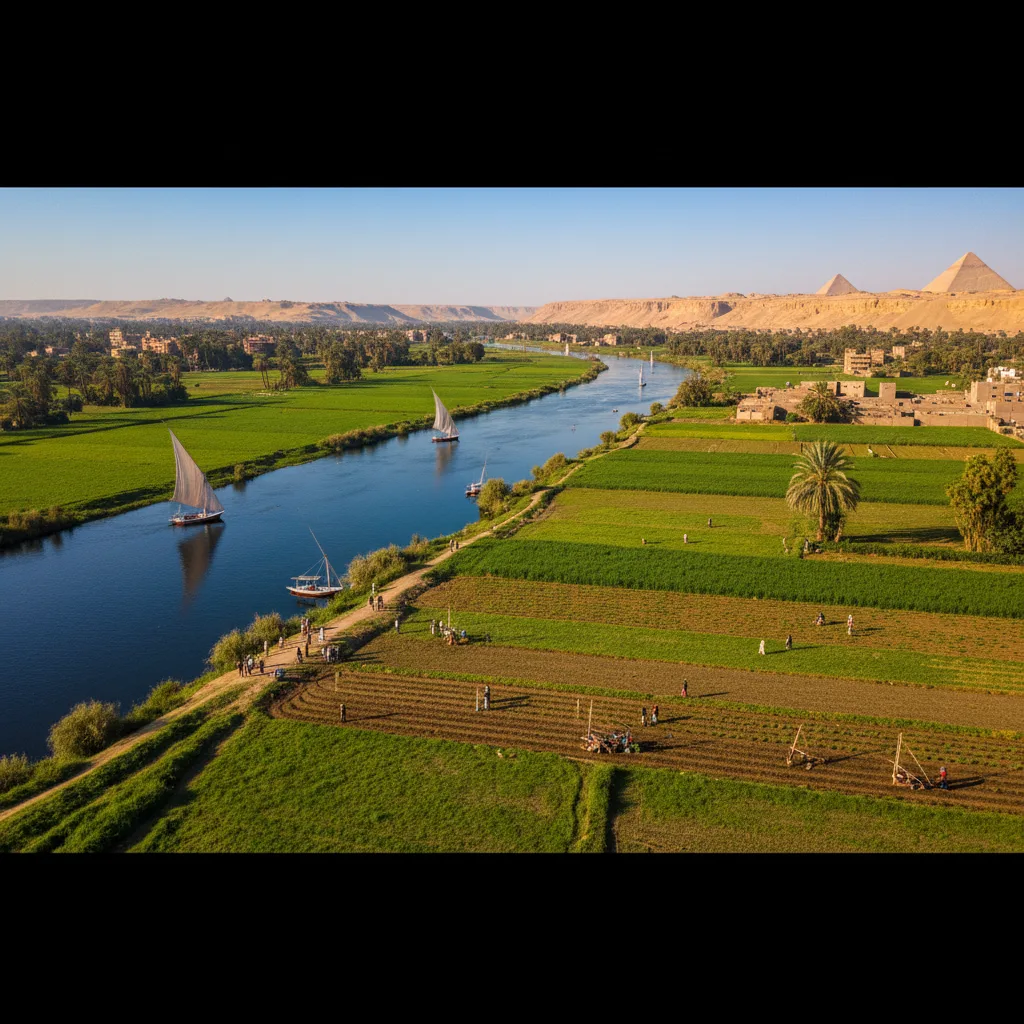
The Old Kingdom (Dynasties 3-6) represents the zenith of pharaonic power, artistic achievement, and administrative efficiency – a true golden age. This era is synonymous with the iconic pyramids, testaments to an organized labor force, advanced engineering, and an unshakeable belief in the pharaoh’s divinity and eternal journey.
The architect Imhotep ushered in this age with the revolutionary Step Pyramid of Djoser at Saqqara (c. 2630 BC), the world’s first large-scale stone structure. This innovation paved the way for the true pyramids of Dynasty 4. King Sneferu (c. 2613-2589 BC) experimented with pyramid construction, resulting in the Bent Pyramid and the Red Pyramid at Dashur, refining techniques that would soon reach their peak. His son, Khufu (c. 2589-2566 BC), commissioned the Great Pyramid of Giza, an engineering marvel that remained the tallest man-made structure for over 3,800 years. His successors, Khafre (who built the second pyramid and the Great Sphinx) and Menkaure, completed the Giza complex, creating one of the most enduring symbols of ancient civilization.
The Old Kingdom was characterized by:
- Highly centralized government: Power emanated directly from the pharaoh.
- Vast bureaucracy: Officials managed every aspect of the kingdom, from tax collection to irrigation.
- Religious stability: The cult of Ra, the sun god, gained prominence.
- Artistic conventions: Established styles of sculpture, relief carving, and painting that would largely endure for millennia.
However, even this period of unparalleled strength harbored the seeds of future decline. The immense resources poured into pyramid building, the increasing power and autonomy of nomarchs (provincial governors), and a series of low Nile floods potentially exacerbated by climate shifts, began to strain the central authority. By the end of Dynasty 6, the pharaoh’s power waned, leading to a period of decentralization and internal strife, marking the first significant ‘fall’ in the ancient Egypt rise and fall timeline.
From Chaos to Revival: Resilience and Rebirth in the Middle Kingdom (c. 2181 – 1782 BC)
The collapse of the Old Kingdom ushered in the First Intermediate Period (FIP) (Dynasties 7-11), a turbulent era often described as Egypt’s “Dark Ages.” Central authority disintegrated, and Egypt fractured into competing regional power bases. Nomarchs ruled their provinces independently, and civil wars were common. Famine and social upheaval were widespread, reflected in pessimistic literature of the time. This period vividly illustrates the fragility of even a great civilization without strong central leadership.
Yet, Egypt possessed an extraordinary capacity for resilience. From the south, the city of Thebes rose to prominence. Mentuhotep II (c. 2055-2004 BC), a pharaoh of Dynasty 11, successfully reunified Egypt after decades of conflict, establishing the Middle Kingdom (Dynasties 11-13). This period is often seen as a cultural renaissance.
Key characteristics of the Middle Kingdom include:
- Re-establishment of strong central government: Though nomarchs retained some power, they were more closely controlled.
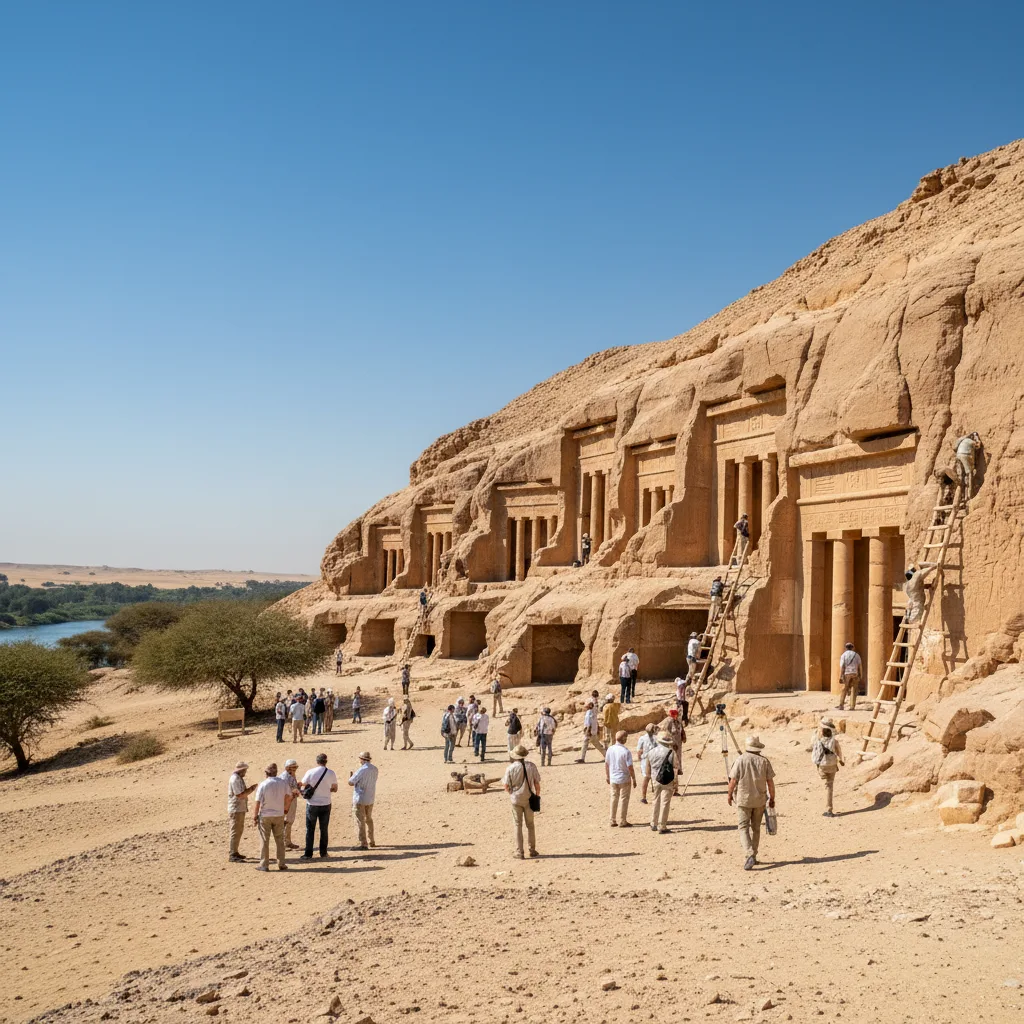
- Shift in royal burial practices: Pyramids were smaller and less elaborate; rock-cut tombs became more common.
- Literary flourishing: This was the classical age of Egyptian literature, producing masterpieces like “The Story of Sinuhe” and “The Eloquent Peasant.”
- Expansion: Pharaohs like Sesostris III (c. 1878-1841 BC) extended Egyptian control into Nubia (modern Sudan) to secure trade routes and resources, building formidable fortresses.
- Rise of the cult of Osiris: Emphasizing personal piety and the possibility of an afterlife for all, not just the pharaoh.
Despite its achievements, the Middle Kingdom eventually succumbed to internal pressures and external threats. A succession of weaker pharaohs and increasing immigration of foreign peoples into the Delta region, particularly from the Levant, gradually weakened central control, paving the way for the next period of fragmentation.
Imperial Grandeur: The New Kingdom and the Apex of Egyptian Power (c. 1550 – 1070 BC)
The Middle Kingdom’s decline led to the Second Intermediate Period (SIP) (Dynasties 14-17), another era of disunity. The most significant development was the rise of the Hyksos (“rulers of foreign lands”), a group of Semitic peoples who gained control of the Delta and established their capital at Avaris. The Hyksos introduced new military technologies, such as the horse-drawn chariot and compound bow, which would revolutionize Egyptian warfare. While initially seen as invaders, their rule spurred Egyptian innovation.
The expulsion of the Hyksos by Ahmose I (c. 1550-1525 BC) marked the dawn of the New Kingdom (Dynasties 18-20), the most glorious and expansionist phase of ancient Egypt. Learning from the Hyksos, the Egyptians adopted their military innovations and transformed their army into a formidable fighting force, leading to the creation of a vast empire.
Highlights of the New Kingdom:
- Hatshepsut (c. 1479-1458 BC): One of Egypt’s most successful female pharaohs, known for extensive trade expeditions (e.g., to the Land of Punt) and magnificent building projects, including her mortuary temple at Deir el-Bahari.
- Thutmose III (c. 1479-1425 BC): Often called the “Napoleon of Egypt,” he led numerous military campaigns, conquering vast territories in the Near East and Nubia, establishing Egypt as the dominant power in the region.
- Akhenaten (c. 1353-1336 BC): A revolutionary pharaoh who attempted to impose a monotheistic worship of the sun disk, Aten, moving the capital to Amarna. His religious reforms were largely reversed by his successor, the famous Tutankhamun.
- Ramesses II (The Great) (c. 1279-1213 BC): One of the longest-reigning and most prolific builders, known for the Battle of Kadesh against the Hittites (one of the earliest recorded peace treaties), and monumental temples like Abu Simbel and the Ramesseum.
The wealth flowing into Egypt from tribute and trade fueled an unparalleled artistic and architectural boom. The Valley of the Kings became the royal necropolis, filled with elaborate tombs. However, this imperial grandeur came at a cost. Constant warfare, the growing power of the Amun priesthood, and internal corruption began to erode the pharaoh’s authority. Towards the end of the New Kingdom, Egypt faced external threats from the mysterious Sea Peoples and internal strife, leading to another period of decline.
The Long Sunset: Tracing the Decline and Fall of Ancient Egypt’s Independence (c. 1070 BC – 30 BC)
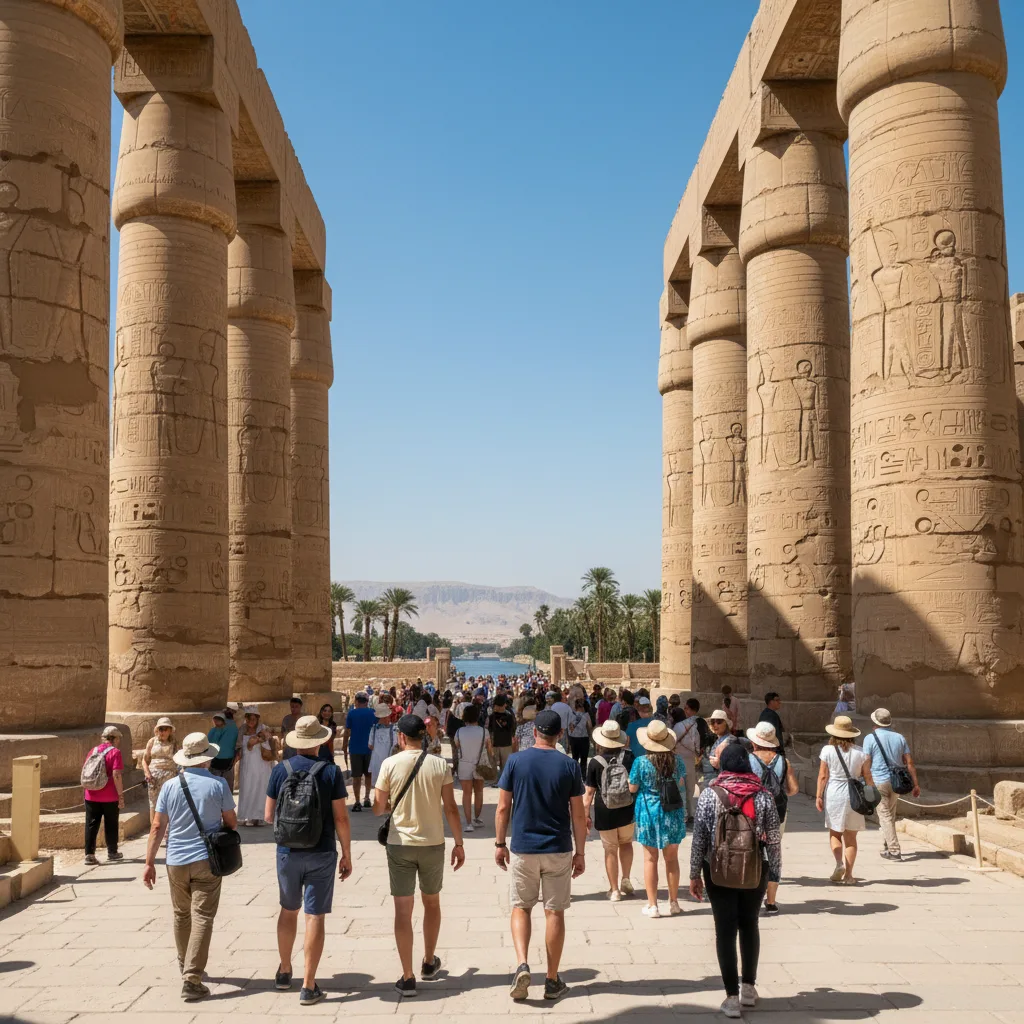
Following the New Kingdom, Egypt entered its protracted decline. The Third Intermediate Period (Dynasties 21-25) saw the country once again fragmented, with powerful local rulers, Libyan chieftains, and eventually Nubian (Kushite) pharaohs from the south ruling Egypt. The once-mighty empire was a shadow of its former self, vulnerable to external powers.
The Late Period (Dynasties 26-31) was characterized by a series of foreign dominations interspersed with brief periods of independence:
- Assyrian Conquest (c. 671 BC): The Neo-Assyrian Empire briefly conquered Egypt, ending Nubian rule.
- Saite Renaissance (Dynasty 26): A period of renewed independence and cultural revival under pharaohs from Sais, who attempted to emulate the glories of the Old Kingdom.
- First Persian Conquest (525 BC): The Achaemenid Persian Empire, under Cambyses II, conquered Egypt, incorporating it as a satrapy.
- Brief Independence (Dynasties 28-30): Rebellions led to intermittent periods of Egyptian rule.
- Second Persian Conquest (343 BC): Persian rule was re-established, marking the last native Egyptian dynasty.
The final chapter in the ancient Egypt rise and fall timeline as an independent pharaonic state came with the arrival of Alexander the Great in 332 BC. Egypt welcomed him as a liberator from Persian rule. Upon his death, his general Ptolemy I Soter established the Ptolemaic Dynasty (305-30 BC), a Hellenistic kingdom that ruled Egypt for nearly three centuries. Alexandria, founded by Alexander, became a vibrant center of Greek culture and learning, boasting the famous Library and Lighthouse.
The Ptolemies, though Greek, adopted many pharaonic traditions to legitimize their rule. The last and most famous of these rulers was Cleopatra VII. Her strategic alliances with Roman leaders Julius Caesar and Mark Antony were desperate attempts to preserve Egypt’s independence against the burgeoning power of Rome. Her defeat alongside Mark Antony by Octavian (later Emperor Augustus) at the Battle of Actium in 31 BC sealed Egypt’s fate. In 30 BC, Egypt officially became a Roman province, marking the definitive end of its long and illustrious history as an independent kingdom ruled by pharaohs.
Conclusion: Enduring Legacy of the Ancient Egypt Rise and Fall Timeline
The ancient Egypt rise and fall timeline is not a simple linear progression but a cyclical narrative of innovation, consolidation, fragmentation, and rebirth. From the unification under Narmer to the grandeur of the Old Kingdom pyramids, the resilience of the Middle Kingdom, the imperial might of the New Kingdom, and its eventual absorption into greater empires, Egypt’s story is one of remarkable adaptability and enduring cultural strength.
While the pharaohs eventually vanished and foreign powers took control, the legacy of Ancient Egypt lived on. Its contributions to architecture, art, religion, writing, and administration profoundly influenced subsequent civilizations. The temples, tombs, and hieroglyphs continue to speak to us across the millennia, reminding us of a civilization that mastered the art of living and dying, leaving behind a timeless testament to human ingenuity and the cyclical nature of power. The journey through the rise and fall of this magnificent civilization offers invaluable insights into the dynamics of history, reminding us that even the mightiest empires are subject to the ebb and flow of time.