
AI & Future of International Trade: Global Commerce Reshaped
Uncover the profound impact of AI on international trade. This guide explores how artificial intelligence is transforming global commerce, from ancient routes to modern efficiency.
Artificial Intelligence and the Future of International Trade: A Comprehensive Guide
The gears of global commerce have always been in motion, driven by innovation and the relentless pursuit of efficiency. From ancient trade routes to modern container ships, each era has brought its own technological marvels. Today, we stand at the precipice of another transformative epoch, one profoundly reshaped by artificial intelligence and the future of international trade. AI is not just another tool; it’s a foundational shift, promising to redefine how goods, services, and capital flow across borders, making global markets more interconnected, efficient, and complex than ever before. For businesses, policymakers, and consumers alike, understanding this evolving landscape is no longer optional—it’s imperative for navigating the complexities and harnessing the immense opportunities that lie ahead.
AI’s Foundational Impact on Global Supply Chains
At the heart of international trade lies the intricate web of global supply chains. These networks, responsible for moving raw materials, components, and finished products across continents, are often characterized by their complexity, vulnerability to disruptions, and inherent inefficiencies. This is where AI is already making its most profound and tangible impact.
Predictive analytics, powered by machine learning algorithms, allows companies to forecast demand with unprecedented accuracy. By analyzing vast datasets—including historical sales, economic indicators, weather patterns, social media trends, and even geopolitical events—AI can predict consumer behavior and market shifts, enabling businesses to optimize inventory levels, reduce waste, and prevent stockouts. For instance, major retailers like Amazon leverage AI extensively to predict what customers will buy and where, strategically positioning inventory to minimize delivery times and costs.
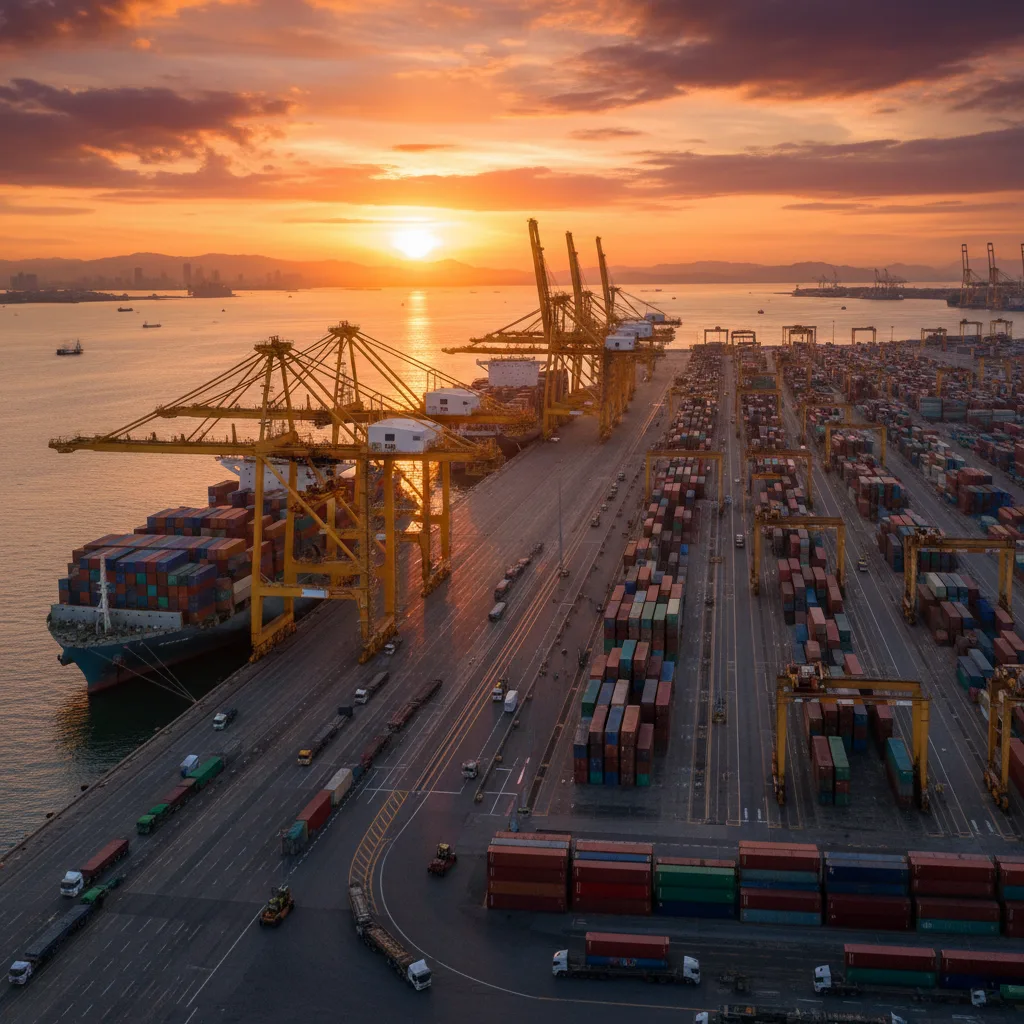
Beyond forecasting, AI is revolutionizing logistics automation. Route optimization algorithms can calculate the most efficient shipping paths, considering factors like traffic, fuel prices, port congestion, and geopolitical risks. Companies like Maersk are investing heavily in AI to streamline their vast shipping operations, predicting vessel arrival times and optimizing container placement. Warehouses are becoming increasingly automated, with AI-driven robots handling sorting, picking, and packing, significantly speeding up operations and reducing labor costs. This automation extends to last-mile delivery, where AI helps plan efficient routes for delivery drivers and, in some cases, powers autonomous delivery vehicles and drones. The result is a supply chain that is not only faster and more cost-effective but also more resilient and adaptable to unforeseen disruptions, from natural disasters to pandemics.
Navigating Trade Barriers and Compliance with AI
One of the most significant hurdles in international trade is the labyrinthine world of trade barriers, tariffs, customs regulations, and compliance requirements. These complexities often lead to delays, increased costs, and errors, especially for small and medium-sized enterprises (SMEs) lacking dedicated legal or compliance teams. AI offers powerful solutions to demystify and automate these processes.
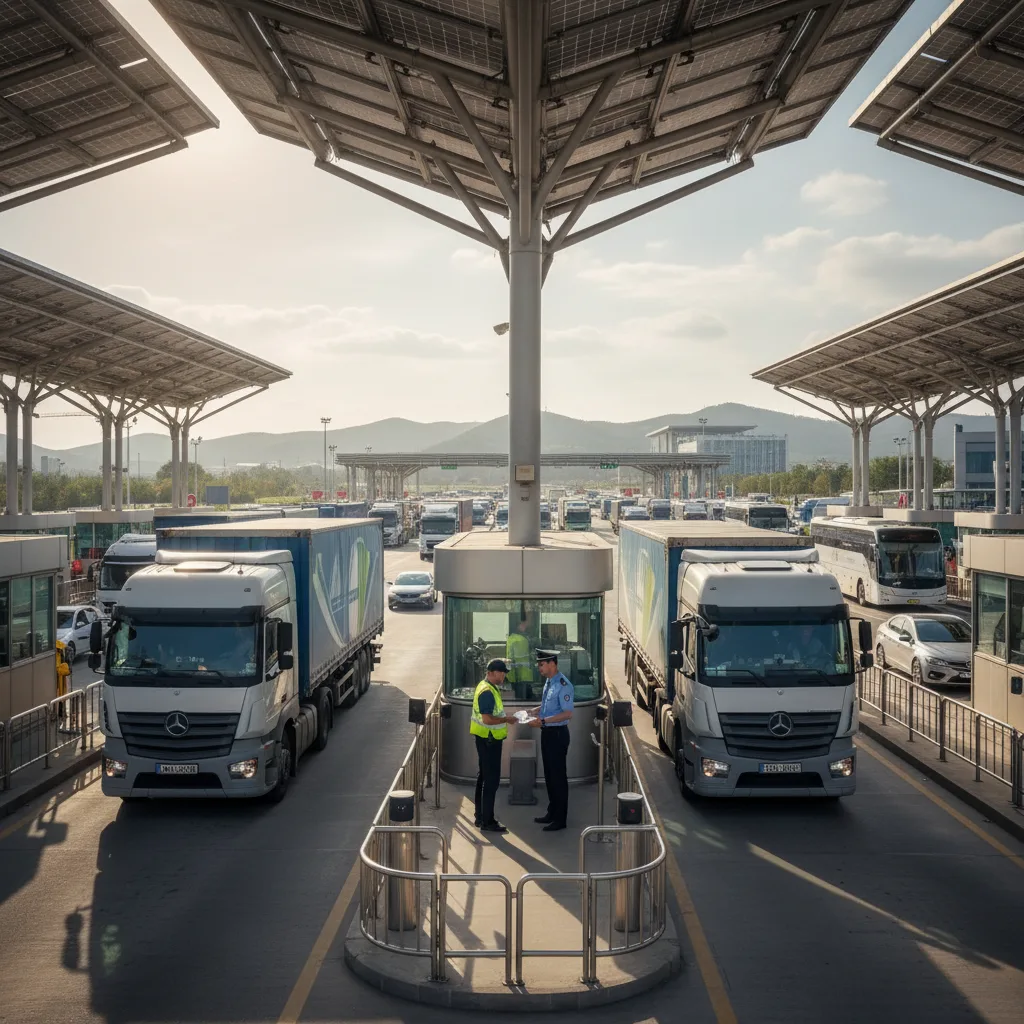
AI-powered platforms can perform tariff classification with remarkable accuracy and speed. By analyzing product descriptions, materials, and intended uses, these systems can assign the correct Harmonized System (HS) codes, ensuring compliance with import/export duties and regulations across different countries. This automation drastically reduces the risk of misclassification penalties and speeds up customs clearance. Similarly, AI can screen transactions against vast databases of trade sanctions, export controls, and restricted party lists, flagging potential violations in real-time. This capability is invaluable for risk management and preventing illicit trade activities, enhancing security and integrity across global transactions.
Furthermore, AI is transforming trade finance. Blockchain technology, often integrated with AI, is creating more transparent and secure platforms for letters of credit, guarantees, and invoice financing. AI can analyze financial data to assess creditworthiness, detect fraud, and automate document verification, speeding up financial transactions and reducing the associated risks. Startups like TradeFlow and traditional banks are exploring how AI and blockchain can create more efficient and accessible trade finance options, particularly for SMEs in emerging markets. By automating compliance checks and streamlining financial processes, AI is poised to lower the barriers to entry for global trade, fostering greater participation and economic inclusion.
Reshaping Market Access and Competitive Advantage through AI
For businesses looking to expand their global footprint, identifying promising new markets and understanding diverse consumer preferences can be a daunting task. AI provides a potent toolkit for gaining unparalleled market intelligence and crafting highly targeted strategies, thereby reshaping market access and competitive advantage.
AI algorithms can sift through colossal amounts of data—including demographic information, social media conversations, news articles, economic reports, and competitor analysis—to pinpoint emerging markets and niche segments with high growth potential. This customer segmentation capability allows companies to understand specific cultural nuances, purchasing behaviors, and unmet needs in different regions, enabling them to tailor products, services, and marketing campaigns with precision. For example, an e-commerce platform could use AI to identify a surging demand for sustainable fashion in a specific European country, then adapt its inventory and promotional strategies accordingly.
Beyond market identification, AI facilitates personalized trade experiences. E-commerce giants already use AI to recommend products based on browsing history and purchase patterns, but this extends internationally. AI can dynamically translate product descriptions, customer reviews, and support interactions, breaking down language barriers and making cross-border shopping feel seamless. Dynamic pricing models, powered by AI, can adjust prices in real-time based on demand, competitor pricing, exchange rates, and local purchasing power, maximizing revenue and market penetration. This level of personalization and responsiveness allows businesses to forge stronger connections with international customers and outmaneuver competitors relying on more traditional, one-size-fits-all approaches. The ability to quickly adapt to local tastes and market conditions, driven by AI insights, becomes a significant source of competitive advantage in the global arena.
The Evolving Landscape of International Trade and AI: Opportunities and Challenges
While the benefits of AI in international trade are compelling, its widespread adoption also heralds an evolving landscape fraught with both immense opportunities and significant challenges. Understanding these broader implications is crucial for charting a responsible and prosperous path forward.

The primary opportunities lie in unprecedented efficiency gains, reduced operational costs, and the democratization of trade. AI can unlock new business models, allowing smaller companies to compete on a global scale by leveraging automated market research, streamlined logistics, and accessible trade finance. It can foster innovation, leading to new products and services tailored for global consumption. Furthermore, by improving supply chain resilience, AI can mitigate the economic shocks caused by disruptions, contributing to greater global stability.
However, this transformation is not without its challenges. One of the most frequently cited concerns is job displacement. As AI automates routine tasks in logistics, customs, and administrative roles, a significant portion of the workforce may require reskilling and upskilling to adapt to new roles focused on AI management, data analysis, and creative problem-solving. This necessitates robust educational and training programs.
Another critical challenge revolves around data governance and privacy. International trade relies on the secure and compliant exchange of vast amounts of sensitive data. Different countries have varying data protection laws (e.g., GDPR), creating complex compliance hurdles. Ensuring the ethical use of AI, preventing algorithmic bias, and safeguarding against cyber threats become paramount. The digital divide also poses a risk; countries and businesses lacking the infrastructure, resources, or expertise to adopt AI may fall further behind, exacerbating global inequalities. Finally, the geopolitical implications are profound, as nations vie for AI supremacy, potentially leading to new forms of trade protectionism or digital trade wars focused on data flows and AI intellectual property. Navigating these complex ethical, social, and political dimensions will be as critical as the technological advancements themselves.
Preparing for the AI-Powered Future of International Trade
To successfully harness the power of artificial intelligence and the future of international trade, proactive strategies are essential for both businesses and policymakers. This isn’t a passive evolution; it demands deliberate action and strategic foresight.
For businesses, preparing for an AI-powered future involves several key steps:
- Invest in AI Literacy and Talent: Cultivate a workforce that understands AI’s capabilities and limitations. This means upskilling existing employees and attracting new talent with expertise in data science, machine learning, and AI ethics.
- Build Robust Data Infrastructure: AI thrives on data. Companies must invest in systems for collecting, storing, processing, and securing high-quality data. Establishing clear data governance policies is crucial for compliance and effective AI deployment.
- Embrace Strategic Partnerships: No single company can master every aspect of AI. Collaborating with AI solution providers, research institutions, and even competitors can accelerate adoption and innovation.
- Start Small, Scale Smart: Begin with pilot projects to test AI solutions in specific areas (e.g., predictive maintenance, optimized routing) before scaling up. Learn from these initial implementations and adapt strategies.
- Prioritize Cybersecurity: As reliance on digital systems grows, so does the risk of cyberattacks. Robust cybersecurity measures are non-negotiable to protect sensitive trade data and AI models.
For policymakers and governments, the role is equally vital:
- Develop Adaptable Regulatory Frameworks: Create regulations that foster innovation while addressing ethical concerns, data privacy, and potential job displacement. These frameworks must be flexible enough to evolve with rapidly advancing technology.
- Invest in Digital Infrastructure: Ensure widespread access to high-speed internet and digital tools, especially in developing economies, to prevent a widening digital divide.
- Foster AI Research and Development: Support academic and private sector research in AI, particularly in areas relevant to trade, to maintain a competitive edge and drive future innovation.
- Promote International Cooperation: Collaborate on global standards for AI ethics, data governance, and interoperability to facilitate seamless cross-border trade and prevent regulatory fragmentation.
- Implement Workforce Transition Programs: Design and fund educational and retraining initiatives to help workers adapt to new job roles created by AI, ensuring a just transition.
Conclusion: Charting a Course in the AI-Driven Global Economy
The confluence of artificial intelligence and the future of international trade is not a distant vision but a rapidly unfolding reality. AI is fundamentally altering every facet of global commerce, from the precision of demand forecasting and the efficiency of logistics to the complexities of compliance and the personalization of market access. It promises a future of unprecedented efficiency, resilience, and interconnectedness, potentially democratizing trade and unlocking new avenues for economic growth.
However, this transformative power comes with a responsibility to address significant challenges, including job displacement, data privacy, algorithmic bias, and the potential for a widening digital divide. The path forward demands proactive engagement, strategic investment, and collaborative efforts from businesses, governments, and international organizations. By embracing AI as a strategic imperative, fostering innovation responsibly, and prioritizing ethical considerations, we can collectively chart a course toward a more inclusive, efficient, and prosperous AI-driven global economy. The future of international trade is not just about technology; it’s about how we choose to wield it for the betterment of all.