Austin TX Sustainable Living: Your Essential Eco-Friendly Guide
Discover how to embrace sustainable living in Austin, TX. Explore progressive policies, community engagement, and eco-conscious tips to reduce your footprint and connect with nature in this vibrant city.
Your Essential Sustainable Living Guide: Austin, TX Edition
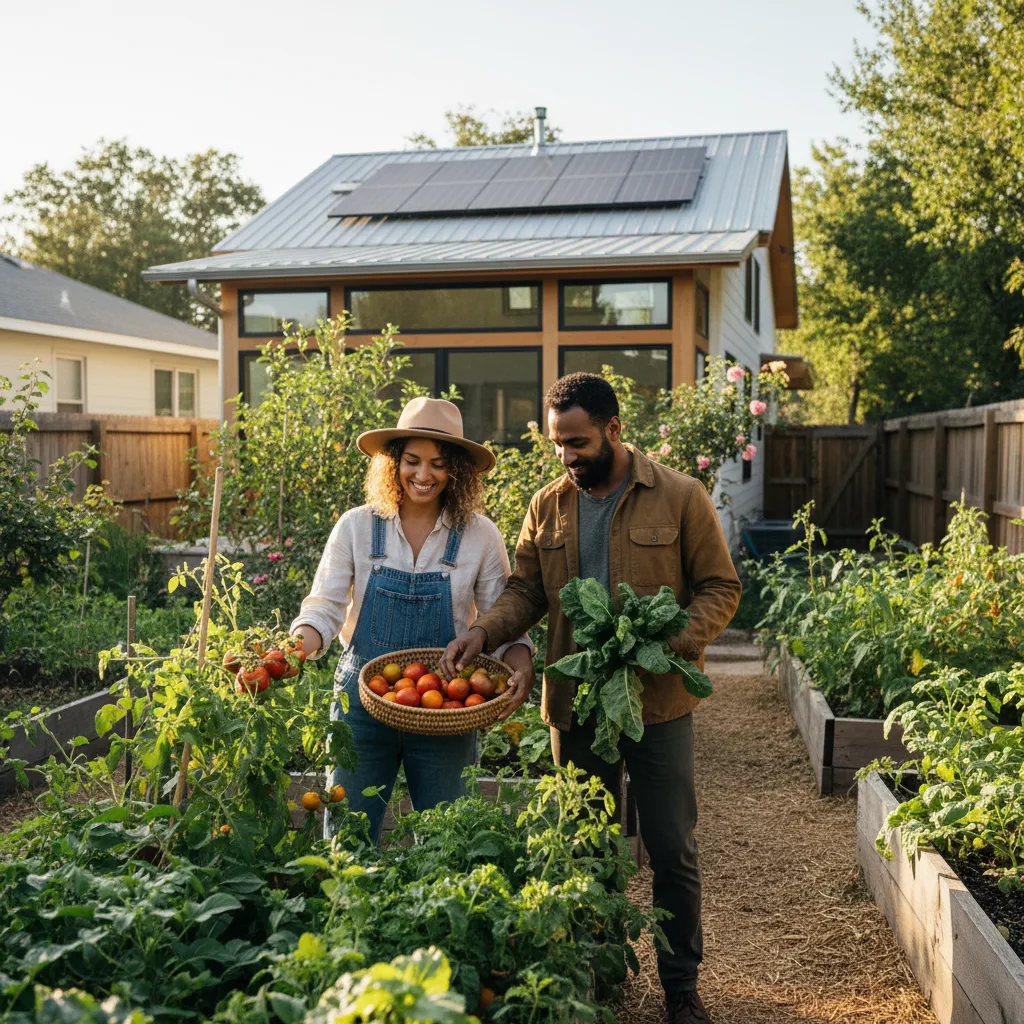
Austin, Texas, a city renowned for its vibrant culture, live music scene, and “Keep Austin Weird” ethos, is also rapidly establishing itself as a trailblazer in environmental stewardship. With its progressive policies, strong community engagement, and abundant natural beauty, Austin offers a fertile ground for embracing an eco-conscious lifestyle. If you’re looking to reduce your environmental footprint, connect with nature, and contribute to a healthier planet, this sustainable living guide Austin TX will equip you with the knowledge and resources to thrive as an eco-conscious resident. From green homes to local food systems, and mindful consumption to community activism, Austin provides countless opportunities to integrate sustainability into your daily life.
Why Austin is a Hub for Sustainable Living
Austin’s commitment to sustainability is deeply woven into its municipal fabric and community spirit. The city has set ambitious goals, including achieving net-zero community-wide greenhouse gas emissions by 2040 and reaching a 90% zero waste diversion rate by 2040. These targets are supported by a range of innovative programs and initiatives that make sustainable choices accessible and attractive for residents.
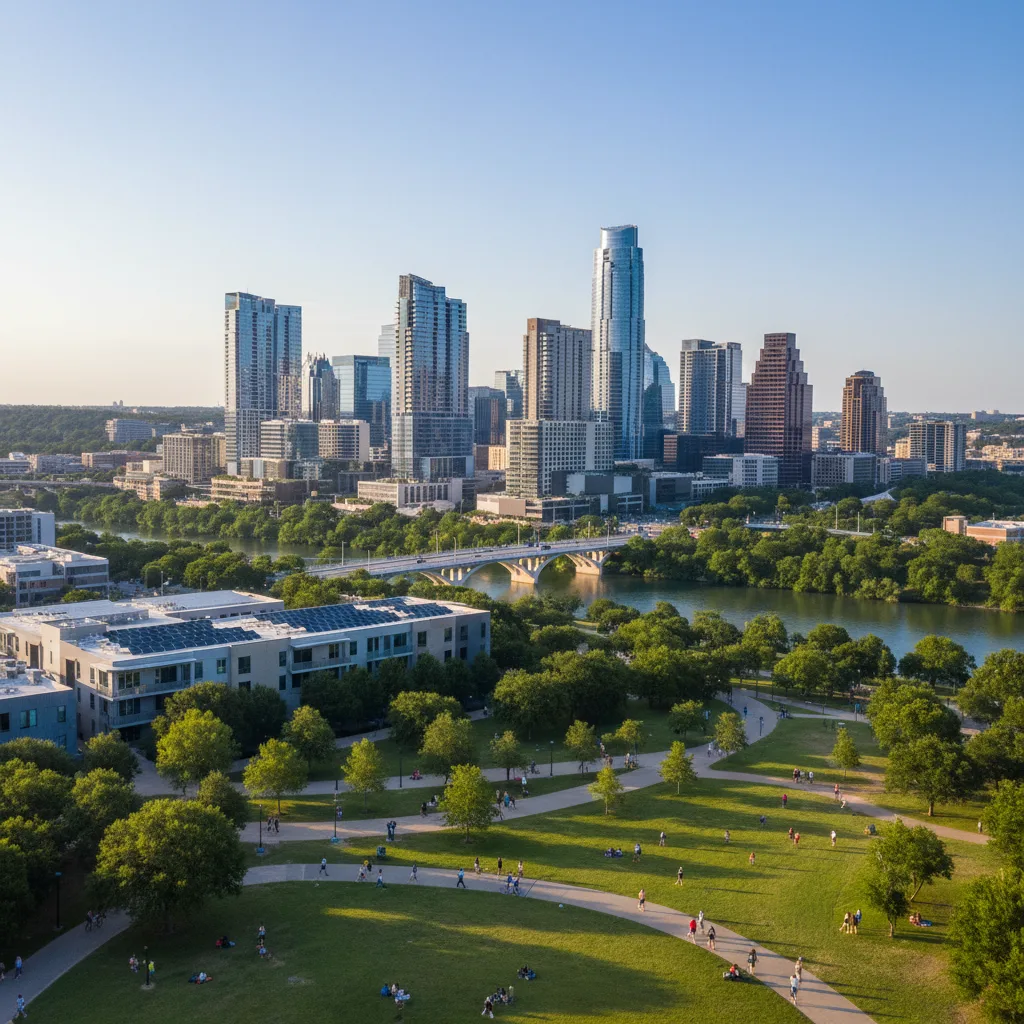
The city’s natural landscape, featuring the Colorado River, Zilker Park, and the surrounding Hill Country, fosters a strong appreciation for environmental preservation. Austinites are known for their love of the outdoors, leading to a grassroots movement that champions conservation, local food, and renewable energy. Organizations like the Austin Energy Green Building program, established in 1991, were pioneers in certifying sustainable construction long before it became mainstream, demonstrating the city’s forward-thinking approach. This blend of top-down policy and bottom-up community action makes Austin an ideal place to explore and practice sustainable living.

Green Homes & Energy: Building a Sustainable Life in Austin
Your home is often the starting point for a sustainable lifestyle, and Austin provides numerous resources to make your dwelling more eco-friendly. From energy efficiency to water conservation, there are practical steps you can take to lessen your impact.
- Energy Efficiency & Renewable Power: Austin is served by Austin Energy, the nation’s 8th largest publicly owned electric utility, which is a leader in renewable energy. They offer various programs to help residents reduce energy consumption and adopt solar power:
- Rebates for Energy-Efficient Upgrades: Austin Energy provides incentives for insulation, HVAC systems, smart thermostats, and window replacements, significantly lowering the cost of making your home more efficient.
- Solar Programs: For homeowners interested in solar, Austin Energy offers rebates and competitive buy-back rates for excess energy produced. This makes investing in rooftop solar an economically viable and environmentally responsible choice. The city aims for 65% of its power generation to come from renewable sources by 2027.
- GreenChoice Program: Even if you can’t install solar panels, you can opt into Austin Energy’s GreenChoice program, ensuring that 100% of your electricity comes from local Texas wind and solar farms.
- Water Conservation: As a city in a drought-prone region, Austin places a high priority on water conservation. Austin Water offers:
- Water-Wise Rebates: Incentives for installing high-efficiency toilets, smart irrigation controllers, and rainwater harvesting systems.
- Landscape Design Resources: Encouraging native and adaptive plants that require less water, such as those found at the Lady Bird Johnson Wildflower Center. Using xeriscaping principles can drastically reduce your outdoor water use.
- Green Building & Renovation: When building or renovating, consider working with Austin Energy Green Building (AEGB) certified professionals. AEGB provides ratings for residential and commercial projects, guiding builders and homeowners toward sustainable materials, efficient designs, and healthier indoor environments. Look for homes with features like recycled content materials, passive solar design, and low-VOC paints.

Nourishing Your Body & Planet: Sustainable Food Systems in Austin
Eating sustainably in Austin means supporting local farmers, reducing food waste, and making conscious choices about what you consume. The city’s vibrant food scene offers abundant options for every palate.
- Farmers Markets & CSAs: Austin boasts a thriving network of farmers markets that connect consumers directly with local producers. The Sustainable Food Center (SFC) operates several popular markets, including the SFC Farmers’ Market Downtown and at Sunset Valley, offering fresh, seasonal produce, pastured meats, and artisanal goods. Joining a Community Supported Agriculture (CSA) program, such as those offered by Johnson’s Backyard Garden or Boggy Creek Farm, ensures you receive a weekly share of fresh, organic produce directly from a farm, fostering a deeper connection to your food source.
- Local & Organic Grocery Options: Beyond markets, many local grocery stores prioritize stocking locally sourced and organic products. Whole Foods Market, which originated in Austin, and local co-ops like Wheatsville Food Co-op are excellent places to find ethically sourced ingredients. Look for labels that certify organic, fair trade, or locally grown produce.
- Plant-Based & Sustainable Dining: Austin is a haven for plant-based eaters, with an ever-growing number of vegan and vegetarian restaurants. Many establishments also emphasize sourcing ingredients from nearby farms, minimizing their carbon footprint. Support restaurants that proudly showcase their local suppliers and sustainable practices.
- Reducing Food Waste: Food waste is a significant contributor to landfill emissions. Austin’s Curbside Composting program is a game-changer for residents, allowing you to compost food scraps, yard trimmings, and soiled paper directly from your home. This diverts organic material from landfills, creating nutrient-rich compost instead. For items that can’t be composted or eaten, consider donating edible surplus food to organizations like the Central Texas Food Bank.
Conscious Consumption & Waste Reduction: Your Austin Sustainable Living Guide
Minimizing waste and making thoughtful purchasing decisions are cornerstones of sustainable living. Austin’s commitment to its Zero Waste by 2040 goal provides numerous opportunities for residents to participate.
- Recycling & Composting Programs: Austin Resource Recovery (ARR) manages the city’s comprehensive recycling and composting programs.
- Curbside Recycling: Most residents have access to single-stream recycling for plastics (1-5), paper, cardboard, glass, and metal. Familiarize yourself with what is and isn’t accepted to avoid contamination.
- Curbside Composting: As mentioned, this program is essential for diverting food scraps and yard waste.
- Special Item Collections: ARR offers services for hard-to-recycle items like electronics (e-waste), hazardous waste, and bulky items, often through drop-off centers or special collection events.
- Reduce & Reuse: Before recycling, prioritize reducing consumption and reusing items.
- Thrift Stores & Consignment: Austin has a vibrant second-hand market. Explore shops like Buffalo Exchange, Pavement, or local charity thrift stores for clothing, furniture, and household goods.
- Repair Cafes: Look for local events where volunteers help you repair broken items, from electronics to clothing, extending their lifespan and reducing waste.
- Austin Creative Reuse: This unique center collects donated reusable materials from businesses and individuals and makes them available to the community for creative projects, diverting tons of waste from landfills.
- Bulk Shopping: Bring your reusable containers to stores like Wheatsville Food Co-op or Natural Grocers to buy staples like grains, nuts, and cleaning supplies in bulk, reducing packaging waste.
- Sustainable Shopping Choices: When you do buy new, choose products that are:
- Durable and long-lasting.
- Made from recycled or sustainably sourced materials.
- Locally produced, reducing transportation emissions.
- Ethically made, supporting fair labor practices.
Embracing Eco-Friendly Transportation: A Key Part of Sustainable Living in Austin
Navigating Austin sustainably means rethinking your commute and daily travel. While Austin is known for its traffic, the city is actively investing in alternatives to single-occupancy vehicle use.
- Public Transportation with CapMetro: Capital Metro (CapMetro) is Austin’s public transit provider, offering an extensive network of bus routes, including express services, and the Capital MetroRail commuter rail line. Using public transit significantly reduces your carbon footprint, alleviates traffic congestion, and can often be more cost-effective than driving and parking.
- Real-time Tracking: Utilize the CapMetro app or website for real-time bus and train tracking, making your commute more predictable.
- Bike & Ride: Most CapMetro buses are equipped with bike racks, allowing you to combine cycling with public transit for longer distances.
- Biking & Walking: Austin is increasingly bike-friendly, with miles of dedicated bike lanes, shared-use paths, and greenbelts.
- Austin B-cycle: The city’s bike-share program offers convenient access to bicycles for short trips around downtown and surrounding neighborhoods.
- Urban Trails: Explore the Ann and Roy Butler Hike-and-Bike Trail around Lady Bird Lake or the Southern Walnut Creek Trail for scenic and car-free routes.
- Pedestrian Infrastructure: Many neighborhoods, particularly those closer to downtown, are becoming more walkable, with improved sidewalks and pedestrian crossings.
- Electric Vehicles (EVs) & Carpooling:
- Charging Infrastructure: Austin Energy has been proactive in installing EV charging stations throughout the city, making electric vehicle ownership more practical. They also offer rebates for home charger installation.
- Carpooling & Ridesharing: For trips where public transit or biking isn’t feasible, consider carpooling with friends or colleagues. Ridesharing apps also often offer carpool options.
Community & Advocacy: Strengthening Austin’s Green Movement
Sustainable living extends beyond individual actions; it thrives through collective effort and advocacy. Austin’s strong community spirit provides ample opportunities to connect with like-minded individuals and contribute to broader environmental goals.
- Volunteer with Local Environmental Groups: Numerous organizations are working to protect and enhance Austin’s environment. Consider volunteering with:
- TreeFolks: Focused on planting and caring for trees, vital for urban canopy and air quality.
- Keep Austin Beautiful: Organizes cleanups, beautification projects, and environmental education.
- Sierra Club Austin: Engages in advocacy for environmental policy and conservation efforts.
- Environment Texas: A statewide organization with a strong Austin presence, advocating for clean air, water, and renewable energy.
- Participate in Local Initiatives:
- Neighborhood Associations: Many neighborhood groups have green committees or organize local sustainability projects, from community gardens to litter cleanups.
- City Advisory Boards: Get involved with city boards and commissions related to environmental policy, parks, or transportation.
- Attend Workshops & Events: Stay informed and learn new skills by attending workshops on topics like composting, rainwater harvesting, native plant gardening, or zero-waste living. The Sustainable Food Center, Austin Public Library, and local nurseries often host such events.
- Advocate for Policy Change: Your voice matters. Contact your city council members, state representatives, and local leaders to express your support for sustainable policies, renewable energy initiatives, and conservation efforts. Join local movements that push for a greener, more resilient Austin. Supporting candidates who prioritize environmental protection is another powerful way to contribute.
Conclusion: Paving the Way for a Greener Austin
Embracing a sustainable lifestyle in Austin, TX, is a journey filled with rewarding choices that benefit both you and the planet. From leveraging Austin Energy’s green power options and participating in the city’s robust composting program, to savoring locally sourced food and advocating for environmental policies, Austin offers a unique and supportive environment for eco-conscious living.
By making conscious decisions about your home, diet, consumption, and transportation, you become an active participant in Austin’s vision for a greener, healthier future. Remember, every small action contributes to a larger impact. Dive into the resources, connect with the community, and discover the countless ways you can make a difference and truly “Keep Austin Green.”