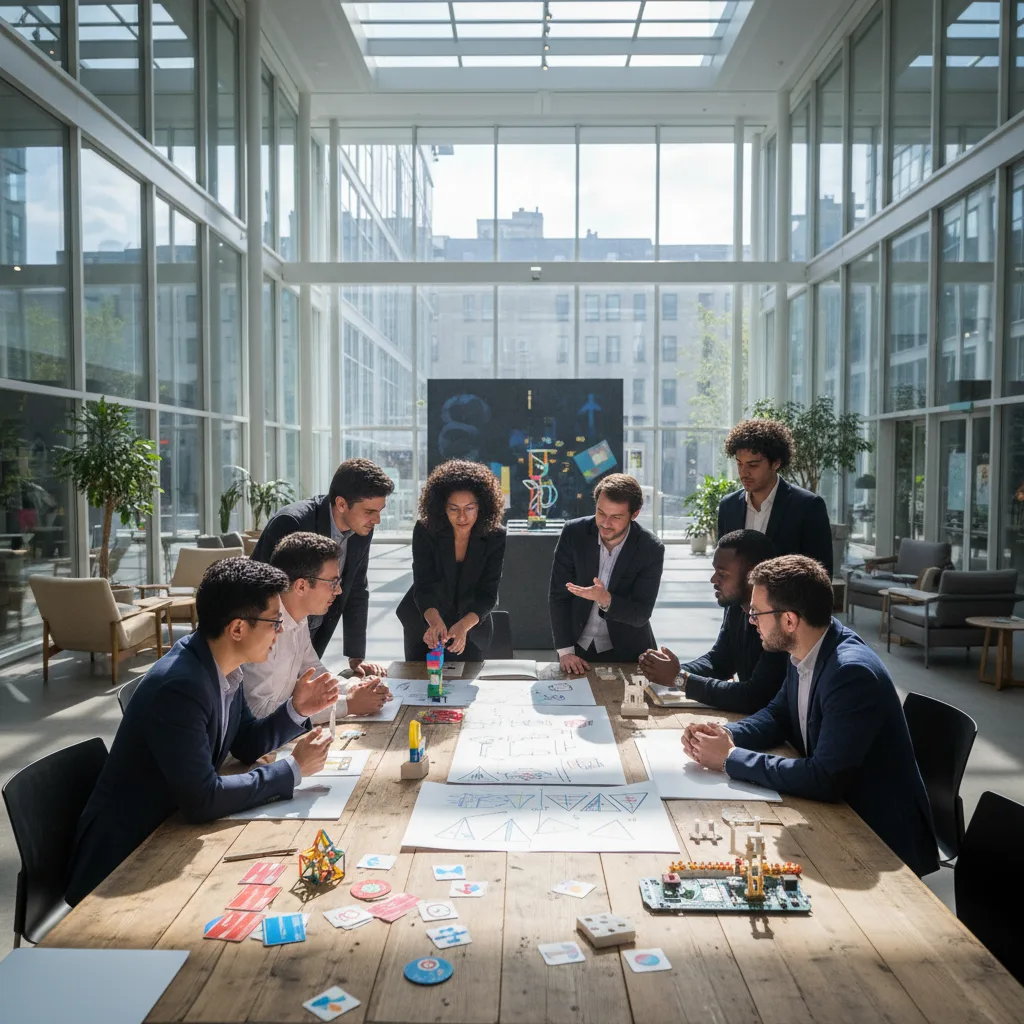
Building Future Education Museums: Evolving Learning Ecosystems
Discover how education museums are transforming learning. This guide explores digital platforms, interactive technologies, and community resources shaping cultural institutions.
Building the Future: Education Museums and the Evolving Learning Ecosystem
The landscape of education is undergoing a profound transformation. Traditional classrooms are expanding beyond physical walls, embracing digital platforms, interactive technologies, and community resources. At the heart of this evolution lies an incredible opportunity for cultural institutions to redefine their role. This comprehensive guide explores the critical imperative of building the future of education museums and the learning ecosystem, positioning these invaluable institutions not just as repositories of knowledge, but as dynamic, interactive hubs essential for lifelong learning in the 21st century.
The Evolving Role of Education Museums in the Modern Learning Ecosystem
For centuries, museums have served as custodians of history, art, and science, offering windows into the past and glimpses into the wonders of the world. However, the digital age and a deeper understanding of pedagogical best practices have challenged these institutions to evolve. The passive observation model is giving way to active participation, inquiry-based learning, and immersive experiences.
Today, education museums are no longer just places to see things; they are places to do, discover, and create. They are becoming vital components of a broader learning ecosystem, which encompasses schools, libraries, online resources, community centers, and even homes. This shift is driven by a recognition that learning is not confined to formal settings but is a continuous, interconnected process. Institutions like the Exploratorium in San Francisco, founded on the principle of hands-on learning, exemplify this evolution, demonstrating how scientific concepts come alive through direct engagement. Similarly, the California Academy of Sciences seamlessly integrates a natural history museum, aquarium, and planetarium to create a holistic, immersive learning environment that encourages curiosity and scientific literacy across all ages.
Key Pillars for Building the Future of Education Museums
To truly thrive and lead in this new era, education museums must embrace several core pillars that will define their relevance and impact. These pillars emphasize innovation, accessibility, and deep integration with learners’ lives.
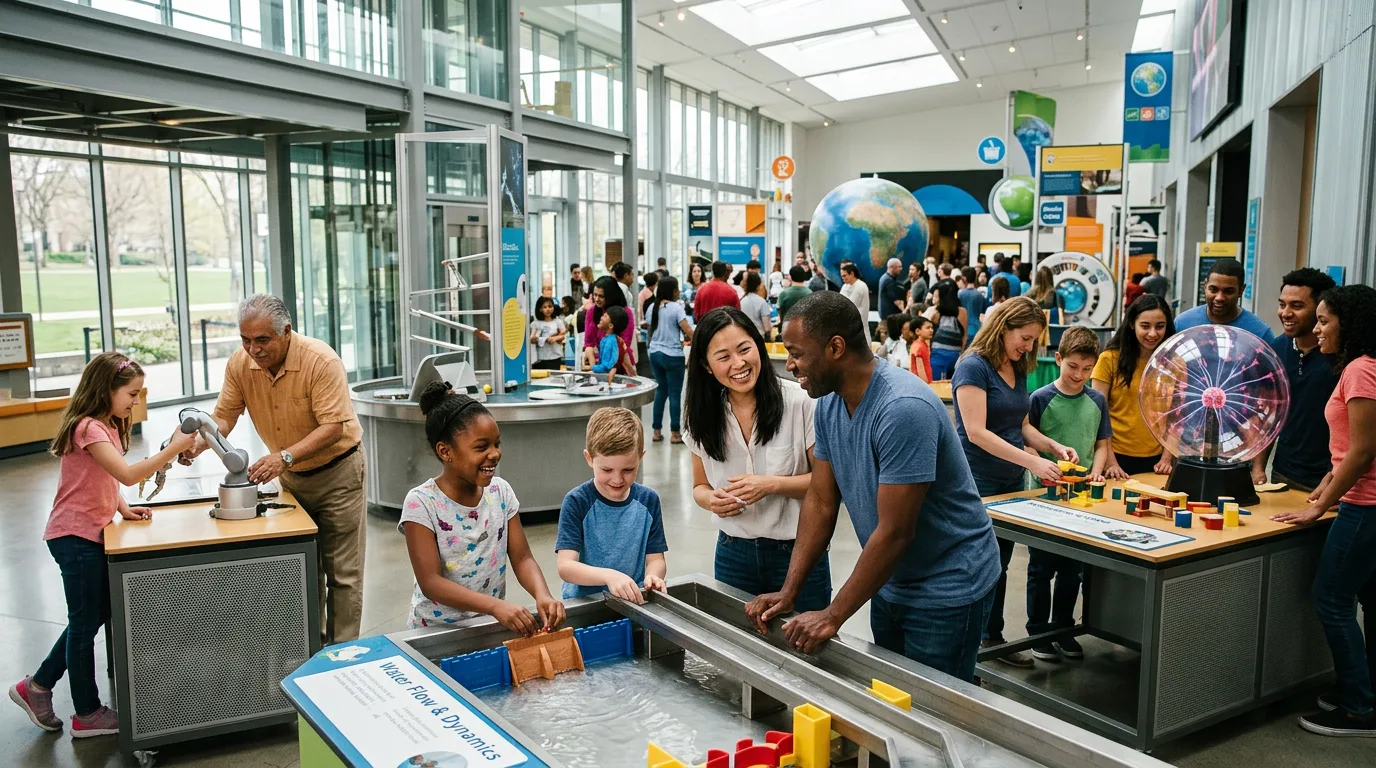
Immersive and Interactive Experiences
The future of education museums lies in transcending static displays. This means leveraging cutting-edge technology and design principles to create truly engaging encounters:
- Virtual and Augmented Reality (VR/AR): Imagine walking alongside dinosaurs, exploring ancient civilizations, or dissecting a human heart with AR overlays. VR can transport visitors to inaccessible locations or recreate historical events, offering unparalleled contextual understanding.
- Gamification: Integrating game-like elements into exhibits can boost engagement, motivate exploration, and reinforce learning outcomes. Challenges, quests, and rewards make learning an adventure.
- Hands-on and Maker Spaces: Dedicated areas where visitors can experiment, build, and innovate foster critical thinking, problem-solving, and creativity. The Children’s Museum of Pittsburgh is a prime example, with its emphasis on making, playing, and open-ended exploration.
- Multi-sensory Engagement: Beyond sight, incorporating sound, touch, and even smell can create richer, more memorable learning experiences, catering to diverse learning styles.
Digital Integration and Accessibility
A modern museum’s walls extend far beyond its physical structure. Digital platforms are crucial for expanding reach and impact:
- Online Learning Platforms: Offering virtual tours, digital archives, interactive courses, and educational content that can be accessed globally. The Smithsonian Institution has been a pioneer in digitizing vast portions of its collections, making them available to researchers and the public worldwide.
- Personalized Learning Paths: Utilizing data and AI to recommend exhibits, resources, and learning activities tailored to individual interests, age, and prior knowledge.
- Hybrid Models: Blending on-site experiences with pre- and post-visit digital engagement to deepen learning and maintain continuity. This can involve virtual field trips before a physical visit or follow-up activities online.
- Accessibility Features: Ensuring digital content and physical spaces are accessible to people with disabilities, including screen readers, audio descriptions, and tactile exhibits.
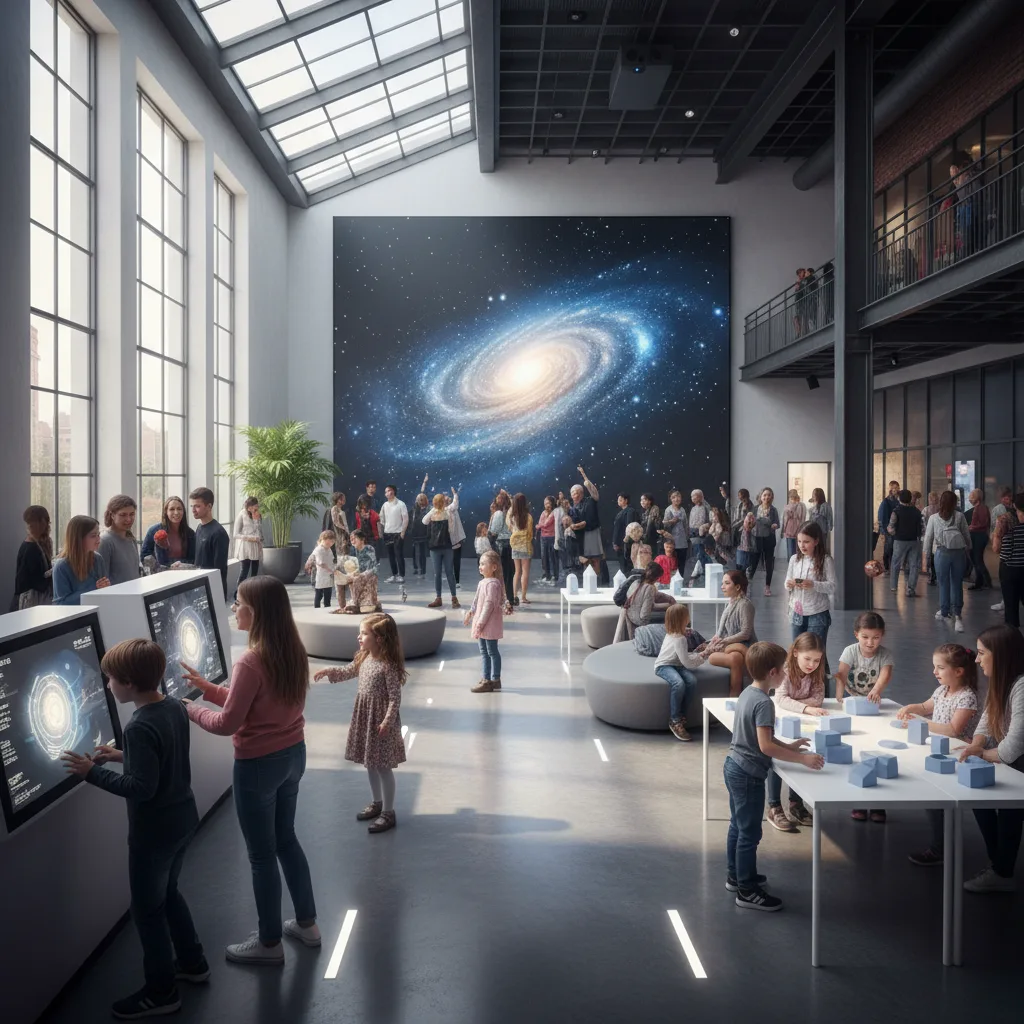
Community Engagement and Collaboration
No museum is an island. Building the future of education museums requires deep integration into local and global communities:
- Partnerships with Educational Institutions: Collaborating with K-12 schools, universities, and vocational training centers to align exhibits with curricula, offer teacher training, and host student projects.
- Local Community Programs: Developing programs that address specific community needs, such as STEM workshops for underserved youth, cultural heritage preservation projects, or health literacy initiatives.
- Co-creation with Audiences: Involving community members in the design and interpretation of exhibits, ensuring relevance and fostering a sense of ownership.
- Global Networks: Connecting with other museums and educational organizations worldwide to share best practices, exchange exhibits, and collaborate on research.
Data-Driven Personalization
Understanding visitor behavior and learning patterns is key to optimizing impact.
- Analytics and Feedback: Collecting data on how visitors interact with exhibits, what content resonates most, and where engagement drops off. This information is invaluable for continuous improvement.
- Tailored Experiences: Using data to personalize recommendations, adjust exhibit content, or even dynamically change the flow of a visit based on individual interests.
- Measuring Learning Outcomes: Developing robust evaluation methods to assess the educational impact of exhibits and programs, moving beyond attendance numbers to actual knowledge acquisition and skill development.
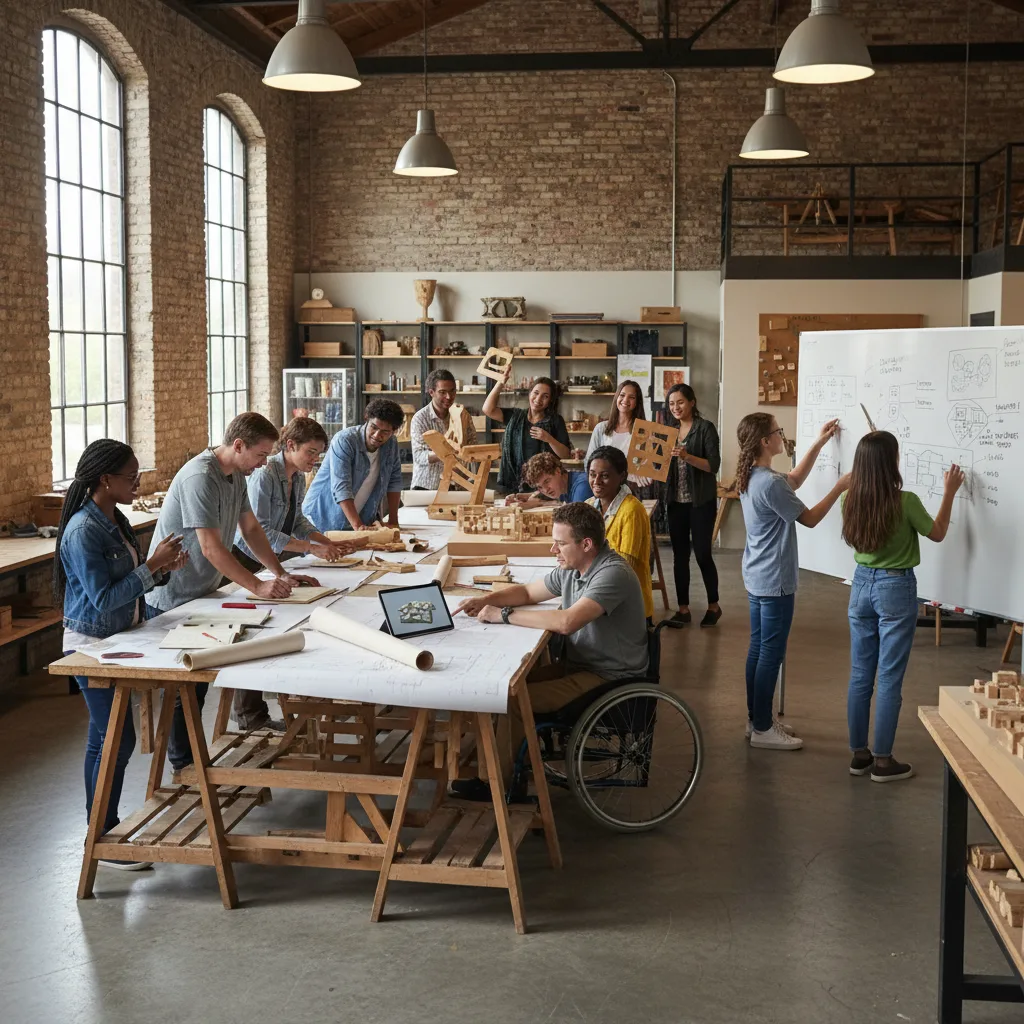
Sustainability and Adaptability
The future is uncertain, and museums must be designed to evolve.
- Flexible Spaces: Creating modular exhibit areas that can be easily reconfigured for different themes, technologies, and visitor flows.
- Eco-conscious Design: Implementing sustainable practices in building operations, exhibit materials, and energy consumption, aligning with broader educational messages about environmental stewardship.
- Continuous Innovation: Fostering a culture of experimentation and iterative development, regularly updating exhibits and programs to remain current and engaging.
Forging a Dynamic Learning Ecosystem: Beyond Museum Walls
The concept of a learning ecosystem emphasizes the interconnectedness of all learning resources and experiences. Education museums, with their unique ability to inspire and engage, are perfectly positioned to be central hubs within this ecosystem.
Imagine a student’s journey: they learn about ancient Egypt in school, then visit a museum exhibit with VR recreations of pyramids, followed by an online course offering deeper dives into hieroglyphics, and finally, participate in a community workshop where they build a model of a pharaoh’s tomb. This seamless flow of information and experience, facilitated by interoperable platforms and collaborative programming, creates a rich, multi-faceted learning experience.
Museums can facilitate this by:
- Curating and Connecting Resources: Acting as trusted guides, pointing learners to relevant online content, library resources, and community experts that complement their exhibits.
- Bridging Formal and Informal Learning: Creating programs that directly support school curricula while also offering opportunities for self-directed exploration and passion projects.
- Promoting Lifelong Learning: Designing programs for all ages, from early childhood development to adult education and senior engagement, reinforcing the idea that learning is a continuous journey. The Remake Learning Network in Pittsburgh is an excellent example of a regional effort to connect schools, libraries, museums, and other community organizations to build a vibrant learning ecosystem.
Designing Impactful Learning Experiences for the Future of Education Museums
Impactful learning goes beyond mere entertainment; it fosters deep understanding, critical thinking, and the development of essential 21st-century skills.
Curriculum Alignment and Skill Development
Museums can significantly enhance formal education by:
- Mapping to Educational Standards: Designing exhibits and programs that directly align with national or local educational curricula, making them invaluable resources for teachers.
- Fostering Critical Thinking and Problem-Solving: Presenting complex topics through interactive challenges, open-ended questions, and scientific inquiry methods.
- Cultivating Creativity and Innovation: Providing opportunities for imaginative play, artistic expression, and hands-on design thinking.
- Promoting Collaboration and Communication: Designing group activities and discussions that encourage teamwork and the articulation of ideas.
Inclusivity and Equity
The future of education museums must be equitable, ensuring that everyone has access to enriching learning experiences, regardless of background or ability.
- Multilingual Content: Offering exhibit information and digital resources in multiple languages.
- Diverse Storytelling: Representing a wide range of cultures, perspectives, and historical narratives, ensuring that all visitors see themselves reflected in the museum’s offerings.
- Sensory-Friendly Spaces: Creating designated times or areas for visitors with sensory sensitivities.
- Financial Accessibility: Offering free admission days, reduced rates for low-income families, and community outreach programs to eliminate financial barriers.
Measuring Impact and Proving Value
To secure funding and justify their role, museums must demonstrate their educational impact.
- Quantitative Metrics: Tracking attendance, program participation rates, website engagement, and survey results on knowledge gain.
- Qualitative Assessments: Using interviews, focus groups, and observation to understand shifts in attitudes, curiosity, and skill development.
- Longitudinal Studies: Following groups of learners over time to assess the long-term impact of museum experiences on their educational and career paths. The Museum of Science and Industry in Chicago, for instance, often partners with researchers to study the efficacy of its STEM programs.
Overcoming Challenges and Seizing Opportunities in Building the Future of Education Museums
The path to building the future of education museums is not without its hurdles, but the opportunities for profound impact are immense.
Challenges
- Funding and Resources: Innovation requires significant investment in technology, exhibit design, and staff training. Securing sustained funding in a competitive landscape is a constant challenge.
- Technological Obsolescence: The rapid pace of technological change means that cutting-edge exhibits can quickly become outdated. Museums need strategies for agile development and continuous upgrades.
- Maintaining Relevance: In an era of instant information, museums must constantly prove their unique value proposition as spaces for authentic, immersive, and social learning.
- Digital Divide: Ensuring that digital integration does not exacerbate existing inequalities in access to technology and internet connectivity.
Opportunities
- Global Reach and Impact: Digital platforms allow museums to share their collections and expertise with audiences far beyond their physical location, fostering cross-cultural understanding.
- Personalized Learning at Scale: Technology enables museums to offer highly customized learning experiences to a vast number of individuals, something traditional education struggles with.
- Fostering Innovation and Research: Museums can serve as living laboratories for pedagogical research, exploring new ways of engaging learners and measuring impact.
- Addressing Societal Challenges: By focusing on topics like climate change, public health, social justice, and technological ethics, museums can empower citizens with the knowledge and skills to tackle critical global issues. The California Academy of Sciences actively engages visitors in understanding climate change and biodiversity loss through its exhibits and research.
Conclusion
The evolution of education museums is not just about adapting to change; it’s about leading it. By embracing immersive experiences, digital integration, community collaboration, and a commitment to lifelong learning, these institutions can transform from mere repositories into dynamic, essential hubs within a thriving learning ecosystem. The future of education demands spaces that inspire curiosity, foster critical thinking, and empower individuals to navigate an increasingly complex world. By proactively building the future of education museums and the learning ecosystem, we are investing in a more informed, engaged, and innovative society for generations to come. The journey is challenging, but the potential for profound impact makes it one of the most exciting frontiers in education today.