
Classic Wellness Family Mental Health LLC: Cultivating Resilience
Discover how Classic Wellness Family Mental Health Practice LLCs provide holistic support for families. Navigate life's challenges and foster genuine mental well-being with compassionate care.
Cultivating Resilience: A Guide to the Classic Wellness Family Mental Health Practice LLC
In an increasingly complex world, the well-being of our families is paramount. More than ever, individuals and families are seeking comprehensive, compassionate support to navigate life’s challenges and foster genuine mental health. This growing demand has given rise to specialized entities like the classic wellness family mental health practice llc, a business model designed to offer holistic, integrated care focused on the entire family unit. This guide delves into what defines such a practice, why its structure matters, and how it serves as a cornerstone for building stronger, healthier families.
The Essence of Classic Wellness in Family Mental Health
At its heart, a classic wellness family mental health practice llc champions a holistic perspective on well-being. “Classic wellness” isn’t merely the absence of illness; it’s an active pursuit of optimal physical, mental, emotional, and social health. When applied to family mental health, this means looking beyond individual symptoms to understand the intricate dynamics, communication patterns, and environmental factors that influence each family member.
This approach recognizes that a family is a system, and a disruption in one part can affect the whole. For instance, a child struggling with anxiety might be influenced by parental stress, sibling relationships, or even broader societal pressures. A classic wellness practice aims to:

- Promote Proactive Health: Shifting from reactive crisis management to proactive strategies that build resilience and coping skills before problems escalate.
- Integrate Mind, Body, and Spirit: Acknowledging that mental health is intertwined with physical health, nutrition, sleep, mindfulness, and a sense of purpose.
- Empower Families: Providing tools and education that enable families to identify their strengths, improve communication, and navigate challenges together.
- Foster a Supportive Environment: Creating a therapeutic space that feels safe, non-judgmental, and conducive to healing and growth.
The goal is not just to alleviate symptoms but to cultivate enduring mental fitness, emotional intelligence, and robust family connections, laying a foundation for long-term well-being across generations.
Why an LLC Structure for a Classic Wellness Family Mental Health Practice?
The choice of business structure is a critical decision for any professional service, and for a mental health practice, the Limited Liability Company (LLC) offers distinct advantages. An LLC blends the personal liability protection of a corporation with the pass-through taxation and operational flexibility of a partnership or sole proprietorship.
For a classic wellness family mental health practice llc, these benefits are particularly pertinent:
- Limited Personal Liability: This is perhaps the most significant advantage. In an LLC, the personal assets of the owners (members) are generally protected from business debts and lawsuits. If, for example, a client were to sue the practice, the owners’ personal savings, homes, and other assets would typically be shielded. This provides peace of mind, allowing practitioners to focus on client care without undue personal financial risk.
- Credibility and Professionalism: Operating as an LLC can enhance the practice’s professional image and credibility. It signals to clients, insurance providers, and referral sources that the practice is a legitimate, formally organized entity committed to high standards of operation.
- Flexibility in Management: LLCs offer considerable flexibility in how they are managed. They can be member-managed (owners run the day-to-day operations) or manager-managed (owners hire managers to run the business). This adaptability is beneficial as the practice grows, allowing for efficient delegation and specialized roles.
- Tax Advantages: LLCs typically enjoy pass-through taxation, meaning the business itself isn’t taxed. Instead, profits and losses are passed through to the owners’ personal income tax returns, avoiding the “double taxation” often associated with corporations. This simplifies tax preparation and can lead to significant savings.
- Ease of Formation and Maintenance: Compared to corporations, forming and maintaining an LLC is generally simpler, with fewer ongoing administrative requirements. This allows mental health professionals to dedicate more time to their core mission of helping families.
By choosing an LLC, a classic wellness family mental health practice establishes a robust and secure foundation, allowing its practitioners to focus on delivering exceptional, holistic care without unnecessary administrative burdens or personal financial exposure.
Core Services and Therapeutic Modalities
A comprehensive classic wellness family mental health practice llc offers a diverse range of services tailored to meet the varied needs of families and individuals. The emphasis is always on evidence-based practices delivered with empathy and cultural sensitivity.
Typical services include:
- Individual Therapy: For adults, adolescents, and children dealing with issues such as anxiety, depression, trauma, grief, stress management, and personal growth.
- Family Therapy: Focused on improving communication, resolving conflicts, navigating life transitions (e.g., divorce, remarriage, relocation), and strengthening family bonds. Modalities often include Structural Family Therapy, Strategic Family Therapy, and Bowenian Family Therapy.
- Couples Counseling: Helping partners enhance their relationship, address communication breakdowns, manage disagreements, and rekindle intimacy. Emotionally Focused Therapy (EFT) and Gottman Method are frequently utilized.
- Group Therapy: Offering a supportive environment for individuals facing similar challenges (e.g., parenting support groups, adolescent social skills groups, grief support). This fosters a sense of community and reduces feelings of isolation.
- Psychoeducation Workshops: Providing families with vital information on topics like stress reduction, healthy communication, emotional regulation, and parenting strategies.
- Crisis Intervention: Offering immediate support during acute distress, ensuring safety and connecting clients with appropriate resources.
Beyond traditional talk therapy, a classic wellness practice integrates a variety of therapeutic modalities and holistic approaches:

- Cognitive Behavioral Therapy (CCBT) & Dialectical Behavior Therapy (DBT): Highly effective for addressing thought patterns, emotional regulation, and behavioral changes.
- Play Therapy & Art Therapy: Especially beneficial for children and adolescents, allowing them to express complex emotions and experiences non-verbally.
- Mindfulness-Based Stress Reduction (MBSR): Teaching techniques to cultivate present-moment awareness, reduce stress, and enhance emotional resilience.
- Nutritional Counseling: Recognizing the profound link between diet and mental health, offering guidance on how nutrition impacts mood, energy, and cognitive function.
- Movement and Physical Activity Integration: Encouraging physical activity as a powerful tool for stress relief, mood enhancement, and overall well-being.
- Eye Movement Desensitization and Reprocessing (EMDR): A specialized therapy for processing traumatic memories and reducing their emotional impact.
- Systemic Therapy: A foundational approach in family therapy that views individuals within their relational systems, understanding how family structures and interactions impact individual behavior.
By offering a rich tapestry of services and modalities, the practice ensures that care is personalized, comprehensive, and attuned to the unique needs of each family member, fostering deep and lasting change.
Building a Thriving Practice: Operational Aspects and Client Engagement
Establishing and growing a successful classic wellness family mental health practice llc involves more than just clinical expertise; it requires astute operational management and a deep commitment to client engagement.
Key operational aspects include:
- Staffing and Team Building: Recruiting highly qualified, licensed therapists, counselors, social workers, and possibly adjunct wellness professionals (nutritionists, yoga instructors). Fostering a collaborative, supportive team culture is crucial. Regular supervision, professional development, and peer consultation ensure high standards of care.
- Ethical and Legal Compliance: Adhering strictly to HIPAA regulations for client confidentiality, state licensing board requirements, and professional ethical codes. This includes secure record-keeping, informed consent processes, and clear boundaries.
- Billing and Insurance: Navigating the complexities of insurance networks, credentialing, and billing. Many practices offer a sliding scale or out-of-network benefits support to ensure accessibility. Transparent fee structures are essential.
- Technology Integration: Utilizing secure electronic health record (EHR) systems for scheduling, notes, and billing. Telehealth platforms have become vital for expanding access to care, especially for busy families or those in remote areas.
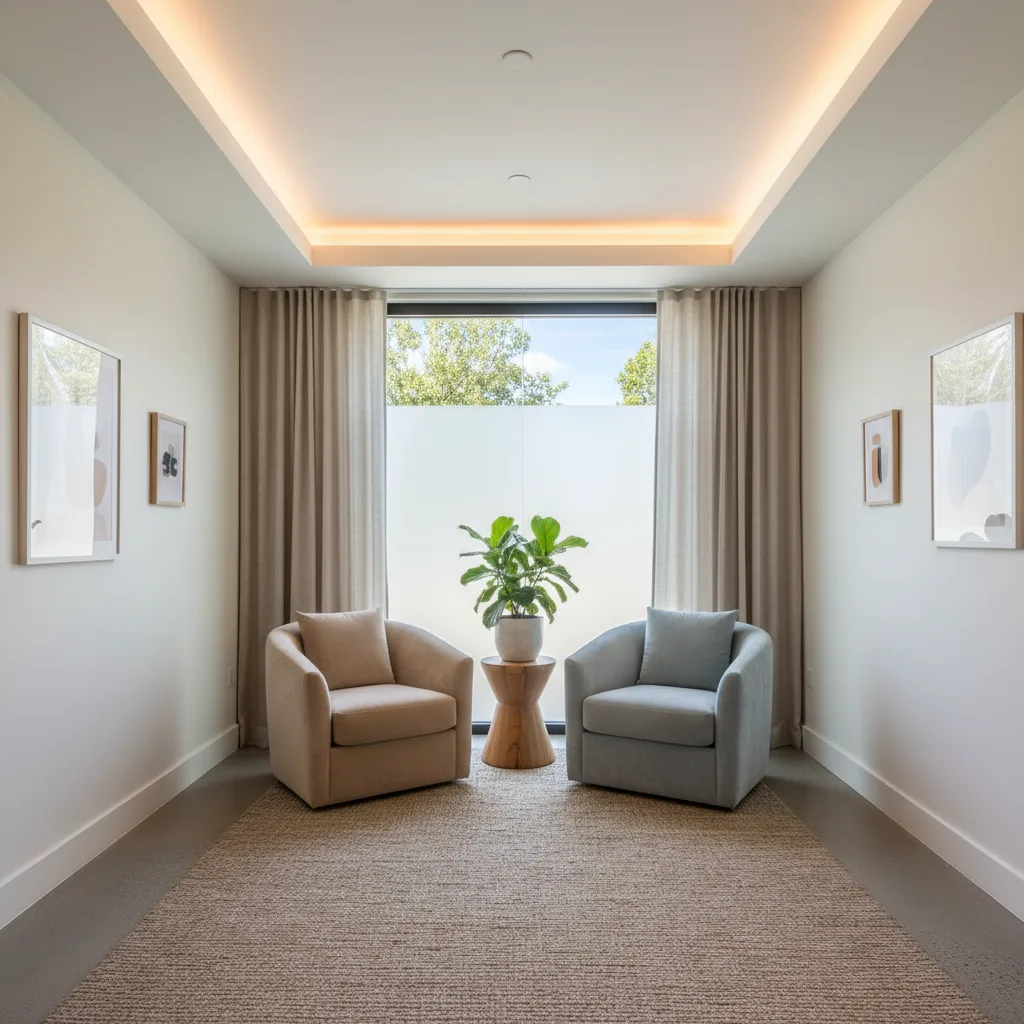
- Physical Environment: Creating a welcoming, comfortable, and confidential space that promotes healing. Thoughtful design, comfortable seating, and a calm atmosphere contribute significantly to the client experience.
Effective client engagement is the lifeblood of the practice:
- Marketing and Outreach: Developing a clear brand identity that communicates the practice’s unique holistic approach. This involves a professional website, social media presence, local community partnerships (schools, doctors’ offices, community centers), and engaging content (blog posts, workshops) that educates and attracts potential clients.
- Client Intake Process: A streamlined, empathetic intake process that makes new clients feel heard and understood from their very first contact. This includes clear communication about what to expect, initial assessments, and matching clients with the most suitable therapist.
- Feedback and Continuous Improvement: Regularly soliciting feedback from clients through surveys or direct conversations to identify areas for improvement. A commitment to ongoing quality assurance ensures that the practice remains responsive to client needs and maintains a high standard of care.
- Community Involvement: Actively participating in local wellness initiatives, offering pro bono services, or hosting free educational events. This not only builds goodwill but also establishes the practice as a valuable community resource.
By meticulously managing operations and prioritizing genuine client connection, a classic wellness practice can build a strong reputation and serve its community effectively for years to come.
Real-World Impact: A Case Study in Family Transformation
Consider the hypothetical “Harmony Family Wellness LLC,” a thriving classic wellness family mental health practice llc in a bustling suburban area. Their mission is to empower families to build resilience and foster deep connections.
- The Smith Family: The Smiths arrived at Harmony Family Wellness after their 14-year-old son, Alex, began experiencing severe social anxiety, refusing to go to school and isolating himself. His parents, Sarah and Mark, felt overwhelmed and blamed themselves.
- Holistic Assessment: Harmony’s lead family therapist, Dr. Chen, conducted an initial family assessment. She observed strained communication, parental burnout, and Alex’s deep fear of judgment. She also noted that Sarah struggled with her own perfectionism, and Mark often retreated into work.
- Integrated Treatment Plan: The plan involved:
- Individual CBT for Alex: To address his anxious thought patterns and gradually expose him to social situations.
- Family Therapy with Dr. Chen: Focused on improving communication, setting healthy boundaries, and teaching active listening skills. Sarah and Mark learned to validate Alex’s feelings without enabling his avoidance.
- Parent Coaching: Sarah and Mark received specific strategies for managing their own stress and responding to Alex’s anxiety more effectively.
- Nutritional Consultation: The family met with Harmony’s in-house nutritionist, who provided guidance on mood-boosting foods and balanced meals, recognizing Alex’s tendency to skip breakfast.
- Mindfulness Workshops: The entire family participated in a series of workshops focused on mindfulness techniques to manage stress and improve emotional regulation.
- Transformative Outcomes: Over several months, the transformation was remarkable. Alex gradually returned to school, made new friends, and even joined a school club. Sarah learned to manage her perfectionism, and Mark became more present at home. The family’s communication dramatically improved, leading to fewer arguments and a stronger sense of unity. They reported feeling more connected, resilient, and equipped to handle future challenges together, embodying the true spirit of classic wellness.
This fictional case study illustrates how an integrated, family-centric approach, facilitated by a well-structured practice, can lead to profound and lasting positive changes.
Conclusion
The classic wellness family mental health practice llc represents a vital and forward-thinking approach to mental health care. By embracing a holistic philosophy, leveraging the stability and professionalism of an LLC structure, offering a diverse array of evidence-based services, and committing to proactive client engagement, these practices are uniquely positioned to serve as pillars of support for families. They move beyond merely treating symptoms, striving instead to cultivate enduring resilience, foster authentic connections, and empower individuals and families to thrive across all dimensions of their well-being. As our understanding of mental health continues to evolve, the classic wellness family mental health practice remains at the forefront, guiding families toward a future of greater health, happiness, and harmony.