Climate Change Impacts on Mediterranean Forest Ecosystem Services
Explore how climate change profoundly impacts vital forest ecosystem services in the Mediterranean Basin, a critical biodiversity hotspot. Understand the ecological and economic implications.
TrendSeek Review: Unpacking Climate Change Impacts on Forest Ecosystem Services in the Mediterranean Basin
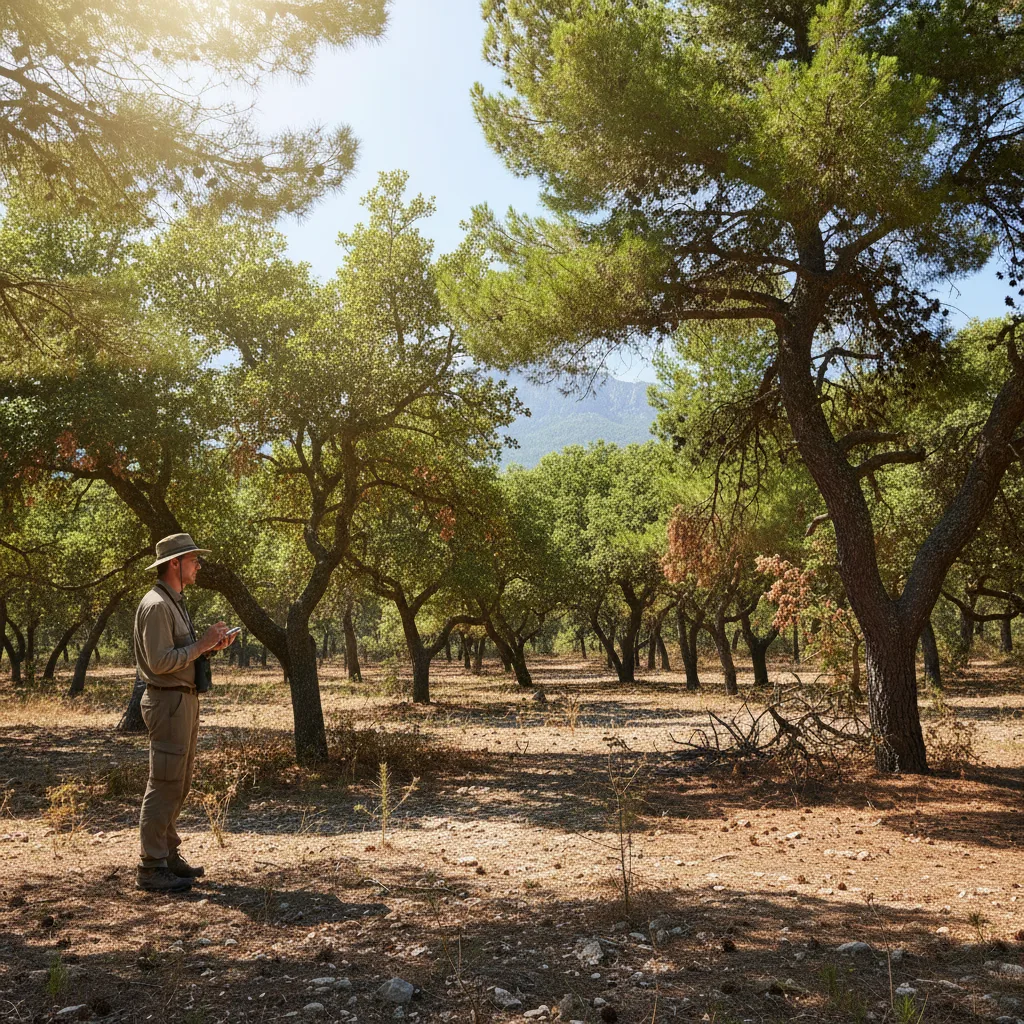
The Mediterranean Basin, a region renowned for its stunning coastlines, ancient cultures, and vibrant biodiversity, is also a critical biodiversity hotspot and a frontline in the battle against climate change. At the heart of this ecological richness lie its forests – resilient yet vulnerable ecosystems that provide an array of essential ecosystem services. This article presents a review on climate change impacts on forest ecosystem services in the Mediterranean Basin, exploring how rising temperatures, altered precipitation, and extreme events are reshaping these vital landscapes and the benefits they offer to millions. Understanding these intricate connections is paramount for preserving both natural heritage and human well-being in this iconic region.
The Mediterranean Basin: A Unique Ecosystem Under Pressure
Stretching across three continents, the Mediterranean Basin is characterized by its distinctive climate: hot, dry summers and mild, wet winters. This unique pattern has fostered an extraordinary mosaic of forest types, from evergreen sclerophyllous forests dominated by oaks and pines to deciduous woodlands and high-mountain conifer forests. This region boasts an unparalleled level of biodiversity, with a high proportion of endemic species found nowhere else on Earth. Examples include the cork oak forests of Portugal and Spain, the cedar forests of Lebanon and Turkey, and the ancient olive groves throughout the region.
However, this ecological richness is increasingly threatened. The Mediterranean is warming 20% faster than the global average, making it one of the most significant climate change hotspots. Its inherent vulnerability stems from a combination of factors: chronic water scarcity, high population density along coastal areas, and a landscape already shaped by centuries of human activity, including agriculture, urbanization, and historical land-use changes. These pre-existing pressures exacerbate the challenges posed by a rapidly changing climate, placing immense stress on its invaluable forest ecosystems.
Understanding the Value: Forest Ecosystem Services
Forests are far more than just collections of trees; they are complex systems that provide an invaluable suite of ecosystem services – the benefits that humans receive from nature. These services are often categorized into four main types:
- Provisioning Services: These are the tangible products we harvest from forests. In the Mediterranean, this includes timber for construction and fuel, non-timber forest products like cork, resins, medicinal plants, mushrooms, and wild fruits. Forests also play a crucial role in regulating and supplying freshwater, acting as natural filters and reservoirs. For instance, the cork oak (Quercus suber) forests are vital for Portugal and Spain’s cork industry, supporting thousands of livelihoods and preventing desertification.
- Regulating Services: These refer to the benefits derived from the regulation of ecosystem processes. Mediterranean forests are critical for carbon sequestration, absorbing vast amounts of atmospheric carbon dioxide and thus mitigating climate change. They help regulate regional climate patterns, control soil erosion (especially on steep slopes), prevent desertification, purify air and water, and offer natural protection against hazards like landslides and floods.
- Cultural Services: These encompass the non-material benefits that contribute to human well-being. Mediterranean forests are deeply intertwined with the region’s cultural identity, offering opportunities for recreation, tourism, aesthetic enjoyment, and spiritual enrichment. They provide picturesque landscapes for hiking, wildlife observation, and host historical sites, contributing significantly to local economies through ecotourism.
- Supporting Services: These are fundamental processes that underpin all other ecosystem services. They include nutrient cycling, soil formation, primary production (photosynthesis), and the provision of habitat for a vast array of plant and animal species, maintaining the region’s high biodiversity.
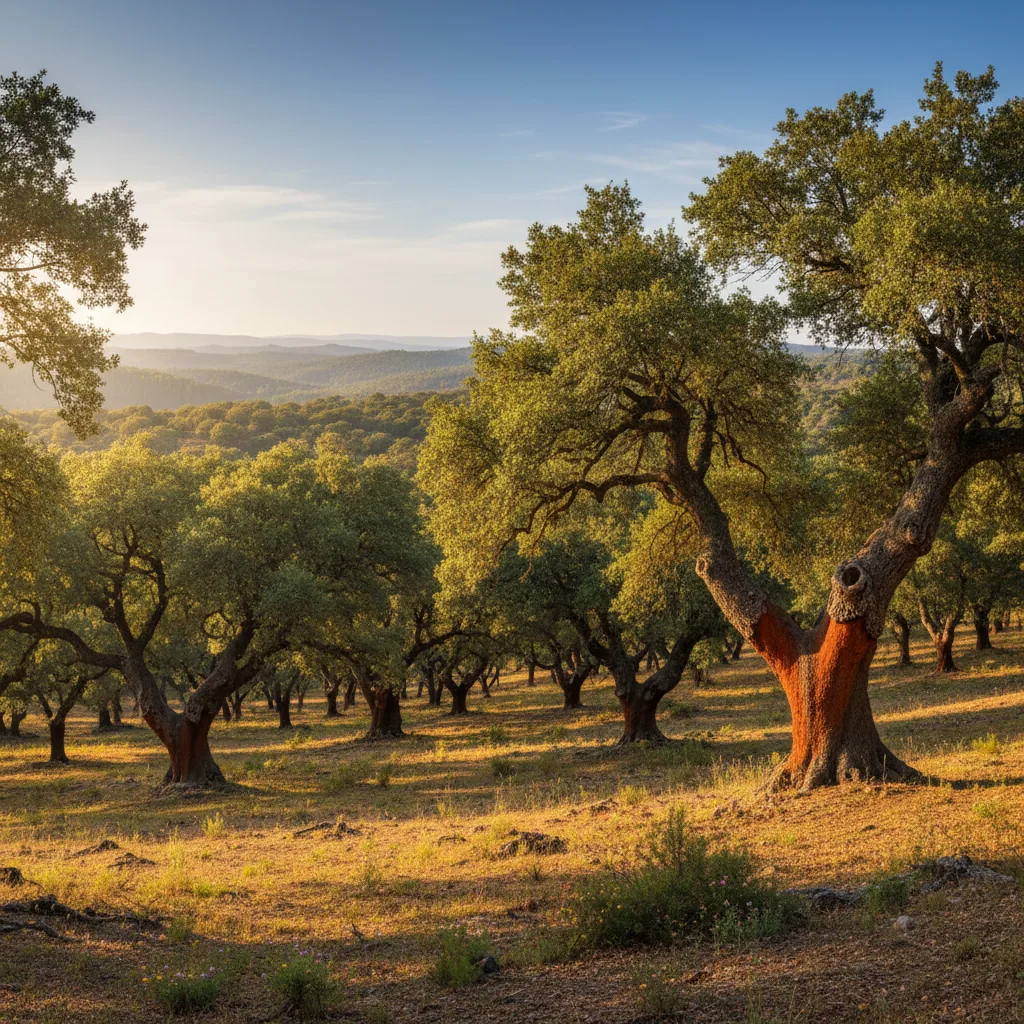
The economic and social importance of these services cannot be overstated. From supporting agricultural productivity through water regulation to providing livelihoods and recreational spaces, Mediterranean forests are indispensable to the region’s prosperity and quality of life.
Direct Climate Change Impacts on Mediterranean Forests
The signs of climate change are starkly evident across the Mediterranean Basin, directly impacting the health and resilience of its forests:
- Rising Temperatures and Heatwaves: Average temperatures have increased significantly, leading to more frequent and intense heatwaves. This directly stresses trees, especially during the dry summer months, increasing transpiration rates and leading to drought stress. Prolonged heat can reduce tree growth, weaken their immune systems, and even cause widespread mortality, particularly among less drought-tolerant species like certain pines and firs.
- Altered Precipitation Patterns: While overall rainfall might decrease in some areas, the pattern of precipitation is also changing. There’s a trend towards shorter, more intense rainfall events, which can lead to increased runoff and soil erosion rather than effective water infiltration. Conversely, longer and more severe droughts are becoming common, depleting soil moisture and groundwater reserves.
- Increased Frequency and Intensity of Wildfires: Perhaps the most visible and devastating impact, wildfires have become a recurring catastrophe in the Mediterranean. Drier conditions, hotter temperatures, and an accumulation of fuel (dead vegetation) create a perfect storm for fires to ignite and spread rapidly. Regions like Greece, Spain, Portugal, Italy, and Turkey have experienced unprecedented fire seasons in recent years, leading to massive forest loss, loss of life, and significant economic damage. These fires often trigger a feedback loop: fires degrade forests, making them more susceptible to future fires and hindering their ability to recover and sequester carbon.
- Pest and Disease Outbreaks: Stressed trees are more vulnerable to pest and disease outbreaks. Warmer temperatures can also accelerate the life cycles of insect pests (e.g., bark beetles) and fungal pathogens, allowing them to spread more rapidly and cause greater damage to already weakened trees. This phenomenon is observed in various pine species and oaks across the basin.
- Species Distribution Shifts: As conditions become hotter and drier, some tree species are struggling to adapt in their current ranges. There’s evidence of treeline migration towards higher altitudes and latitudes, but this process is often too slow to keep pace with rapid climate change. This can lead to local extinctions of less adaptable species and a general shift in forest composition, potentially reducing biodiversity.
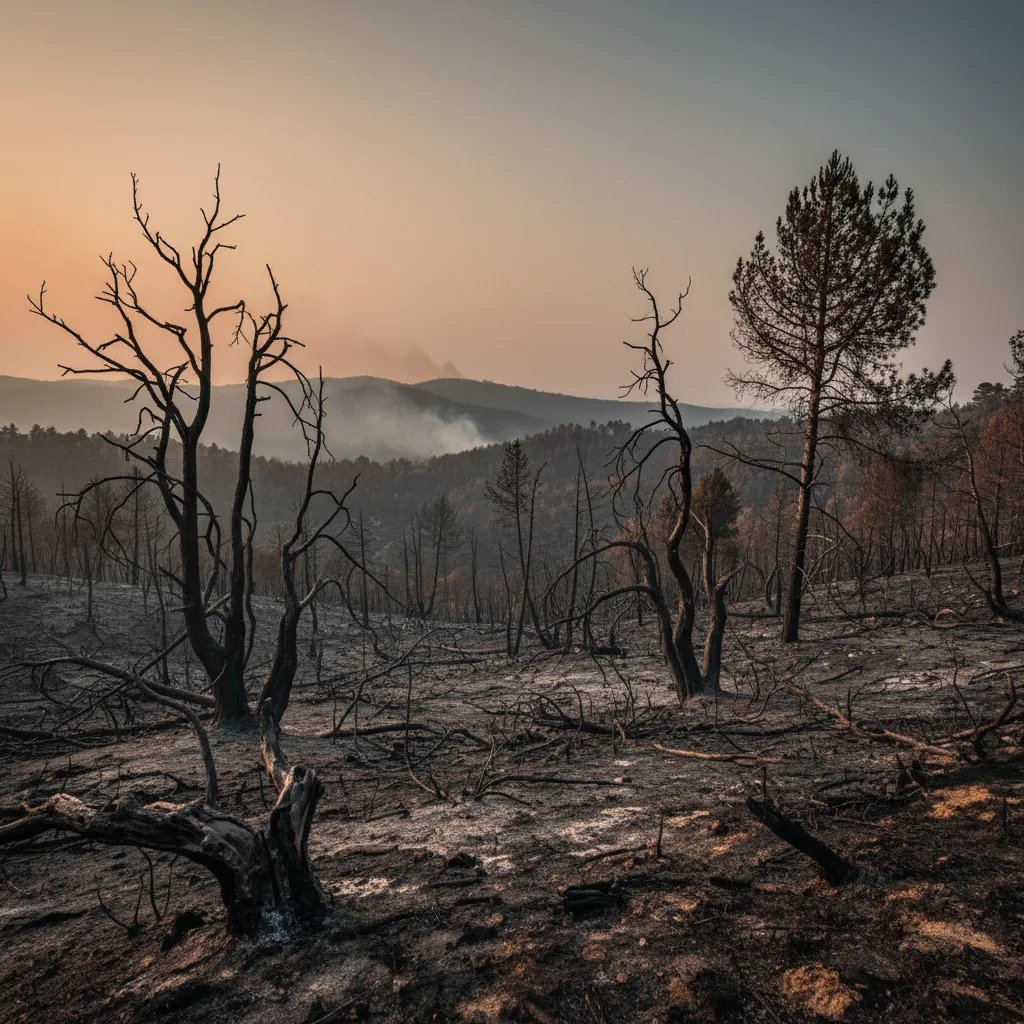
How Climate Change Impacts Forest Ecosystem Services in the Mediterranean Basin
The direct impacts of climate change cascade down to severely affect the provision of forest ecosystem services across the Mediterranean:
- Impacts on Provisioning Services:
- Reduced Timber and Non-Timber Forest Products: Drought stress, pest outbreaks, and wildfires directly reduce tree growth, leading to lower timber yields. The production of cork, a crucial economic activity in countries like Portugal and Spain, is highly sensitive to drought, affecting both quantity and quality. Similarly, the availability of wild mushrooms, medicinal plants, and other forest products decreases with forest degradation.
- Water Scarcity and Quality: Forest degradation reduces the capacity of ecosystems to regulate water flow and recharge groundwater. Post-fire landscapes, devoid of vegetation, experience increased surface runoff, leading to less water infiltration and higher sedimentation in rivers and reservoirs, thus diminishing water quality and availability for human consumption and agriculture.
- Impacts on Regulating Services:
- Decreased Carbon Sequestration: Healthy, growing forests are carbon sinks. However, under severe drought stress or after large-scale wildfires, forests can become carbon sources, releasing stored carbon back into the atmosphere. This creates a dangerous feedback loop, accelerating climate change.
- Increased Soil Erosion and Desertification: The loss of forest cover due to fires or mortality leaves soils exposed to wind and rain, drastically increasing soil erosion. This is particularly critical in the steep, mountainous terrain of the Mediterranean, leading to land degradation, loss of fertile topsoil, and an acceleration of desertification processes.
- Reduced Natural Hazard Mitigation: Degraded forests offer less protection against natural hazards. The removal of tree cover reduces the forest’s ability to intercept rainfall, stabilize slopes, and slow down floodwaters, making communities more vulnerable to landslides and flash floods.
- Impacts on Cultural and Supporting Services:
- Degradation of Cultural Landscapes and Recreation: Forest loss and degradation diminish the aesthetic appeal of natural landscapes, negatively impacting tourism and recreational activities that rely on healthy forest environments. The unique cultural heritage associated with specific forest types or ancient trees can also be lost.
- Biodiversity Loss and Habitat Degradation: The destruction of forest habitats through fires, drought-induced mortality, or species shifts leads to a decline in biodiversity. Many endemic plant and animal species depend on specific forest conditions, and their habitats are shrinking or disappearing, threatening their survival. This also disrupts vital supporting services like nutrient cycling and soil formation, further weakening the entire ecosystem.
Adaptation and Mitigation Strategies for Mediterranean Forests
Addressing the profound climate change impacts on forest ecosystem services in the Mediterranean Basin requires a multi-faceted approach combining both adaptation (adjusting to current and future climate change) and mitigation (reducing greenhouse gas emissions).
- Sustainable Forest Management (SFM):
- Fire Prevention and Management: This is paramount. Strategies include creating fuel breaks, prescribed burning (controlled fires under specific conditions to reduce fuel load), early warning systems, and rapid response capabilities. Community engagement and education are crucial for preventing human-caused ignitions.
- Water Management: Implementing water-saving irrigation techniques in nurseries, selecting drought-resistant species for reforestation, and promoting forest structures that enhance water retention are vital.
- Promoting Biodiversity and Genetic Diversity: Planting a mix of native species and provenances that are genetically diverse can increase forest resilience. Prioritizing species naturally adapted to drier conditions or projected future climates is key.
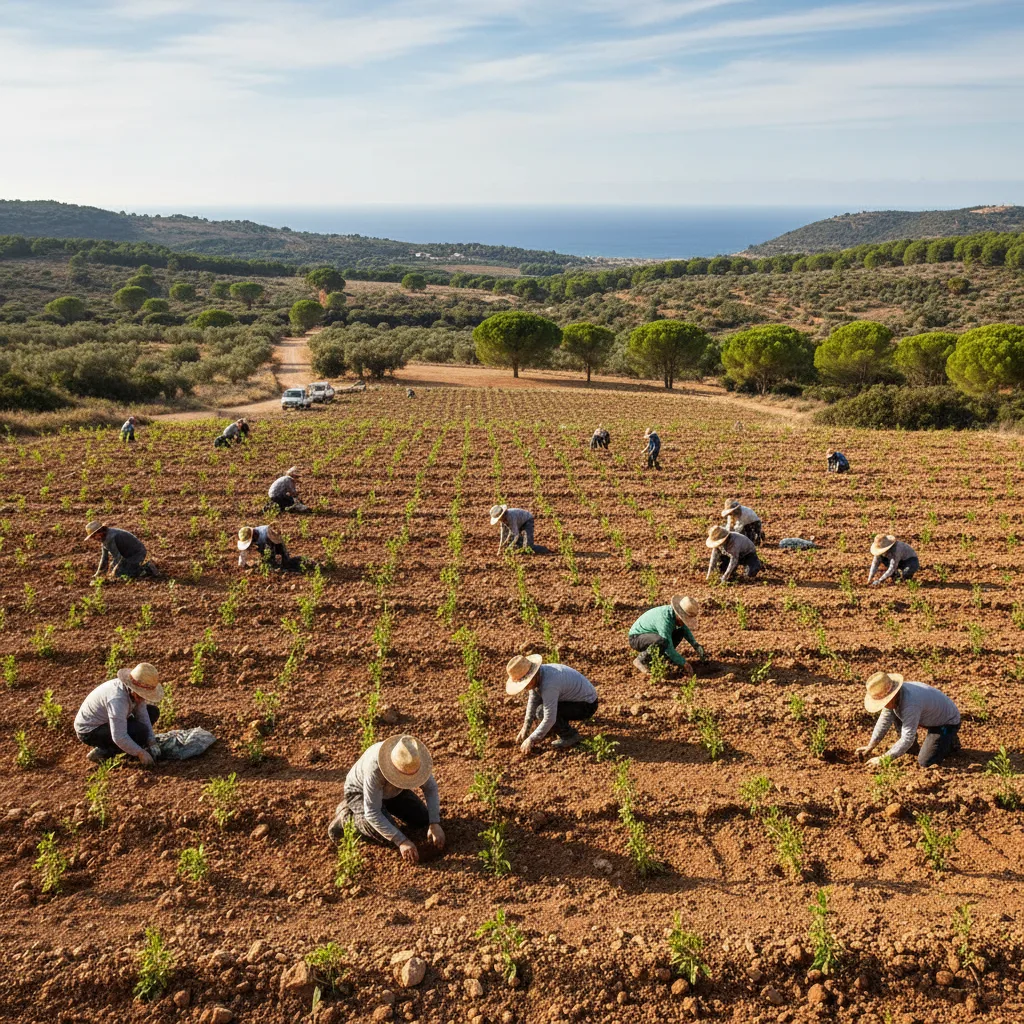
- Reforestation and Afforestation: Strategic planting of new forests and restoring degraded areas, focusing on climate-adapted species and appropriate planting densities, can enhance carbon sequestration and ecosystem stability.
- Pest and Disease Monitoring: Early detection and rapid response to pest outbreaks can limit their spread and impact on forest health.
-
Policy and Governance:
- Cross-Border Cooperation: Wildfires and climate impacts do not respect national borders. Enhanced international cooperation, particularly between Mediterranean countries, is essential for sharing resources, knowledge, and best practices in fire management and climate adaptation.
- Integrated Land-Use Planning: Incorporating climate change projections into regional and local land-use plans can guide sustainable development, prevent urban sprawl into fire-prone areas, and protect critical forest corridors.
- Investment in Research and Monitoring: Continuous research into climate-resilient tree species, effective fire management techniques, and ecosystem restoration methods is vital. Long-term monitoring programs can track changes and inform adaptive management.
- Support for Local Communities: Empowering and involving local communities in forest management, providing economic alternatives, and recognizing their traditional knowledge can foster sustainable practices and build resilience.
-
Economic Instruments:
- Payments for Ecosystem Services (PES): Implementing schemes that compensate landowners and communities for maintaining and enhancing forest ecosystem services (e.g., carbon sequestration, water purification) can create economic incentives for sustainable practices.
- Carbon Credits: Developing markets for forest carbon credits can provide funding for reforestation, afforestation, and improved forest management projects, aligning economic benefits with climate mitigation goals.
Conclusion
The forests of the Mediterranean Basin are facing an existential crisis driven by accelerating climate change. The intricate web of ecosystem services they provide – from regulating our climate and supplying fresh water to supporting unique biodiversity and cultural heritage – is under severe threat. The increasing frequency and intensity of wildfires, prolonged droughts, and widespread tree stress are stark indicators of the urgent need for action.
This review on climate change impacts on forest ecosystem services in the Mediterranean Basin underscores that the fate of these vital ecosystems is inextricably linked to human well-being. Preserving them requires a concerted, collaborative effort encompassing robust sustainable forest management practices, forward-thinking policy, international cooperation, and significant investment in adaptation and mitigation strategies. By valuing our forests not just for their timber but for the invaluable services they provide, we can work towards a more resilient and sustainable future for the Mediterranean and its people. The time to act is now, to ensure these ancient, life-giving landscapes continue to thrive for generations to come.