
Creativity, Wellbeing & Mental Health: Unlock Your Potential
Discover how creativity acts as a powerful ally for mental health and wellbeing in our demanding world. Explore strategies to foster equilibrium and unlock your potential.
Unlocking Your Potential: A Comprehensive Guide to Creativity, Wellbeing, and Mental Health Practice
In our fast-paced, often demanding modern world, the search for effective strategies to maintain mental equilibrium and foster overall wellbeing has never been more urgent. While traditional approaches like therapy and medication are vital, an increasingly recognized and profoundly impactful ally is emerging from an unexpected quarter: creativity. Far from being a luxury reserved for artists, engaging in a creativity wellbeing and mental health practice offers a powerful, accessible pathway to deeper self-understanding, stress reduction, and enhanced emotional resilience. This guide from TrendSeek explores the profound connections between creative expression, mental health, and holistic wellbeing, offering actionable insights and practical methods to integrate creativity into your daily life for a healthier, more fulfilling existence.

The Profound Link: How Creativity, Wellbeing, and Mental Health Practice Intersect
At its core, creativity is the act of bringing something new into existence, whether it’s a painting, a solution to a problem, or a new way of looking at the world. This innate human capacity is deeply intertwined with our psychological and emotional states. When we engage in creative activities, our brains light up in complex ways, impacting everything from our mood to our cognitive functions.
Neuroscientific research increasingly supports this connection. Engaging in creative tasks can stimulate the release of dopamine, a neurotransmitter associated with pleasure, motivation, and reward. This “feel-good” chemical contributes to improved mood and can even help alleviate symptoms of depression. Furthermore, creative processes often engage the brain’s prefrontal cortex, responsible for executive functions like planning, decision-making, and emotional regulation. By providing an outlet for complex thoughts and feelings, creativity can act as a powerful coping mechanism, helping individuals process trauma, manage anxiety, and express emotions that might otherwise be difficult to articulate.
Consider the simple act of doodling during a stressful meeting. This seemingly minor creative outlet can help anchor your focus, reduce fidgeting, and even improve information retention. On a deeper level, activities like writing a poem or composing a song allow for the externalization of internal struggles, transforming abstract distress into a tangible form that can be examined, understood, and ultimately, released. This therapeutic potential makes fostering a creativity wellbeing and mental health practice an invaluable tool in anyone’s self-care arsenal.
Accessible Creative Practices for Boosting Your Wellbeing
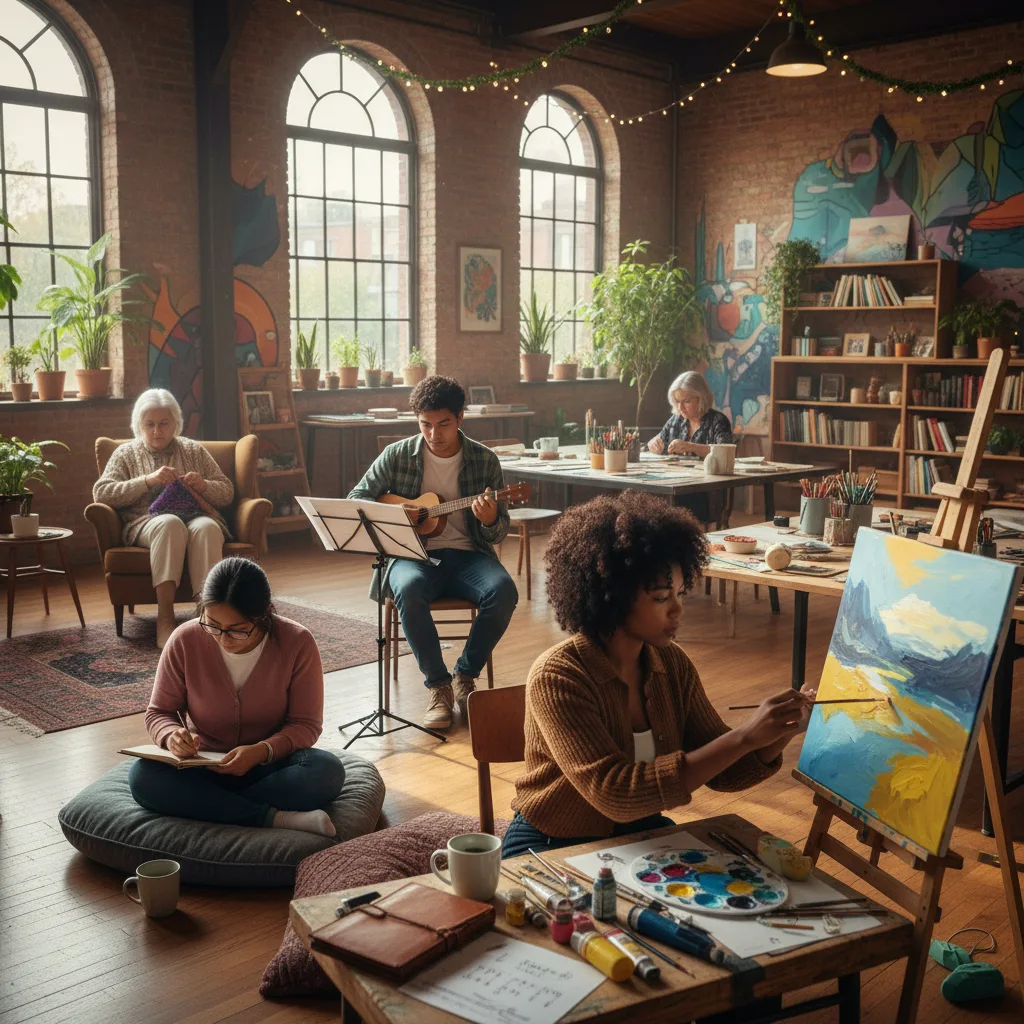
You don’t need to be a professional artist or musician to harness the power of creativity. The beauty of creative wellbeing lies in its accessibility and versatility. Here are several practical outlets you can explore, regardless of your skill level:
-
Visual Arts:
- Drawing and Sketching: Grab a pen and paper. Doodle, draw objects around you, or sketch abstract shapes. The focus required can be meditative.
- Painting: Watercolors, acrylics, or even finger paints – the tactile experience and vibrant colors can be incredibly soothing. Don’t aim for perfection; enjoy the process.
- Collage: Cut out images and words from magazines and arrange them to express a mood, a goal, or a feeling. This can be a powerful way to visualize internal states.
- Mandalas and Zentangles: These structured drawing techniques are known for their meditative qualities, promoting focus and relaxation.
-
Writing:
- Journaling: A classic for a reason. Write about your day, your feelings, your dreams, or simply free-associate. It’s a non-judgmental space for self-reflection.
- Poetry: Experiment with different forms or simply write free verse. Poetry allows for intense emotional expression through metaphor and imagery.
- Storytelling: Create short stories, develop characters, or even write fan fiction. This can be a fantastic escape and a way to explore different perspectives.
- Letter Writing: Write a letter to your past self, future self, or even an emotion. You don’t have to send it; the act of writing is the therapy.
-
Music and Movement:
- Playing an Instrument: Even learning basic chords on a ukulele or piano can provide a sense of accomplishment and a creative outlet.
- Singing: Sing in the shower, join a choir, or just hum along to your favorite tunes. Singing releases endorphins and can reduce stress.
- Dancing: Put on some music and move your body freely. Dance is a powerful form of non-verbal expression and a great way to release tension.
- Mindful Walking/Movement: Pay attention to your steps, the rhythm of your breath, and the sights and sounds around you. This can be a creative exploration of your environment.
-
Crafts and Hobbies:
- Knitting, Crocheting, Sewing: Repetitive, rhythmic movements can be very calming and produce tangible, useful items.
- Gardening: Connecting with nature, nurturing plants, and creating beauty in your outdoor space is deeply satisfying and grounding.
- Cooking and Baking: Experiment with recipes, flavors, and presentations. Cooking is a sensory experience that engages multiple senses and yields delicious results.
- DIY Projects: Repairing, building, or decorating offers a sense of accomplishment and practical problem-solving.
-
Digital Creativity:
- Photography: Capture moments, experiment with angles and lighting, and tell stories through images.
- Graphic Design: Use free online tools to create simple designs, social media graphics, or digital art.
- Music Production: Experiment with digital audio workstations to create your own beats or melodies.
The key is to explore different avenues and find what resonates with you. The process, not the product, is where the true wellbeing benefits lie.
Cultivating a Creative Mindset: Integrating Art into Your Mental Health Practice
Beyond specific activities, adopting a “creative mindset” is crucial for truly integrating art into your mental health practice. This involves a shift in perspective, embracing curiosity, and allowing yourself the freedom to explore without judgment.
-
Embrace Imperfection: One of the biggest barriers to creativity is the fear of failure or not being “good enough.” Understand that the goal isn’t to create a masterpiece, but to engage in the process. Embrace mistakes as part of the learning journey. A crooked line or a smudged color can often lead to unexpected and beautiful outcomes. This mindset translates well to life, helping you navigate challenges with greater flexibility.
-
Set Aside Dedicated Time: Even 10-15 minutes a day can make a difference. Schedule “creative breaks” just as you would any other important appointment. Whether it’s morning journaling, an afternoon doodle, or evening knitting, consistency builds momentum and reinforces the habit. This dedicated time signals to your brain that creativity is a priority for your wellbeing.
-
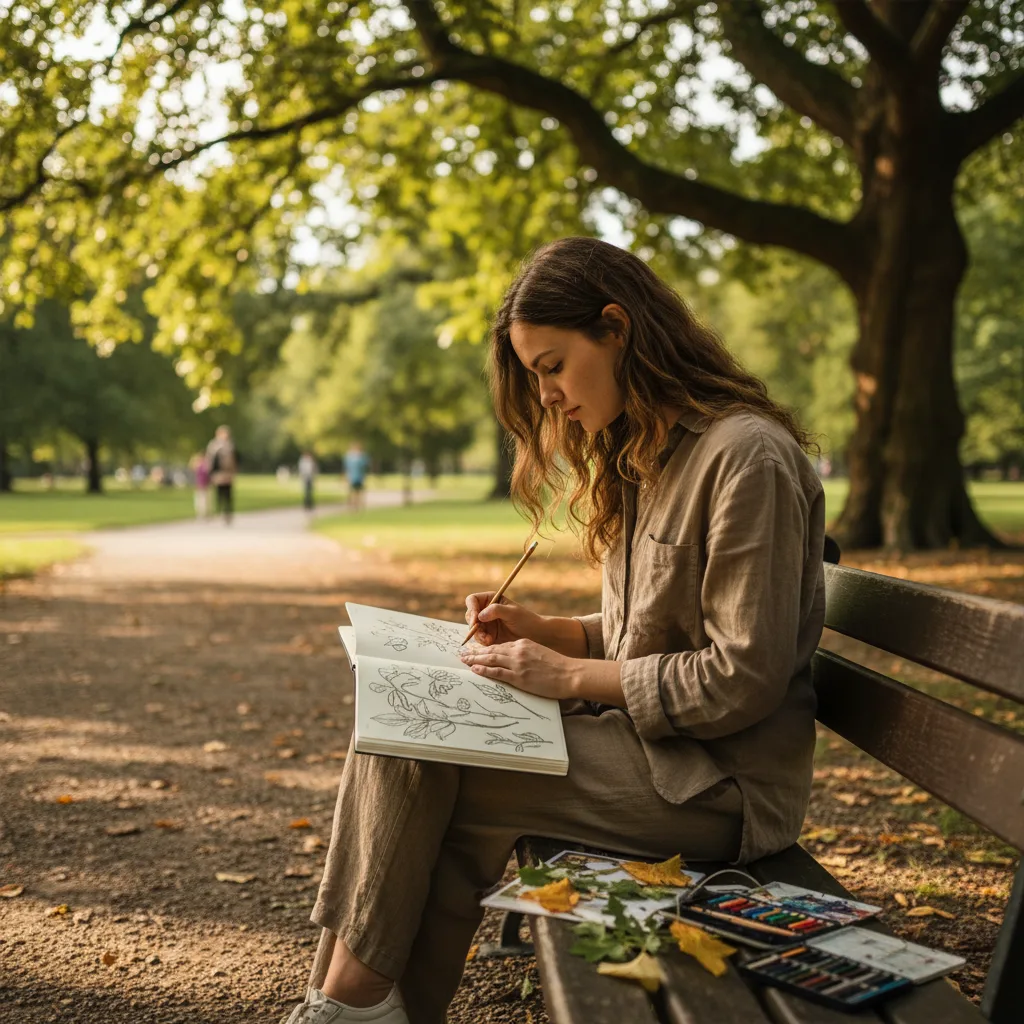
Practice Mindful Observation: Creativity often begins with keen observation. Pay attention to the details of your surroundings – the patterns in leaves, the play of light, the sounds of your environment. Engage all your senses. This practice grounds you in the present moment, a core tenet of mindfulness, and provides endless inspiration for creative expression.
-
Overcome Creative Blocks: Everyone experiences moments where inspiration seems to dry up. Instead of forcing it, try these strategies:
- Change your environment: Go for a walk, visit a museum, or work in a different room.
- Engage in a different creative activity: If writing isn’t flowing, try drawing.
- Take a break: Sometimes, stepping away completely allows your subconscious mind to work things out.
- Brainstorm freely: Write down every idea that comes to mind, no matter how silly, without censoring yourself.
-
Connect with Others: Share your creative endeavors (if you feel comfortable) with friends, family, or online communities. Joining a class or a creative group can provide encouragement, feedback, and a sense of belonging. Seeing how others approach creativity can also spark new ideas and perspectives. This social connection is itself a significant contributor to mental wellbeing.
By consciously cultivating these habits, you transform casual creative dabbling into a sustained, enriching creativity wellbeing and mental health practice.
The Evidence: Therapeutic Benefits of Creative Engagement
The anecdotal evidence for creativity’s positive impact on mental health is vast, but scientific research increasingly backs these claims with compelling data. Art therapy, in particular, is a recognized mental health profession that leverages creative processes to improve physical, mental, and emotional wellbeing.
- Stress and Anxiety Reduction: Studies have shown that engaging in creative activities can significantly lower levels of cortisol, the body’s primary stress hormone. A 2016 study published in the Journal of the American Art Therapy Association found that just 45 minutes of creative activity significantly reduced cortisol levels, regardless of artistic experience. The focus required for creative tasks can act as a distraction from worries, providing a mental “break” from rumination.
- Improved Mood and Self-Esteem: The sense of accomplishment derived from creating something, even small, can boost self-esteem and foster a more positive self-image. For individuals struggling with depression, creative expression offers a non-verbal outlet for difficult emotions, leading to improved mood regulation and a sense of agency. A systematic review published in The Arts in Psychotherapy highlighted that various art forms improved emotional regulation and reduced symptoms of depression.
- Enhanced Problem-Solving and Resilience: Creativity isn’t just about art; it’s about thinking divergently and finding novel solutions. Regularly engaging your creative muscles can enhance your ability to approach real-life challenges with greater flexibility and innovative thinking. This increased resilience helps individuals bounce back from adversity more effectively.
- Processing Trauma and Grief: For those who have experienced trauma or are navigating grief, creative expression can provide a safe, non-threatening space to explore complex emotions. Veterans utilizing art therapy, for instance, have reported significant improvements in symptoms of PTSD, finding a voice for experiences that are often beyond words. Similarly, individuals coping with loss often find solace and a path to healing through writing, music, or visual art.
- Cognitive Benefits: Beyond emotional regulation, creative activities can improve cognitive functions such as memory, attention span, and critical thinking. Learning a new skill, like playing an instrument or mastering a craft, stimulates neural pathways and can even help to slow cognitive decline in older adults.
These findings underscore that creativity is not merely a pleasant pastime but a potent therapeutic tool, offering tangible benefits for a wide spectrum of mental health concerns.
Beyond the Canvas: Weaving Creativity into a Holistic Mental Health Strategy
Integrating a creativity wellbeing and mental health practice into your life isn’t about replacing other forms of care; it’s about enriching and complementing them. Creativity serves as a powerful component within a holistic approach to mental health, working synergistically with other practices to foster comprehensive wellbeing.
Consider how creativity can enhance:
- Therapy and Counseling: For many, creative expression can serve as a bridge to deeper self-discovery during therapeutic sessions. Art therapy, specifically, is designed to facilitate this, but even outside of formal art therapy, creative journaling or drawing can provide valuable insights to discuss with a therapist. It can help individuals articulate feelings that are hard to verbalize, making therapy more effective.
- Mindfulness and Meditation: Creative activities often inherently demand mindfulness. The act of focusing on a brushstroke, a musical note, or the rhythm of knitting pulls you into the present moment, much like meditation. This natural alignment means that engaging in creativity can deepen your capacity for mindfulness, extending its benefits beyond the creative session itself.
- Physical Activity and Nutrition: Just as exercise boosts mood and healthy eating fuels the body, creativity nourishes the mind and spirit. A well-rounded wellbeing strategy acknowledges that all these elements are interconnected. For example, a mindful walk in nature (physical activity) can inspire a landscape painting (creativity), which in turn reduces stress (mental health).
- Personal Growth and Self-Discovery: Creativity encourages experimentation, risk-taking, and stepping outside of one’s comfort zone. This process builds resilience and fosters a deeper understanding of personal strengths and preferences. It’s a continuous journey of learning and evolving, contributing significantly to a sense of purpose and fulfillment.
- Preventative Care: For many, creativity isn’t just a response to mental health challenges but a preventative measure. Regular creative engagement can build emotional reserves, making individuals more resilient to stress and less susceptible to the onset of mental health issues. It provides an ongoing outlet for emotional processing, preventing issues from festering.
By viewing creativity not as an isolated activity but as an integral thread in the fabric of your overall wellbeing, you empower yourself with a versatile, enjoyable, and deeply personal tool for navigating life’s complexities.
Conclusion
The journey towards robust mental health and profound wellbeing is multifaceted, requiring a blend of self-awareness, proactive strategies, and supportive practices. Among these, the cultivation of a creativity wellbeing and mental health practice stands out as an exceptionally powerful and accessible path. From the quiet solace of journaling to the vibrant expression of painting, engaging our innate creative capacity offers a wealth of benefits: reducing stress, enhancing mood, fostering resilience, and deepening self-understanding.
You don’t need a studio, expensive supplies, or even a perceived “talent” to begin. What you need is curiosity, a willingness to explore, and the understanding that the process itself is the reward. Embrace imperfection, dedicate small pockets of time, and allow yourself the freedom to play. By weaving creative expression into the tapestry of your daily life, you’re not just making art; you’re actively nurturing your mind, fortifying your spirit, and unlocking a richer, more vibrant experience of life. Start today, and discover the transformative power of your own creativity.