
CRISPR: Unlocking Life's Code & The Future of Genetic Engineering
Dive into the world of CRISPR and genetic engineering. Discover how this revolutionary DNA editing technology is poised to transform medicine, agriculture, and the very definition of humanity.
CRISPR and the Future of Genetic Engineering: Unlocking Life’s Code
The 21st century has ushered in an era of unprecedented scientific discovery, and at the forefront of this revolution lies genetic engineering. For decades, scientists have dreamed of the ability to precisely edit the blueprint of life, DNA, to cure diseases, enhance crops, and even redefine what it means to be human. This dream has largely become a reality with the advent of CRISPR (Clustered Regularly Interspaced Short Palindromic Repeats), a groundbreaking technology that has profoundly reshaped the landscape of biology. This guide will delve into the intricacies of CRISPR, explore its current applications, peer into CRISPR and the future of genetic engineering, and critically examine the ethical considerations that accompany such powerful capabilities.
Understanding CRISPR: The Molecular Scissors of Life
At its core, CRISPR is a revolutionary gene-editing tool that allows scientists to make precise, targeted changes to DNA. Its discovery stems from a fascinating defense mechanism found in bacteria, which use CRISPR systems to detect and destroy viral invaders. Researchers Jennifer Doudna and Emmanuelle Charpentier were awarded the Nobel Prize in Chemistry in 2020 for their pioneering work in adapting this bacterial system into a versatile gene-editing tool for virtually any organism.
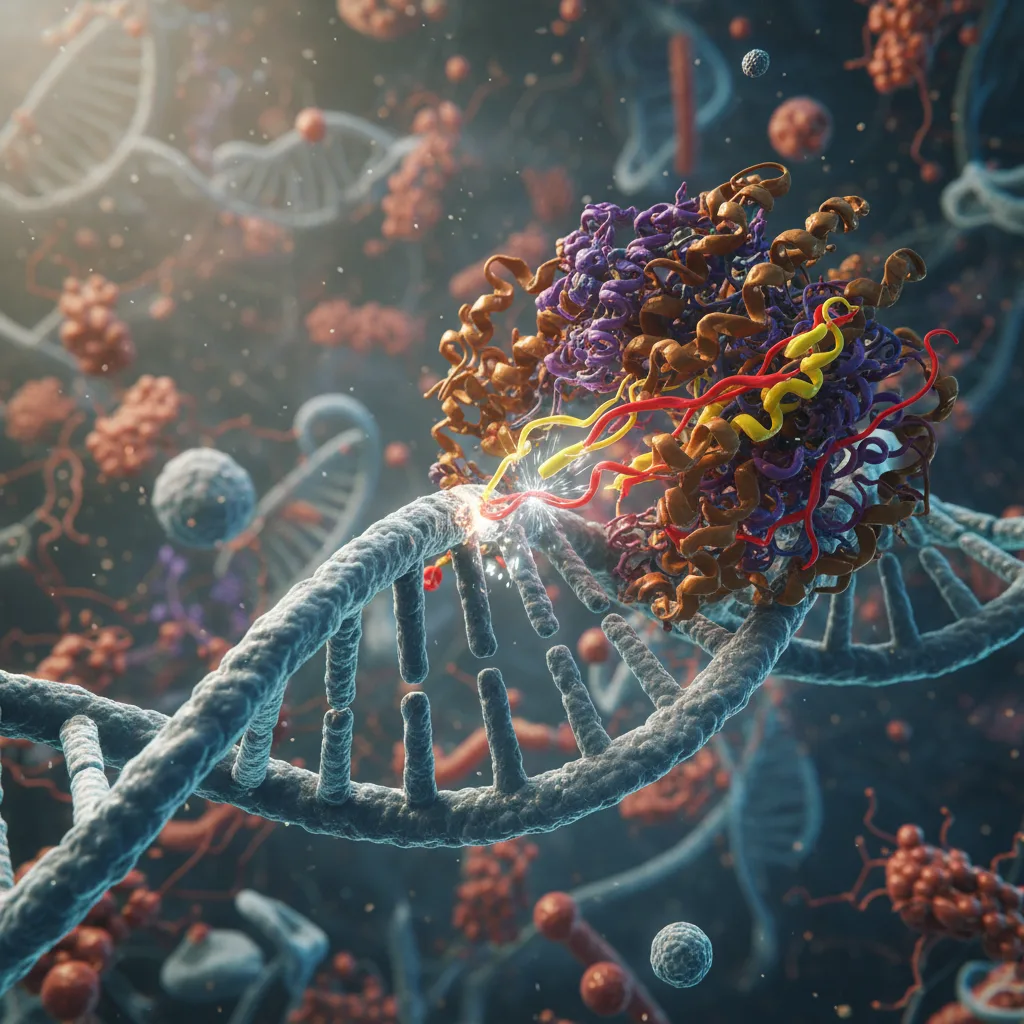
How does it work? Imagine a highly sophisticated “search and replace” function for genetic code. The CRISPR system consists of two key components:
- Cas9 enzyme: Often referred to as the “molecular scissors,” this enzyme is capable of cutting DNA strands.
- Guide RNA (gRNA): A short RNA molecule designed to match a specific DNA sequence. The gRNA acts like a GPS, leading the Cas9 enzyme precisely to the target DNA location.
Once the gRNA guides Cas9 to the desired sequence, Cas9 makes a cut in the DNA. The cell’s natural repair mechanisms then kick in. Scientists can leverage this repair process to either:
- Deactivate a gene: By allowing the cell to repair the break imperfectly, often leading to a non-functional gene.
- Insert a new gene or correct a mutation: By providing a template DNA strand, the cell can use it to repair the break accurately, incorporating the desired changes.
What makes CRISPR so revolutionary compared to older gene-editing techniques is its precision, speed, and cost-effectiveness. These qualities have democratized genetic engineering, making it accessible to a broader range of researchers and accelerating the pace of discovery across countless fields.
Current Applications of CRISPR in Genetic Engineering
The impact of CRISPR is already being felt across medicine, agriculture, and fundamental research, demonstrating its immediate utility in addressing some of humanity’s most pressing challenges.
In medicine, CRISPR holds immense promise for treating a vast array of genetic diseases. Clinical trials are currently underway, investigating CRISPR-based therapies for conditions such as:
- Sickle Cell Anemia and Beta-Thalassemia: These debilitating blood disorders are caused by single-gene mutations. Early results from trials modifying a patient’s own hematopoietic stem cells to produce healthy hemoglobin have shown significant therapeutic benefits, with some patients achieving functional cures.
- Cystic Fibrosis: Researchers are exploring ways to correct the faulty CFTR gene responsible for this lung disease.
- Huntington’s Disease: Efforts are focused on silencing the toxic gene responsible for this neurodegenerative disorder.
- Cancer Immunotherapy: CRISPR is being used to enhance CAR T-cell therapy, where a patient’s immune cells are engineered to more effectively target and destroy cancer cells. By editing specific genes in T-cells, scientists can make them more potent, persistent, and less susceptible to exhaustion.
- Viral Infections: Scientists are exploring CRISPR’s potential to directly target and disable the DNA of viruses like HIV and herpes in infected cells.
Beyond human health, CRISPR is transforming agriculture. The ability to precisely modify plant and animal genomes offers solutions for food security and sustainability:
- Crop Improvement: Scientists are developing crops with enhanced resistance to pests, diseases, and environmental stressors like drought and salinity. For instance, CRISPR has been used to create wheat resistant to powdery mildew and rice varieties with improved yield.
- Nutritional Enhancement: Gene editing can boost the nutritional content of staple crops, addressing malnutrition. Examples include creating tomatoes with increased vitamin D and soybeans with healthier oil profiles.
- Livestock Enhancement: CRISPR can be used to engineer livestock with increased disease resistance (e.g., pigs resistant to Porcine Reproductive and Respiratory Syndrome Virus, PRRSV) or improved traits like faster growth and leaner meat.

In basic research, CRISPR has become an indispensable tool for understanding gene function. By systematically disabling or altering genes, scientists can observe the resulting effects on cells or organisms, providing crucial insights into biological pathways and disease mechanisms. This capability is vital for identifying new drug targets and developing diagnostic tools.

CRISPR and the Future of Genetic Engineering: Beyond Therapy
While current applications are already revolutionary, the future implications of CRISPR and the future of genetic engineering stretch far beyond treating existing conditions, venturing into areas that challenge our definitions of life and ethics.
One of the most discussed and controversial areas is germline editing. Unlike somatic cell editing (which affects only the treated individual), germline editing involves modifying the DNA in embryos, sperm, or egg cells. These changes would be heritable, meaning they would be passed down to future generations.
- Potential Benefits: Germline editing offers the theoretical possibility of eradicating inherited diseases from a family line forever. Imagine a future where devastating conditions like Huntington’s or Tay-Sachs disease could be eliminated from the human gene pool.
- Ethical Concerns: The prospect of “designer babies” – genetically enhanced humans with selected traits – raises profound ethical dilemmas. The 2018 case of Chinese scientist He Jiankui, who controversially claimed to have created the first CRISPR-edited babies to confer HIV resistance, sparked global condemnation and highlighted the urgent need for international consensus and robust regulation.
Beyond human modification, CRISPR could enable de-extinction efforts. Projects like the “de-extinction” of the woolly mammoth or the passenger pigeon involve using CRISPR to insert genes from extinct species into the genomes of closely related living relatives, aiming to resurrect lost species. While scientifically intriguing, these projects raise complex ecological questions about the impact of reintroducing species into modern ecosystems.
Another powerful application is gene drives. A gene drive is a genetic engineering technology that biases inheritance, ensuring that a particular gene or set of genes is passed on to nearly all offspring. This can rapidly spread a desired trait throughout an entire population, even if it’s not naturally advantageous.
- Potential Uses: Gene drives are being explored to control disease-carrying pests, such as mosquitoes that transmit malaria or dengue fever, by rendering them sterile or unable to carry the pathogen.
- Risks: The ability to rapidly alter entire populations raises significant concerns about unintended ecological consequences, potential misuse, and the irreversible nature of such changes.
Furthermore, CRISPR is rapidly advancing in diagnostics. SHERLOCK and DETECTR are CRISPR-based diagnostic platforms that can quickly and accurately detect specific DNA or RNA sequences, enabling rapid identification of pathogens like SARS-CoV-2, Zika, and Ebola, as well as genetic markers for cancer. This offers a future of highly accessible and rapid point-of-care diagnostics.
Ethical and Societal Challenges
The immense power of CRISPR inevitably brings with it a host of profound ethical, social, and governance challenges that demand careful consideration and public discourse.
The most immediate and contentious issue revolves around germline editing and the slippery slope towards “designer babies.” While therapeutic germline editing to prevent severe genetic diseases might be justifiable to some, the line between therapy and enhancement is blurry. Who decides which traits are “desirable”? Could this lead to a new form of eugenics, exacerbating social inequalities and creating a genetically stratified society? The potential for irreversible changes to the human gene pool and the implications for human identity and diversity are central to this debate.
Accessibility and Equity are critical concerns. If CRISPR therapies are expensive, they could become a luxury, deepening existing health disparities between rich and poor nations or socioeconomic groups. Ensuring equitable access to these life-changing technologies is paramount to prevent a future where genetic health is determined by wealth.
The potential for unintended consequences is another major worry. Despite CRISPR’s precision, “off-target edits” (unintended changes to the DNA at locations other than the target) can occur, potentially leading to unforeseen health problems. In the context of gene drives, the ecological impact of altering entire wild populations could be devastating and irreversible, potentially disrupting ecosystems in ways we cannot fully predict.
Philosophical questions also abound. Are we “playing God” by manipulating the fundamental building blocks of life? How do we define “normal” versus “disease” in a world where genetic traits can be altered? These questions challenge deeply held beliefs and require thoughtful engagement from ethicists, policymakers, and the public.
Finally, the need for robust regulation and governance cannot be overstated. Given the global nature of scientific research and the potential for misuse, international consensus and coordinated regulatory frameworks are crucial. Clear guidelines, ethical review boards, and public oversight are essential to ensure that CRISPR technology is developed and applied responsibly for the benefit of all humanity.
The Road Ahead: Innovations and Outlook for Genetic Engineering
The field of genetic engineering is evolving at a breathtaking pace, with CRISPR itself undergoing continuous refinement and new technologies emerging to address its limitations. The road ahead promises even greater precision, versatility, and therapeutic potential.
CRISPR 2.0 and Beyond: While the original CRISPR-Cas9 system is powerful, scientists are developing “next-generation” editing tools:
- Base Editing: This technique allows for the direct conversion of one DNA base pair into another without cutting the DNA double helix. This offers more precise, “point mutation” corrections, potentially reducing off-target effects and avoiding the need for double-strand breaks that can be error-prone.
- Prime Editing: Often described as a “search and replace” tool, prime editing can make targeted insertions, deletions, and all 12 possible base-to-base changes. It uses a reverse transcriptase enzyme to write new DNA sequences directly into a target site, offering even greater versatility and precision than traditional CRISPR-Cas9 or base editing. These advancements are crucial for correcting a wider range of genetic mutations with higher accuracy.
Improved Delivery Systems: A significant challenge in gene therapy is efficiently and safely delivering the CRISPR components (Cas9 and gRNA) to the target cells or tissues in the body. Innovations in this area include:
- Viral Vectors: Adeno-associated viruses (AAVs) are commonly used to deliver genetic material, but new viral designs are being explored for better targeting and reduced immunogenicity.
- Non-viral Delivery: Nanoparticles, lipid nanoparticles (similar to those used in mRNA vaccines), and electroporation are being developed to deliver CRISPR components directly, offering potentially safer and more controlled methods.
AI and Machine Learning: Artificial intelligence is playing an increasingly vital role in accelerating genetic engineering research. AI algorithms can analyze vast datasets to:
- Predict optimal guide RNA sequences, minimizing off-target edits.
- Design new Cas enzymes with enhanced properties.
- Identify novel gene targets for various diseases.
- Model the potential effects of genetic modifications, speeding up drug discovery and therapy development.
The integration of these advanced tools and techniques is paving the way for truly personalized medicine, where treatments are tailored to an individual’s unique genetic makeup. Imagine a future where a patient’s genetic profile dictates a precise, custom-designed CRISPR therapy to correct their specific mutation. This vision, once science fiction, is rapidly becoming a tangible reality, demanding continued innovation, collaboration, and careful ethical consideration.
Conclusion
CRISPR and the future of genetic engineering represents one of humanity’s most profound scientific achievements, offering an unprecedented ability to edit the very code of life. From curing debilitating genetic diseases and enhancing agricultural resilience to pioneering new diagnostic tools, its potential to transform our world is immense.
However, with such power comes immense responsibility. The ethical complexities surrounding germline editing, the potential for unintended consequences, and the imperative for equitable access demand ongoing global dialogue and robust regulatory frameworks. As we continue to unlock the secrets of the genome, the journey ahead will be a delicate balance between scientific ambition and ethical stewardship. The future of genetic engineering, spearheaded by CRISPR, is not just about what we can do, but what we should do, ensuring that this revolutionary technology serves to benefit all of humanity responsibly and justly.