Critically Endangered Species: Conservation Status & Threats Guide
Explore the urgent crisis of critically endangered species. Understand their conservation status, the severe threats they face, and why immediate action is crucial to prevent extinction.
Unraveling the Dire State: A Comprehensive Guide to Critically Endangered Species Conservation Status and Threats
Our planet is a tapestry of life, vibrant and diverse, yet a significant portion of its intricate patterns are fraying at an alarming rate. The term critically endangered species conservation status threats represents one of the most pressing environmental crises of our time. It signals a species facing an extremely high risk of extinction in the wild, a final warning before irreversible loss. Understanding this critical status and the pervasive dangers driving species towards the brink is not just an academic exercise; it’s a vital step towards safeguarding Earth’s irreplaceable biodiversity.
This guide from TrendSeek will delve deep into what it means for a species to be critically endangered, explore the multifaceted threats that push them to the edge, highlight compelling real-world examples, and outline the crucial conservation strategies being deployed to avert global tragedy.
Understanding “Critically Endangered”: The Apex of Risk
The conservation status of a species is a measure of its likelihood of becoming extinct. The most widely recognized and respected system for assessing this is the IUCN Red List of Threatened Species, maintained by the International Union for Conservation of Nature. This list categorizes species into nine groups, based on criteria such as population size, rate of decline, geographic distribution, and population fragmentation.
The categories, from lowest to highest risk of extinction, are:
- Least Concern (LC)
- Near Threatened (NT)
- Vulnerable (VU)
- Endangered (EN)
- Critically Endangered (CR)
- Extinct in the Wild (EW)
- Extinct (EX)
There are also categories for Data Deficient (DD) and Not Evaluated (NE).
A species designated as Critically Endangered (CR) is facing an extremely high risk of extinction in the wild. This is the highest risk category before a species is considered Extinct in the Wild. The criteria for this designation are stringent and include:
- A reduction in population size of 80-99% over 10 years or three generations.
- A restricted geographic range, often less than 100 km² and severely fragmented.
- An estimated population size of fewer than 50 mature individuals.
- A quantitative analysis showing a probability of extinction of at least 50% within 10 years or three generations.
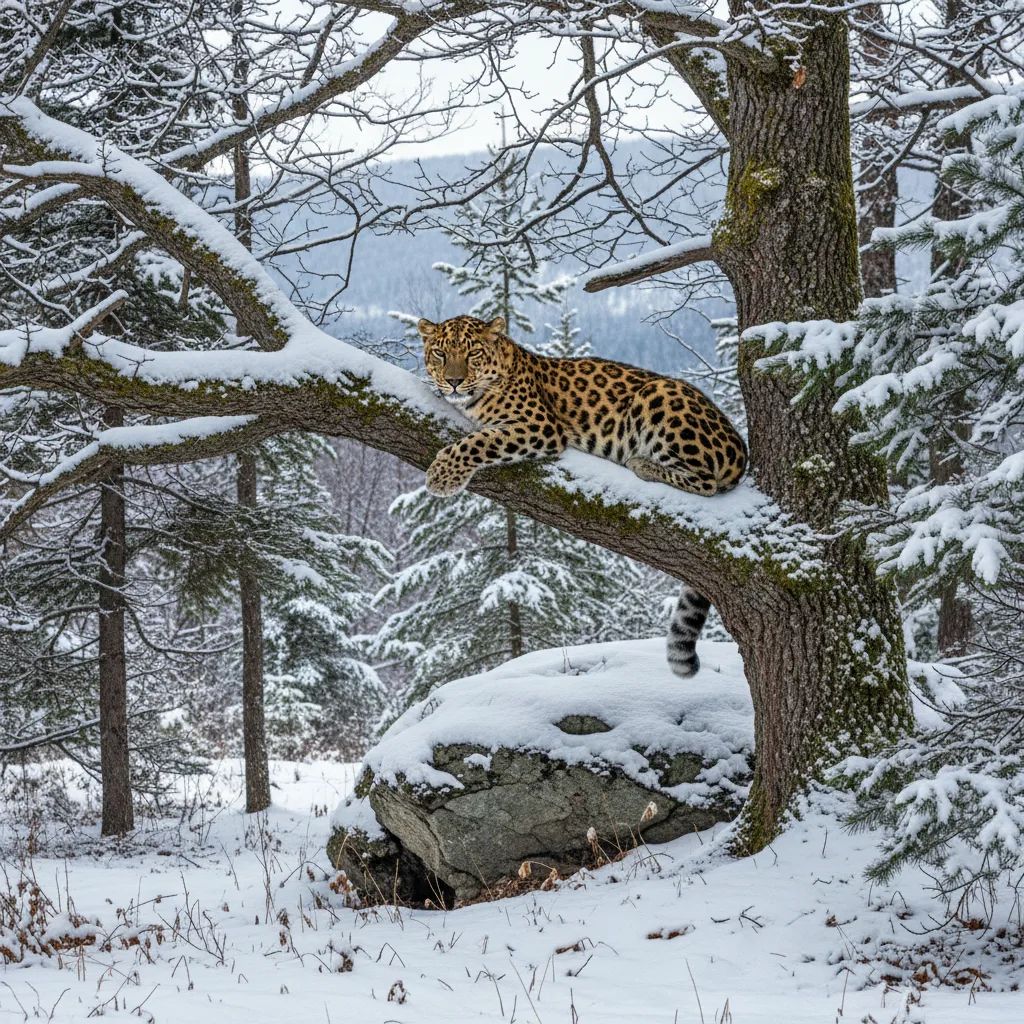
This status is a stark siren call, indicating that without immediate and effective intervention, the species’ disappearance from its natural habitat is imminent. The Vaquita, the Javan Rhino, and the Amur Leopard are just a few examples currently teetering on this precipice.
The Core Critically Endangered Species Conservation Status Threats
The forces driving species to critically endangered status are complex and often interconnected, creating a relentless assault on biodiversity. Understanding these critically endangered species conservation status threats is paramount to formulating effective solutions.
1. Habitat Loss and Degradation
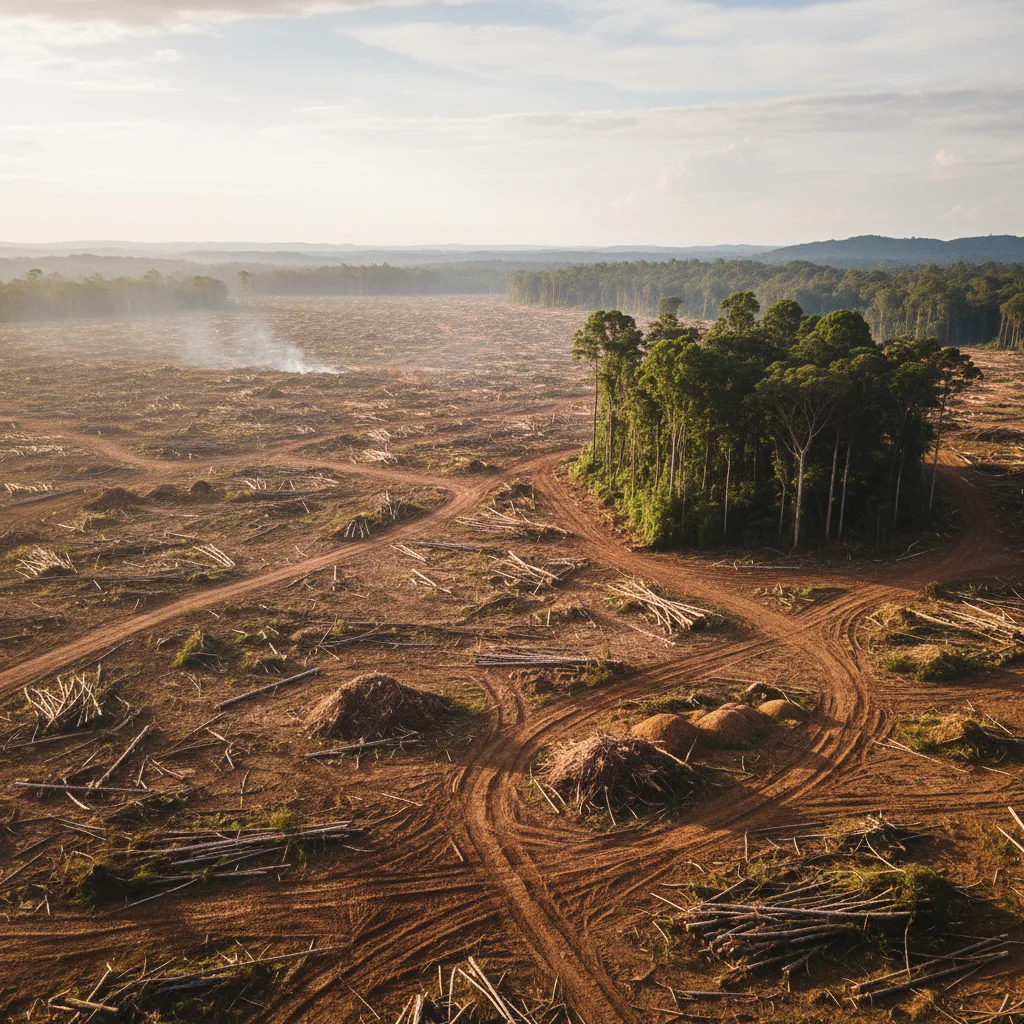
This is arguably the single greatest threat to biodiversity globally. As human populations expand and resource demands intensify, natural habitats are destroyed or severely altered.
- Deforestation: The clearing of forests for agriculture (palm oil plantations, cattle ranching), logging, and urbanization devastates species like the Bornean Orangutan and Sumatran Tiger.
- Wetland Destruction: Draining wetlands for development or agriculture eliminates crucial breeding grounds and food sources for amphibians, migratory birds, and fish.
- Oceanic Habitat Destruction: Coral reefs, vital nurseries for marine life, are suffering from rising ocean temperatures, acidification, and destructive fishing practices.
- Habitat Fragmentation: Even if not completely destroyed, habitats can be broken into smaller, isolated patches, preventing gene flow, reducing access to resources, and making populations more vulnerable to local extinction.
2. Poaching and Illegal Wildlife Trade
The illicit trade in wildlife and wildlife products is a multi-billion-dollar industry, driven by demand for exotic pets, traditional medicine, luxury items, and bushmeat.
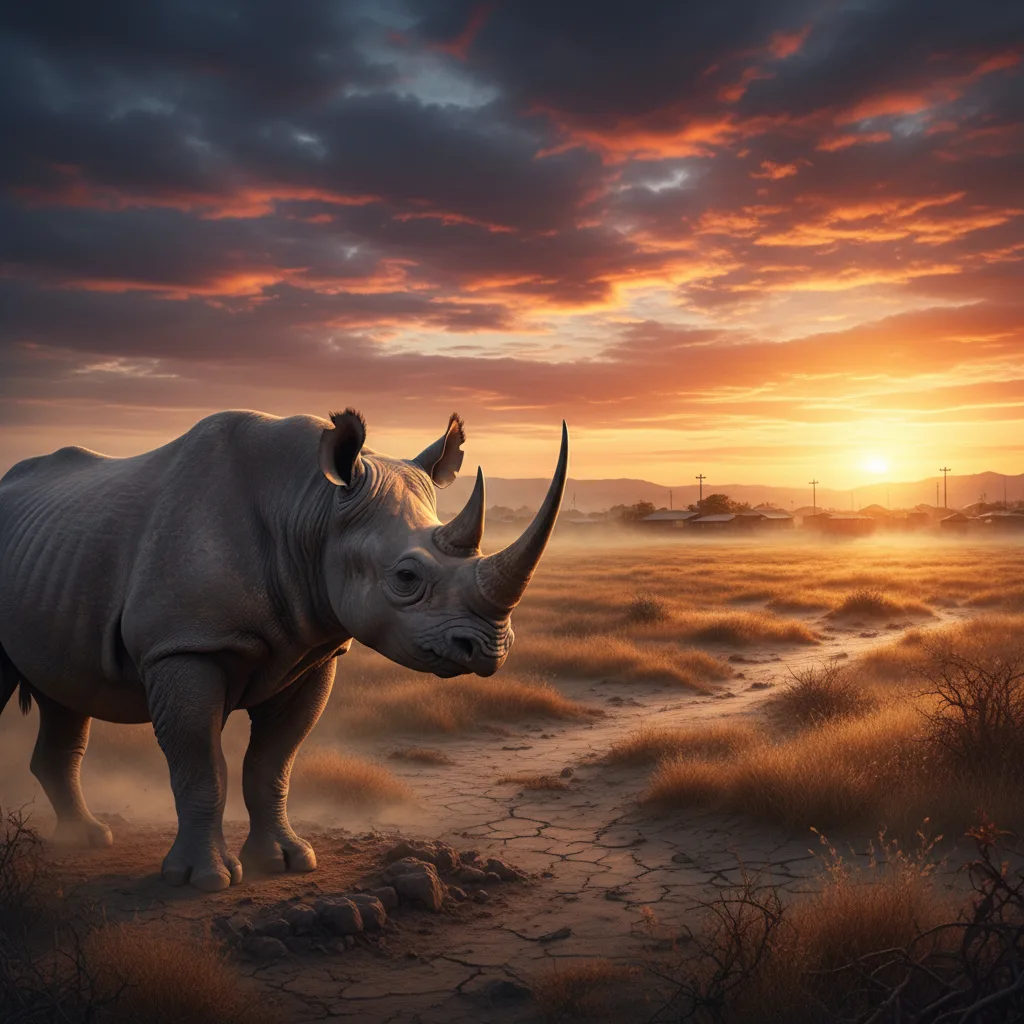
- Rhino Horn: Despite having no proven medicinal value, rhino horn is highly sought after in some Asian markets, leading to the relentless poaching of all rhino species, including the Black Rhino and Javan Rhino.
- Elephant Ivory: The demand for ivory continues to fuel the slaughter of African and Asian elephants.
- Pangolins: These shy, scaly mammals are the most trafficked animals in the world, valued for their meat and scales (used in traditional medicine). All eight species are now threatened, with several critically endangered.
- Tiger Parts: Every part of a tiger, from bones to whiskers, is illegally traded for various purposes, pushing the remaining tiger subspecies to the brink.
3. Climate Change
The rapid alteration of global climate patterns poses an existential threat to countless species.
- Sea-Level Rise: Threatens coastal habitats and low-lying islands, displacing species and destroying nesting sites.
- Extreme Weather Events: Increased frequency and intensity of droughts, floods, and wildfires directly impact species populations and their habitats.
- Changing Phenology: Shifts in temperature and precipitation patterns disrupt natural cycles, such as breeding seasons, migration routes, and food availability, leading to mismatches between species and their resources.
- Ocean Acidification and Warming: Devastates marine ecosystems, particularly coral reefs, which support a quarter of all marine species.
4. Pollution
Pollution takes many forms, each with devastating consequences for wildlife.
- Plastic Pollution: Marine species, from tiny zooplankton to large whales, ingest plastic, leading to starvation, internal injuries, and entanglement. The Vaquita, for example, is critically endangered due to entanglement in gillnets, a form of fishing gear often made of plastic.
- Chemical Pollution: Pesticides, industrial chemicals, and pharmaceutical waste contaminate soil, water, and air, accumulating in the food chain and causing reproductive failure, disease, and death.
- Light and Noise Pollution: Disrupts animal behavior, migration, and communication, particularly for nocturnal species.
5. Invasive Alien Species
When non-native species are introduced to new ecosystems, either accidentally or intentionally, they can wreak havoc on native flora and fauna.
- Predation: Invasive predators, like rats, cats, and snakes, have decimated native bird and reptile populations, especially on islands where native species evolved without such threats. The Kakapo (a critically endangered flightless parrot from New Zealand) has suffered greatly from introduced stoats and rats.
- Competition: Invasive species can outcompete native species for resources, pushing them towards starvation.
- Disease Transmission: Invasive species can carry novel diseases to which native populations have no immunity.
6. Disease
Emerging infectious diseases, often exacerbated by habitat loss and climate change, can decimate vulnerable populations.
- Chytrid Fungus: This virulent pathogen has caused catastrophic declines in amphibian populations worldwide, leading to the critically endangered status of numerous frog and salamander species.
- Canine Distemper: This virus has threatened populations of endangered carnivores like the Amur Leopard and African Wild Dog.
Case Studies in Peril: Real-World Critically Endangered Species and Their Unique Threats
Examining specific examples helps to illustrate the dire reality of critically endangered species conservation status threats.
The Vaquita (Phocoena sinus)
The world’s smallest porpoise, the Vaquita, is found only in a small area of the Gulf of California, Mexico. With fewer than 10 individuals remaining, it is the most critically endangered marine mammal. Its primary threat is bycatch in illegal gillnets set for the totoaba fish, whose swim bladder is highly prized in traditional Chinese medicine. Despite bans on these nets, illegal fishing persists, pushing the Vaquita to the absolute brink.
The Amur Leopard (Panthera pardus orientalis)
Native to the Far East of Russia and northeastern China, the Amur Leopard is one of the rarest big cats, with an estimated population of around 120 individuals. Its main threats are habitat loss and fragmentation due to logging and forest fires, poaching for its beautiful fur, and the depletion of its prey base (such as roe deer and sika deer) by human hunting.
The Javan Rhino (Rhinoceros sondaicus)
Once widespread across Southeast Asia, the Javan Rhino is now restricted to a single population of around 76 individuals in Ujung Kulon National Park, Indonesia. Its critically endangered status is primarily due to poaching for its horn and habitat loss throughout its historical range. The small, isolated population also faces threats from disease and potential tsunamis due to its coastal habitat.
Conservation Strategies: Turning the Tide for Critically Endangered Species
Despite the overwhelming challenges, dedicated individuals, organizations, and governments are implementing a range of strategies to combat critically endangered species conservation status threats and bring species back from the brink.
1. Protected Areas and Habitat Restoration
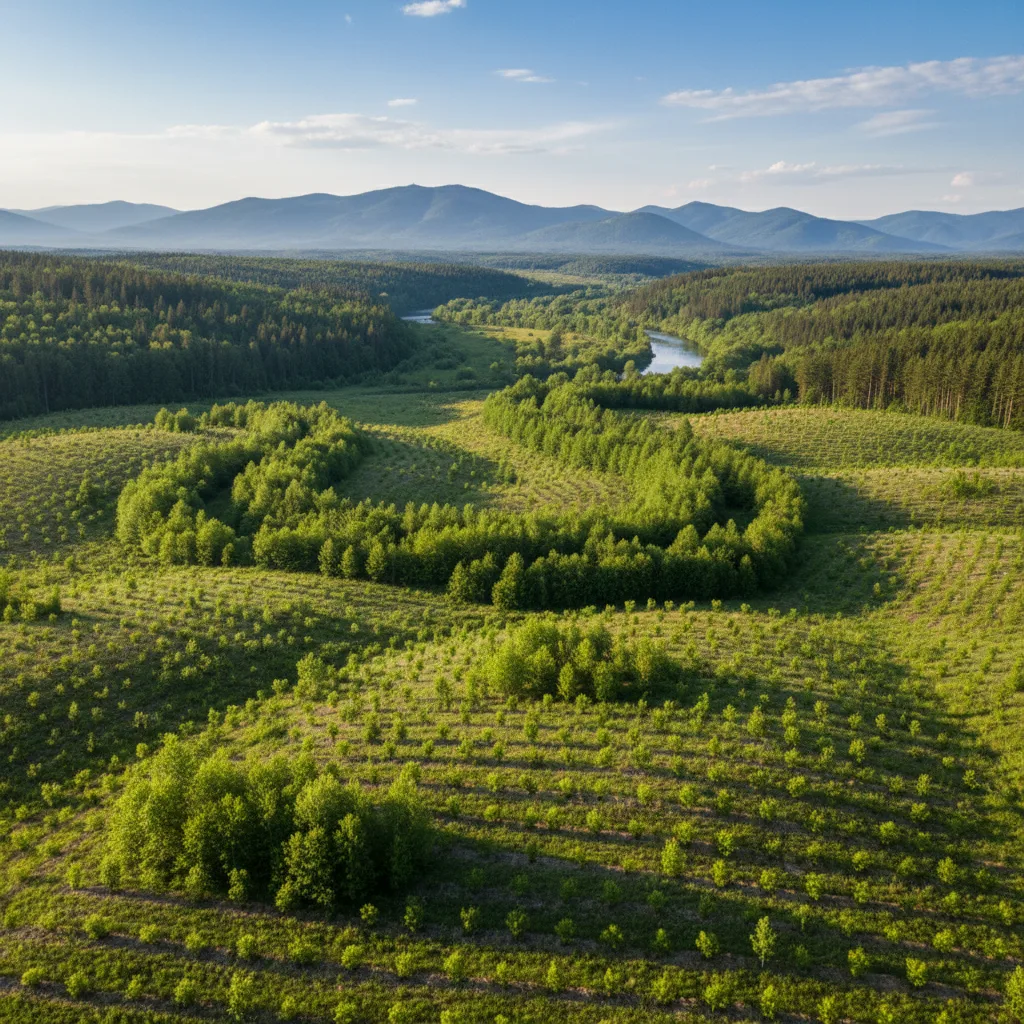
Establishing and effectively managing national parks, wildlife reserves, and marine protected areas is crucial. Efforts also focus on habitat restoration, such as reforestation, wetland rehabilitation, and creating wildlife corridors to connect fragmented habitats, allowing species to move, forage, and breed more safely.
2. Anti-Poaching Efforts and Law Enforcement
Intensified anti-poaching patrols, often employing advanced technologies like drones and satellite monitoring, are vital. This is coupled with stronger law enforcement, prosecution of poachers and traffickers, and international cooperation to dismantle illegal wildlife trade networks. Demand reduction campaigns in consumer countries are also key.
3. Captive Breeding and Reintroduction Programs
For species with dangerously low wild populations, captive breeding programs in zoos and specialized facilities can serve as an “ark,” preserving genetic diversity. Successful reintroduction programs, like those for the California Condor and the Arabian Oryx, demonstrate that species can be returned to the wild once threats are mitigated.
4. Sustainable Practices and Policy Change
Promoting sustainable agriculture, forestry, and fishing practices can reduce pressure on natural habitats. Government policies that protect critical habitats, regulate resource extraction, and combat climate change are essential. Ecotourism, when managed responsibly, can also provide economic incentives for conservation.
5. Community Engagement and Education
Engaging local communities living alongside endangered species is paramount. By providing alternative livelihoods, educating about the value of biodiversity, and involving them in conservation efforts, communities can become powerful allies rather than antagonists. Public awareness campaigns also play a crucial role in garnering support.
6. Scientific Research and Monitoring
Ongoing scientific research helps us understand species’ ecological needs, population dynamics, and the specific threats they face. Monitoring programs track population trends, allowing conservationists to adapt strategies and measure success. Genetic research can also inform breeding programs and identify vulnerable populations.
The Role of Global Cooperation and Individual Action
Addressing the complex challenges posed by critically endangered species conservation status threats requires a collective effort.
International Agreements and Organizations: Treaties like the Convention on International Trade in Endangered Species of Wild Fauna and Flora (CITES) regulate the international trade of endangered species. Organizations like the IUCN, WWF, and numerous local NGOs work tirelessly on the ground and at policy levels to implement conservation programs.
Individual Action: Every individual has a role to play.
- Consumer Choices: Support sustainable products (e.g., certified palm oil, sustainable seafood) and avoid products linked to illegal wildlife trade.
- Reduce Your Carbon Footprint: Mitigate climate change by reducing energy consumption, choosing sustainable transport, and supporting renewable energy.
- Advocacy and Education: Speak up for conservation, educate others, and support policies that protect wildlife and habitats.
- Support Conservation Organizations: Donate to or volunteer with reputable organizations working on the front lines of conservation.
- Responsible Tourism: Choose eco-friendly tourism operators that respect wildlife and local communities.
Conclusion
The plight of critically endangered species serves as a powerful barometer of our planet’s health. The critically endangered species conservation status threats we face are immense, driven by human activities that directly impact the delicate balance of ecosystems. From habitat destruction and poaching to climate change and pollution, these pressures push countless species towards oblivion.
However, the story is not one of inevitable despair. Through dedicated conservation efforts, innovative strategies, and a growing global awareness, there is hope. By understanding the gravity of the situation, supporting robust conservation initiatives, and making conscious choices in our daily lives, we can collectively work to mitigate these threats. The future of Earth’s most vulnerable inhabitants, and indeed the health of our own species, depends on our immediate and sustained action to protect the irreplaceable biodiversity that makes our world so extraordinary.