Brazil vs. Argentina: Unpacking Their Unique Cultural Differences
Explore the fascinating cultural distinctions between Brazil and Argentina. Delve into their unique identities, shaped by history, immigration, and national development.
Navigating the Samba and Tango: A Deep Dive into Cultural Differences Between Brazil and Argentina
South America, a continent brimming with vibrant cultures and breathtaking landscapes, is home to two of its most iconic nations: Brazil and Argentina. Often seen as rivals on the football pitch, these two giants share a continent but possess distinctly unique identities forged by centuries of history, immigration, and individual national development. For anyone looking to understand the true essence of South America, grasping the cultural differences between Brazil and Argentina is paramount. At TrendSeek, we believe that understanding these nuances enriches travel, business, and interpersonal relationships. This comprehensive guide will take you on a journey through their fascinating distinctions, from language and cuisine to values and national pastimes.
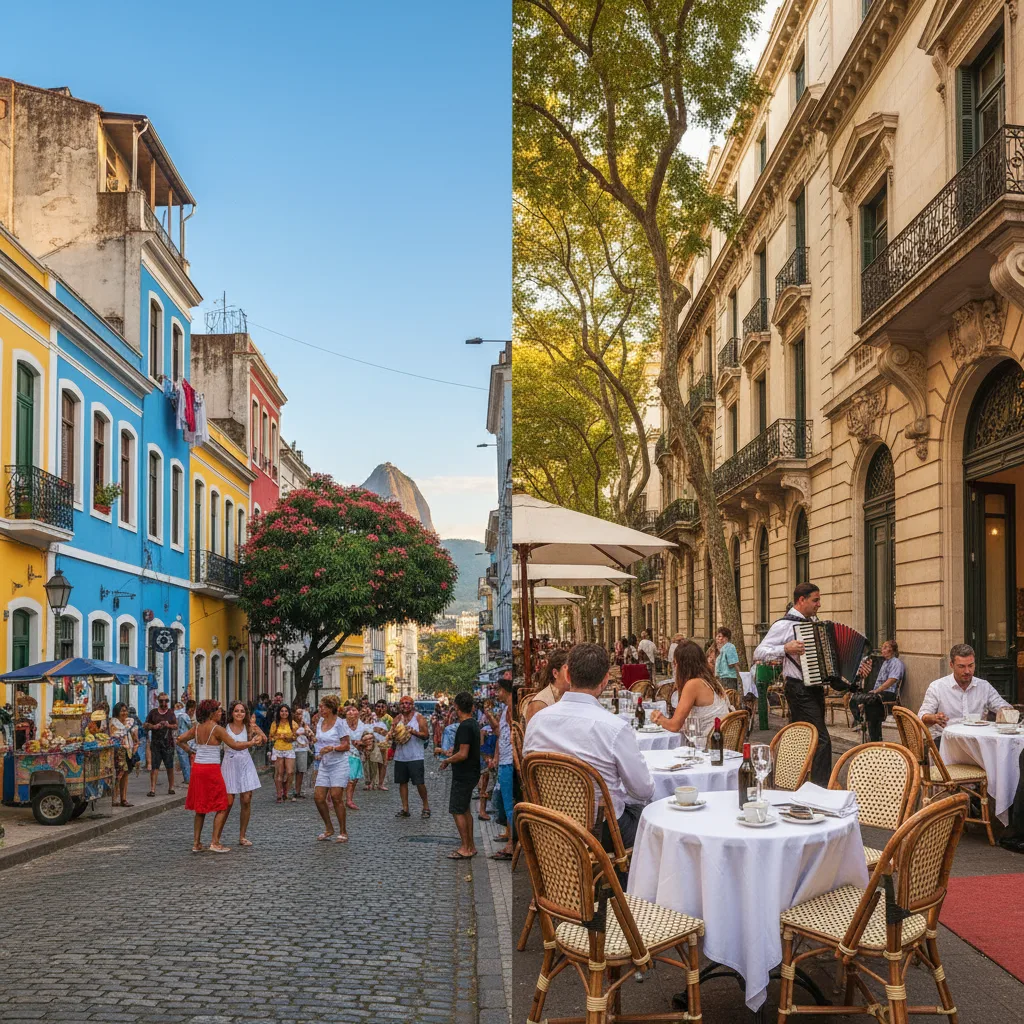
While both nations are celebrated for their passion, hospitality, and zest for life, their expressions of these qualities diverge significantly. Brazil, a former Portuguese colony, is a sprawling, tropical mosaic of indigenous, African, and European influences. Argentina, on the other hand, a former Spanish colony, proudly wears its European heritage, shaped heavily by waves of Italian and Spanish immigration. These foundational differences have sculpted every facet of their societies, creating a captivating tapestry of contrasts.
Historical Roots and Shaping National Identity
The divergent colonial histories of Brazil and Argentina laid the groundwork for their distinct cultural paths.
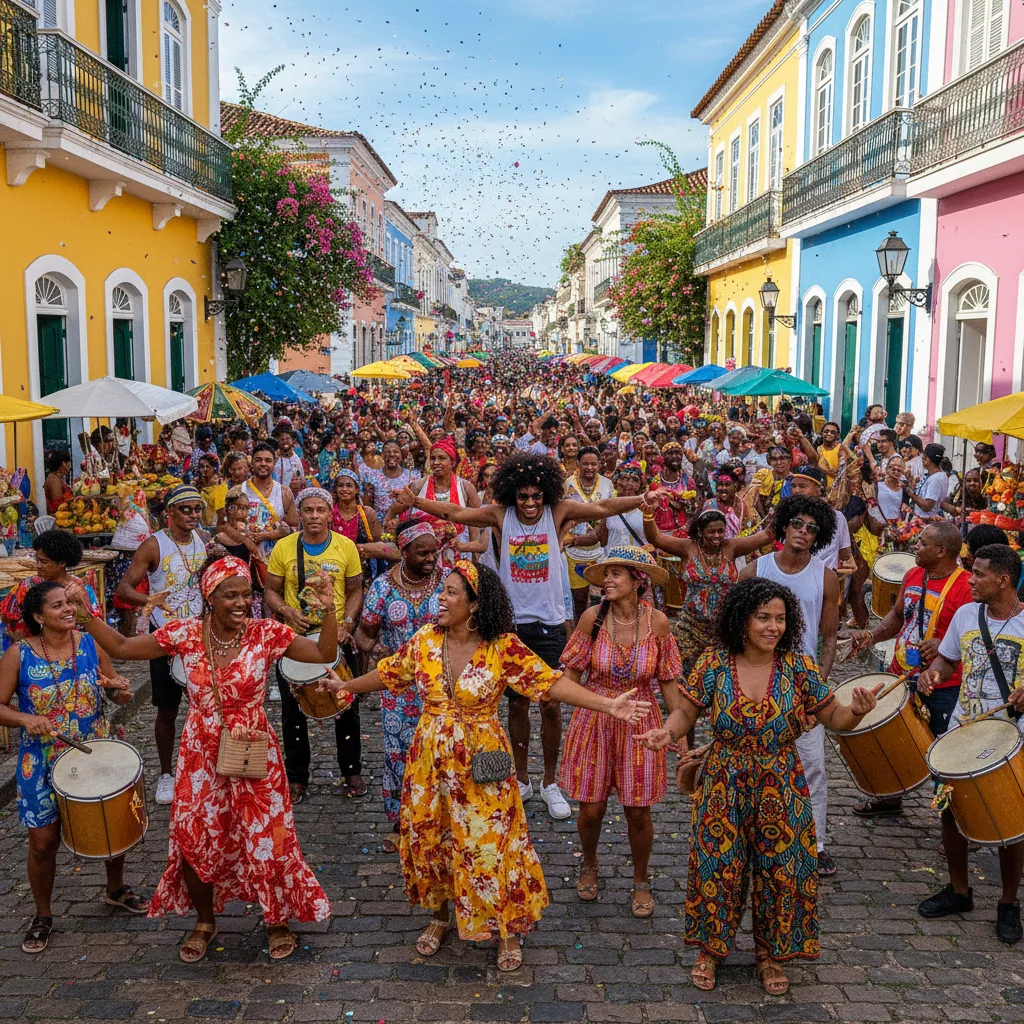
Brazil’s Portuguese Legacy and Multiculturalism: Brazil’s story began with Portuguese colonization in 1500. Unlike the Spanish territories that fragmented into multiple nations, Brazil remained a unified Portuguese-speaking empire until its peaceful transition to a republic. This long period under a single crown, coupled with the massive forced migration of African slaves to work on sugar plantations, created a profoundly mixed society. Brazil proudly embraces its multiculturalism and racial mixing (miscegenation) as core to its identity. The “melting pot” analogy in Brazil often refers to the blending of indigenous, African, and European bloodlines and traditions, resulting in a rich, syncretic culture evident in its music, religion, and cuisine. The concept of mestiçagem (racial mixing) is celebrated, contributing to a fluid understanding of race compared to many other nations.
Argentina’s Spanish Heritage and Europeanization: Argentina’s colonial experience under Spain was different. Buenos Aires, initially less strategic than Lima or Mexico City, later became a significant port. After independence, Argentina actively pursued a policy of European immigration in the late 19th and early 20th centuries, particularly from Italy and Spain, and to a lesser extent, Germany and other European countries. This influx was so massive that it dramatically reshaped the country’s demographics, leading to a strong sense of European identity. Argentine culture often highlights its European sophistication, intellectualism, and cosmopolitan flair, especially in Buenos Aires, which is frequently dubbed the “Paris of South America.” While indigenous cultures exist, they are less central to the dominant national narrative than in Brazil.
Language, Communication, and Social Etiquette: Navigating the Nuances
One of the most immediate and striking cultural differences between Brazil and Argentina is language, which in turn influences communication styles and social norms.
Linguistic Landscapes:
- Brazil: The official language is Brazilian Portuguese. While sharing roots with European Portuguese, it has evolved its own distinct pronunciation, vocabulary, and rhythm. It’s known for its melodic quality and regional variations. Brazilians are generally very expressive, using gestures and intonation to convey meaning.
- Argentina: The official language is Rioplatense Spanish, a dialect known for its unique pronunciation (the “sh” sound for “ll” and “y”), vocabulary (influenced by Italian immigrants, known as lunfardo), and the pervasive use of vos instead of tú for the informal second-person singular. Argentines are often perceived as speaking with a more assertive, direct tone, sometimes described as a “sing-song” intonation, especially in Buenos Aires.
Communication Styles and Social Etiquette:
- Brazilian Communication: Brazilians tend to be very warm, expressive, and physically demonstrative. Greetings often involve hugs (abraços) and kisses on the cheek (beijos no rosto), even among new acquaintances. They value harmony and avoid direct confrontation, often employing the jeitinho brasileiro – a creative, flexible way of finding a solution or getting things done, which can sometimes be seen as bending rules. Personal space is typically smaller than in many Western cultures.
- Argentine Communication: Argentines are also warm and passionate, but their initial interactions might be slightly more formal than Brazilians. A handshake is common for initial greetings, with besos (one kiss on the cheek) reserved for closer friends and family. While passionate in conversation, especially about politics or football, they can be more direct and less inclined to use the jeitinho approach. Punctuality, while still somewhat flexible, is generally more valued than in Brazil. Intellectual discussions and debates are common and enjoyed.
The Rhythms of Life: Music, Dance, and Festivities
The artistic expressions of Brazil and Argentina offer a vivid illustration of their cultural divergence, particularly in music and dance.
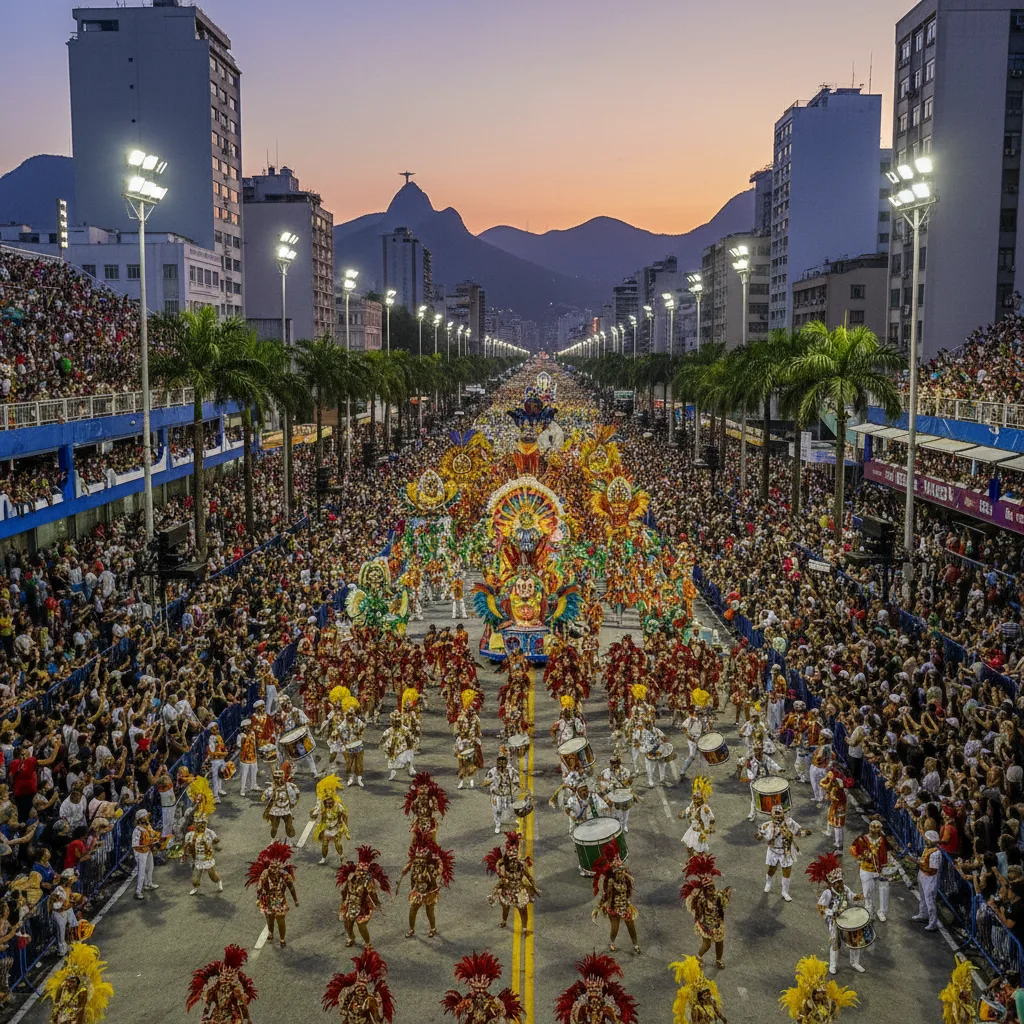
Brazil’s Infectious Rhythms: Brazilian culture is synonymous with rhythm and celebration. Samba is arguably Brazil’s most iconic cultural export, a vibrant dance and music genre with deep African roots, embodying the spirit of Carnival. Beyond samba, Brazil boasts a rich musical tapestry including Bossa Nova, Forró, Axé, and Funk Carioca, each reflecting different regional influences and social contexts.
- Carnival: The pinnacle of Brazilian festivity is Carnival, a pre-Lenten celebration that transforms the entire country into a kaleidoscope of parades, music, and dance. Cities like Rio de Janeiro, Salvador, and Olinda host world-renowned celebrations, characterized by elaborate costumes, massive street parties (blocos), and the intense competition of samba schools. Carnival is a period of collective effervescence, where social barriers blur, and joy reigns supreme.
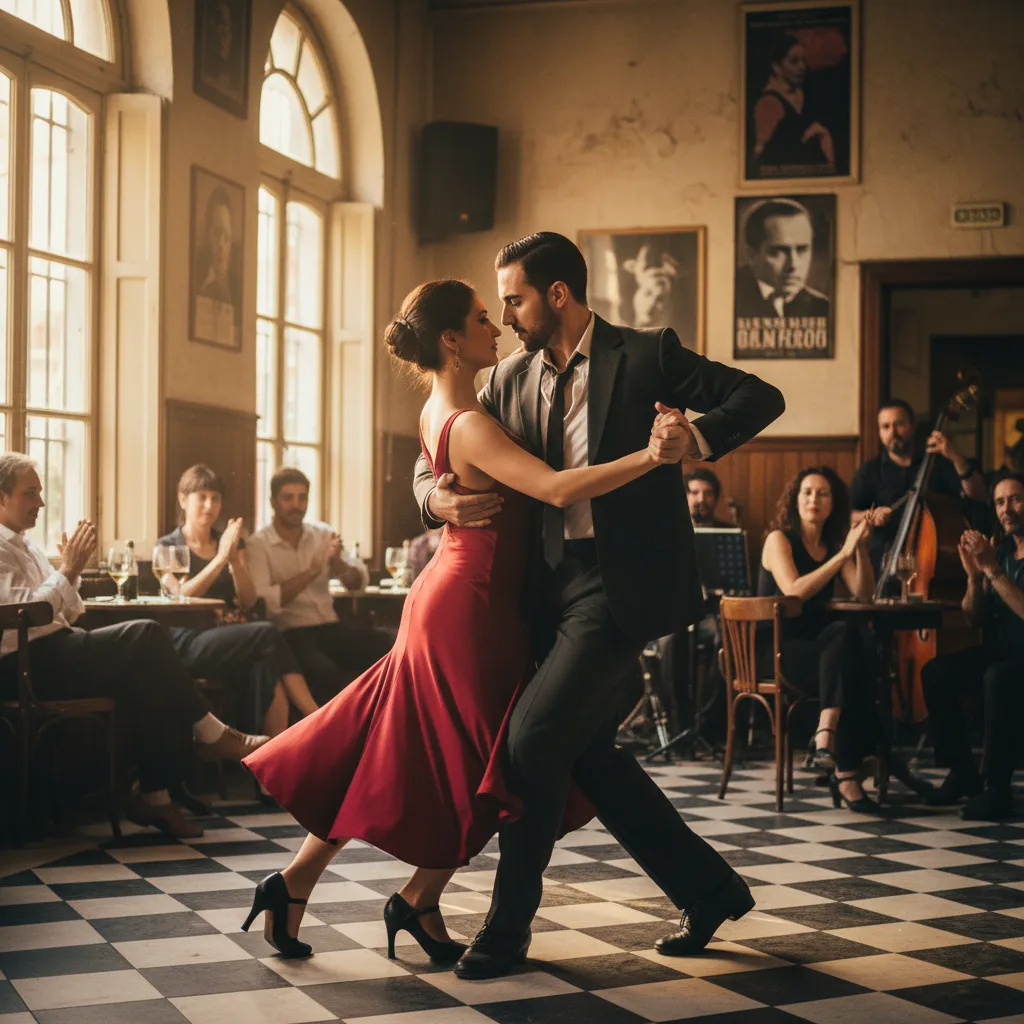
Argentina’s Passionate Tango: Argentina’s soul is often expressed through the melancholic yet passionate embrace of the Tango. Originating in the working-class neighborhoods of Buenos Aires in the late 19th century, Tango is more than just a dance; it’s a profound cultural expression of longing, love, and urban life, recognized by UNESCO as intangible cultural heritage. While Brazil has its popular dances, Tango holds a unique, almost sacred, place in the Argentine psyche.
- Other Music and Festivals: Beyond Tango, Argentine folk music, such as chacarera and zamba, thrives in rural areas. While Argentina does have its own carnaval celebrations (like Gualeguaychú), they are typically smaller in scale and different in spirit compared to Brazil’s overwhelming spectacle. Football, in many ways, serves as a powerful communal celebration, uniting the nation with an intensity that rivals any traditional festival.
Culinary Delights and Dining Customs
Food is a universal language, but the specific dialects spoken in Brazilian and Argentine kitchens are deliciously distinct.
Brazil’s Diverse Palate: Brazilian cuisine is a reflection of its multicultural heritage, combining indigenous ingredients with African and European cooking techniques.
- Staples: The national dish is Feijoada, a hearty stew of black beans with various cuts of pork and beef, typically served with rice, collard greens, and farofa (toasted cassava flour). Other iconic dishes include Moqueca (a flavorful fish stew), Pão de Queijo (cheese bread), Açaí bowls, and the ubiquitous Churrasco (Brazilian barbecue), served rodízio-style in churrascarias where waiters bring skewers of meat directly to your table.
- Beverages: Coffee is a national obsession, and the caipirinha (Brazil’s national cocktail made with cachaça, lime, and sugar) is a beloved drink.
- Dining Culture: Meals are often large, social affairs, especially lunch, which is considered the main meal. Hospitality is paramount, and hosts will insist guests eat generously.
Argentina’s European-Infused Gastronomy: Argentine cuisine, heavily influenced by Italian and Spanish immigration, focuses on high-quality ingredients, particularly beef.
- Staples: The centerpiece of Argentine cuisine is the Asado (Argentine barbecue), a meticulous ritual involving various cuts of beef cooked slowly over embers on a parrilla. Unlike Brazilian churrasco, Argentine asado emphasizes the natural flavors of the meat. Other popular foods include Empanadas (savory pastries), Milanesa (breaded meat cutlets), and pasta dishes. For dessert, Dulce de Leche (a caramel spread) is king, found in everything from pastries to ice cream.
- Beverages: Argentina is world-renowned for its Malbec wine, a perfect accompaniment to an asado. The national beverage, however, is Mate, a traditional herbal infusion sipped from a gourd with a metal straw, shared socially as a symbol of friendship and communal bonding.
- Dining Culture: Dinner is typically eaten quite late, often after 9 PM. Dining is a significant social event, characterized by leisurely conversations and generous portions. The parrilla is a central gathering place for family and friends.
Sports, Values, and Social Outlook: The Heartbeat of a Nation
Beyond the visible cultural markers, the underlying values and social outlooks of Brazilians and Argentines reveal profound cultural differences between Brazil and Argentina.
Football as Religion: A Shared but Rivalrous Passion: Both Brazil and Argentina share an unparalleled passion for football (soccer). For both nations, football is more than a sport; it’s a fundamental part of their national identity, a source of immense pride, and a stage for intense rivalry. The Brazil-Argentina football rivalry is one of the most famous and fiercely contested in the world, embodying a friendly yet deep-seated competition that extends beyond the pitch into various aspects of national pride. Legends like Pelé and Maradona, and more recently Neymar and Messi, are revered as national heroes in their respective countries, symbolizing their nation’s spirit and aspirations.
Brazilian Values and Outlook:
- Jeitinho Brasileiro: This term refers to the uniquely Brazilian way of finding creative, often informal, solutions to problems or navigating bureaucracy. It reflects a flexible, adaptable approach to life.
- Joy and Optimism: Despite economic or social challenges, Brazilians are often characterized by their resilience, optimism, and an ability to find joy in everyday life. The concept of alegria (joy) is central to their cultural expression.
- Community and Family: Family ties are extremely strong, and community bonds are highly valued. Social interactions are often warm, informal, and emphasize personal connections.
Argentine Values and Outlook:
- Intellectualism and European Sophistication: Argentines, particularly in urban centers, often pride themselves on their intellectual pursuits, literary tradition, and a perceived European sophistication. There’s a strong emphasis on education and cultural refinement.
- Pride and Passion: Argentines are fiercely proud of their heritage, their achievements (in sports, arts, and science), and their distinct identity. They are known for their passionate discussions and strong opinions.
- Melancholy and Reflection: While passionate, there can also be an underlying current of melancholy or introspection, often linked to the history of Tango or the country’s complex political past. This doesn’t detract from their warmth but adds a layer of depth to their character.
Conclusion
The cultural differences between Brazil and Argentina are as vast and varied as their landscapes, offering a rich tapestry for anyone eager to explore the heart of South America. From Brazil’s vibrant, African-infused samba rhythms and multicultural embrace to Argentina’s European-tinged tango and intellectual pride, these two nations, while neighbors, have carved out uniquely compelling identities.
Understanding these distinctions—be it the language spoken, the food on the table, the music in the air, or the values held dear—not only enriches our appreciation for each country but also fosters more meaningful interactions. While both share a love for football, family, and fervent passion, the ways they express these universal human experiences are wonderfully distinct. So, whether you’re drawn to the pulsating energy of a Brazilian Carnival or the soulful embrace of an Argentine Tango, remember that each step into these cultures is a journey into a world unlike any other, promising discovery, warmth, and an unforgettable experience.