20 Global School Differences: Culture's Impact on Education
Uncover 20 surprising cultural differences in schools worldwide. See how global education varies dramatically in routines, philosophies, and expectations, reflecting diverse human values.
Unpacking Global Classrooms: 20 Surprising Cultural Differences in Schools Around the World
At TrendSeek, we believe in exploring the rich tapestry of human experience, and few areas offer a more fascinating glimpse into cultural values than education. While the fundamental goal of schools worldwide remains consistent – to educate the next generation – the methods, environments, and expectations can vary dramatically. From the daily routines to the very philosophy of learning, a student’s experience can be profoundly shaped by their cultural context. Join us as we embark on a global tour, uncovering 20 surprising cultural differences in schools around the world that highlight the incredible diversity in how we prepare young minds for the future.
The Foundation of Learning: Classroom Environment and Discipline
The physical and behavioral norms within a classroom often reflect deeply ingrained societal values about respect, order, and community. What’s considered standard in one country might be utterly bewildering in another.
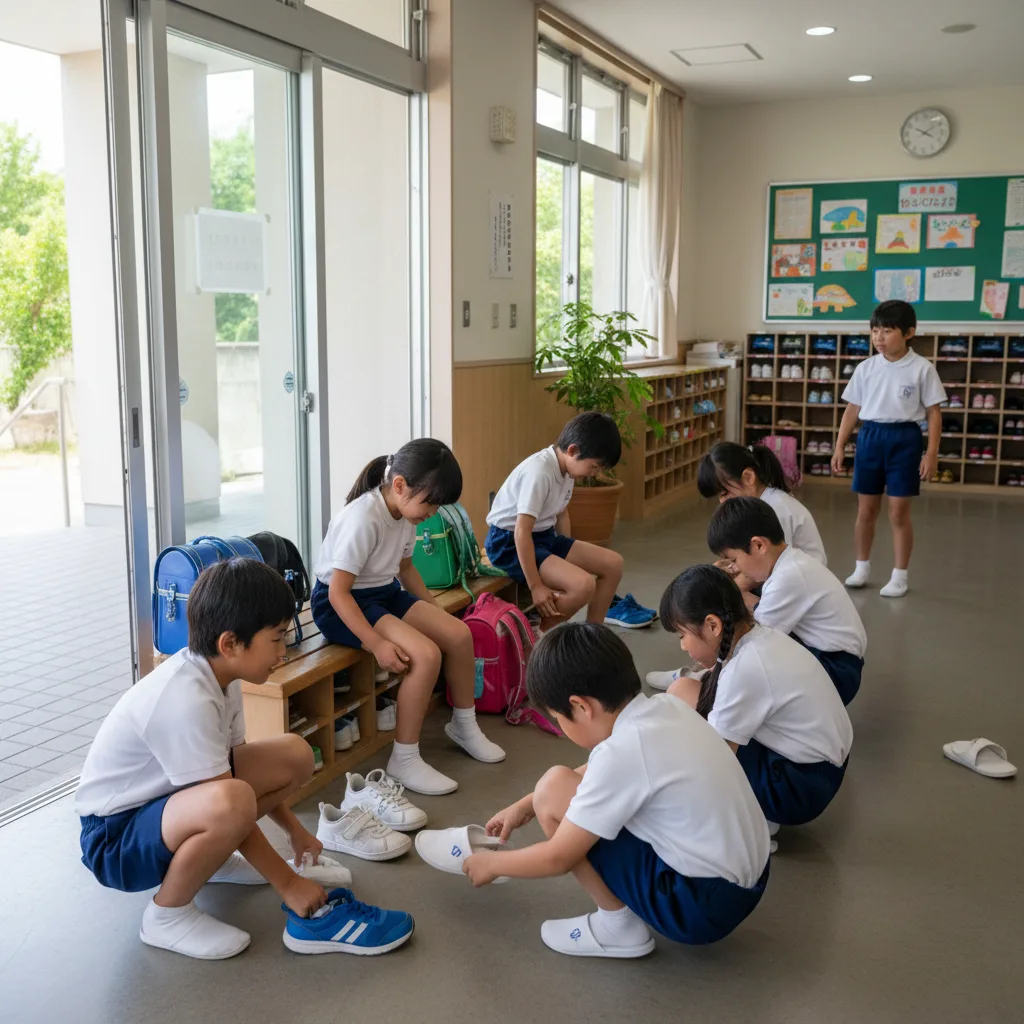
- Shoe Removal in Classrooms (Japan, South Korea): In many East Asian countries, particularly Japan and South Korea, students remove their outdoor shoes upon entering the school building, changing into indoor slippers. This practice, rooted in hygiene and respect for the learning space, signifies a clear boundary between the outside world and the clean, focused environment of the school.
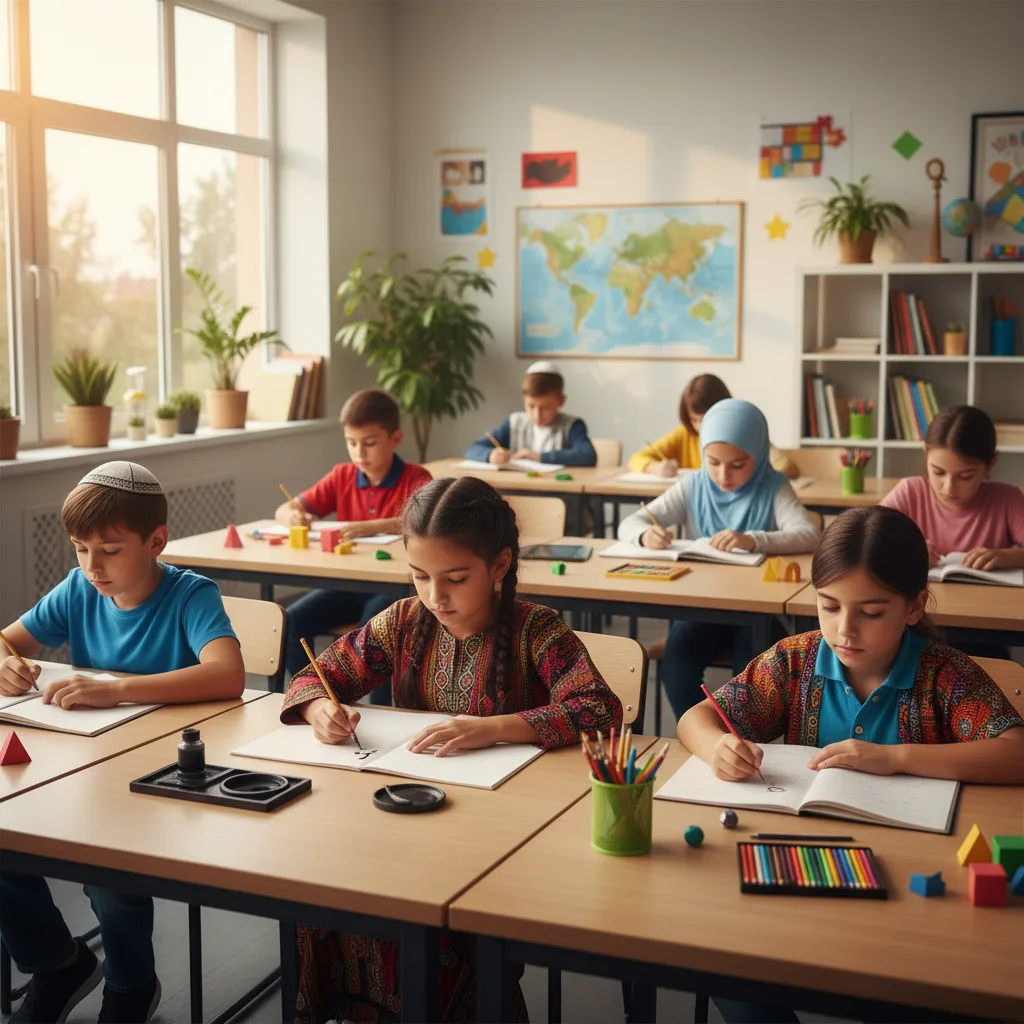
- Classroom Layout: Rows vs. Flexible Seating: While many Western schools have moved towards more flexible, collaborative seating arrangements (pods, beanbags), traditional rows remain dominant in many parts of Asia and Europe. This often reflects a pedagogical emphasis on teacher-led instruction and individual focus rather than group work.
- Discipline Approaches: Restorative vs. Punitive: The way misbehavior is addressed differs significantly. Nordic countries like Finland often prioritize restorative justice, focusing on understanding and repairing harm. In contrast, some schools in Singapore or parts of the US might still employ more punitive measures, though corporal punishment is increasingly rare globally.
- Silence and Participation (East vs. West): In many East Asian classrooms, silence is often interpreted as a sign of respect and concentration, with students expected to listen attentively. Western classrooms, particularly in North America, often encourage active verbal participation, debate, and asking questions, viewing it as a sign of engagement and critical thinking.
- Uniforms: A Global Divide: School uniforms are mandatory in many countries, including the UK, Australia, Japan, and India, often seen as promoting discipline, equality, and school identity. In contrast, they are far less common in public schools across continental Europe (e.g., Germany, France) and the United States, where individual expression through clothing is often valued.

Shaping Minds: Curriculum Approaches and Learning Styles
What is taught, how it’s taught, and the skills emphasized can reveal a nation’s priorities and its vision for its citizens.
- Memorization vs. Critical Thinking: While both are essential, the balance shifts. Educational systems in many East Asian countries, like China and South Korea, often place a strong emphasis on rote memorization and mastering a vast amount of factual knowledge, especially for high-stakes exams. Western education, particularly in countries like Canada and the US, tends to prioritize critical thinking, problem-solving, and analytical skills from an earlier age.
- Early Specialization (Germany) vs. Broad Curriculum (USA): In Germany, students are often tracked into different types of secondary schools (e.g., Gymnasium for university prep, Realschule for vocational training) as early as age 10-12, leading to early specialization. In the US, students typically follow a broad curriculum through high school before specializing in university.
- High-Stakes Exam Culture: Countries like China (Gaokao), South Korea (Suneung), and the UK (A-Levels) have highly competitive, single-event national exams that largely determine a student’s future academic and career path. This contrasts with systems that rely more on continuous assessment, project work, and a broader portfolio of achievements.
- Language Immersion: Early vs. Late Introduction: In many European countries (e.g., Luxembourg, Switzerland), children begin learning multiple foreign languages from kindergarten or early primary school, often through immersion programs. In other nations, foreign language instruction might not begin until middle or high school.
- Arts and Music Integration: Finland, consistently ranked high in education, integrates arts, music, and physical education deeply into its curriculum, recognizing their importance for holistic development. In some other systems, these subjects are often the first to be cut during budget constraints, seen as less “academic.”
Dynamics of the Desk: Teacher-Student Relationships and Authority
The nature of the relationship between educators and learners is a powerful indicator of cultural norms regarding authority, respect, and individual expression.
- Teacher as Authority Figure vs. Facilitator: In many cultures, particularly in parts of Asia and Africa, teachers are seen as undisputed authority figures who command immense respect. Challenging a teacher’s word or opinion is often considered highly disrespectful. In contrast, teachers in countries like Sweden or New Zealand often adopt a more facilitative role, encouraging students to question, debate, and take ownership of their learning.
- Addressing Teachers: Formal Titles vs. First Names: The formality of address varies widely. In Germany, students typically address teachers using “Herr” or “Frau” followed by their surname. In many parts of the US and Canada, addressing teachers by “Mr./Ms./Mrs.” followed by their surname is common. Yet, in some progressive schools or countries like Finland, teachers might be addressed by their first names, fostering a more egalitarian atmosphere.
- Challenging Teacher’s Views: In some Western educational philosophies, students are actively encouraged to challenge, debate, and critically evaluate a teacher’s statements, viewing it as a sign of intellectual engagement. In many traditional Asian and Middle Eastern cultures, this could be perceived as insubordination or disrespect.
- Teacher Status in Society: The teaching profession’s societal prestige varies significantly. In Finland and South Korea, teaching is a highly coveted and respected profession, attracting top talent and offering competitive salaries. In other nations, teachers may struggle with lower pay, larger class sizes, and less societal recognition, impacting morale and educational outcomes.
Beyond the Books: Daily School Life and Extracurriculars
School isn’t just about academics; it’s about the entire experience, from mealtimes to after-school activities, and these too are shaped by culture.
- School Meals: Universal Provision vs. Bring Your Own: In many European countries (e.g., France, Sweden) and Japan, nutritious, often subsidized or free, hot school lunches are a universal part of the school day, emphasizing communal eating and healthy habits. In contrast, students in the US or UK often bring packed lunches or purchase food from a cafeteria.
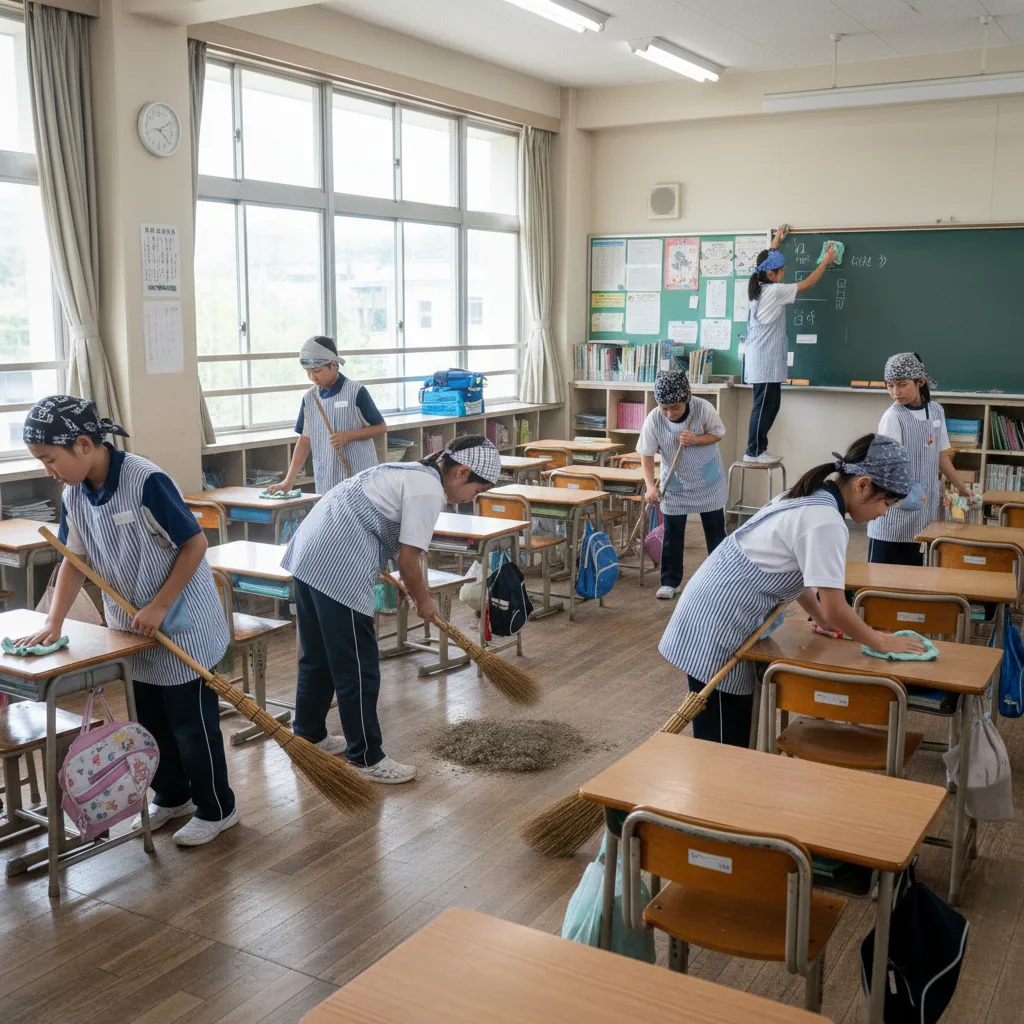
- Student Cleaning Duties (Japan): A truly surprising cultural difference is found in Japanese schools, where students are responsible for cleaning their classrooms, hallways, and even bathrooms. This practice, known as soji, teaches responsibility, teamwork, and respect for their environment.
- After-School Activities: Integrated vs. External: In many Western countries, extracurricular activities (sports, clubs) are often an integral part of the school day or after-school program. In contrast, in countries like South Korea, a significant portion of after-school learning happens in private tutoring academies (hagwons) that operate outside the formal school system.
- School Year Length and Holidays: The length of the school year and the distribution of holidays differ. Many European countries have shorter summer breaks but more frequent, shorter breaks throughout the year (e.g., autumn break, winter break, spring break). The US typically has a longer summer break (2-3 months), while countries like South Korea have shorter summer breaks but also winter breaks.
- Commuting to School: Public Transport vs. School Buses: In many parts of Europe and Asia, children commonly walk, cycle, or use public transport to get to school, often independently from a young age. In the US, dedicated school bus systems are prevalent, and many students are driven by parents, reflecting different urban planning and safety perceptions.
The Home-School Connection: Parental Involvement and Expectations Across Cultures
The degree and nature of parental involvement in their children’s education can be one of the most surprising cultural differences in schools around the world, deeply impacting a child’s academic journey.
- Parental Involvement: Hands-On vs. Trusting Autonomy: In some cultures, particularly those influenced by “helicopter parenting” trends in parts of the US and East Asia, parents are deeply involved in their children’s academics, often assisting with homework, communicating frequently with teachers, and even advocating for specific grades or opportunities. Conversely, in countries like Finland, there’s a strong cultural trust in the professional autonomy of teachers and the school system. Parental involvement is encouraged, but micromanagement is rare, allowing children more independence in their learning process. This difference reflects varying beliefs about the roles of parents, teachers, and the child’s own agency in education.
Conclusion
The journey through these 20 surprising cultural differences in schools around the world reveals a profound truth: education is never just about facts and figures. It is a mirror reflecting a society’s deepest values, its aspirations for its children, and its understanding of what it means to be an educated individual. From the quiet reverence of a Japanese classroom to the vibrant debates in a Western one, each approach offers unique strengths and challenges.
Understanding these global variations enriches our perspective, fostering empathy and appreciation for diverse educational philosophies. It reminds us that there isn’t a single “right” way to learn or teach, but rather a spectrum of effective, culturally resonant methods. As our world becomes increasingly interconnected, embracing this diversity in education is key to raising globally aware, adaptable, and compassionate citizens of tomorrow.