Does the Human Brain Work for 7 Minutes After Death?
Explore the intriguing claim: does the human brain maintain consciousness for 7 minutes after death? Delve into scientific perspectives on this ultimate transition and the lingering flicker of awareness.
Beyond the Veil: Does the Human Brain Work for 7 Minutes After Death?
The final frontier of human experience – death – has captivated philosophers, scientists, and everyday individuals for millennia. Among the myriad questions surrounding this ultimate transition, one persistent claim frequently surfaces in pop culture and hushed conversations: does the human brain work for 7 minutes after death? This intriguing notion suggests a lingering flicker of consciousness, a final window of awareness before the lights truly go out. At TrendSeek, we delve into the science, the myths, and the profound implications of this fascinating query, separating medical fact from enduring fiction to understand what truly happens within our most complex organ during the dying process.
Defining Death: A Crucial Distinction
Before we can explore whether the brain “works” after death, it’s essential to understand what we mean by “death” itself. This isn’t a singular, instantaneous event but rather a complex, multi-stage process, and medical science recognizes different definitions:
- Clinical Death: This is the cessation of heartbeat and breathing. At this stage, blood circulation stops, and oxygen delivery to the brain ceases. This is the point at which CPR can still be effective, as cellular damage is not yet irreversible.
- Brain Death: Considered the legal and medical definition of death in many parts of the world, brain death signifies the irreversible cessation of all functions of the entire brain, including the brainstem. A person declared brain dead cannot recover, even if their heart is kept beating mechanically.
- Biological Death (Cellular Death): This refers to the death of individual cells and tissues, which occurs gradually over hours after clinical death. Different tissues have varying tolerances for oxygen deprivation, with brain cells being among the most sensitive.
The popular idea that the brain works for a specific duration after death typically refers to the period immediately following clinical death, before the onset of full biological or brain death. It’s within this critical window that much of the scientific and philosophical debate lies.
The Last Flicker: Does the Human Brain Work for 7 Minutes After Death?
The specific claim of “7 minutes” is likely an oversimplification or romanticized interpretation of observed phenomena. However, scientific research does suggest that some form of electrical activity can persist in the brain for a short period after clinical death. This is not to say that consciousness, memory, or coherent thought continue, but rather that the brain’s complex electrical systems don’t simply switch off like a light.
One notable instance that fueled this discussion came from a 2017 study at the University of Western Ontario. During routine EEG monitoring of a palliative care patient, researchers observed persistent brain activity, including delta wave bursts, for over 10 minutes after the patient’s heart had stopped and pupils were fixed and dilated. This was an isolated case and distinct from other patients who showed no such activity, making it an anomaly that warrants further investigation.
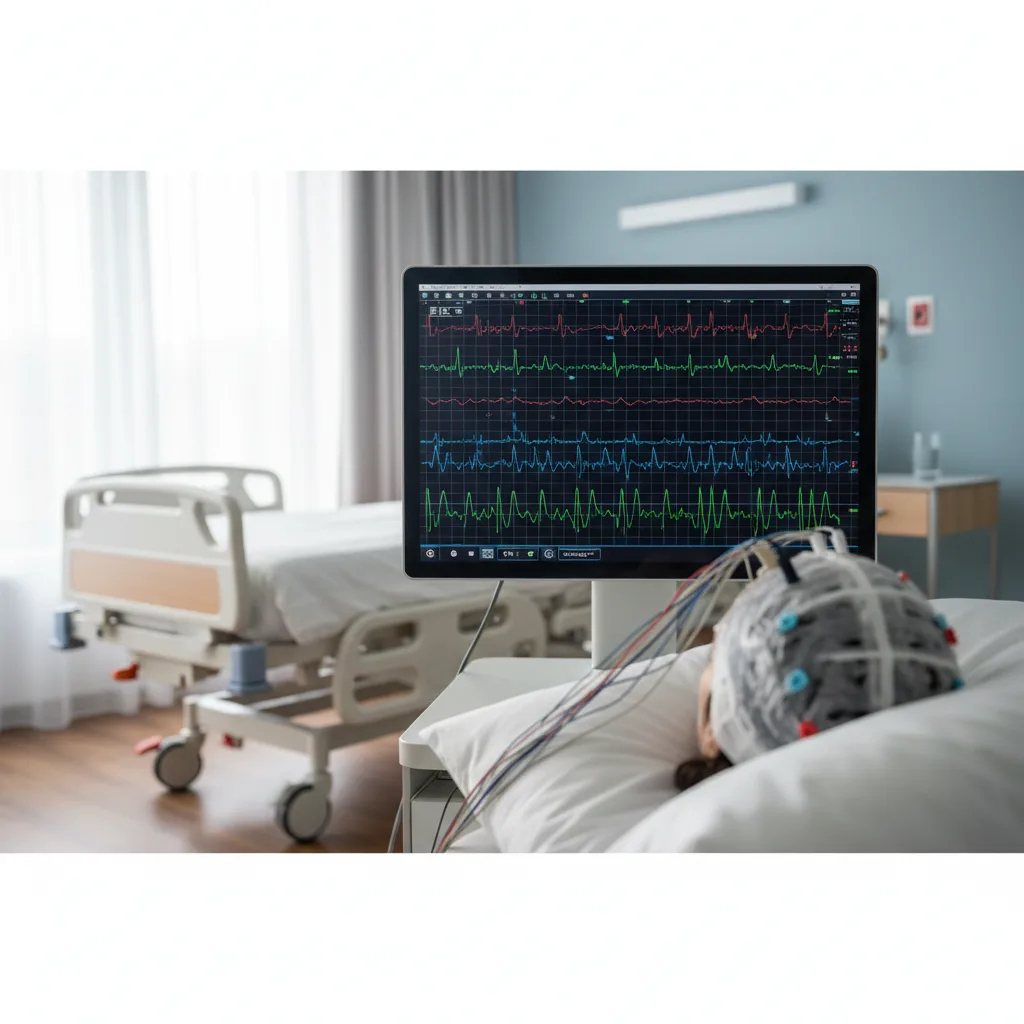
More broadly, studies on animals, particularly rats, have shown a distinct pattern of brain activity known as a “death wave” or “spreading depolarization” that sweeps across the brain after cardiac arrest. This massive electrical discharge, often accompanied by a surge in gamma wave activity, represents a final, dramatic release of energy as brain cells lose their ability to maintain their electrical potential. In some human studies, similar, albeit less organized, surges have been detected. This activity typically lasts for seconds to a few minutes, not a full seven, and is generally interpreted as the brain’s dying gasp rather than a sign of sustained consciousness.
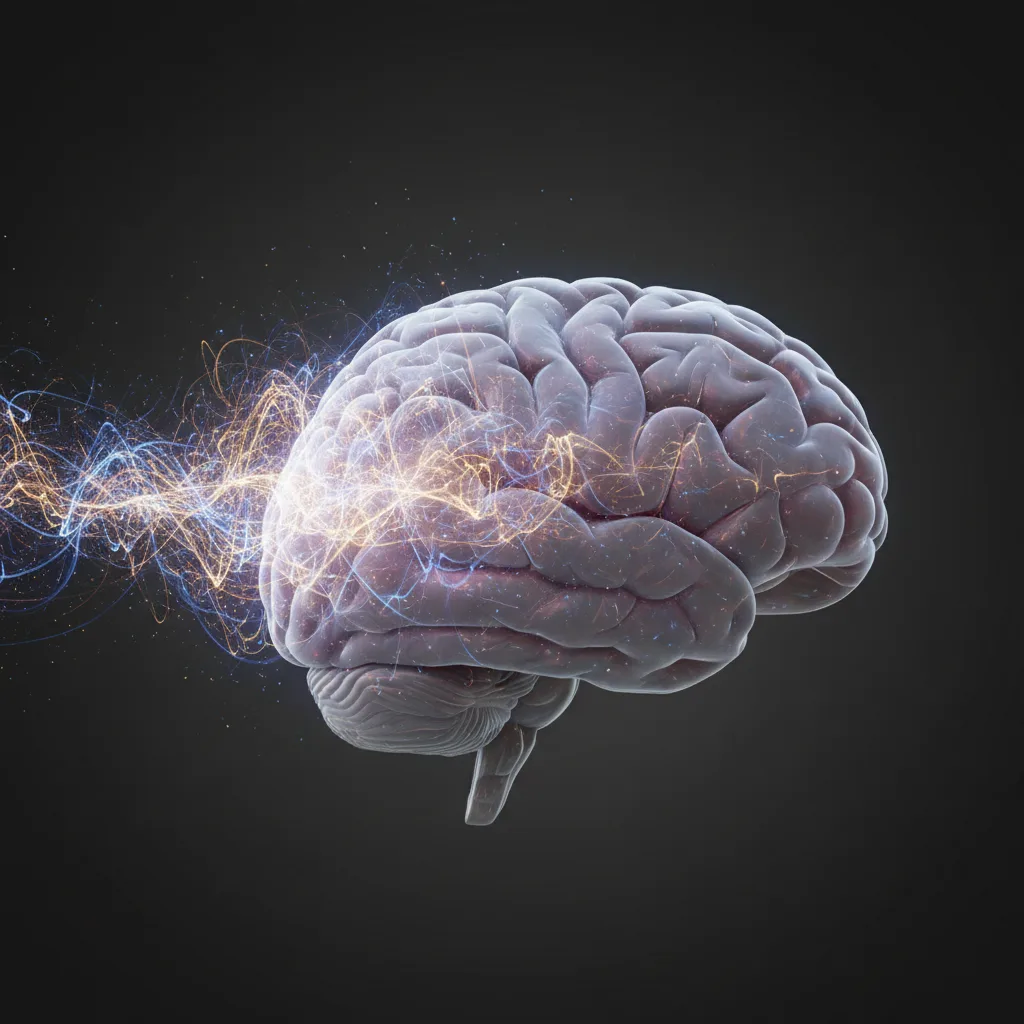
What this “working” truly entails is the crucial question. It’s highly improbable that the brain is capable of organized thought, feeling, or memory recall in these moments. Instead, the observed electrical activity is likely a chaotic, disorganized discharge resulting from the catastrophic failure of energy supply. Think of it less as a conscious thought and more like the final, erratic sparks from a dying electrical circuit.
The Brain’s Insatiable Hunger: Oxygen and ATP
To understand why sustained consciousness after clinical death is so unlikely, we must consider the brain’s incredible energy demands. The human brain, though only about 2% of our body weight, consumes roughly 20% of the body’s oxygen and calories. This energy is primarily used to maintain the electrical potential across neuronal membranes, enabling neurons to fire and communicate.
When the heart stops, blood flow to the brain ceases immediately. Within 10-15 seconds, the brain’s oxygen supply is depleted, and the production of ATP (adenosine triphosphate) – the cellular energy currency – grinds to a halt. Neurons, deprived of their vital fuel, quickly begin to fail. Without ATP, the ion pumps that maintain the crucial electrical gradients across cell membranes stop working. This leads to a rapid influx of ions, causing neurons to depolarize and release their stored electrical energy in a disorganized fashion – this is the very “death wave” phenomenon observed.
While individual cells might retain some residual chemical energy for a few minutes, the complex, highly organized electrical activity required for consciousness, memory retrieval, and coherent thought cannot be sustained. The intricate dance of billions of neurons that defines our awareness requires a constant, robust supply of oxygen and glucose, a supply that is irrevocably cut off at clinical death.
Near-Death Experiences (NDEs) and the Afterglow
The enduring fascination with consciousness after death is profoundly intertwined with accounts of Near-Death Experiences (NDEs). These profound subjective experiences are reported by individuals who have been clinically dead (or very close to death) and then resuscitated. Common elements of NDEs include:
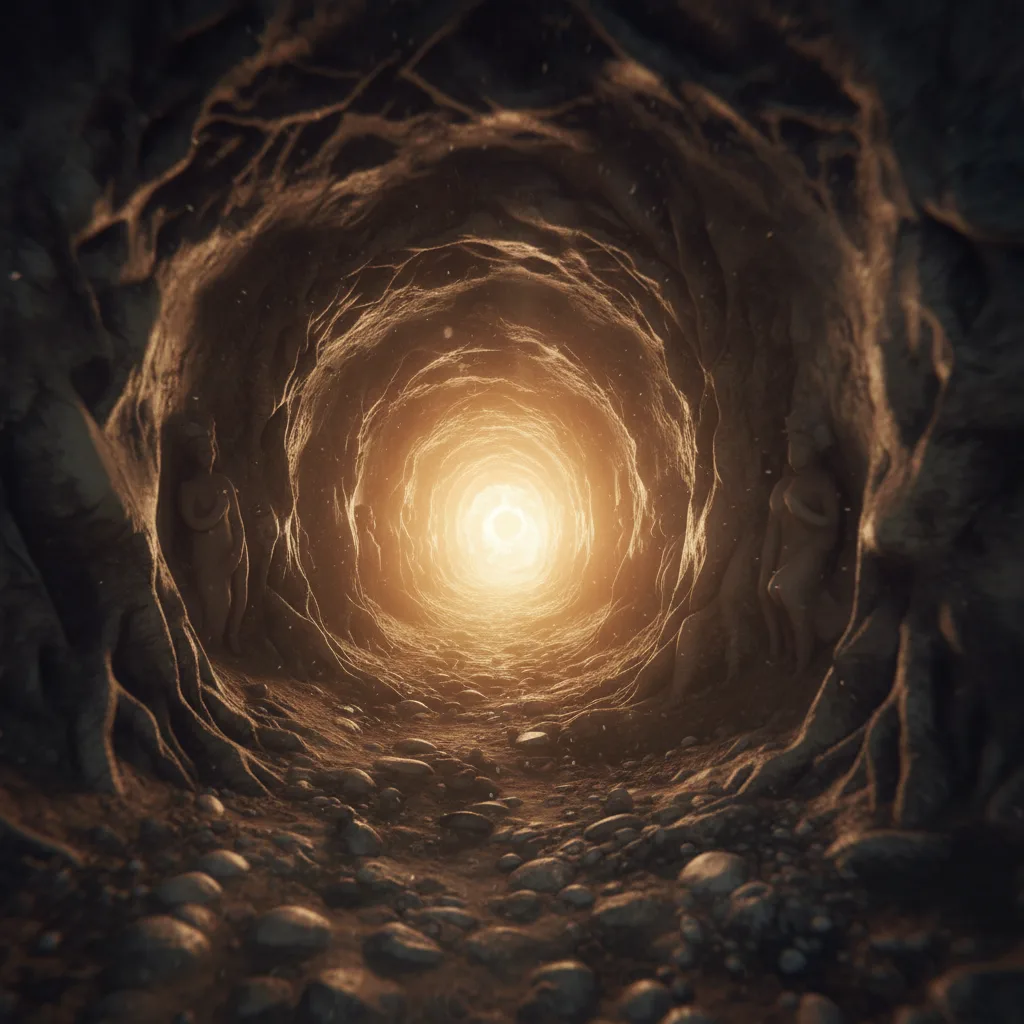
- Out-of-body experiences: A sensation of floating above one’s body, observing resuscitation efforts.
- Tunnel experiences: Moving through a dark tunnel towards a bright light.
- Life review: A rapid, panoramic review of one’s entire life.
- Encounters with deceased loved ones or spiritual beings.
- Feelings of peace, euphoria, and unconditional love.
These experiences are often incredibly vivid and transformative, leading many to believe they are glimpses of an afterlife or evidence of consciousness persisting beyond the body. However, scientific explanations for NDEs typically point to physiological and neurological phenomena occurring during the process of dying or resuscitation, rather than after irreversible brain death.
The brain under extreme stress, oxygen deprivation (hypoxia), and chemical changes (like the release of endorphins or other neurochemicals) can produce powerful hallucinatory or altered states of consciousness. For example, similar sensations have been replicated in studies using drugs like ketamine, which impacts parts of the brain involved in body perception and self-awareness. Temporal lobe activity, often associated with spiritual or mystical experiences, has also been implicated.
While NDEs offer compelling narratives, they occur while the brain is still technically alive, albeit under extreme duress. They represent the brain’s response to the brink of death, not evidence that the brain is “working” in a functional, conscious way after clinical death has fully set in and irreversible damage has occurred.
Separating Myth from Medical Fact: What Does “Working” Truly Mean?
The core of the debate, and the answer to whether the human brain works for 7 minutes after death, hinges on our definition of “working.” If “working” implies the capacity for conscious thought, memory, and perception – the hallmarks of human awareness – then the scientific consensus is a resounding no. The brain, without oxygen and glucose, rapidly loses the ability to perform these complex functions.
What does happen is a sequence of cellular breakdown. The electrical activity observed in some studies is likely a byproduct of this breakdown – a final, disorganized surge of energy as cells depolarize and die. It’s akin to the last sputtering of an engine that has run out of fuel, not a sustained, controlled operation.
The “7 minutes” claim, while captivating, likely merges several distinct phenomena:
- The short window of residual electrical activity (seconds to a few minutes) observed in some dying brains.
- The duration during which some NDEs occur, which are experiences of a brain under severe stress, not a dead brain.
- The varying time it takes for different brain cells to completely die after blood flow ceases, which can indeed be minutes or even hours for some resilient cell types, but without organized function.
For instance, while certain brain cells might retain some biological integrity for minutes, allowing for potential organ donation, this does not equate to the brain being a functional organ of consciousness.
Conclusion: A Glimmer of Activity, Not Consciousness
The question of does the human brain work for 7 minutes after death continues to intrigue and challenge our understanding of life’s ultimate boundary. While the romantic notion of a lingering 7 minutes of consciousness remains a popular cultural trope, scientific evidence paints a more nuanced picture.
What we understand today is that the brain does not simply switch off instantaneously. There can be a brief period of disorganized electrical activity, a “death wave” or final surge, lasting seconds to a few minutes after clinical death. This activity, however, is not indicative of sustained consciousness, memory, or coherent thought. Instead, it represents the chaotic breakdown of a system deprived of its essential energy supply. Near-death experiences, while profound, occur during the brain’s struggle at the brink of death, not after its irreversible cessation.
Ultimately, while the human brain’s final moments are still a subject of ongoing research, the current scientific understanding suggests that our complex organ, designed to thrive on a constant supply of oxygen and nutrients, ceases to function as a seat of consciousness very rapidly after the heart stops. The “7 minutes” may be an exaggeration, but the lingering mystery of those final moments continues to fuel our profound curiosity about what lies beyond.