Economic Effects of Sanctions on Russia: A Comprehensive Guide
Explore the profound economic effects of international sanctions on Russia, implemented after the 2014 Crimea annexation and 2022 Ukraine invasion. A comprehensive analysis.
Understanding the Economic Effects of Sanctions on Russia: A Comprehensive Guide
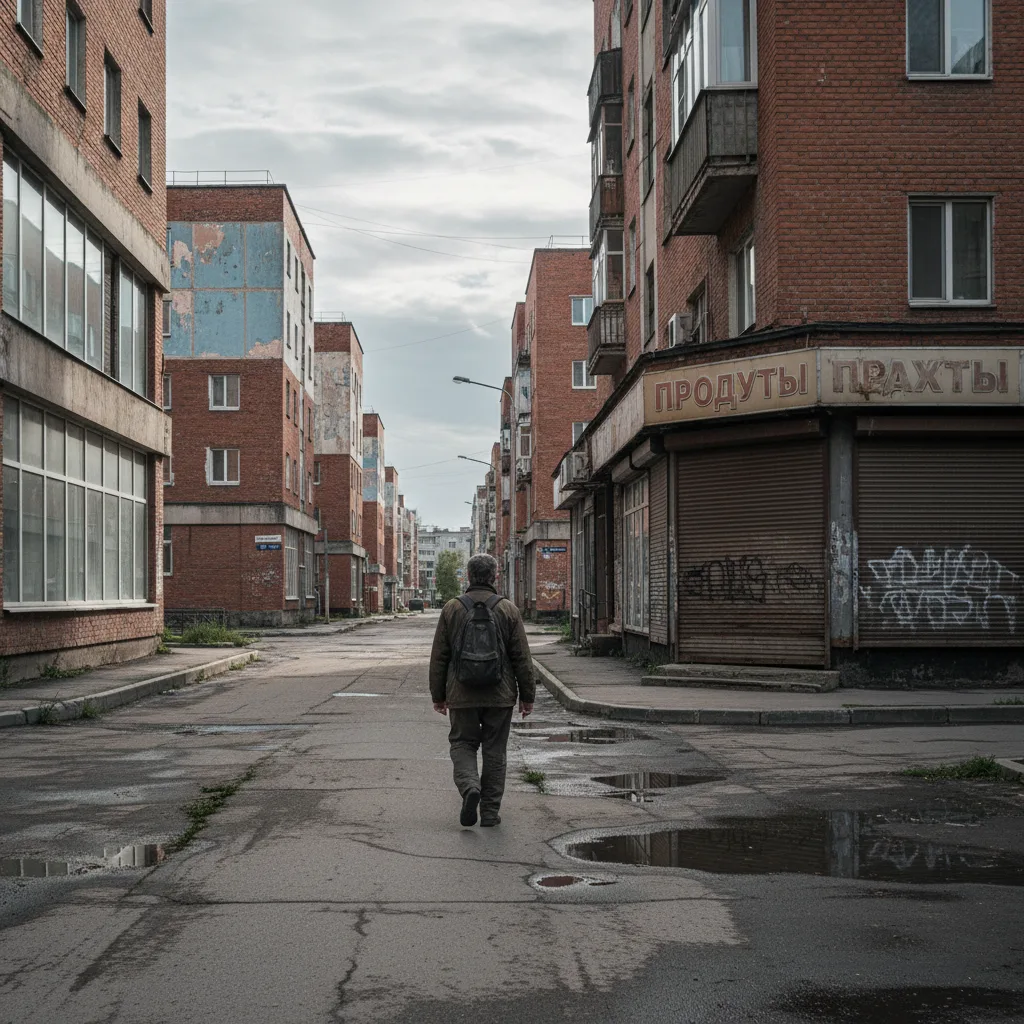
The geopolitical landscape has been irrevocably altered by a series of unprecedented international sanctions levied against Russia. Initiated primarily in response to the 2014 annexation of Crimea and significantly expanded following the full-scale invasion of Ukraine in February 2022, these measures represent a concerted effort by a coalition of countries, including the G7, the European Union, and others, to exert economic pressure on the Russian Federation. This comprehensive guide from TrendSeek delves into the multifaceted economic effects of sanctions on Russia, examining their immediate impact, long-term implications, and the strategies Russia has employed to mitigate their severity.
The Rationale Behind Sanctions and Initial Economic Shocks
Sanctions are economic and political tools used by countries, or groups of countries, to influence the behavior of targeted states. They can range from travel bans and asset freezes on individuals to comprehensive trade embargoes and restrictions on access to international financial systems. The primary objectives of sanctions against Russia have been to:
- Degrade Russia’s ability to finance its military operations.
- Impose severe economic costs on the Russian economy, reducing its overall strength and stability.
- Pressure the Russian government to change its foreign policy actions.
- Signal international condemnation.
The initial wave of sanctions in late February and early March 2022 delivered a profound shock to the Russian economy. Key measures included:
- Exclusion of major Russian banks from SWIFT, the global interbank messaging system, severely hampering international transactions.
- Freezing of Russian Central Bank assets held abroad, estimated at over $300 billion, limiting its ability to support the ruble.
- Targeting of Russian oligarchs and officials with asset freezes and travel bans.
- Restrictions on technology exports to Russia, particularly those with dual-use (civilian and military) applications.
- Closure of airspace by numerous countries to Russian aircraft.
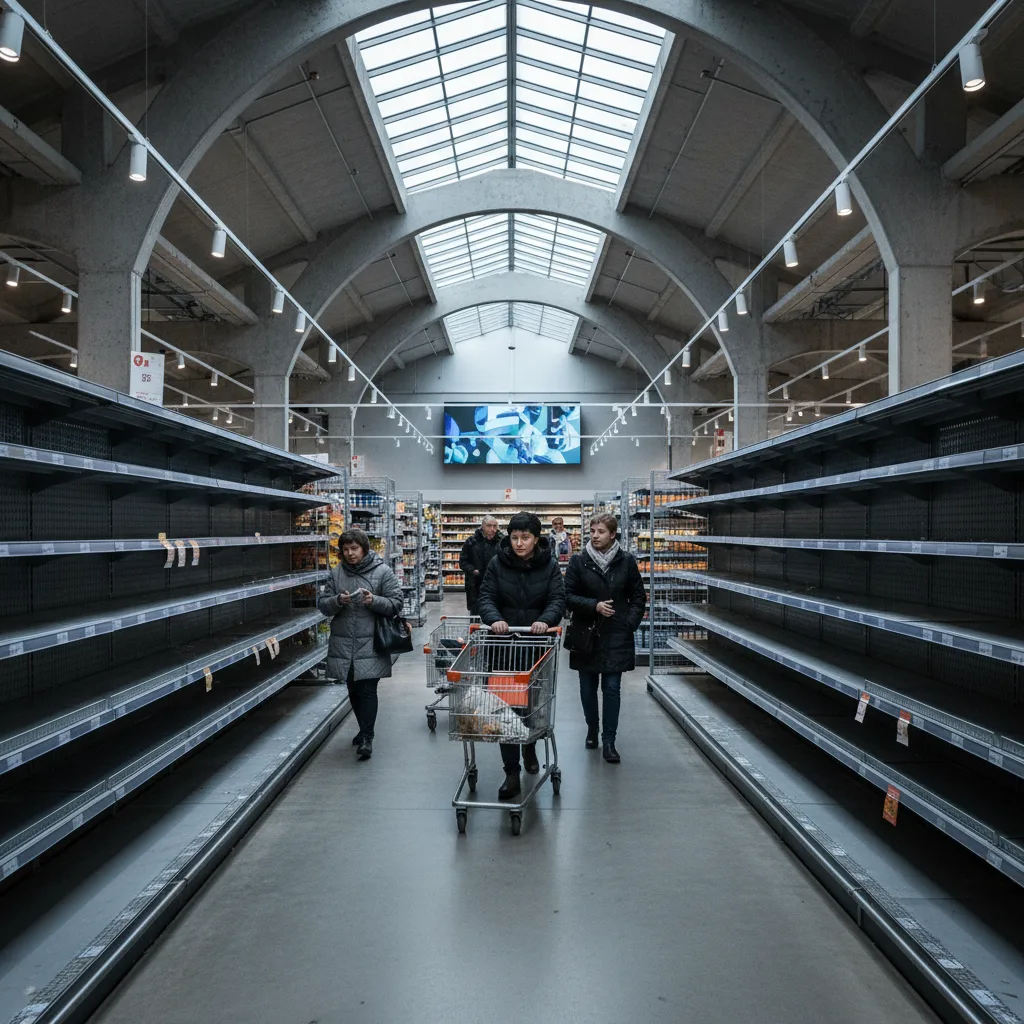
The immediate economic effects of sanctions on Russia were dramatic. The ruble plummeted by over 30% against the dollar, inflation surged, and the Moscow stock exchange remained closed for weeks. Panic buying ensued, and many international companies announced their withdrawal from the Russian market, leading to concerns about widespread unemployment and supply shortages.
Macroeconomic Disruptions and Russia’s Resilience
While the initial economic shock was severe, the Russian economy demonstrated an unexpected degree of resilience, largely due to a combination of pre-existing buffers and swift countermeasures.
- GDP Contraction: Russia’s GDP contracted significantly in 2022, estimated by the IMF at around 2.1%. While this was a notable decline, it was less severe than initial forecasts that predicted double-digit contractions. This relative resilience can be attributed to strong energy prices for much of the year and the government’s rapid policy responses.
- Inflation and Consumer Prices: Inflation soared, reaching over 17% year-on-year in April 2022, driven by the ruble’s depreciation, supply chain disruptions, and increased import costs. This significantly eroded the purchasing power of Russian households. While inflation has since moderated due to monetary tightening and government subsidies, it remains a persistent challenge for consumers.
- Exchange Rate Volatility: Following the initial collapse, the ruble made a remarkable recovery. This was largely due to stringent capital controls imposed by the Central Bank, including mandatory conversion of foreign currency earnings by exporters, restrictions on foreign currency withdrawals, and a sharp increase in the key interest rate to 20%. Furthermore, surging energy prices in early 2022 provided a massive influx of foreign currency from export revenues, artificially propping up the ruble.
- Interest Rates and Monetary Policy: The Central Bank of Russia (CBR) swiftly hiked its key interest rate to 20% to stabilize the financial system and curb inflation. As the immediate crisis subsided, the CBR gradually lowered the rate, but monetary policy remains a critical tool for managing economic stability amidst ongoing external pressures.
- Government Spending and Budget: The Russian government’s budget has been heavily impacted. While high energy prices initially provided a windfall, the subsequent Western price cap on oil and gas export reductions have strained revenues. The government has increased military spending significantly, funded through a combination of reserve funds and borrowing, leading to a widening budget deficit.
Russia’s ability to withstand the initial onslaught was partly due to its “fortress” economy strategy, built up since the 2014 sanctions. This included accumulating substantial foreign exchange reserves (though many were frozen), reducing reliance on foreign debt, and developing domestic payment systems.
Sector-Specific Impacts and Strategic Reorientation
The sanctions have had uneven but profound effects across different sectors of the Russian economy, forcing a significant reorientation of trade and production.
Energy Sector: The Cornerstone Under Pressure
The energy sector, traditionally the backbone of Russia’s economy and government revenue, has been a primary target.
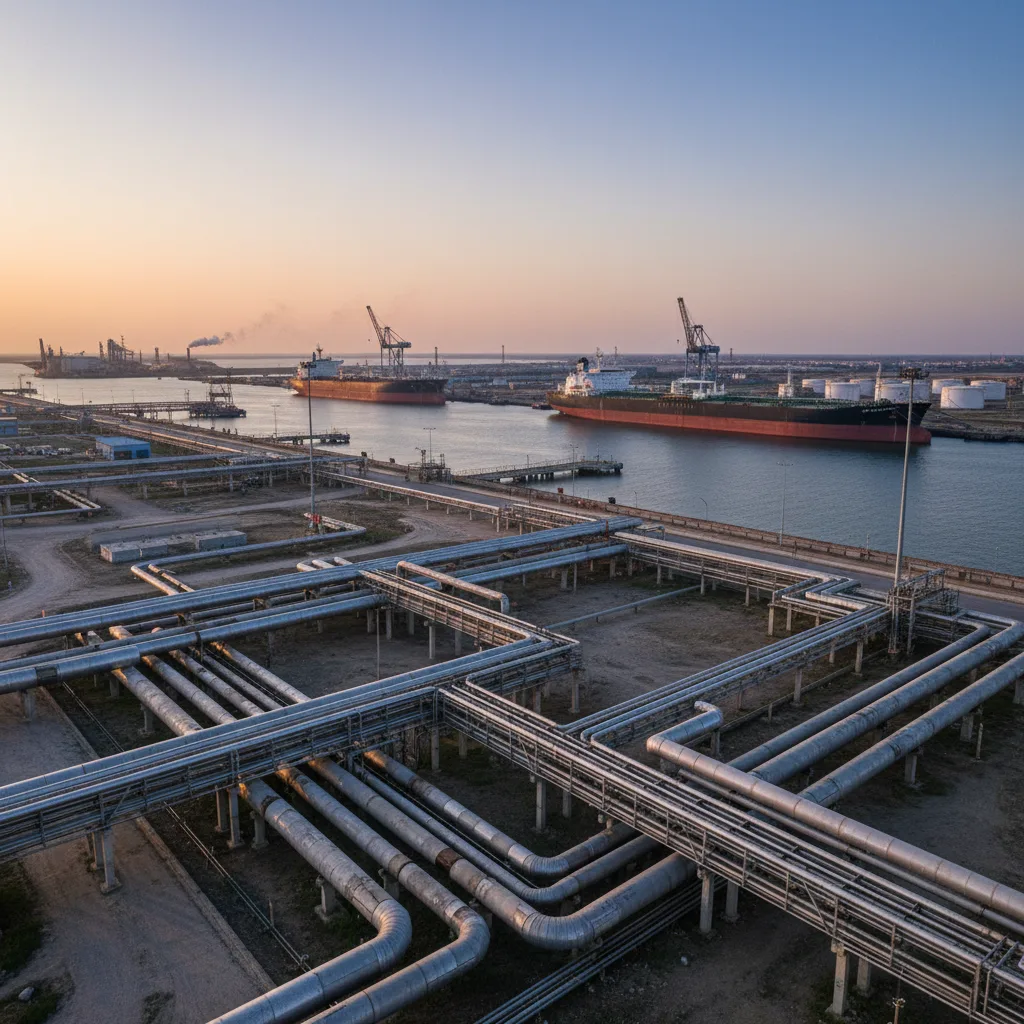
- Oil Embargoes and Price Caps: The EU implemented an embargo on Russian seaborne crude oil, followed by a G7-led price cap of $60 per barrel on Russian oil. These measures aimed to reduce Russia’s oil revenues while keeping Russian oil on the global market to prevent price spikes.
- Gas Export Reductions: Russia drastically cut gas supplies to Europe, leading to record-high energy prices globally. This was partly a retaliatory measure and partly due to technical issues and reduced demand from Europe.
- Reorientation to Asia: Russia has significantly redirected its oil and gas exports from Europe to countries like China and India, often offering discounts. While this helps maintain export volumes, it involves costly infrastructure adjustments and can lead to less favorable terms of trade.
- Impact on Revenue: Despite high prices for much of 2022, the combination of reduced volumes and the price cap has put considerable pressure on Russia’s energy revenues, a critical source for its federal budget.
Financial Sector: Isolation and Adaptation
The economic effects of sanctions on Russia’s financial sector have been particularly isolating.
- SWIFT Exclusion: The exclusion of major banks from SWIFT has complicated international transactions, forcing Russian entities to rely on alternative channels, including correspondent banking relationships with non-sanctioning countries and China’s CIPS (Cross-Border Interbank Payment System).
- Asset Freezes: The freezing of Russian Central Bank assets and those of sanctioned individuals and entities has locked away significant wealth.
- Foreign Investment and Capital Flight: Western companies’ withdrawal led to massive capital outflows. Foreign direct investment into Russia has plummeted, cutting off a vital source of capital and technology.
- Domestic Systems: Russia accelerated the development and adoption of its domestic payment system (Mir cards) and financial messaging system (SPFS), further decoupling its financial infrastructure from Western influence.
Technology and Manufacturing: The Achilles’ Heel
Restrictions on technology exports, particularly advanced semiconductors, microchips, and dual-use goods, have exposed a critical vulnerability in the Russian economy.
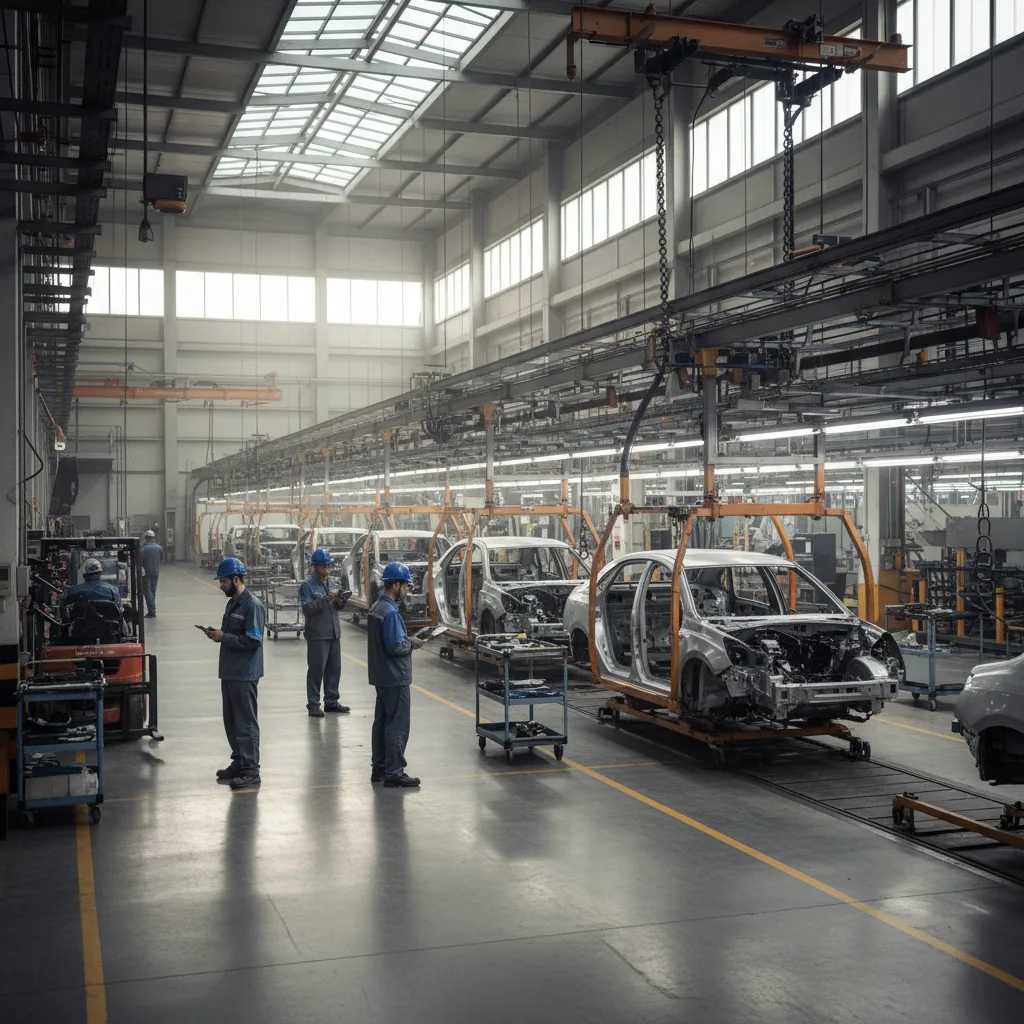
- Supply Chain Disruptions: Industries reliant on imported Western components, such as automotive, aviation, electronics, and defense, have faced severe supply chain disruptions. Car production, for instance, saw drastic declines.
- Impact on Military Production: The defense industry, despite being a priority, has struggled to access key components for advanced weaponry, forcing a reliance on older stocks or less sophisticated alternatives, or seeking components from non-Western suppliers.
- Import Substitution: Russia has intensified its long-standing policy of import substitution, aiming to domestically produce goods and technologies previously imported. While some progress has been made in basic goods, replicating advanced Western technology remains a significant challenge.
- Parallel Imports: To circumvent sanctions, Russia legalized “parallel imports,” allowing companies to import goods without the trademark holder’s permission. This has helped maintain the availability of some consumer goods but often comes with higher costs and reduced quality assurance.
Trade and Logistics: A Global Reorientation
Sanctions have fundamentally altered Russia’s trade patterns and logistics.
- Shift in Trade Partners: Trade has increasingly shifted towards countries not participating in sanctions, notably China, India, Turkey, and Central Asian nations. China has become Russia’s largest trading partner, absorbing a significant portion of its energy exports and supplying much-needed manufactured goods and technology.
- Logistical Challenges: The closure of European airspace and ports, along with restrictions on trucking and shipping, has created complex and more expensive logistical routes, often involving transshipment through third countries.
Social and Geopolitical Ramifications
Beyond the direct economic indicators, sanctions have had broader social and geopolitical consequences.
- Consumer Impact: Russian consumers have faced higher prices, reduced availability of Western brands and goods, and a general decline in product quality and choice. Many international brands, from McDonald’s to IKEA, have exited the market, altering the consumer landscape.
- Standard of Living: While the government has implemented social support programs, the overall standard of living for many Russians has likely declined due to inflation, reduced economic opportunities, and the brain drain of skilled professionals who have left the country.
- Brain Drain: The war and sanctions have accelerated an exodus of highly skilled professionals, particularly in IT and other tech sectors, impacting Russia’s long-term human capital and innovation potential.
- Geopolitical Alignment: The sanctions have pushed Russia further into closer economic and political alignment with non-Western powers, particularly China, reinforcing a multi-polar world order. This pivot has significant long-term implications for global trade, diplomacy, and security architectures.
- Long-term Structural Changes: The prolonged isolation is forcing Russia to fundamentally restructure its economy, reducing its reliance on Western markets and technology, and fostering greater self-sufficiency, albeit potentially at the cost of efficiency and innovation.
The Evolving Landscape and Future Outlook of the Economic Effects of Sanctions on Russia
The economic effects of sanctions on Russia are not static; they are an evolving phenomenon marked by continuous adaptation, challenge, and counter-challenge.
- Russian Adaptation Strategies: Russia has proven adept at finding workarounds, including developing parallel import schemes, leveraging non-Western trade partners, and increasing domestic production. The government continues to implement fiscal and monetary policies aimed at maintaining stability and supporting key sectors.
- Challenges for Sanctioning Countries: The sanctions have not been without cost for the imposing countries, particularly Europe, which faced an energy crisis and higher inflation in 2022. Balancing the desire to exert pressure with managing domestic economic stability remains a delicate act.
- Effectiveness Debate: There is ongoing debate about the ultimate effectiveness of sanctions. While they have undoubtedly inflicted significant economic pain and constrained Russia’s military capabilities, they have not yet achieved the primary goal of compelling a change in Russia’s foreign policy. Their long-term impact on Russia’s economic structure and geopolitical alignment is still unfolding.
- Future Scenarios: The future of the Russian economy under prolonged sanctions will likely involve continued reorientation towards Asia, increased state intervention in the economy, and a persistent struggle to access advanced technology. Its ability to innovate and diversify away from natural resources will be severely tested. The success of import substitution and parallel imports will determine the extent to which Russia can maintain its industrial base and consumer market.
Conclusion
The economic effects of sanctions on Russia are profound and multifaceted, reshaping its economy from its macroeconomic foundations to its sector-specific operations. While the initial shock was absorbed with surprising resilience due to pre-existing buffers and swift policy responses, the long-term implications are far-reaching. Russia faces significant challenges in terms of technological access, financial isolation, and reduced revenue from its traditional energy markets. The sanctions have forced a strategic reorientation towards non-Western partners and an intensified drive for domestic production and self-sufficiency. However, this comes at the cost of efficiency, innovation, and ultimately, the standard of living for many of its citizens. The ongoing interplay between Western pressure and Russian adaptation will continue to define the trajectory of the Russian economy for years to come, making it a critical case study in the efficacy and unintended consequences of economic statecraft.