Economic Impact of Illegal Immigration: A Deep Dive
Explore the complex economic impact of illegal immigration, analyzing its effects on labor markets, public services, innovation, and consumption patterns. Get a balanced view.
The Complex Tapestry: Understanding Illegal Immigration’s Impact on the Economy
The discourse surrounding immigration is often fraught with emotion and political rhetoric, yet few topics ignite as much debate as the illegal immigration impact on the economy. It’s a multifaceted issue, far from a simple equation of gain or loss, influencing everything from labor markets and public services to innovation and consumption patterns. For TrendSeek readers, understanding this intricate economic dance requires moving beyond headlines and delving into the nuanced data and real-world experiences that shape national and local economies. This guide will explore the various dimensions of how undocumented immigration influences economic landscapes, examining both the often-cited costs and the less-discussed contributions, providing a comprehensive overview of a topic critical to public policy and economic foresight.
Labor Market Dynamics: Exploring the Illegal Immigration Impact on the Economy
One of the most immediate and visible aspects of undocumented immigration is its effect on the labor market. Undocumented workers often fill jobs that native-born workers are less willing to take, particularly in sectors characterized by demanding physical labor, low wages, and poor working conditions.
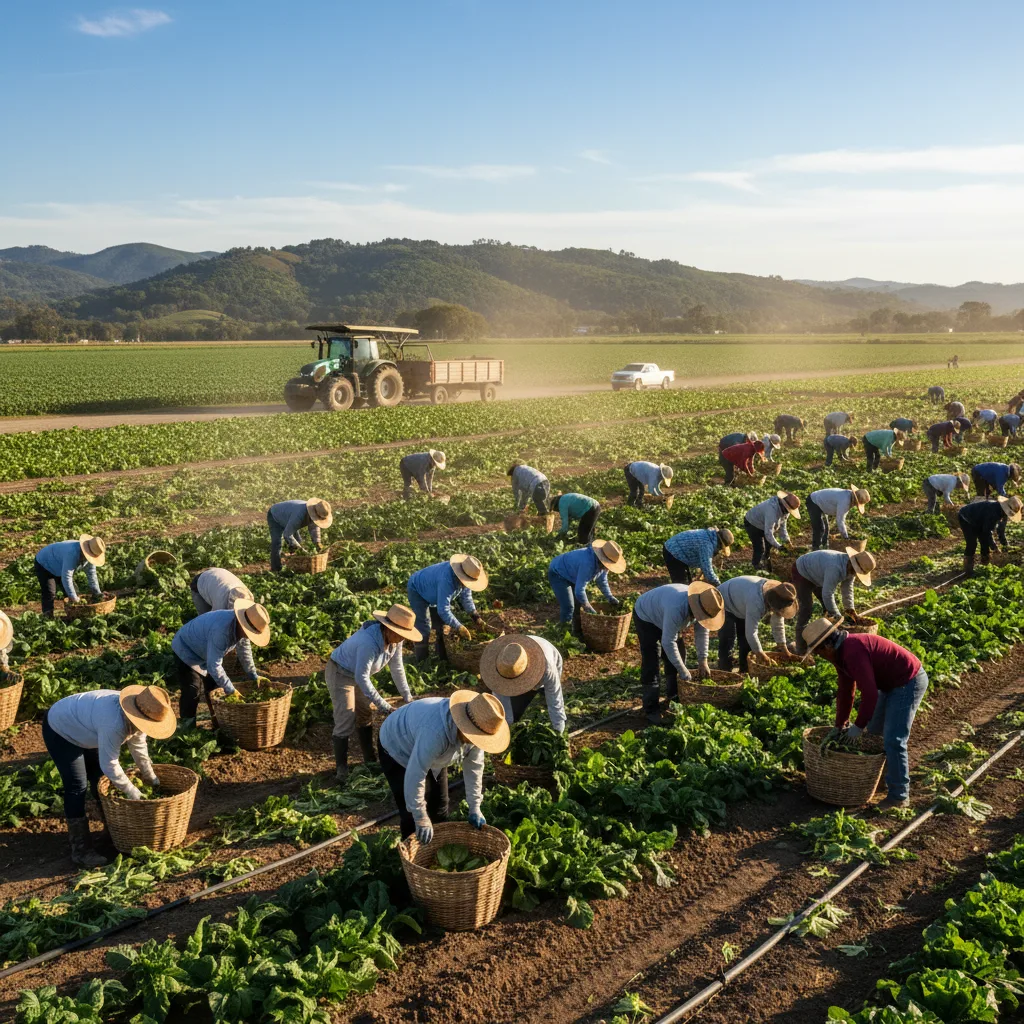
- Filling Labor Gaps: Industries like agriculture, construction, hospitality, and caregiving are heavily reliant on undocumented labor. For instance, the agricultural sector in states like California and Arizona would face significant labor shortages and potential collapse without this workforce. These workers often perform essential tasks that keep prices for goods and services competitive for consumers.
- Wage Effects: The impact on wages is contentious. Some economists argue that a large influx of low-skilled labor can depress wages for native-born workers in similar low-skilled occupations. However, other studies suggest the effect is minimal or even negligible, especially when undocumented workers complement rather than directly substitute for native labor. Often, undocumented workers take jobs at the very bottom of the wage scale, which native workers have already exited or are not entering.
- Flexibility and Competitiveness: The availability of a flexible, often low-cost labor pool can allow businesses to remain competitive, especially against international rivals. This can prevent jobs from being outsourced entirely, thus retaining some economic activity within the country. However, it can also incentivize employers to maintain low wages and poor working conditions, creating a “race to the bottom” for some sectors.
The National Academies of Sciences, Engineering, and Medicine (NASEM) found in a comprehensive 2016 report that while immigration does have some wage effects, those effects are generally small and concentrated among low-skilled workers. Furthermore, immigrants, including undocumented ones, often take jobs with different tasks or in different industries, thus reducing direct competition.
Fiscal Realities: The Illegal Immigration Impact on Public Finances
The fiscal aspect of undocumented immigration is another hotbed of debate, focusing on both the costs incurred by public services and the contributions made through taxes and consumption.
- Public Service Costs: Undocumented immigrants, like all residents, utilize public services. These can include emergency medical care, public education for their U.S.-born children (who are citizens), and some social services. State and local governments, particularly in border regions or areas with high immigrant populations, bear a significant portion of these costs. For example, local school districts must educate all children residing within their boundaries, regardless of parental immigration status. Healthcare costs for uninsured undocumented immigrants, particularly emergency care mandated by federal law, can also strain hospital budgets.
- Tax Contributions: Despite their undocumented status, immigrants contribute to the tax base in several ways:
- Sales Taxes: They pay sales taxes on goods and services consumed.
- Property Taxes: Directly or indirectly (through rent payments), they contribute to property taxes.
- Payroll and Income Taxes: Many undocumented workers use Individual Taxpayer Identification Numbers (ITINs) to file income taxes, or have taxes withheld from their paychecks, even if they cannot legally work. The Social Security Administration estimates that undocumented immigrants contribute billions of dollars annually to Social Security and Medicare through payroll taxes for which they will never claim benefits.
- Net Fiscal Impact: Determining the net fiscal impact (contributions minus costs) is complex and varies by study, methodology, and geographic focus. The Center for Migration Studies (CMS) often highlights the substantial tax contributions. Conversely, organizations like the Center for Immigration Studies (CIS) tend to emphasize the fiscal burdens. Generally, studies often conclude that in the short term, undocumented immigrants may represent a net fiscal cost, particularly at the state and local levels. However, over the long term, and considering the demographic challenges of an aging native-born population, their contributions to the labor force and tax base can become more beneficial.

Economic Growth, Innovation, and the Shadow Economy
Beyond direct labor and fiscal impacts, undocumented immigration also affects broader economic growth, entrepreneurial activity, and the prevalence of informal economic sectors.
- Economic Growth: By expanding the labor force and increasing consumption, undocumented immigrants contribute to overall economic activity. Their presence can help maintain economic growth rates, particularly in regions facing demographic decline or labor shortages. They often fill niches that prevent bottlenecks in supply chains and services.
- Entrepreneurship: Immigrants, including those who are undocumented, have higher rates of entrepreneurship than native-born populations. Driven by necessity or a lack of formal employment opportunities, many start small businesses, creating jobs and stimulating local economies. These businesses often cater to specific ethnic markets but also integrate into the broader economy.
- The Shadow Economy: A significant portion of undocumented economic activity occurs within the “shadow economy” or informal sector. This means transactions are often cash-based and not fully reported to tax authorities, making precise measurement difficult. While this can lead to lost tax revenue, it also represents economic activity that might not otherwise occur, providing goods and services and generating income for workers and business owners. The existence of a large shadow economy can also create vulnerabilities for workers, making them susceptible to exploitation due to their lack of legal protections.
- Remittances: A notable economic outflow associated with undocumented immigration is remittances – money sent by immigrants back to their home countries. While these funds are a crucial source of income for recipient families and economies abroad, they represent a reduction in potential domestic consumption or investment within the host country. However, some argue that these remittances can stabilize home countries, reducing future migration pressures.

Sector-Specific Impacts and Real-World Examples
The illegal immigration impact on the economy is not uniform; it varies significantly across different industries and geographic regions.
- Agriculture: This sector is perhaps the most heavily dependent on undocumented labor. Farms across California, Florida, and the Midwest rely on these workers for planting, harvesting, and processing. Without them, labor costs would skyrocket, potentially leading to higher food prices for consumers or even a shift of agricultural production abroad, impacting food security and the domestic agricultural industry’s viability.
- Construction: Undocumented workers are a backbone of the construction industry, particularly in residential building and renovation. They often perform physically demanding jobs, contributing significantly to housing development and infrastructure projects. A sudden removal of this workforce would severely impede construction timelines and raise project costs.
- Hospitality and Services: Hotels, restaurants, cleaning services, and landscaping businesses frequently employ undocumented workers. Their labor helps keep service prices competitive and allows these businesses to operate efficiently, especially in high-demand tourist areas or large metropolitan centers.
- Caregiving: The demand for in-home care for the elderly and disabled is growing, and undocumented immigrants often fill these critical roles, providing essential services that are often difficult to staff with native-born workers due to low pay and demanding conditions.
These examples highlight how deeply integrated undocumented labor is into specific sectors of the U.S. economy, underscoring the complexity of any policy changes that might affect this workforce.
Policy Implications and the Path Forward
Understanding the multifaceted illegal immigration impact on the economy is crucial for developing effective and humane immigration policies. The current situation, characterized by a large undocumented workforce operating largely in the shadows, presents both economic benefits and challenges.
- The Cost of Inaction: The current system perpetuates a shadow economy, making it difficult to fully tax labor, enforce labor laws, and integrate a significant portion of the population into formal economic structures. This can lead to exploitation, reduced worker protections, and a loss of potential tax revenue.
- Comprehensive Immigration Reform: Many economists and policymakers advocate for comprehensive immigration reform that includes pathways to legal status for undocumented immigrants already residing in the country. Such reforms could:
- Bring workers out of the shadows, allowing for better wage enforcement and increased tax contributions.
- Increase their earning potential, leading to greater consumption and investment.
- Reduce the fiscal burden of emergency services by allowing access to preventative care and health insurance.
- Enhance overall economic stability and growth by integrating a significant workforce.
- Guest Worker Programs: Expanding and reforming guest worker programs could provide legal avenues for foreign workers to fill labor shortages in key industries, reducing reliance on undocumented labor while ensuring fair wages and working conditions.
- Border Security vs. Economic Integration: While border security is a national priority, it needs to be balanced with the economic realities of labor demand and the existing contributions of undocumented populations. Policies that focus solely on enforcement without addressing the underlying economic drivers and impacts are often incomplete and can have unintended negative consequences for sectors reliant on immigrant labor.
The debate over illegal immigration’s economic effects is not just about numbers; it’s about the kind of economy and society a nation wishes to build. Acknowledging the full spectrum of impacts—both positive and negative—is the first step towards evidence-based policymaking.
Conclusion
The illegal immigration impact on the economy is undeniably complex, characterized by a delicate balance of costs and contributions that defy simplistic categorization. Undocumented immigrants fill critical labor gaps, particularly in demanding sectors like agriculture and construction, contributing to economic output and maintaining competitive prices. They pay various taxes and contribute to consumption, stimulating local economies. Simultaneously, their presence incurs costs for public services, especially at state and local levels, and the prevalence of a shadow economy poses challenges for tax collection and labor regulation.
Moving forward, any effective policy approach must acknowledge this intricate economic tapestry. A comprehensive understanding of the labor market dynamics, fiscal realities, entrepreneurial spirit, and sector-specific dependencies associated with undocumented immigration is essential. Rather than viewing this issue through a purely adversarial lens, a more nuanced perspective reveals that policies promoting integration, legal pathways, and robust economic participation could unlock greater benefits for all, transforming a challenging situation into an opportunity for sustained economic growth and societal well-being.