Economic Sanctions: Impact on International Trade & Geopolitics
Explore the profound impact of economic sanctions on international trade and the global economy. Understand how these geopolitical tools shape diplomacy and coerce policy changes worldwide.
Unpacking the Economic Sanctions Impact on International Trade: A Comprehensive Guide
In an increasingly interconnected global economy, the tools of international diplomacy are diverse and often complex. Among the most potent and frequently deployed are economic sanctions. These measures, imposed by one or more countries against another, are designed to coerce a change in policy or behavior by inflicting economic pain. At TrendSeek, we delve into the intricate ways such geopolitical maneuvers reshape global dynamics, and few areas are as profoundly affected as international trade. Understanding the economic sanctions impact on international trade is crucial for businesses, policymakers, and global citizens alike, as these measures ripple through supply chains, financial markets, and the daily lives of millions.
The Mechanics of Economic Sanctions and Their Trade Targets
Economic sanctions are not a monolithic tool; they come in various forms, each designed to exert pressure on a target nation’s economy. Their primary aim is to restrict the flow of goods, services, technology, and capital, thereby directly targeting a country’s ability to participate in the global trading system.
Common types of economic sanctions include:
- Trade Embargoes: Perhaps the most direct form, these involve a complete or partial ban on trade with a sanctioned country. This can apply to specific goods (e.g., weapons, dual-use technologies) or encompass all commercial activity.
- Export/Import Restrictions: More targeted than full embargoes, these measures restrict the sale or purchase of specific products to or from a sanctioned entity or country. This often targets key industries or revenue streams.
- Financial Sanctions: These are increasingly prevalent and powerful. They can include:
- Asset Freezes: Blocking access to funds and financial assets held by sanctioned individuals, entities, or governments.
- Banking Restrictions: Limiting or severing access to international financial systems, such as SWIFT (Society for Worldwide Interbank Financial Telecommunication), making it nearly impossible to conduct international transactions.
- Investment Bans: Prohibiting foreign investment in a sanctioned country or specific sectors.
- Travel Bans: While not directly trade-related, these can impact business travel and the movement of skilled labor, indirectly affecting trade and investment.
- Sectoral Sanctions: These target specific industries within a country, such as energy, finance, or defense, aiming to cripple their ability to generate revenue or develop strategically important capabilities.
The direct link to international trade is clear: by limiting a country’s ability to buy or sell goods and services, or to finance these transactions, sanctions disrupt established trade routes, force businesses to seek alternative partners, and can significantly alter global market dynamics.
Direct Impacts on Targeted Economies and Global Supply Chains
The immediate and most visible consequence of economic sanctions is the disruption they cause within the targeted economy and across its trading relationships.
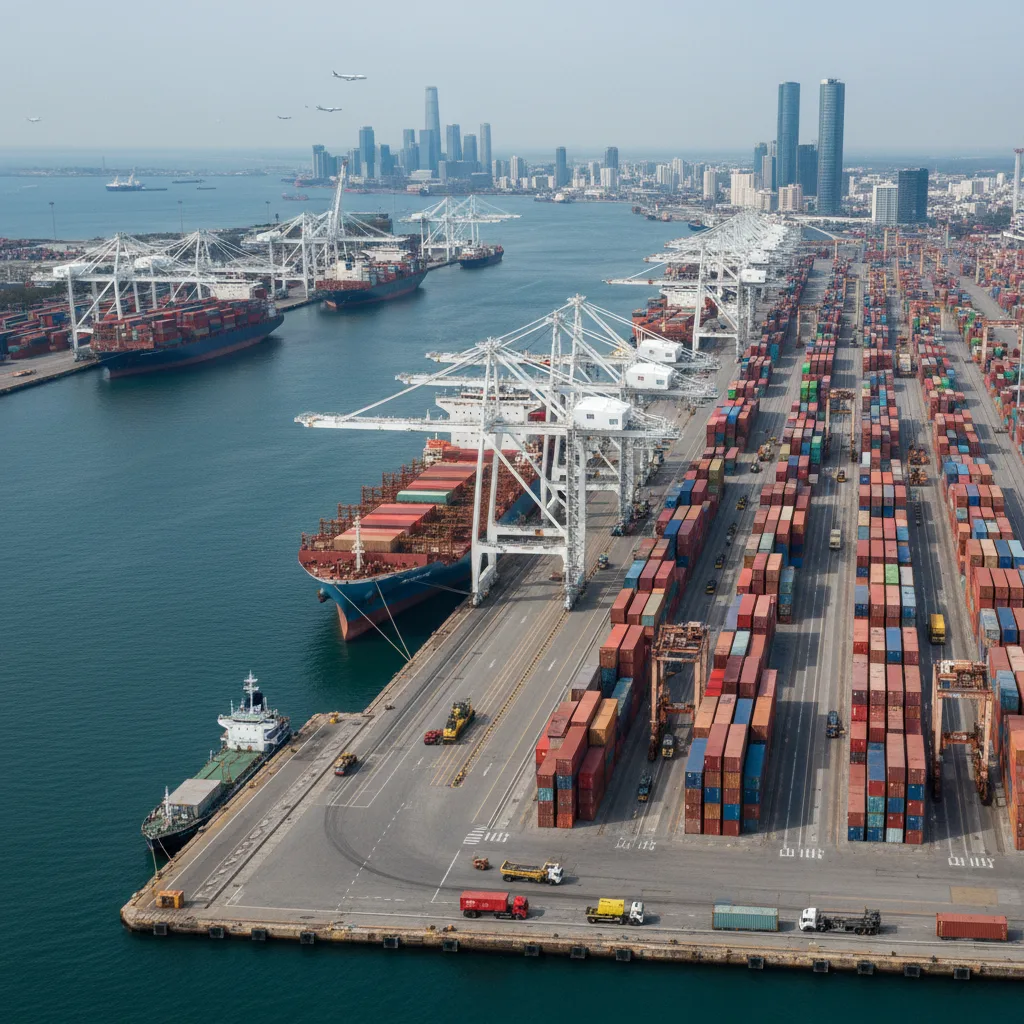
- Reduced Trade Volumes: The most obvious impact is a significant decrease in the sanctioned country’s import and export volumes. This can lead to a drastic reduction in national revenue, particularly for commodity-dependent economies. For example, sanctions on Iran’s oil sector have historically crippled its export earnings, leading to severe economic contraction.
- Supply Chain Disruptions: Sanctioned countries struggle to import essential goods, ranging from food and medicine to critical industrial components and advanced technology. This can halt manufacturing, cripple infrastructure projects, and create widespread shortages. Conversely, businesses in sanctioning countries must find new markets and suppliers, leading to complex and often costly reconfigurations of their global supply chains. The ongoing sanctions against Russia following its invasion of Ukraine have illustrated this, forcing European nations to rapidly pivot away from Russian energy supplies and creating significant logistical challenges for businesses worldwide.
- Inflation and Scarcity: Within the sanctioned country, import restrictions can lead to a scarcity of goods, driving up prices and fueling inflation. This disproportionately affects ordinary citizens, diminishing their purchasing power and quality of life.
- Currency Devaluation: Economic isolation and reduced trade can put immense pressure on a sanctioned country’s currency, leading to sharp devaluations. This makes imports even more expensive and can trigger capital flight.
- Economic Contraction: Ultimately, the combined effect of trade restrictions, financial isolation, and internal economic pressures often leads to a significant contraction of the sanctioned country’s Gross Domestic Product (GDP), impacting employment, investment, and overall economic stability. Venezuela, subjected to extensive U.S. sanctions, has experienced one of the most severe economic downturns in modern history, with its economy shrinking dramatically over the past decade.

Ripple Effects on Global Markets and Third-Party Nations
While sanctions are primarily aimed at a specific target, their effects rarely remain contained. The interconnected nature of global trade means that sanctions often create ripple effects that impact non-sanctioning countries and international markets, demonstrating the broader economic sanctions impact on international trade.
- Trade Diversion and Re-routing: Sanctions compel countries to find alternative trading partners and routes. This can lead to the emergence of new trade corridors, sometimes less efficient or more costly, and can empower countries willing to defy sanctions (often referred to as “sanctions busters”). For example, some countries have increased trade with Russia despite Western sanctions, seeking to capitalize on discounted commodities or fill market gaps.
- Commodity Price Volatility: Sanctions on major producers of essential commodities – such as oil, natural gas, wheat, or rare earth minerals – can send shockwaves through global markets. When supply from a major producer is restricted, global prices can spike, affecting consumers and industries worldwide. The sanctions on Russia, a major energy and agricultural exporter, have significantly contributed to global energy price hikes and concerns over food security.
- Increased Compliance Costs for Businesses: Businesses operating internationally, even those not directly trading with sanctioned entities, must invest heavily in robust compliance programs. This includes due diligence, screening customers and transactions, and staying updated on complex and evolving sanctions lists. Non-compliance can result in severe penalties, including hefty fines and reputational damage. This “sanctions overhead” adds to the cost of doing business globally.
- “Chilling Effect”: Many companies, particularly multinational corporations, adopt an overly cautious approach, withdrawing from or avoiding entire regions or sectors even if not explicitly sanctioned, simply to mitigate the risk of inadvertently violating complex regulations. This “chilling effect” can further isolate economies and limit legitimate trade and investment.
- Humanitarian Concerns: While often designed to be targeted, sanctions can have unintended humanitarian consequences, particularly comprehensive embargoes. Restrictions on essential goods like food, medicine, and medical supplies can lead to public health crises and widespread suffering among the civilian population, raising ethical dilemmas for policymakers.

Assessing the Economic Sanctions Impact on International Trade: Effectiveness and Challenges
The debate over the effectiveness of economic sanctions is ongoing and complex. While they are a powerful tool, their ability to achieve stated foreign policy goals is often mixed, highlighting the nuanced economic sanctions impact on international trade.
Challenges to Effectiveness:
- Sanction Busting and Circumvention: Sanctioned countries often develop sophisticated methods to circumvent restrictions, including illicit trade networks, shell companies, and using cryptocurrency or alternative payment systems. This undermines the intended economic pressure.
- Economic Resilience and Autarky: Sanctions can sometimes inadvertently spur sanctioned countries to develop greater economic self-sufficiency (autarky) or forge stronger alliances with non-sanctioning nations. This resilience can reduce the long-term impact of sanctions. North Korea, for instance, has endured decades of sanctions by developing a highly self-reliant, albeit impoverished, economy.
- Lack of Multilateral Support: Sanctions are most effective when adopted and enforced by a broad coalition of nations. If key trading partners or financial centers do not participate, the target country can often find alternative avenues for trade and finance, significantly diluting the impact.
- Domestic Political Backlash: Instead of prompting a change in behavior, sanctions can sometimes consolidate support for the targeted regime, allowing leaders to blame external forces for economic hardship and rally nationalist sentiment.
- Unintended Consequences: As discussed, sanctions can lead to humanitarian crises, destabilize regional economies, or even push sanctioned states towards more radical actions. They can also accelerate the search for alternatives to the dominant global financial system, potentially challenging the long-term influence of currencies like the U.S. dollar.
Despite these challenges, sanctions remain a preferred tool for many governments as an alternative to military intervention. When carefully designed, targeted, and multilaterally supported, they can indeed impose significant costs and contribute to policy changes, as seen in cases like South Africa during apartheid or Libya’s nuclear program.
Navigating the Sanctions Landscape: Strategies for Businesses and Policymakers
Given the pervasive and often unpredictable nature of economic sanctions, both businesses and policymakers must adopt strategic approaches to mitigate risks and maximize desired outcomes.
For Businesses:
- Robust Compliance Programs: This is paramount. Companies must implement comprehensive Know Your Customer (KYC) and Anti-Money Laundering (AML) procedures, conduct thorough due diligence on all partners and transactions, and utilize sanctions screening software. Regular training for employees is essential.
- Supply Chain Resilience and Diversification: Mapping out supply chains to identify potential exposure to sanctioned entities or regions is crucial. Diversifying suppliers and markets can reduce reliance on single sources and build resilience against future disruptions.
- Legal Counsel and Intelligence: Staying abreast of rapidly evolving sanctions regimes requires dedicated legal expertise and access to up-to-date geopolitical intelligence. Regulations can change quickly, and non-compliance carries severe penalties.
- Risk Assessment and Scenario Planning: Proactive assessment of potential sanctions risks and developing contingency plans for various scenarios can help businesses adapt quickly and minimize financial losses.
For Policymakers:
- Targeted Sanctions: Moving away from comprehensive embargoes towards “smart sanctions” that target specific individuals, entities, or sectors can minimize harm to innocent civilians while maximizing pressure on decision-makers.
- Multilateralism and Coordination: Sanctions are most effective when implemented and enforced by a broad international coalition. Coordinated efforts amplify economic pressure and reduce opportunities for circumvention.
- Clear Objectives and Off-Ramps: Sanctions should be accompanied by clearly defined objectives and benchmarks for their removal. This provides a pathway for the target country to change behavior and signals to the international community the conditions for re-engagement.
- Humanitarian Exemptions: Incorporating robust humanitarian exemptions into sanctions regimes is critical to ensure that essential aid, food, and medicine can reach populations in need, thereby upholding ethical considerations and potentially reducing popular resentment.
- Monitoring and Enforcement: Effective enforcement is crucial for the credibility and success of sanctions. This involves intelligence gathering, financial investigations, and international cooperation to identify and penalize circumvention efforts.
Conclusion
The economic sanctions impact on international trade is undeniably profound and multifaceted. As a primary non-military tool of foreign policy, sanctions can reshape global supply chains, disrupt financial flows, and exert significant pressure on targeted economies. However, their effectiveness is often debated, riddled with challenges such as circumvention, unintended humanitarian consequences, and the potential for geopolitical blowback.
For businesses, navigating this complex landscape demands vigilance, robust compliance, and strategic resilience. For policymakers, the careful calibration of sanctions – ensuring they are targeted, multilateral, and humane – is essential to maximize their intended impact while mitigating detrimental ripple effects. As global geopolitics continue to evolve, understanding and adapting to the dynamic role of economic sanctions in international trade will remain a critical endeavor for all stakeholders, shaping the future of global commerce and diplomacy.