Electric Cars Future: Definitive Guide & Debate (EVs)
Explore the global debate on electric cars: are EVs the future of automotive technology or a transitional phase? Dive into the definitive guide on their destiny.
Electric Cars: The Definitive Guide to Their Future – Or Not?
The hum of an electric motor is becoming an increasingly common sound on our roads, sparking a global conversation: are electric cars the future or not? From bustling city streets to quiet suburban lanes, the presence of electric vehicles (EVs) is undeniable, yet their ultimate destiny remains a topic of fervent debate. Are we on the cusp of an automotive revolution, or are EVs merely a transitional technology facing insurmountable hurdles? This comprehensive guide from TrendSeek delves deep into the electrifying world of EVs, examining their current state, the innovations driving them forward, and the challenges that must be overcome for them to truly define the future of personal transportation.
The Current Landscape: Electric Cars – Are They the Future Already?
The journey of the electric car is far from new, with early models predating the internal combustion engine (ICE). However, it’s only in the last decade that EVs have truly begun to electrify the mainstream. What was once a niche market dominated by a few pioneering brands like Tesla has now exploded, with every major automaker committing billions to an electric future.
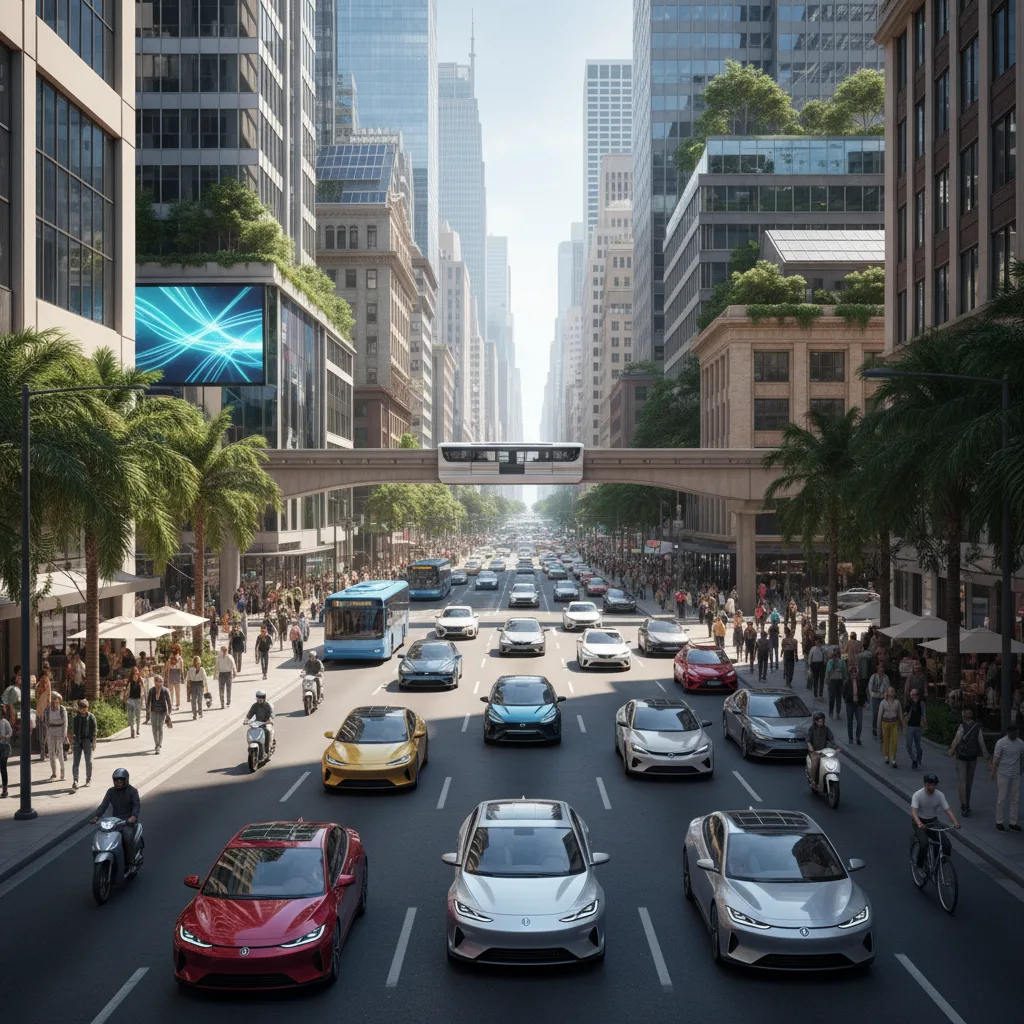
Global EV sales figures tell a compelling story. In 2023, worldwide EV sales surpassed 14 million, representing a significant portion of the total new car market. Countries like Norway have seen EV market share soar past 80%, demonstrating a clear preference and robust infrastructure. China, the world’s largest automotive market, is also a global leader in EV adoption and manufacturing, with domestic brands like BYD and Nio competing fiercely with established players.
Technological advancements have been a primary driver of this growth. Battery range, once a major source of “range anxiety,” has improved dramatically, with many new models offering over 300 miles on a single charge. Charging infrastructure, while still evolving, has expanded significantly, with networks like Tesla Superchargers, Electrify America, and Ionity dotting highways and urban centers. Performance, too, has shattered stereotypes; EVs are renowned for their instant torque and rapid acceleration, often outperforming their gasoline counterparts. The quiet, smooth ride and reduced running costs – thanks to cheaper electricity and fewer moving parts requiring maintenance – further sweeten the deal for consumers. This rapid evolution suggests that the future isn’t just coming; in many ways, it’s already here for electric cars.
Fueling the Debate: Electric Cars’ Future – Unpacking the Advantages and Disadvantages
Like any transformative technology, electric cars come with a distinct set of pros and cons that fuel the ongoing debate about their long-term viability. Understanding these points is crucial to evaluating their true potential.
The Advantages: Why EVs are Gaining Traction
- Environmental Benefits: This is often the headline advantage. EVs produce zero tailpipe emissions, significantly reducing local air pollution and contributing to cleaner urban environments. When charged using renewable energy sources (solar, wind), their overall carbon footprint can be dramatically lower than ICE vehicles, addressing climate change concerns.
- Lower Running Costs: Electricity is generally cheaper per mile than gasoline or diesel. EVs also have fewer moving parts, leading to reduced maintenance needs (no oil changes, spark plugs, or complex exhaust systems). This translates to substantial savings over the vehicle’s lifespan.
- Superior Driving Experience: The instant torque of electric motors provides exhilarating acceleration. The absence of engine noise and vibrations results in a remarkably quiet and smooth ride, enhancing passenger comfort.
- Government Incentives: Many governments worldwide offer tax credits, rebates, and other incentives to encourage EV adoption, making them more affordable upfront.
- Energy Independence: Relying on domestically produced electricity, often from diverse sources, can reduce a nation’s dependence on imported fossil fuels.
The Disadvantages: The Hurdles to Widespread Adoption
- Initial Purchase Cost: While decreasing, EVs generally have a higher upfront price tag than comparable ICE vehicles, primarily due to battery costs.
- Range Anxiety: Despite improvements, the fear of running out of charge before reaching a charging station remains a concern for some, especially on long journeys or in areas with sparse infrastructure.
- Charging Infrastructure and Time: While expanding, public charging stations are not as ubiquitous as gas stations. Furthermore, charging an EV takes significantly longer than refueling a gasoline car, even with fast chargers. Home charging, while convenient, requires installation.
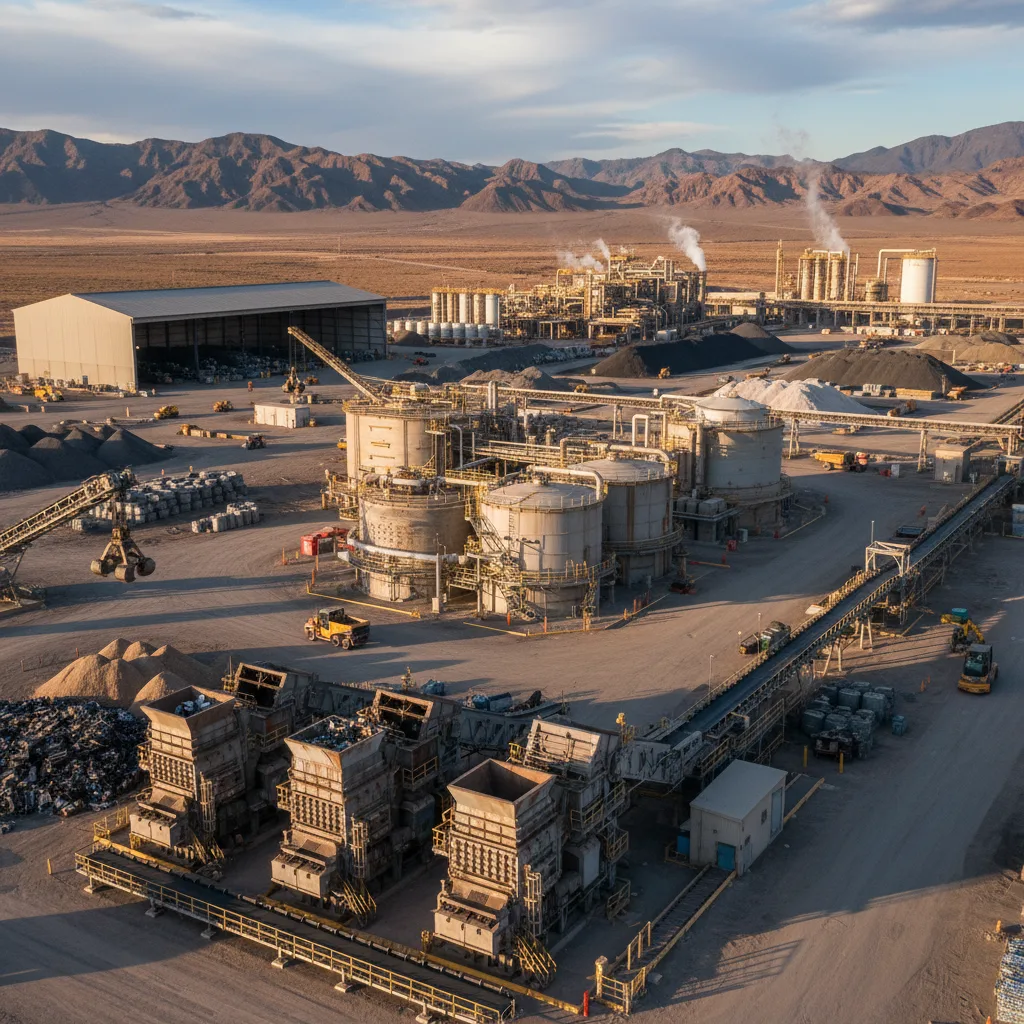
- Battery Production and Recycling: The mining of raw materials like lithium, cobalt, and nickel raises ethical and environmental concerns. The energy-intensive manufacturing process for batteries and the challenge of establishing robust recycling programs for end-of-life batteries are also significant considerations.
- Grid Strain: A massive influx of EVs could strain existing electrical grids, especially during peak demand, necessitating significant infrastructure upgrades and smarter grid management.
- “Well-to-Wheel” Emissions: While tailpipe emissions are zero, the environmental impact of electricity generation (if from fossil fuels) and battery manufacturing must be considered for a complete picture of an EV’s environmental footprint.
Beyond the Hype: Innovations Shaping the Electric Cars Future
The future of electric cars isn’t just about overcoming existing limitations; it’s about pioneering new technologies that will redefine what’s possible. The pace of innovation in the EV sector is relentless, pushing boundaries in battery chemistry, charging methods, and vehicle integration.
One of the most significant areas of development is battery technology. While lithium-ion batteries currently dominate, research into solid-state batteries promises revolutionary improvements. Solid-state batteries could offer significantly higher energy density (meaning more range in a smaller, lighter pack), faster charging times, enhanced safety (reduced fire risk), and potentially lower production costs as manufacturing scales. Companies like Toyota and QuantumScape are making considerable strides in this field, with commercialization expected later this decade. Beyond solid-state, advancements in anode and cathode materials, silicon-based anodes, and even alternative chemistries like sodium-ion batteries are being explored to reduce reliance on critical minerals and further drive down costs.
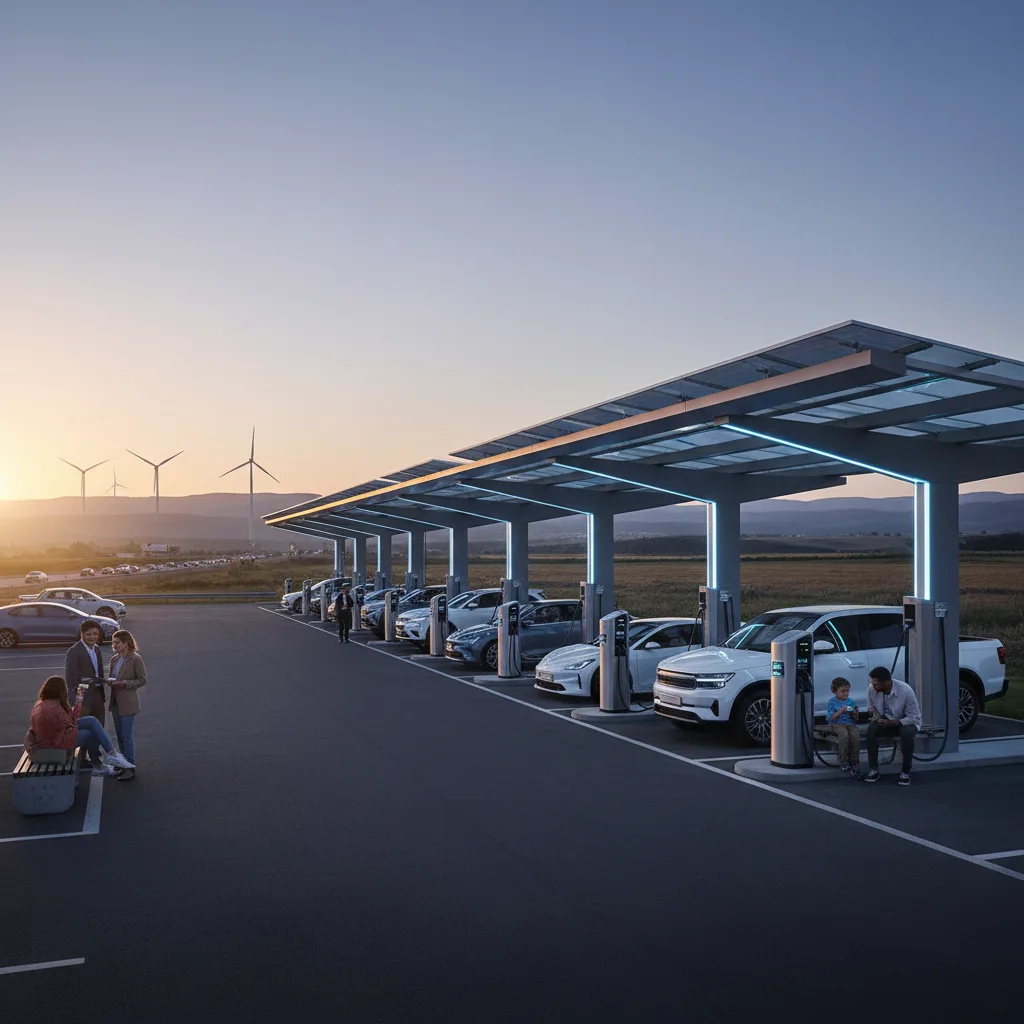
Charging infrastructure is also undergoing a rapid transformation. Ultra-fast charging stations (350 kW and beyond) are becoming more common, capable of adding hundreds of miles of range in under 20 minutes. The standardization of charging plugs (like CCS and NACS) is simplifying the user experience. Looking ahead, wireless charging (inductive charging) could offer seamless, hands-free power transfer, especially in parking lots or even dynamically while driving on specially equipped roads. Battery swapping stations, pioneered by companies like Nio, offer an alternative to charging, allowing drivers to exchange a depleted battery for a fully charged one in minutes.
Furthermore, EVs are increasingly becoming part of a broader energy ecosystem. Vehicle-to-Grid (V2G) technology allows EVs to not just draw power from the grid but also feed excess energy back into it during peak demand, essentially turning a parked car into a mobile power bank. This could play a crucial role in stabilizing grids and integrating more renewable energy. The convergence of EVs with autonomous driving technology also promises a future where vehicles are not just clean and efficient but also intelligent and self-operating, optimizing routes and charging stops autonomously.
Making Electric Cars a Universal Future: Overcoming Key Challenges
For electric cars to truly become the universal future, several significant hurdles must be addressed comprehensively. It’s not enough for EVs to be good; they need to be accessible, sustainable, and seamlessly integrated into our daily lives and energy infrastructure.
The most immediate challenge is achieving cost parity with internal combustion engine vehicles. While battery costs have fallen dramatically (a 90% reduction over the last decade), they still represent a substantial portion of an EV’s manufacturing cost. Continued innovation in battery chemistry, economies of scale from gigafactories, and streamlined manufacturing processes are critical to making EVs affordable for the mass market without relying on subsidies.
Expanding and standardizing a robust charging network is another monumental task. While progress has been made, rural areas and developing countries often lag. A truly universal future requires ubiquitous, reliable, and user-friendly charging options, regardless of vehicle brand or location. This includes not just public fast chargers but also widespread workplace and apartment building charging solutions. Governments and private entities must collaborate to accelerate this build-out and ensure interoperability.
The sustainability of the supply chain for battery raw materials is paramount. Addressing ethical mining practices, reducing environmental impacts, and diversifying sourcing are crucial to ensuring that the “green” promise of EVs isn’t undermined by unsustainable practices upstream. This also extends to developing a comprehensive and efficient battery recycling infrastructure. As millions of EV batteries reach their end-of-life, facilities to safely and effectively recover valuable materials like lithium, cobalt, and nickel must scale up rapidly, reducing the need for new mining and creating a circular economy.
Finally, the modernization of electrical grids and the integration of more renewable energy sources are foundational. If EVs are charged predominantly from fossil fuel-powered grids, their environmental benefits are diminished. Investing in smart grids, energy storage solutions, and renewable energy generation will ensure that the rising demand from EVs is met with clean, sustainable power, making their environmental impact truly transformative. Long-term, stable government policies and incentives are also essential to provide certainty for consumers and investors, guiding the transition and fostering innovation.
The Global Race: Who’s Defining the Electric Cars Future?
The race to define the electric cars’ future is a global phenomenon, with different regions and companies playing distinct roles in accelerating adoption and innovation. Understanding these dynamics reveals the multifaceted nature of this transition.
Norway stands as a shining example of rapid EV adoption. Driven by strong government incentives (tax exemptions, free tolls, bus lane access) and a high percentage of renewable energy in its grid, Norway has consistently topped global EV sales charts, demonstrating what’s possible with concerted policy effort. Their success provides a blueprint for other nations.
China is not just the world’s largest automotive market but also the undisputed leader in EV production and sales. Its government has aggressively promoted EVs through subsidies, charging infrastructure development, and manufacturing mandates. This has fostered a highly competitive domestic market with innovative players like BYD, Nio, Xpeng, and Li Auto, who are pushing boundaries in battery tech, smart features, and cost-effectiveness. The sheer scale of China’s market and manufacturing capacity makes it a critical force in shaping the global EV landscape.
In Europe, strict emissions regulations (like the EU’s CO2 targets) are forcing traditional automakers to rapidly electrify their fleets. Companies like Volkswagen, with its ambitious ID. series, and Mercedes-Benz, with its EQ line, are investing tens of billions into EV platforms and battery production. The EU is also heavily investing in charging infrastructure and promoting battery gigafactories to secure a domestic supply chain.
The United States, while a significant market, has seen a more staggered adoption curve. However, the tide is turning with major commitments from legacy automakers like General Motors (with its Ultium platform) and Ford (whose F-150 Lightning electric pickup has been a game-changer). The Biden administration’s infrastructure bill and tax credits are further accelerating the transition, aiming to build a national charging network and boost domestic EV manufacturing. Tesla, of course, remains a dominant force globally, continuing to innovate in battery technology, software, and manufacturing, setting benchmarks for the entire industry.
Beyond passenger vehicles, the electrification of commercial fleets (delivery vans, buses, trucks) and ride-sharing services is gaining momentum. Companies like Amazon, FedEx, and UPS are deploying electric delivery vehicles, recognizing the operational cost savings and environmental benefits. This segment will play a crucial role in normalizing EVs and driving further infrastructure investment.
Conclusion
So, are electric cars the future or not? The overwhelming evidence suggests that the future of personal transportation is undeniably electric. The momentum is irreversible, driven by technological breakthroughs, increasing environmental awareness, shifting consumer preferences, and robust government and industry investments. We are witnessing an automotive revolution, not just an evolution.
However, this future is not without its challenges. The journey to universal EV adoption requires concerted effort to address issues of cost, charging infrastructure, sustainable resource management, and grid modernization. These aren’t minor roadblocks but significant engineering, economic, and political endeavors that demand collaborative solutions from governments, industries, and consumers alike.
The trajectory is clear: electric cars are poised to dominate the automotive landscape. They offer a compelling blend of performance, efficiency, and environmental responsibility that traditional gasoline vehicles simply cannot match in the long run. As innovations continue to break down barriers and infrastructure expands, the silent, powerful hum of electric vehicles will become the defining sound of our future roads, marking a pivotal shift towards a cleaner, more sustainable world.