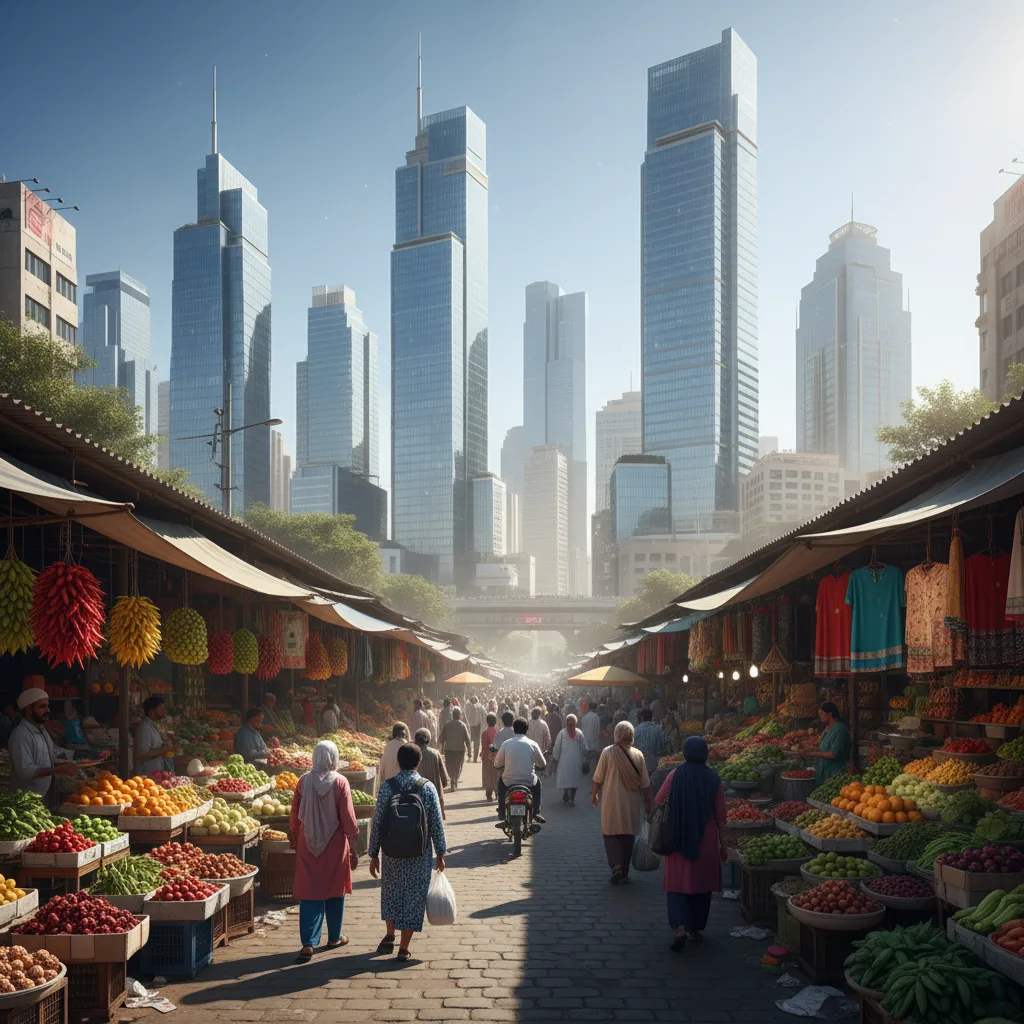
Emerging vs. Developing Economies: Understanding Global Distinctions
Explore the crucial differences between emerging economies and developing economies. This article clarifies their distinct meanings, helping you understand the global economic landscape and nations' economic evolution.
Understanding the Global Landscape: Emerging Economies vs. Developing Economies
The global economic landscape is a vibrant tapestry woven with diverse nations, each at a different stage of economic evolution. When discussing these stages, two terms frequently arise, often used interchangeably, yet carrying distinct meanings: emerging economies and developing economies. While both refer to nations that have not yet reached the full economic maturity of developed countries, understanding the nuances between them is crucial for investors, policymakers, businesses, and anyone seeking to comprehend the intricate dynamics of global growth and opportunity. This comprehensive guide from TrendSeek will unpack the critical differences, shared characteristics, and the dynamic journey that defines emerging economies vs developing economies.
Defining the Terms: What are Developing Economies?
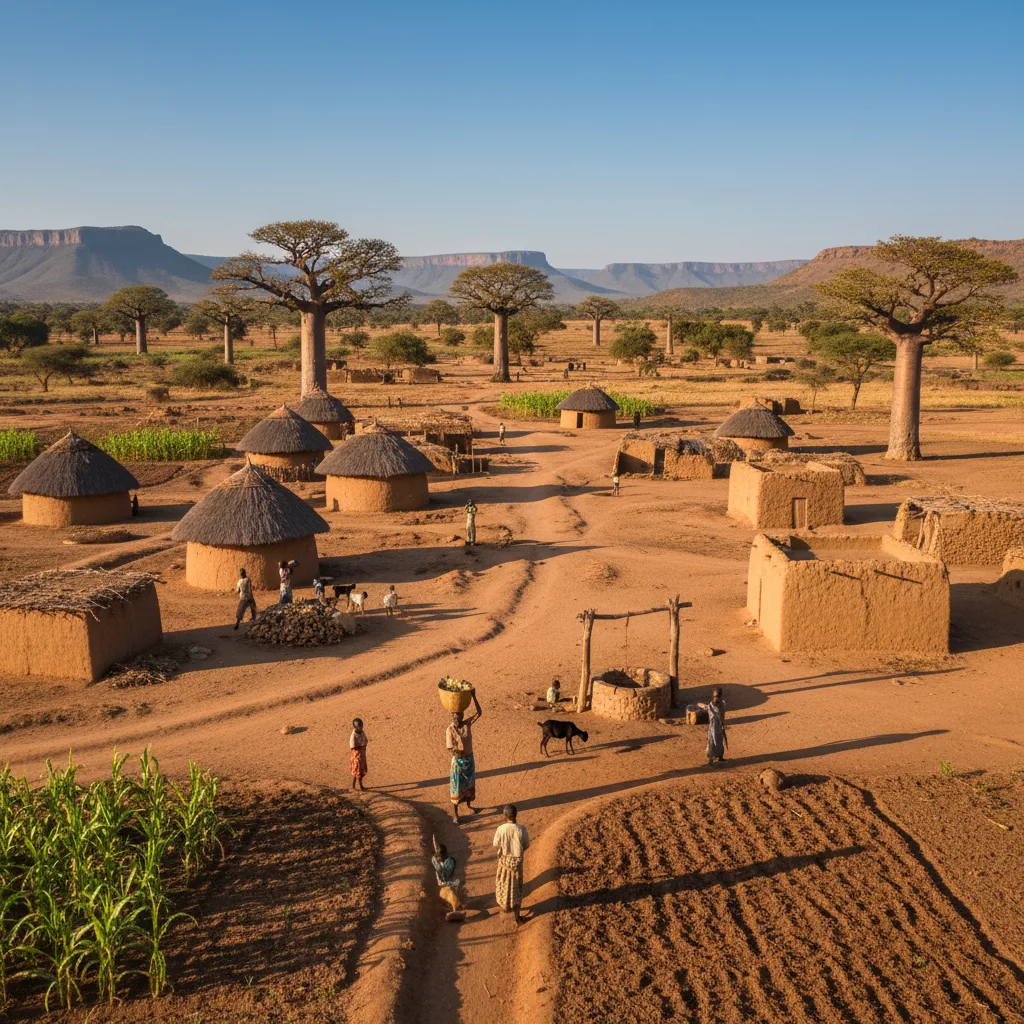
Historically, the term developing economies (sometimes referred to as less-developed countries or LDCs) has been broadly applied to nations characterized by a relatively low level of economic development, often reflected in a low per capita income, limited industrialization, and a lower Human Development Index (HDI) compared to global averages. These economies typically face significant structural challenges that hinder sustained growth and widespread prosperity.
Key characteristics often associated with developing economies include:
- Low Per Capita Income: A significant portion of the population lives below the poverty line, with limited purchasing power.
- Agrarian Focus: A large percentage of the workforce is employed in the agricultural sector, often relying on subsistence farming rather than commercial agriculture.
- Limited Industrialization: Manufacturing and service sectors are typically underdeveloped, leading to a heavy reliance on primary commodity exports (e.g., raw materials, agricultural produce).
- Poor Infrastructure: Inadequate roads, ports, energy supply, communication networks, and public services (healthcare, education) are common, impeding economic activity and quality of life.
- High Poverty and Inequality: Significant portions of the population struggle with poverty, and wealth distribution is often highly uneven.
- Vulnerability to External Shocks: Dependence on a few primary exports makes them susceptible to global commodity price fluctuations, natural disasters, and political instability.
- Challenges in Governance: Often grapple with issues like corruption, weak institutions, and political instability, which deter investment and hinder reform.
Examples of countries typically categorized as developing economies include many nations in Sub-Saharan Africa (e.g., Niger, Chad, Somalia), some landlocked countries, and nations recovering from conflict or natural disasters. These economies often rely heavily on foreign aid and face substantial hurdles in building diversified, resilient economic structures.
Defining the Terms: What are Emerging Economies?
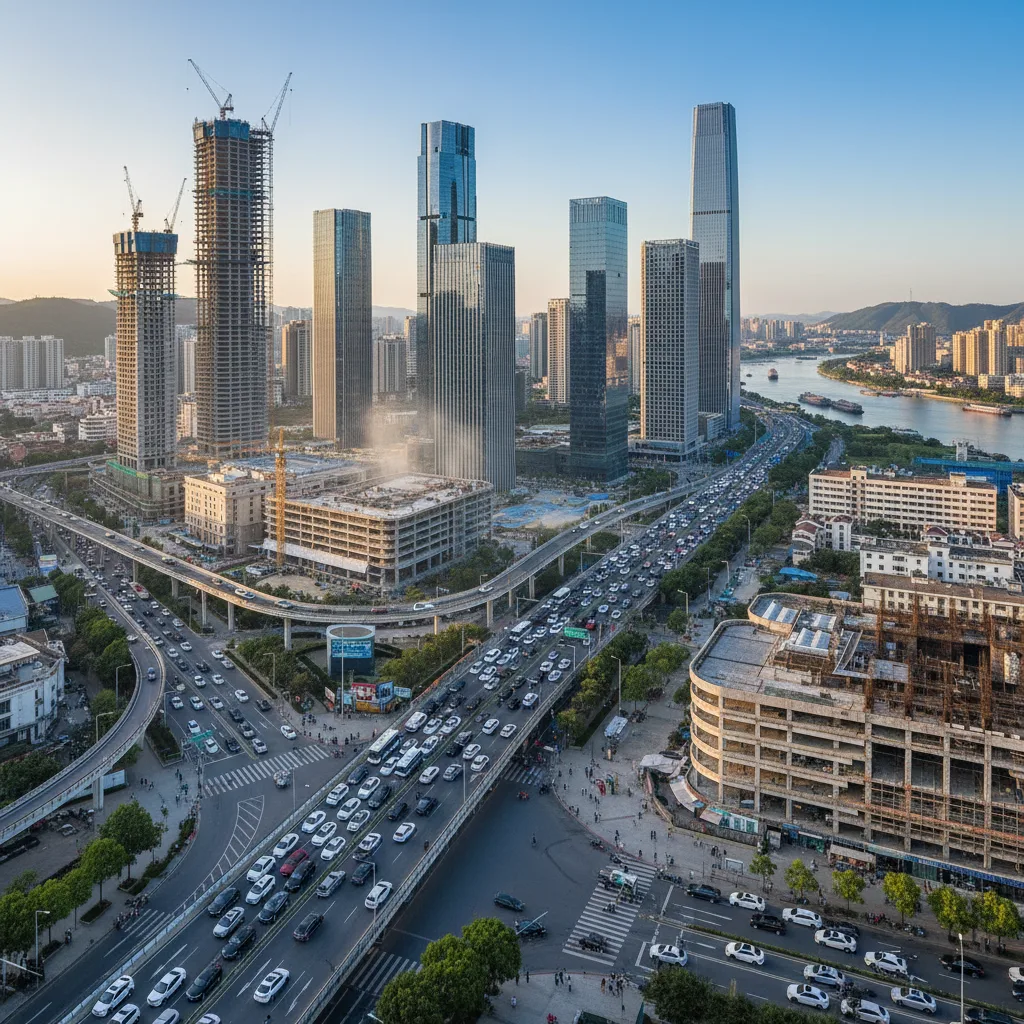
In contrast, emerging economies represent a more dynamic and often rapidly evolving segment of the global economy. These are nations that are transitioning from a developing economy status towards becoming a developed one. They are characterized by rapid industrialization, increasing integration into global markets, and often exhibit higher growth rates than their developed counterparts. The term gained prominence in the 1980s and 1990s as a way to distinguish rapidly industrializing nations from the broader category of developing countries.
Hallmarks of emerging economies include:
- Rapid Economic Growth: Consistently higher GDP growth rates, often driven by industrial expansion, urbanization, and a growing service sector.
- Market Liberalization: Policies aimed at opening up markets, attracting foreign direct investment (FDI), and integrating into global trade networks.
- Growing Middle Class: An expanding segment of the population with increasing disposable income, driving domestic consumption and demand for goods and services.
- Improving Infrastructure: Significant investment in modernizing transportation, energy, and communication networks to support industrial and urban growth.
- Diversifying Economic Base: Moving beyond primary commodities to develop robust manufacturing, technology, and service sectors.
- Increased FDI and Capital Flows: Attracting substantial foreign investment due to perceived growth potential and market opportunities, though often accompanied by higher market volatility.
- Institutional Reforms: Efforts to strengthen legal frameworks, improve governance, and foster a more stable business environment.
Prominent examples of emerging economies include the BRICS nations (Brazil, Russia, India, China, South Africa), Mexico, Indonesia, Turkey, Vietnam, and Poland. These countries offer significant opportunities for global businesses and investors, albeit with higher risks compared to established developed markets.
The Core Distinction: Emerging Economies vs. Developing Economies - Key Differences
While both categories are on a journey towards greater prosperity, the fundamental distinction between emerging economies vs developing economies lies in their trajectory, economic structure, and global integration. It’s a spectrum, not a binary, but the differences are profound:
- Growth Momentum: Emerging economies are characterized by robust, often high-single-digit or even double-digit GDP growth rates, indicating a significant upward trajectory. Developing economies, conversely, typically experience slower, more erratic, or even stagnant growth, often struggling to break free from cycles of poverty.
- Market Integration: Emerging economies are increasingly integrated into the global economy, participating actively in international trade, attracting substantial FDI, and often having relatively sophisticated financial markets. Developing economies tend to be less integrated, relying more on primary exports and external aid, with limited access to global capital markets.
- Economic Structure: The economies of emerging nations are undergoing significant diversification, moving from agrarian or commodity-dependent structures to more industrialized and service-oriented economies. Think of India’s booming IT sector or China’s manufacturing prowess. Developing economies largely remain reliant on primary sectors, with nascent or struggling industrial bases.
- Investment Appeal: For international investors, emerging economies represent opportunities for high returns, driven by rapid growth and expanding consumer bases, though they come with higher volatility and risk. Developing economies, while offering potential, are generally seen as higher risk and attract less private investment, often relying more on humanitarian aid and development assistance.
- Human Development: While still facing challenges, emerging economies are typically seeing significant improvements in human development indicators such as literacy rates, life expectancy, access to healthcare, and the rise of a substantial middle class. Developing economies often struggle with persistent issues of low literacy, high infant mortality, and widespread extreme poverty.
- Policy and Governance: Emerging economies are generally making strides in establishing more stable macroeconomic policies, strengthening institutions, and improving regulatory frameworks to foster a conducive business environment. While challenges remain, there’s a clear direction towards reform. Developing economies often face deeper-seated issues of governance, corruption, and political instability that impede consistent policy implementation.
Consider the example of Vietnam, a classic emerging economy. Over the past few decades, it has transformed from a largely agrarian, centrally planned system into a dynamic, export-oriented manufacturing hub. Its rapid growth, rising middle class, and integration into global supply chains (e.g., electronics manufacturing) clearly distinguish it from a country like Chad, which, despite efforts, remains heavily reliant on subsistence agriculture and faces significant developmental hurdles.
The Dynamics of Transition: Why Economies Evolve
The journey from a developing economy to an emerging economy, and potentially to a developed one, is driven by a complex interplay of factors. It’s not a predetermined path but rather a result of strategic choices, resource endowments, and global dynamics.
Key drivers of this transition include:
- Globalization and Trade Liberalization: Opening up to international trade allows countries to specialize, access larger markets, and integrate into global supply chains. This has been a powerful engine for many Asian emerging economies.
- Foreign Direct Investment (FDI): Inflows of capital, technology, and management expertise from multinational corporations can be transformative. FDI helps build infrastructure, create jobs, and transfer knowledge, as seen in countries like Mexico and Poland.
- Technological Adoption and Innovation: Embracing new technologies, often by leapfrogging older stages of development, can significantly boost productivity and create new industries. Mobile banking in Kenya or widespread internet penetration in India are examples.
- Sound Macroeconomic Policies: Stable fiscal and monetary policies, controlled inflation, and a favorable exchange rate environment are critical for attracting investment and fostering sustainable growth.
- Investment in Human Capital: Prioritizing education, healthcare, and skills training creates a productive workforce capable of driving innovation and adapting to new economic structures. South Korea’s post-war emphasis on education is a prime historical example.
- Infrastructure Development: Modern transportation networks, reliable energy sources, and robust communication systems are the backbone of a growing economy, facilitating trade and reducing business costs. China’s massive infrastructure projects have been key to its emergence.
- Institutional Reforms: Strengthening the rule of law, protecting property rights, combating corruption, and ensuring political stability create a predictable and trustworthy environment for both domestic and international investors.
- Demographic Dividend: A young, growing population entering the workforce can provide a powerful boost to economic growth, provided there are sufficient opportunities and investments in their development.
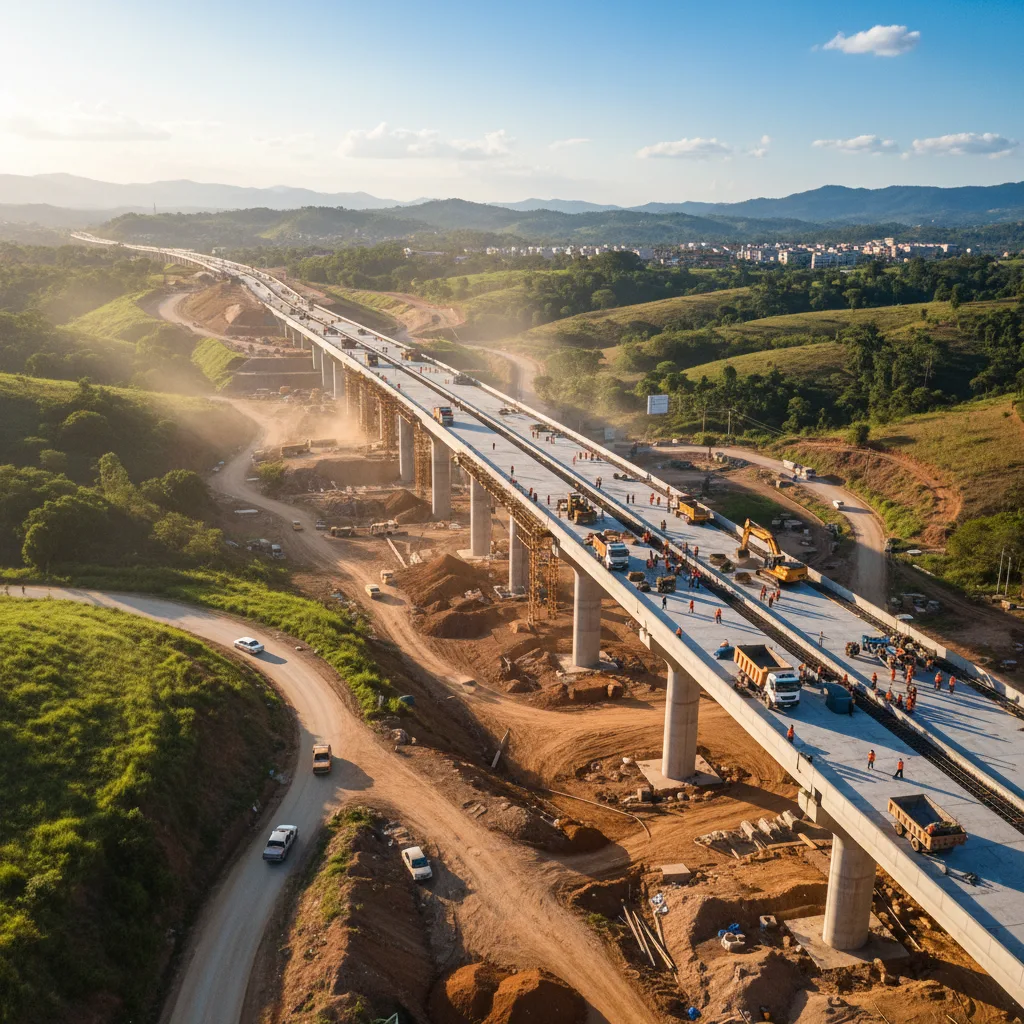
However, this transition is not without its challenges. Emerging economies often grapple with issues like rising income inequality, environmental degradation, and the “middle-income trap,” where they struggle to move beyond manufacturing into higher-value innovation.
Implications for Global Business, Policy, and the Future of Emerging Economies
Understanding the distinction between emerging economies vs developing economies has profound implications for various stakeholders:
- For Investors: The differentiation guides investment strategies. Emerging markets offer higher growth potential and diversification benefits but demand careful risk assessment due to market volatility, political instability, and currency fluctuations. Developing economies are generally less attractive for mainstream private equity or portfolio investment, often requiring specialized impact investing or development finance.
- For Businesses: Companies looking for new markets, manufacturing bases, or talent pools need to tailor their strategies. Emerging economies present opportunities for expanding consumer markets (e.g., for consumer goods, technology) and cost-effective production. Developing economies might be targets for basic goods, infrastructure projects, or humanitarian initiatives.
- For Policymakers in Developed Nations: The distinction informs foreign policy, trade agreements, and development aid allocation. Aid to developing economies often focuses on basic human needs, governance, and capacity building. Engagement with emerging economies might involve trade negotiations, climate change cooperation, or strategic partnerships.
- For International Organizations (IMF, World Bank): These bodies design specific programs and lending conditions based on a nation’s economic status. They provide financial assistance and technical expertise, with tailored approaches for debt relief, structural adjustments, or market-opening reforms depending on whether a country is developing or emerging.
- For the Economies Themselves: Recognizing their status helps countries formulate appropriate development strategies. Developing economies might prioritize basic infrastructure and institutional strengthening, while emerging economies might focus on innovation, high-tech industries, and addressing issues like income inequality and environmental sustainability.
The global economic landscape is constantly shifting. Today’s emerging economies like South Korea and Taiwan were once developing nations, and some are now considered developed. The journey is continuous, marked by both progress and setbacks. Factors like climate change, geopolitical shifts, and technological disruptions will continue to reshape the classifications and trajectories of nations worldwide.
Conclusion
The terms emerging economies and developing economies are not mere academic labels; they represent distinct stages of economic evolution with significant implications for global interactions. While developing economies grapple with fundamental challenges of poverty, limited infrastructure, and basic economic diversification, emerging economies are dynamic forces characterized by rapid growth, increasing global integration, and a burgeoning middle class.
Understanding the core differences between emerging economies vs developing economies is essential for navigating the complexities of the 21st-century global economy. It allows for more informed investment decisions, tailored business strategies, effective policy formulation, and a deeper appreciation of the diverse paths nations take on their journey towards prosperity. As the world continues to evolve, so too will these classifications, highlighting the ongoing dynamism of global economic development.