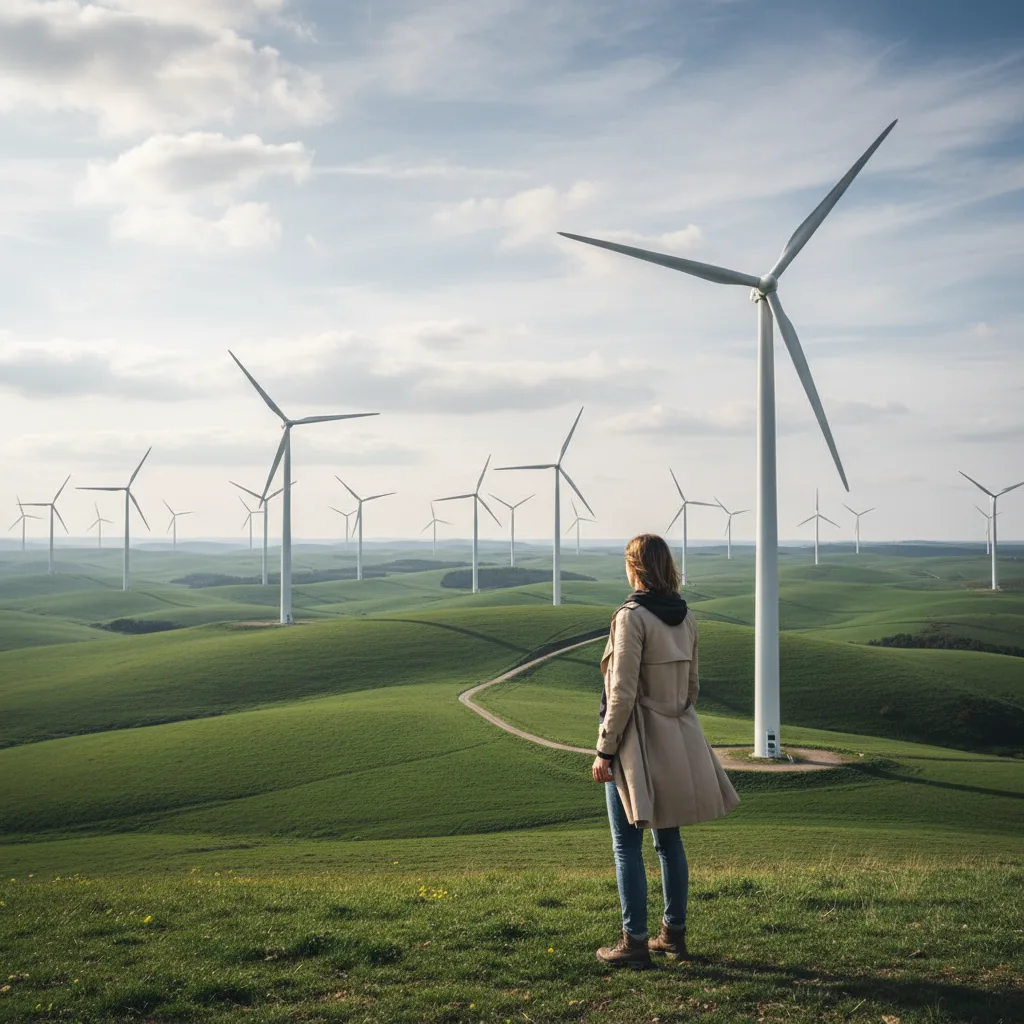
Energy Independence: Pros, Cons, and National Strategy
Unpack the pros and cons of energy independence, examining its impact on national self-reliance, economic stability, and global security.
The Quest for Energy Independence: Unpacking the Pros and Cons
In an increasingly interconnected yet volatile world, the concept of energy independence has moved from a niche policy discussion to a central pillar of national strategy for many countries. It evokes visions of national self-reliance, economic stability, and enhanced security. But what exactly does it mean to be “energy independent,” and is it an achievable or even desirable goal for every nation? At TrendSeek, we believe in exploring complex topics from all angles. Today, we’re going to delve into the multifaceted energy independence pros and cons, offering a comprehensive guide to understanding this critical global ambition.
The Allure of Energy Independence: Key Advantages (Pros)
The push for energy independence is driven by a compelling set of advantages that promise stability and prosperity. Let’s explore the primary benefits:
Enhanced National Security and Geopolitical Stability
Perhaps the most frequently cited benefit, energy independence significantly bolsters a nation’s security posture.
- Reduced Vulnerability: Nations heavily reliant on imported energy sources are susceptible to supply disruptions caused by geopolitical conflicts, embargoes, or natural disasters in producing regions. Achieving independence means mitigating these external threats, ensuring a steady energy supply regardless of international turbulence. Think of the OPEC oil embargoes of the 1970s, which sent shockwaves through the global economy and highlighted the vulnerabilities of energy-importing nations.
- Greater Foreign Policy Autonomy: A country less dependent on foreign energy suppliers has greater freedom to pursue its own foreign policy objectives without the pressure of energy concerns dictating its diplomatic stances or military actions.
- Fewer “Energy Wars”: While direct energy-related conflicts are rare, the competition for resources can fuel regional instability. Independence can reduce this competitive pressure.
Significant Economic Benefits
The economic incentives for achieving energy independence are substantial and far-reaching.
- Reduced Trade Deficits: Importing vast quantities of fossil fuels can create massive trade deficits, draining national wealth. Domestic energy production keeps money within the country, strengthening the national economy. For instance, the U.S. shale revolution dramatically increased domestic oil and natural gas production, contributing to a significant reduction in the country’s trade deficit related to energy imports.
- Job Creation and Economic Growth: Developing domestic energy sectors—whether traditional fossil fuels or burgeoning renewables—creates jobs across the entire value chain, from extraction and manufacturing to installation, maintenance, and research & development. This stimulates local economies and fosters innovation.
- Price Stability: Domestic production can insulate consumers and industries from the volatility of global energy markets. While not entirely immune, a nation with its own robust supply can better manage price fluctuations, leading to more predictable costs for businesses and households.
- Investment in Domestic Infrastructure: The pursuit of independence often necessitates investment in new infrastructure, such as pipelines, transmission lines, renewable energy farms, and smart grids, further boosting economic activity and modernizing national assets.
Environmental Opportunities and Technological Advancement
While not inherent to all forms of energy independence, the modern pursuit often aligns with environmental goals.
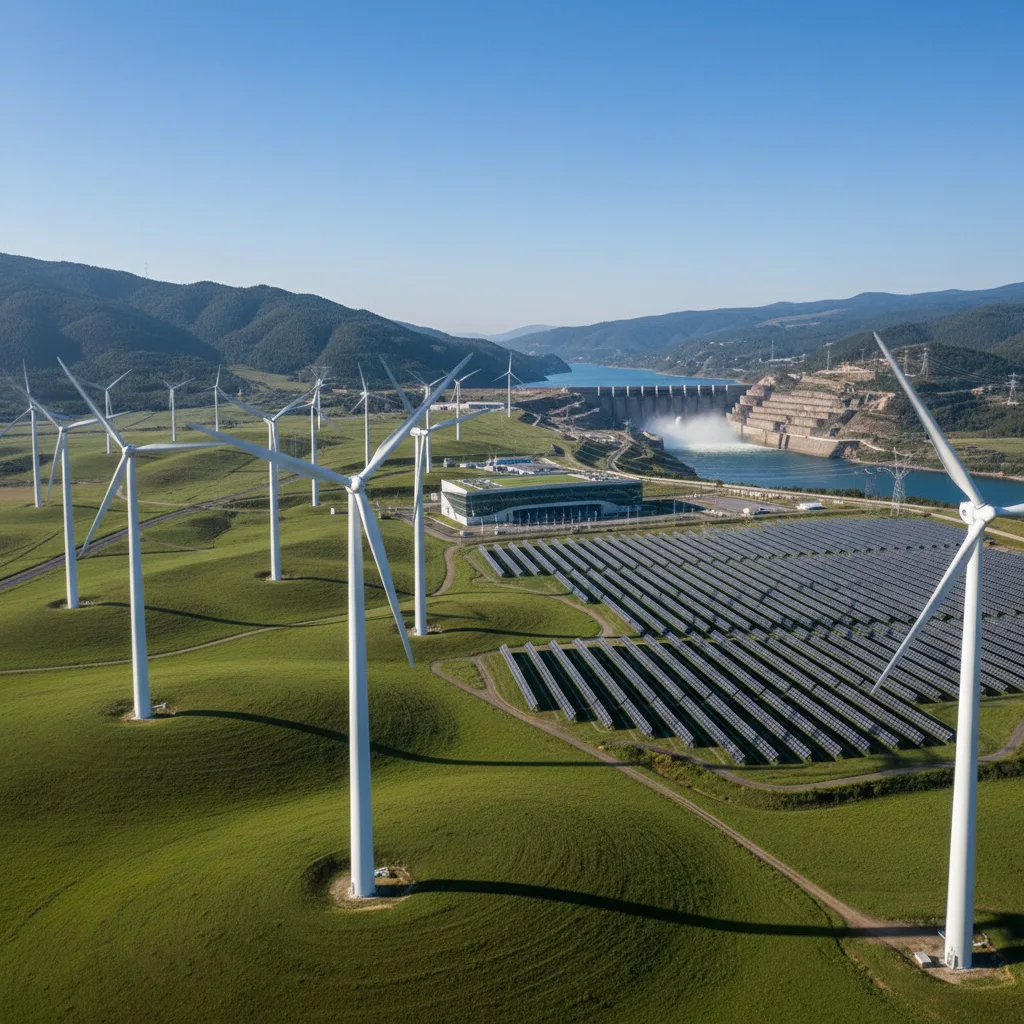
- Renewable Energy Drive: Many nations aim for independence by investing heavily in renewable energy sources like solar, wind, hydro, and geothermal. This transition not only reduces reliance on finite fossil fuels but also significantly lowers carbon emissions, contributing to climate change mitigation. Countries like Iceland have achieved near 100% renewable electricity production, primarily through geothermal and hydropower, demonstrating a pathway to clean energy independence.
- Technological Innovation: The challenge of achieving energy independence spurs significant research and development in energy storage solutions (batteries), grid modernization, efficiency technologies, and advanced renewable energy systems, positioning the nation as a leader in future energy markets.
The Challenges and Drawbacks of Energy Independence (Cons)
Despite its compelling advantages, the path to energy independence is fraught with significant challenges and potential drawbacks.
High Upfront Costs and Investment
The transition to energy independence, particularly if it involves a significant shift in energy sources, requires monumental financial investment.
- Infrastructure Development: Building new power plants, renewable energy farms, transmission lines, and energy storage facilities demands enormous capital. For example, the estimated global investment needed for the energy transition to meet climate goals runs into trillions of dollars annually.
- Stranded Assets: A rapid shift away from fossil fuels could render existing infrastructure (oil refineries, coal power plants) obsolete, leading to significant economic losses and job displacement in traditional energy sectors.
- Research and Development: While beneficial in the long run, initial R&D costs for cutting-edge energy technologies can be substantial and carry inherent risks.
Potential for Environmental Trade-offs
The environmental benefits of energy independence are often contingent on the type of energy pursued.
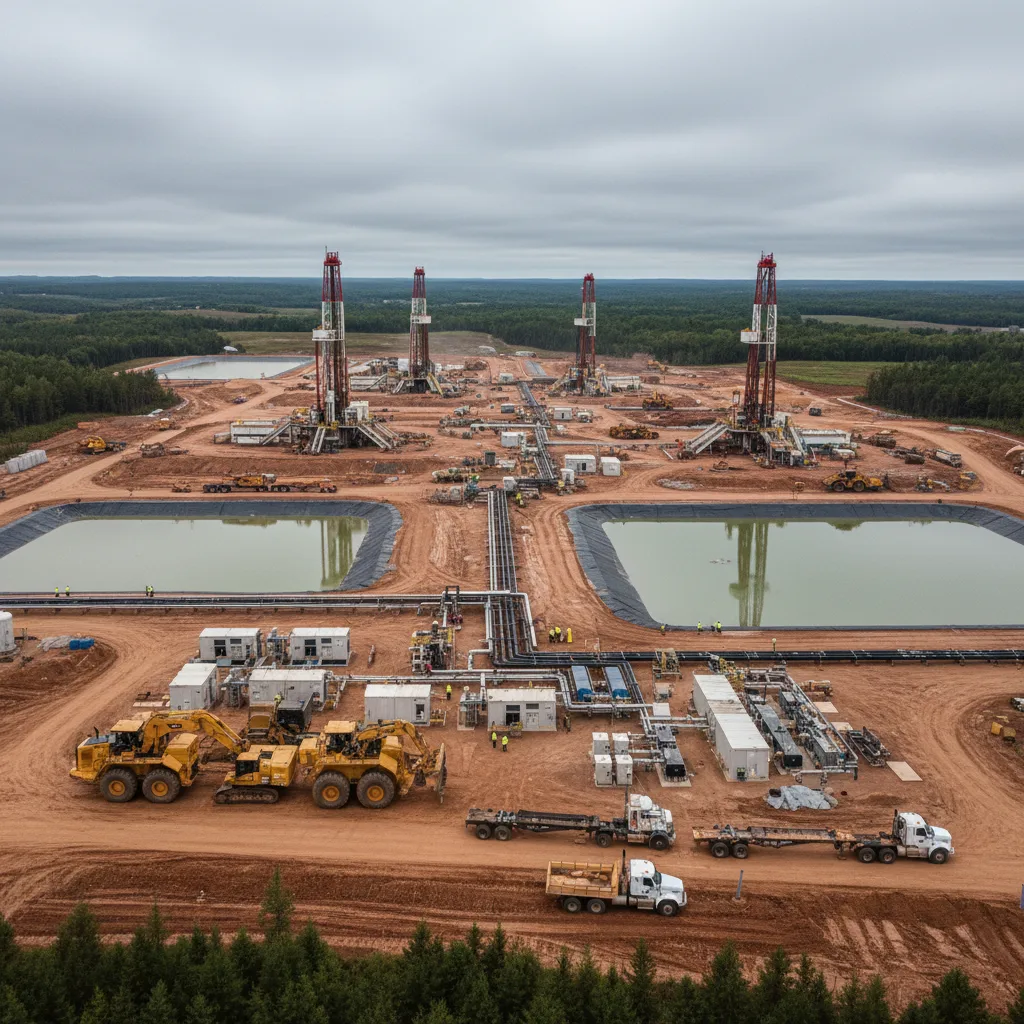
- Fossil Fuel Extraction Impacts: If independence is achieved through increased domestic fossil fuel extraction (e.g., fracking for natural gas or oil sands extraction), it can lead to localized environmental concerns such as water contamination, land degradation, increased greenhouse gas emissions, and seismic activity.
- Mining for Critical Minerals: The transition to renewables and electric vehicles requires vast amounts of critical minerals (e.g., lithium, cobalt, rare earth elements). The mining and processing of these materials can have significant environmental impacts, including habitat destruction, water pollution, and high energy consumption.
- Waste Disposal: Nuclear power, a potential route to independence, generates radioactive waste that requires safe, long-term disposal solutions, posing enduring environmental and health challenges.
Economic Disruptions and Resource Allocation
Achieving energy independence can introduce economic complexities and difficult choices.
- Market Distortions: Heavy government subsidies or protectionist policies aimed at fostering domestic energy production can distort market forces, potentially leading to inefficient resource allocation or higher energy costs for consumers.
- Job Transition Challenges: While new jobs are created, workers in declining traditional energy sectors may face unemployment or require extensive retraining, leading to social and economic disruption in affected communities.
- Opportunity Costs: The massive investment required for energy independence might divert funds from other critical sectors like education, healthcare, or infrastructure projects, necessitating difficult policy trade-offs.
Technological and Infrastructure Limitations
Even with significant investment, practical limitations can hinder the full realization of energy independence.
- Intermittency of Renewables: Solar and wind power are intermittent, meaning they only generate electricity when the sun shines or the wind blows. This necessitates robust energy storage solutions (like large-scale batteries) and smart grid technologies, which are still evolving and costly.
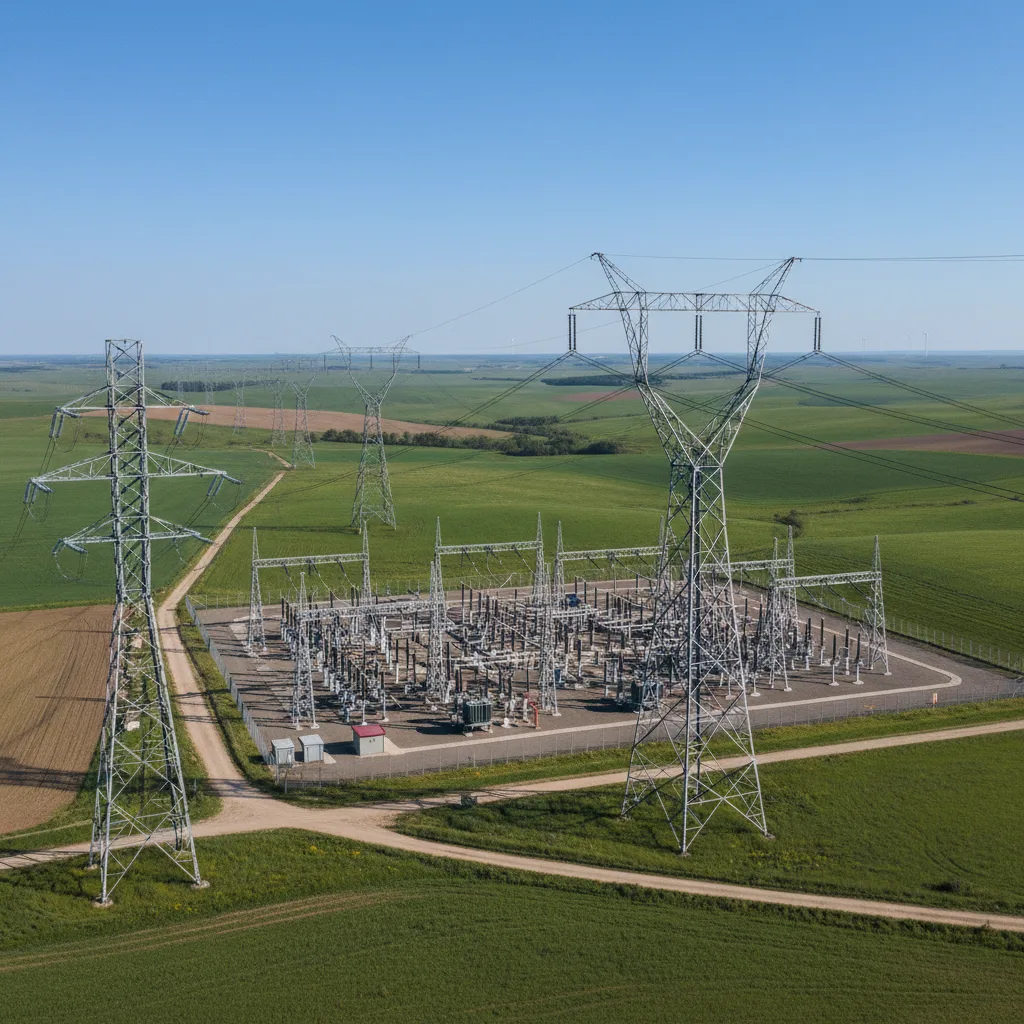
- Grid Modernization: Existing electricity grids were often designed for centralized fossil fuel plants. Integrating decentralized renewable sources requires extensive and costly modernization to ensure reliability and efficiency.
- Resource Specificity: True independence might be impractical for nations lacking specific natural resources (e.g., no strong winds for turbines, no geothermal activity, limited land for solar farms).
Beyond the Buzzword: Defining Energy Independence
It’s crucial to understand that “energy independence” is not a monolithic concept. Its definition can vary widely, impacting the perceived pros and cons.
- 100% Self-Sufficiency: This is the most extreme interpretation, meaning a nation produces all the energy it consumes, without any imports. This is exceedingly rare and often impractical for most modern economies.
- Net Energy Exporter: A more common aspiration, meaning a country produces more energy than it consumes, allowing it to export the surplus. The United States, for example, became a net energy exporter in 2019, primarily due to increased oil and natural gas production, though it still imports and exports different types of energy.
- Diversification and Security: For many, the practical goal isn’t absolute independence but rather energy security – ensuring a reliable, affordable, and sustainable supply of energy. This often involves diversifying energy sources (both domestic and international), building strategic reserves, and fostering strong international relationships. A country might still import energy but from a wide range of stable partners, reducing its reliance on any single volatile source.
The path a nation chooses—whether focusing on fossil fuels, nuclear, or renewables—will significantly alter the environmental, economic, and geopolitical implications of its quest for independence.
Real-World Pursuits and Case Studies
Examining real-world examples helps illustrate the complexities of achieving energy independence pros and cons.
- United States: The shale gas and oil revolution fundamentally altered the U.S. energy landscape, moving it from a major energy importer to a net exporter.
- Pros: Enhanced national security, reduced trade deficits, significant job creation in the energy sector, and lower energy prices for consumers (especially natural gas).
- Cons: Environmental concerns associated with fracking (water usage, methane emissions), geopolitical implications of increased fossil fuel production (potential for less pressure on global climate action), and continued reliance on fossil fuels.
- European Union: The EU has a strong ambition to transition to a low-carbon economy and reduce reliance on external energy suppliers, particularly Russia.
- Pros: Significant investment in renewable energy (solar, wind) driven by climate targets, leading to job creation and technological innovation. Reduced geopolitical leverage for external suppliers.
- Cons: High upfront costs for renewable infrastructure, challenges with grid integration and intermittency, continued reliance on imports for critical minerals and manufacturing components for renewables, and the social challenge of phasing out coal in some member states. The energy crisis following Russia’s invasion of Ukraine starkly highlighted the EU’s vulnerability to external gas supplies, accelerating its drive for independence through diversification and renewables.
- Iceland: An exceptional example, Iceland generates nearly all its electricity and heating from geothermal and hydropower.
- Pros: Extremely low carbon emissions from energy production, stable and affordable energy prices, significant national expertise in geothermal technology.
- Cons: While a success story, its unique geological conditions (abundant geothermal activity, glacial rivers) make it a difficult model to replicate for most nations. It also faces challenges in diversifying its economy beyond energy-intensive industries attracted by cheap power.
Conclusion
The pursuit of energy independence is a complex and multifaceted endeavor, presenting a compelling array of pros and cons that demand careful consideration. While offering significant advantages in national security, economic stability, and environmental sustainability (especially when pursued through renewables), it also entails substantial upfront costs, potential environmental trade-offs, economic disruptions, and technological hurdles.
Ultimately, “energy independence” is less about absolute self-sufficiency and more about achieving energy security through diversification, innovation, and strategic resource management. The ideal path for any nation will depend on its unique geographical resources, economic structure, geopolitical context, and environmental commitments. As the world navigates climate change and geopolitical shifts, understanding these intricate dynamics will be crucial for charting a sustainable and secure energy future.