Global Food Security: Population Growth, Challenges & Solutions
Explore the critical challenges posed by exponential population growth on global food security. Discover sustainable alternatives and solutions for feeding 8 billion people and beyond.
Navigating the Future: Exponential Population Growth and Global Food Security Challenges and Alternatives
The story of humanity is one of remarkable growth. From a mere few million hunter-gatherers thousands of years ago, our global population has surged past 8 billion, a testament to advancements in medicine, sanitation, and food production. However, this exponential population growth trajectory presents one of the most pressing dilemmas of our time: how do we ensure global food security for everyone, now and in the future? This guide delves into the intricate relationship between our expanding numbers and the daunting challenges of feeding a hungry planet, exploring innovative solutions and sustainable alternatives.
The Unfolding Story of Exponential Population Growth
For much of human history, population growth was slow, checked by disease, famine, and conflict. The Industrial Revolution, coupled with breakthroughs in agriculture and healthcare, ignited a demographic explosion. This phenomenon, known as exponential population growth, means that the growth rate itself increases over time, leading to increasingly rapid increases in total numbers. In 1800, the world population was approximately 1 billion; it took over 120 years to reach 2 billion, but only 33 years to reach 4 billion (in 1974), and less than 50 years later, we are past 8 billion. Projections suggest we could reach nearly 10 billion by 2050, and possibly peak at around 10.4 billion by the 2080s.
While the rate of growth is slowing in many regions, the sheer number of additional people needing sustenance each year remains immense. This rapid expansion places unprecedented pressure on our planet’s finite resources, particularly those critical for food production. Understanding this demographic shift is the first step in comprehending the magnitude of the food security challenge ahead.
Mounting Global Food Security Challenges in an Era of Growth
The confluence of exponential population growth and a changing climate exacerbates existing vulnerabilities within our global food systems. Ensuring that all people, at all times, have physical, social, and economic access to sufficient, safe, and nutritious food that meets their dietary needs and food preferences for an active and healthy life is a monumental task.
Here are some of the critical challenges:
- Resource Depletion:
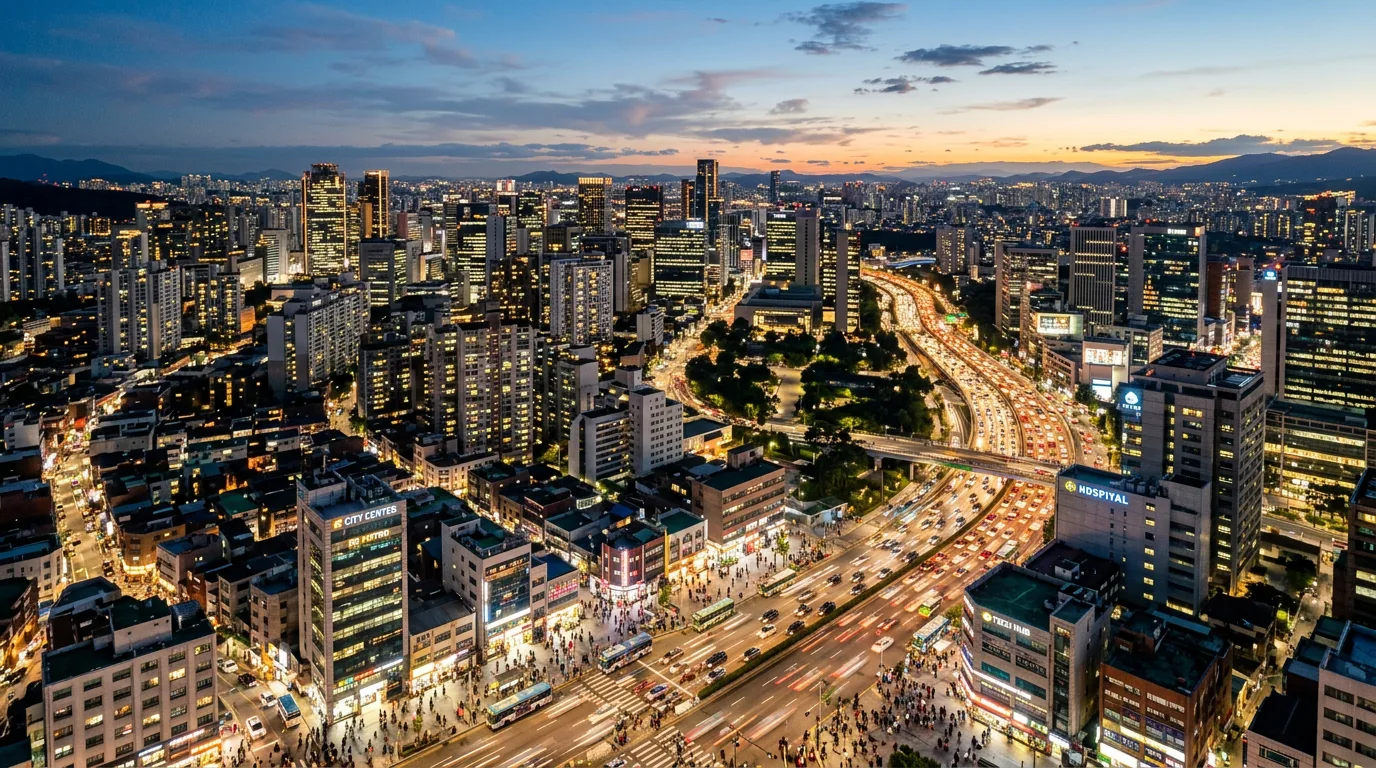
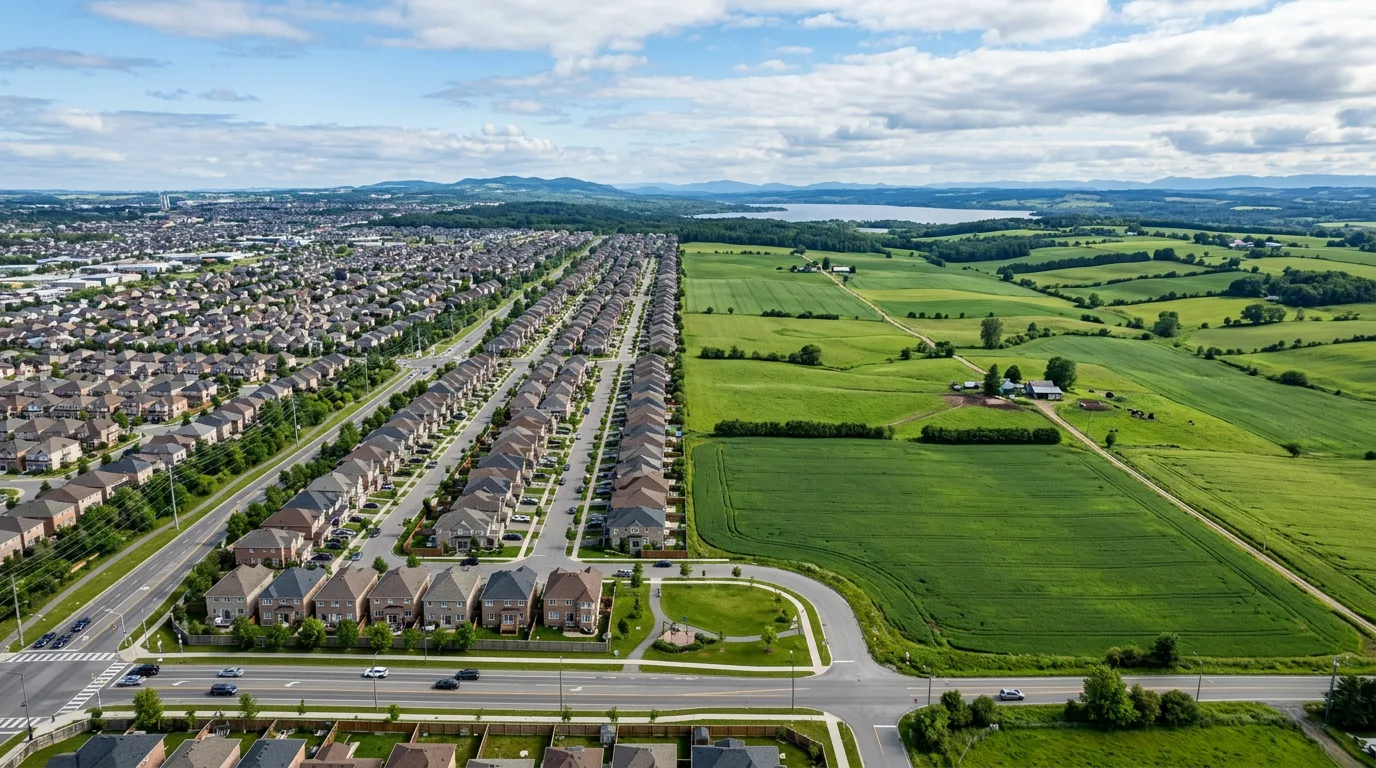
- Arable Land: Only about 10-15% of the Earth’s land surface is suitable for growing crops. As populations expand, urban sprawl and infrastructure development consume valuable agricultural land. Soil degradation due to intensive farming practices, erosion, and desertification further reduces productivity.
- Water Scarcity: Agriculture accounts for approximately 70% of global freshwater withdrawals. Many regions facing rapid population growth are also water-stressed. Climate change intensifies droughts and alters rainfall patterns, making reliable water access for irrigation increasingly precarious.
- Climate Change Impacts: Rising global temperatures, extreme weather events (floods, droughts, heatwaves), and unpredictable seasons disrupt traditional farming cycles. These changes lead to reduced crop yields, increased pest outbreaks, and livestock stress, disproportionately affecting vulnerable communities. For instance, a 2019 UN report highlighted that climate change is already impacting staple crops like maize and wheat, threatening food supplies.
- Food Waste: An astonishing one-third of all food produced globally for human consumption is lost or wasted each year – approximately 1.3 billion tons. This waste occurs at every stage, from farm to fork, due to inefficient harvesting, poor storage, transportation issues, and consumer behavior. This represents a colossal waste of resources (land, water, energy, labor) used to produce food that never reaches a hungry mouth.
- Economic Inequality and Access: Even with sufficient food produced globally, millions still suffer from hunger and malnutrition due to poverty, conflict, and inadequate infrastructure. Economic disparities limit access to nutritious food for the poorest segments of society, leading to malnourishment even in areas with abundant supply.
- Supply Chain Vulnerabilities: Globalized food systems, while efficient, are susceptible to disruptions from pandemics, geopolitical conflicts, and natural disasters. The COVID-19 pandemic, for example, exposed fragilities in labor availability and logistics, impacting food availability and prices in many regions.
These challenges are interconnected, forming a complex web that requires multi-faceted solutions.
Innovative Alternatives for Sustainable Food Production and Distribution
Addressing the complex interplay of population growth and food security demands a paradigm shift in how we produce, distribute, and consume food. Innovation and sustainability are at the heart of these alternatives.
- Sustainable Agriculture and Farming Innovations:
- Precision Farming: Utilizing GPS, sensors, drones, and AI, precision farming optimizes resource use (water, fertilizer, pesticides) by tailoring inputs to specific field conditions. This boosts yields while minimizing environmental impact.
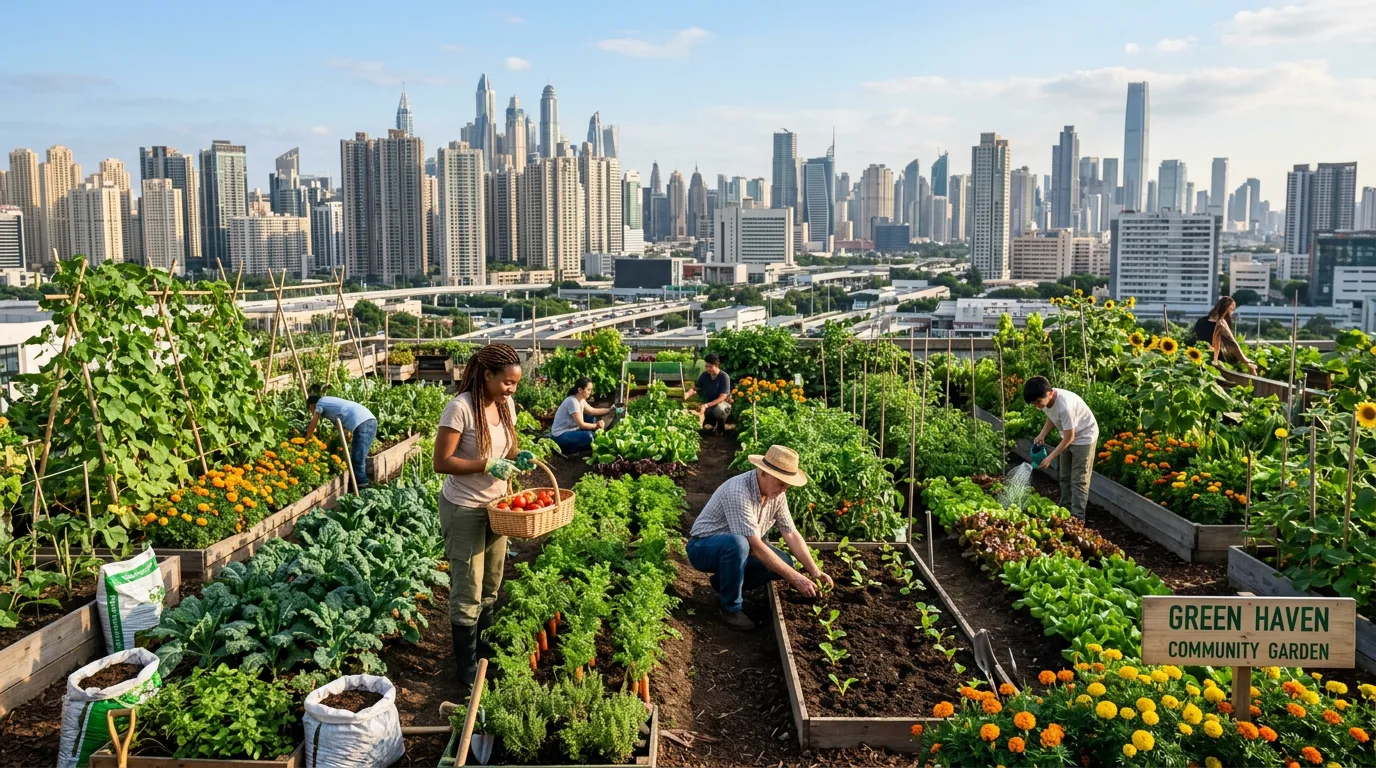
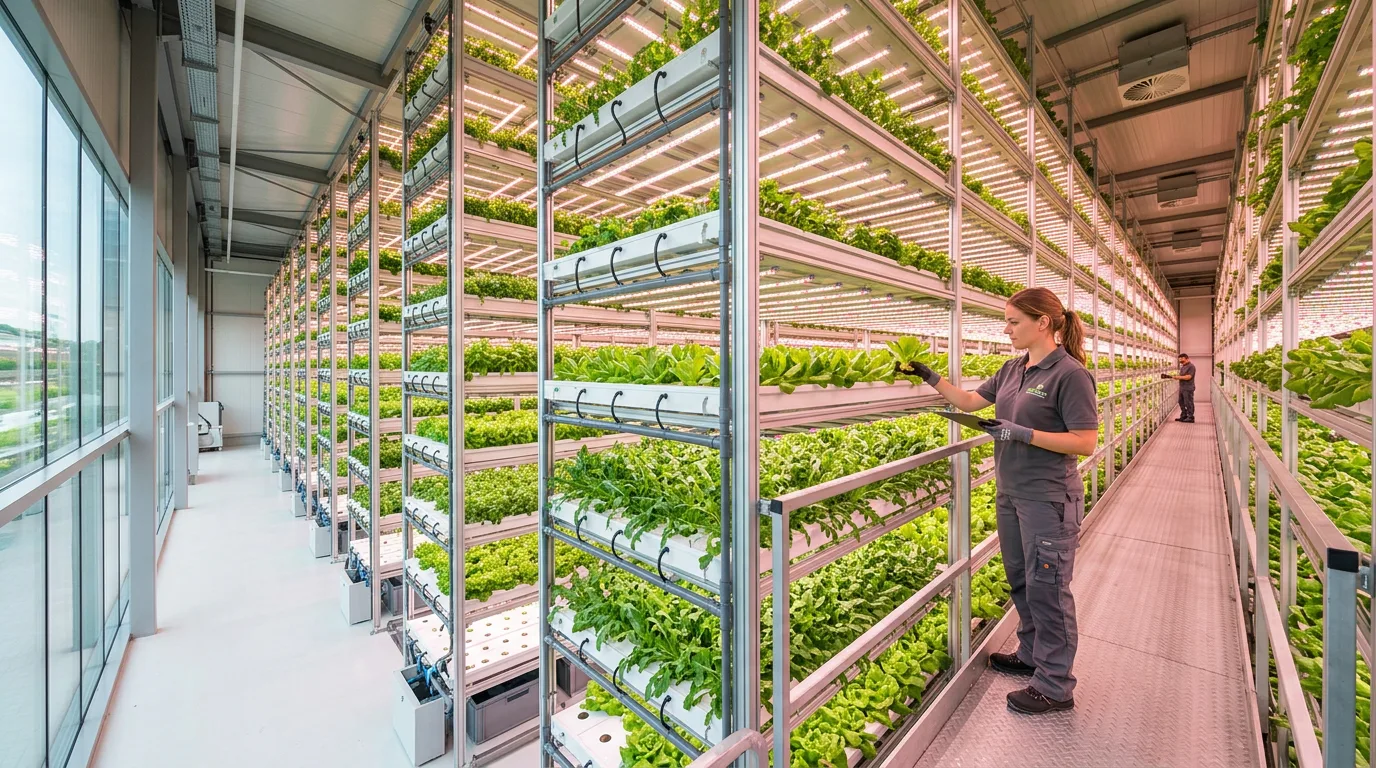
- Vertical Farming & Urban Agriculture: Growing crops in vertically stacked layers, often in controlled indoor environments, dramatically reduces land and water use. Urban farms can bring fresh produce closer to consumers, cutting transportation costs and emissions. Examples like AeroFarms in Newark, USA, demonstrate high-yield, pesticide-free production in urban settings.
- Agroecology: This approach integrates ecological principles into agricultural practices, focusing on biodiversity, soil health, and natural pest control. It emphasizes local food systems, resilience, and empowering smallholder farmers, who produce a significant portion of the world’s food.
- Hydroponics & Aquaponics: Growing plants without soil, using nutrient-rich water (hydroponics), or combining plant and fish farming (aquaponics), offers efficient ways to produce food in resource-scarce environments.
-
Biotechnology and Crop Resilience:
- Genetically Modified (GM) Crops & Gene Editing: While controversial, biotechnology offers tools to develop crops that are more resistant to pests, diseases, droughts, and floods, or that have enhanced nutritional content. CRISPR-Cas9 gene-editing technology, for example, allows for precise modifications that can accelerate the development of more resilient and productive crop varieties.
- Drought-Resistant Varieties: Research into developing crops that can thrive with less water is crucial for regions facing increased water scarcity.
-
Alternative Proteins:
- Plant-Based Proteins: The growing popularity of plant-based meats, dairy alternatives, and protein sources like lentils, beans, and tofu offers a less resource-intensive alternative to traditional animal agriculture. Producing plant-based proteins generally requires significantly less land, water, and emits fewer greenhouse gases.
- Cultivated Meat (Lab-Grown Meat): This involves growing animal cells in a bioreactor to produce meat without raising and slaughtering animals. While still in its nascent stages and expensive, it holds potential for reducing the environmental footprint of meat production.
- Insect Farming: Insects are a highly efficient source of protein, requiring minimal land and water, and emitting fewer greenhouse gases than conventional livestock. They are already a dietary staple in many cultures and are gaining traction as a sustainable protein source.
-
Water Management and Efficiency:
- Drip Irrigation and Smart Systems: Moving away from flood irrigation to more targeted methods like drip irrigation can drastically reduce water consumption in agriculture.
- Water Harvesting and Recycling: Capturing rainwater and treating wastewater for agricultural use can supplement freshwater supplies.
- Desalination: While energy-intensive, desalination technologies are becoming more efficient and can provide freshwater in coastal arid regions.
Reducing Food Waste and Enhancing Distribution
Beyond production, tackling food waste is perhaps the most immediate and impactful alternative for improving global food security.
- Improving Supply Chains: Investing in better infrastructure for storage, refrigeration, and transportation in developing countries can significantly reduce post-harvest losses, which can be as high as 40% in some regions.
- Consumer Education and Behavior Change: Campaigns to educate consumers about meal planning, proper food storage, and understanding “best before” versus “use by” dates can drastically reduce household food waste. Initiatives like “ugly fruit” campaigns encourage the sale of cosmetically imperfect produce, which is often perfectly edible.
- Food Recovery and Redistribution: Programs that collect surplus food from retailers, restaurants, and farms and redistribute it to food banks and charities can feed hungry people and prevent waste. France, for example, has laws requiring supermarkets to donate unsold food.
Fostering Resilience: Policy, Education, and Global Collaboration
Sustainable food security isn’t solely about technological fixes; it requires systemic change, robust policies, and widespread collaboration.
- Empowering Smallholder Farmers: Providing smallholder farmers, especially women, with access to land, credit, training, and technology can significantly boost local food production and improve livelihoods. Organizations like the International Fund for Agricultural Development (IFAD) play a crucial role here.
- Investing in Research and Development: Continued investment in agricultural research is vital for developing new crop varieties, sustainable farming techniques, and innovative food technologies that can withstand future challenges.
- Effective Governance and Policy: Governments must implement policies that support sustainable land use, water management, and fair trade practices. Subsidies for environmentally damaging practices should be redirected towards eco-friendly agriculture. Food safety standards and regulations also play a critical role.
- Education and Awareness: Educating communities about nutrition, sustainable consumption, and the environmental impact of their food choices is fundamental to long-term change. This includes promoting diverse diets and reducing reliance on resource-intensive foods.
- International Cooperation: Global challenges like climate change and food security require global solutions. International agreements, aid programs, and knowledge sharing are essential to help vulnerable nations build resilient food systems.
Conclusion
The challenge of feeding an ever-growing global population in the face of climate change and resource scarcity is undeniably complex, but not insurmountable. While exponential population growth presents significant hurdles to global food security, humanity’s capacity for innovation and cooperation offers a path forward. By embracing sustainable agricultural practices, investing in cutting-edge food technologies, drastically reducing food waste, and fostering equitable policies, we can build more resilient and inclusive food systems. The journey towards a food-secure future demands urgent, concerted action from individuals, communities, governments, and international organizations alike, ensuring that everyone has access to the nutritious food they need to thrive. The time to act is now, to cultivate a future where hunger is a relic of the past.