Famous Ancient Chinese Dynasties: Legacy, Innovation & Influence
Explore the profound legacy of famous ancient Chinese dynasties. Discover how these powerful ruling families shaped a civilization through innovation, philosophy, and art, influencing the world.
Journey Through Time: Unveiling the Legacy of Famous Ancient Chinese Dynasties
China’s history is a tapestry woven with threads of innovation, conquest, philosophy, and art, largely defined by its long succession of imperial dynasties. For over two millennia, these powerful ruling families shaped a civilization that profoundly influenced not only Asia but the entire world. Understanding these famous ancient Chinese dynasties is key to grasping the foundations of one of humanity’s longest-standing cultures. From mythical beginnings to periods of unparalleled prosperity and technological advancement, each dynasty left an indelible mark, contributing to China’s unique identity and its enduring legacy. This guide will embark on a chronological exploration, highlighting the pivotal achievements and defining characteristics of these magnificent empires.
The Dawn of Civilization: Xia, Shang, and the Zhou Dynasty’s Mandate
The earliest chapters of Chinese history are shrouded in myth and archaeological discovery, beginning with the semi-legendary Xia Dynasty (c. 2070–1600 BCE). While direct archaeological proof remains debated, the Xia is traditionally credited with establishing the first hereditary monarchy, laying the groundwork for future dynastic rule.
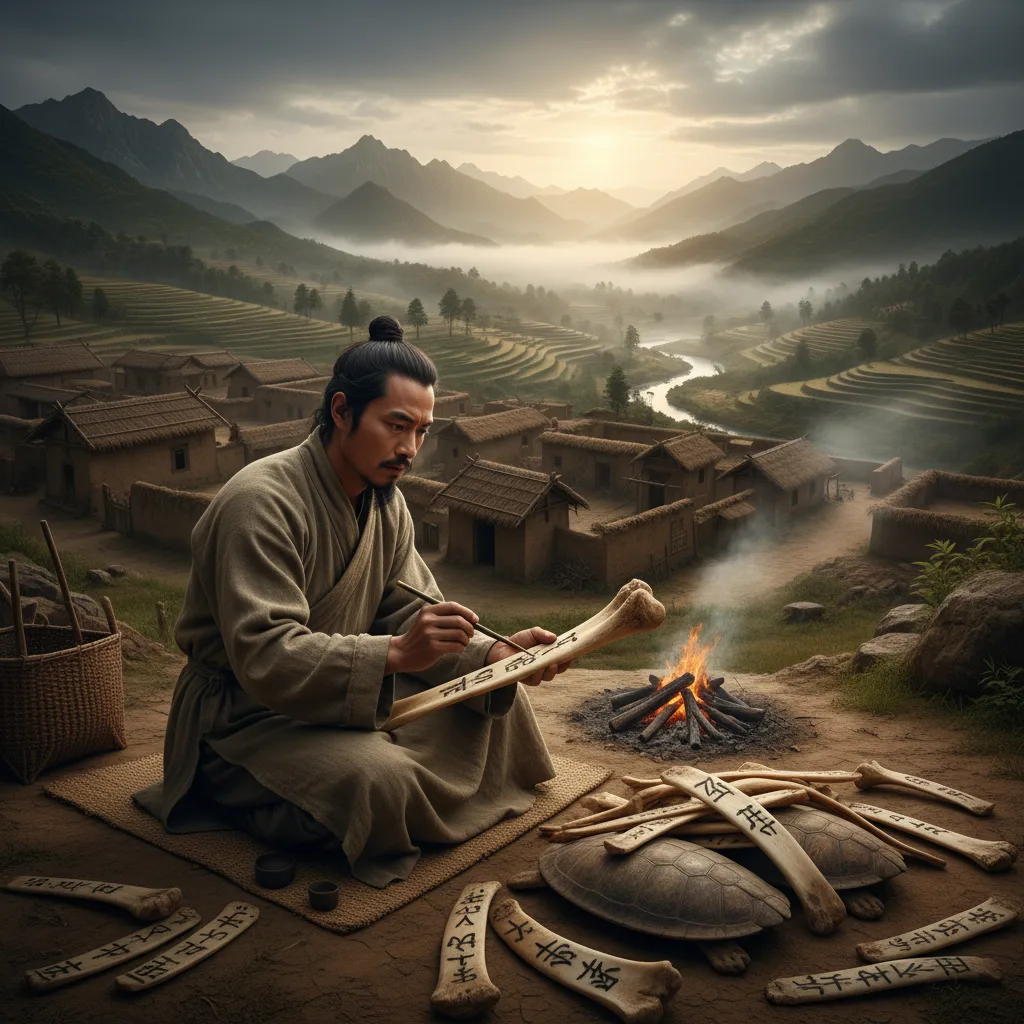
Following the Xia, the Shang Dynasty (c. 1600–1046 BCE) emerged, providing the earliest concrete archaeological evidence of a developed Chinese civilization. Located in the Yellow River valley, the Shang were renowned for their sophisticated bronze metallurgy, intricate jade carvings, and the use of oracle bones – turtle plastrons and ox scapulae inscribed with early Chinese characters used for divination. These inscriptions offer invaluable insights into their society, religion, and the genesis of Chinese writing. The Shang also developed a complex social hierarchy and a powerful military.
The Shang were eventually overthrown by the Zhou Dynasty (1046–256 BCE), ushering in a period of remarkable philosophical and political evolution. The Zhou introduced the pivotal concept of the Mandate of Heaven (Tianming), a doctrine that legitimized their rule by claiming divine approval. A ruler’s right to govern was contingent on their virtuous and just leadership; if they became tyrannical or ineffective, heaven would withdraw its mandate, justifying rebellion. This concept would underpin Chinese imperial legitimacy for millennia. The Zhou era, though often decentralized, was a golden age for philosophy, giving rise to the “Hundred Schools of Thought,” including the influential philosophies of Confucianism and Daoism, which would shape Chinese ethics, governance, and culture for centuries. Despite its philosophical brilliance, the later Zhou period, known as the Spring and Autumn (771–476 BCE) and Warring States (475–221 BCE) periods, was characterized by intense political fragmentation and constant warfare among rival states, setting the stage for a new era of unification.
Unification and Empire Building: The Qin Dynasty’s Enduring Impact
Amidst the chaos of the Warring States period, the state of Qin, known for its ruthlessness and adoption of Legalist philosophy (which advocated for strict laws and centralized authority), gradually conquered its rivals. In 221 BCE, its king, Ying Zheng, declared himself Qin Shi Huang (First Emperor of Qin), establishing the incredibly short-lived but monumentally impactful Qin Dynasty (221–206 BCE).
Qin Shi Huang was a transformative figure. He unified China under a single, centralized imperial government, standardizing weights, measures, coinage, and even the written script. His ambition was legendary and often brutal. To consolidate his power and prevent dissent, he ordered the burning of books that did not conform to Legalist ideology and persecuted scholars. He also initiated massive infrastructure projects, most famously connecting and extending existing defensive walls into what would become the precursor to the Great Wall of China, protecting the empire from northern nomadic invasions.
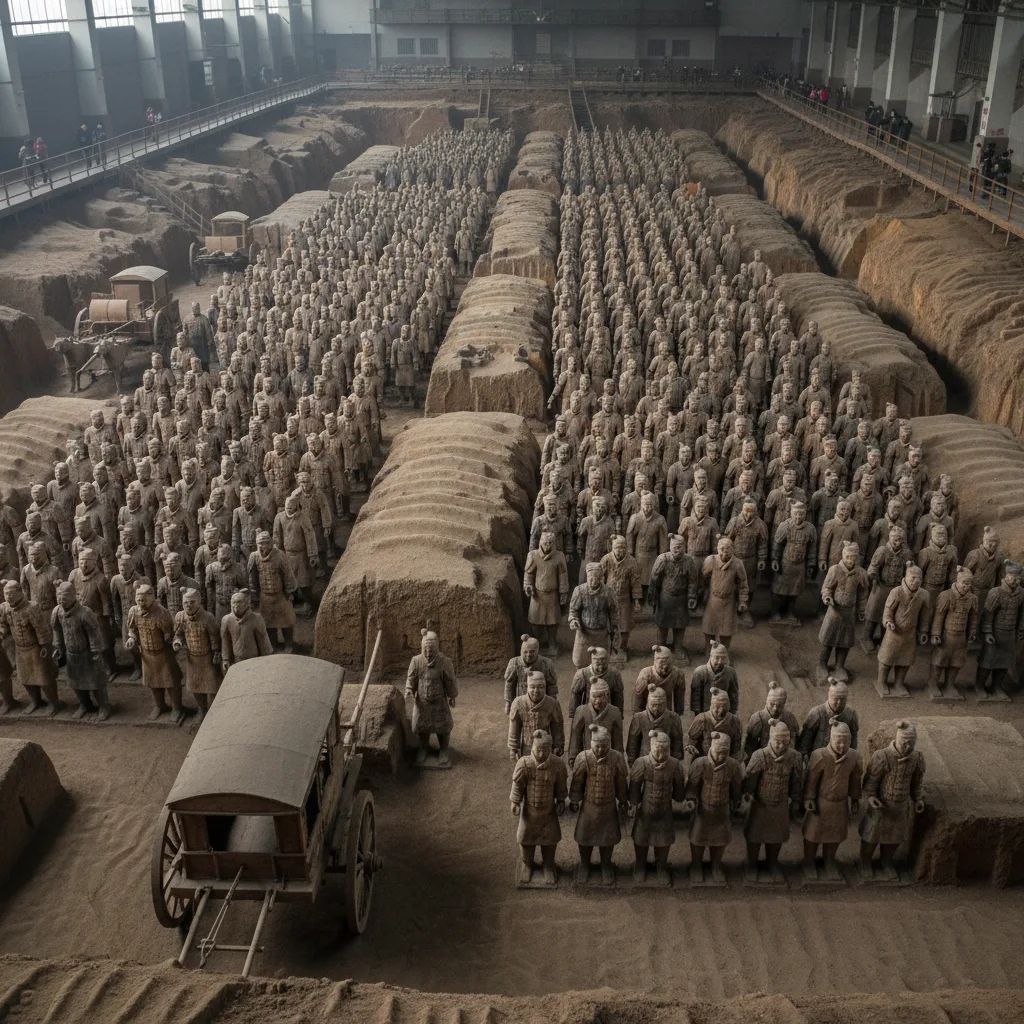
Perhaps the most astonishing testament to his reign is the Terracotta Army, an estimated 8,000 life-sized clay soldiers, chariots, and horses guarding his mausoleum near Xi’an. Discovered in 1974, this archaeological marvel underscores the immense power and resources commanded by the first emperor and his obsession with immortality and control even in the afterlife. Though the Qin Dynasty collapsed shortly after his death due to its harsh policies and internal strife, its administrative framework, concept of a unified empire, and monumental achievements laid the indispensable foundation for all subsequent imperial dynasties.
The Golden Age: Prosperity and Innovation During the Han Dynasty
The collapse of the Qin Dynasty paved the way for one of China’s most illustrious periods: the Han Dynasty (206 BCE – 220 CE). Divided into Western Han and Eastern Han, this dynasty lasted for over four centuries and is often considered a golden age of Chinese history, so much so that the majority ethnic group of China still identifies as “Han Chinese.”
The Han emperors, learning from the Qin’s mistakes, adopted a more benevolent but still centralized approach, blending Legalist administrative structures with the ethical framework of Confucianism. Confucianism became the official state philosophy, emphasizing loyalty, filial piety, and meritocracy, influencing governance and education for centuries. The Han established a sophisticated bureaucracy, recruited through a nascent civil service examination system, which would become a hallmark of imperial China.
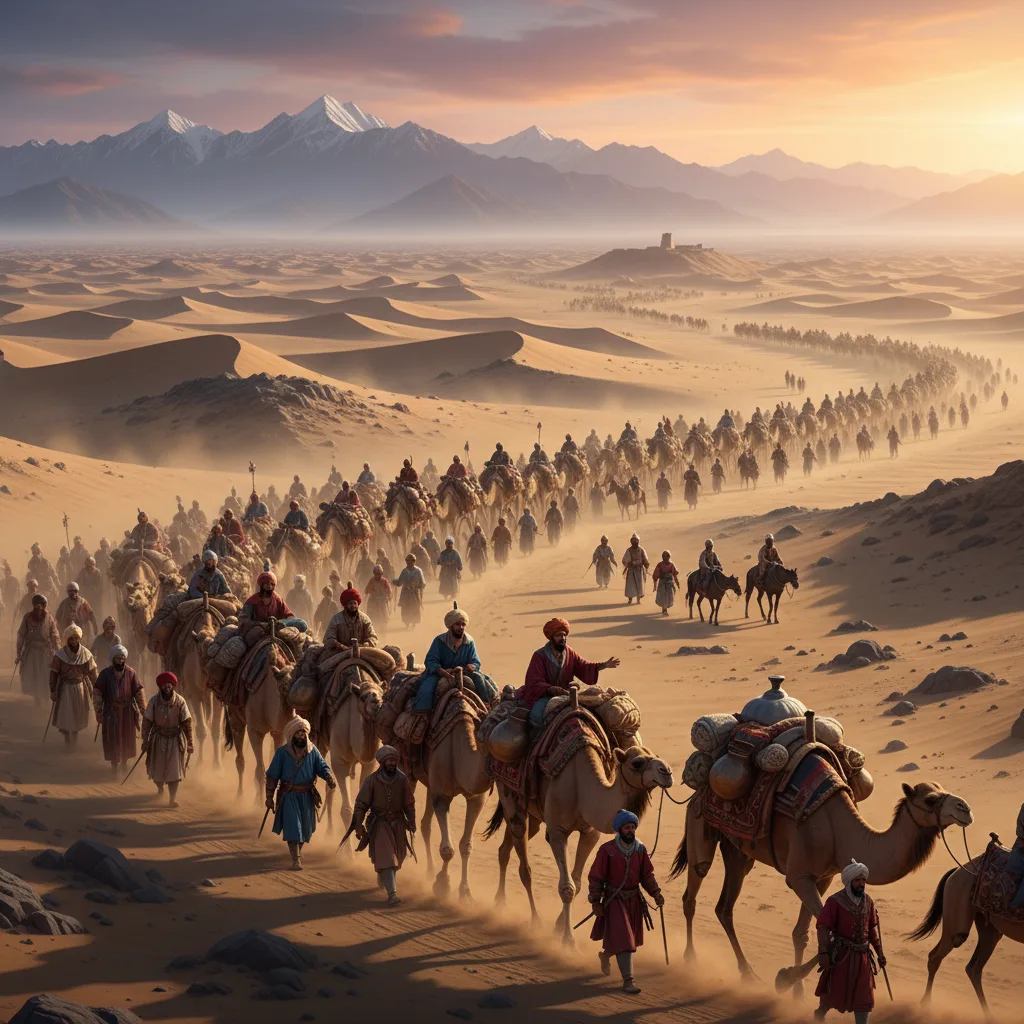
Economically, the Han Dynasty flourished. Agriculture boomed, and trade expanded dramatically. The most famous development was the establishment of the Silk Road, a vast network of trade routes connecting China to Central Asia, India, the Middle East, and eventually Europe. This enabled not only the exchange of goods like silk, spices, and tea but also the transmission of ideas, technologies, and religions, including Buddhism, which arrived in China via these routes.
Technological advancements during the Han were equally impressive. Innovations included the invention of paper (attributed to Cai Lun around 105 CE), the development of the seismograph, sophisticated astronomical instruments, and significant improvements in iron metallurgy and agricultural tools. The Han also saw the compilation of monumental historical works, such as Sima Qian’s Records of the Grand Historian, setting the standard for dynastic histories. The Han’s lasting legacy of cultural unity, administrative efficiency, and intellectual vibrancy truly defined the Chinese empire for millennia.
Reunification and Cultural Zenith: The Splendor of the Sui and Tang Dynasties
After the fall of the Han, China experienced a prolonged period of disunity and fragmentation known as the Six Dynasties period. It wasn’t until the Sui Dynasty (581–618 CE) that the empire was reunified. Though short-lived, the Sui laid critical groundwork for its successor. Emperor Wen and his son, Emperor Yang, undertook colossal infrastructure projects, most notably the construction of the Grand Canal, an engineering marvel that connected the Yellow and Yangtze Rivers, facilitating trade and communication between northern and southern China. This waterway remains the world’s longest artificial river. The Sui also reformed the civil service examination system, making it more meritocratic.
The Sui’s ambitious and often brutal policies, coupled with costly military campaigns, led to its rapid collapse, but from its ashes rose the glorious Tang Dynasty (618–907 CE). The Tang is widely regarded as another golden age of Chinese civilization, a period of unparalleled cultural brilliance, political stability, and cosmopolitanism.
Under emperors like Taizong and Empress Wu Zetian, the Tang empire expanded its borders, establishing tributary relationships with neighboring states. Its capital, Chang’an (modern-day Xi’an), became the world’s largest and most vibrant city, a truly international metropolis with residents from across Asia and beyond. Buddhism flourished, leading to the construction of magnificent temples and cave art.
Tang culture was incredibly rich. It was the zenith of classical Chinese poetry, with masters like Li Bai and Du Fu producing timeless works. Painting, calligraphy, and ceramics (especially the distinctive Tang Sancai tri-color glazed pottery) reached new heights. The Tang embraced diversity, and its open-mindedness facilitated the exchange of goods, technologies, and ideas, making it one of the most dynamic and influential empires in world history. The civil service examination system was further refined, ensuring a steady supply of educated officials. The Tang’s eventual decline was marked by internal rebellions and external pressures, but its cultural achievements left an indelible mark.
A New Era of Ingenuity: The Song Dynasty and its Transformative Innovations
Following another period of fragmentation (the Five Dynasties and Ten Kingdoms), China was once again unified under the Song Dynasty (960–1279 CE). Divided into Northern Song and Southern Song, this era is renowned for its remarkable technological advancement, economic prosperity, and intellectual ferment, despite facing significant military challenges from northern nomadic groups.
The Song Dynasty oversaw an economic revolution driven by agricultural innovation (e.g., fast-ripening rice), increased trade, and the widespread use of paper money. Cities grew tremendously, becoming centers of commerce and culture. The government’s revenue from taxes and monopolies (salt, iron) was unprecedented.
Technologically, the Song period was groundbreaking. Key inventions and developments include:
- Gunpowder: Initially used for fireworks, it was later applied to military weapons like bombs and rockets, fundamentally changing warfare.
- Movable-type printing: Bi Sheng invented ceramic movable type around 1040 CE, significantly predating Gutenberg, which revolutionized the dissemination of knowledge and literacy.
- The magnetic compass: Crucial for navigation, it greatly aided maritime trade and exploration.
- Advanced clockwork mechanisms, textile machinery, and sophisticated iron and steel production.
Intellectually, the Song saw the rise of Neo-Confucianism, a revitalized and rationalized form of Confucianism that integrated elements of Buddhism and Daoism, becoming the dominant philosophical system for centuries. Landscape painting reached its peak, characterized by its subtle beauty and philosophical depth. Despite its military weaknesses, the Song Dynasty’s contributions to science, technology, economics, and culture were immense, placing it among the most advanced civilizations of its time.
Beyond the Song: Echoes of Later Dynasties in Ancient China’s Legacy
While our focus has been on the truly “ancient” and formative dynasties, it’s important to briefly acknowledge how their foundations shaped subsequent imperial eras. The Yuan Dynasty (1271–1368 CE), established by the Mongol conqueror Kublai Khan, marked a period of foreign rule, yet it largely adopted and continued the administrative structures and cultural practices inherited from the Han and Tang. It further facilitated East-West exchange, famously visited by Marco Polo.
The Ming Dynasty (1368–1644 CE) restored Han Chinese rule and is renowned for its robust bureaucracy, grand imperial projects like the Forbidden City, vast naval expeditions led by Zheng He, and exquisite porcelain production. The Ming built extensively upon the administrative and cultural legacy of the ancient dynasties.
Finally, the Qing Dynasty (1644–1912 CE), China’s last imperial dynasty, also of foreign (Manchu) origin, continued the imperial system for nearly three centuries, expanding China’s territory to its greatest extent. While facing internal rebellions and external pressures from Western powers in its later years, the Qing maintained the core structures and much of the cultural identity forged by the famous ancient Chinese dynasties that preceded it. These later dynasties, while distinct, were inextricably linked to and built upon the political, philosophical, technological, and cultural bedrock laid by the Xia, Shang, Zhou, Qin, Han, Sui, Tang, and Song.
Conclusion
The story of famous ancient Chinese dynasties is a saga of unparalleled ambition, intellectual brilliance, and enduring cultural impact. From the mythical origins of the Xia to the technological marvels of the Song, each dynasty contributed unique elements to China’s rich tapestry. The philosophical insights of the Zhou, the unifying force of the Qin, the golden age of the Han, the cosmopolitan splendor of the Tang, and the innovative spirit of the Song all shaped a civilization that has profoundly influenced the world. These dynasties not only built an empire but also forged a cultural identity, a system of governance, and a body of knowledge that continues to resonate today, reminding us of the extraordinary legacy of ancient China. Their achievements stand as testaments to human ingenuity and the enduring power of historical continuity.