
Fascinating Psychology Case Studies: Unlocking the Human Mind
Dive into captivating psychology case studies that reveal the complexities of the human mind. Explore unique individual journeys and profound insights into what shapes us. Discover compelling narratives at TrendSeek.
Unlocking the Human Mind: Fascinating Journeys Through Interesting Psychology Case Studies
Have you ever wondered what truly shapes us? What happens when the intricate machinery of the mind goes awry, or when an individual’s unique journey casts a profound light on universal human truths? At TrendSeek, we believe the most compelling answers often lie not in grand theories alone, but in the intensely personal, often dramatic narratives of individuals. These are the interesting psychology case studies that have not only captivated researchers for generations but have fundamentally reshaped our understanding of who we are.
Forget dry textbooks; today, we’re embarking on a thrilling expedition into the lives that became living laboratories. From catastrophic accidents to isolated childhoods, these stories are more than just historical footnotes—they are the very bedrock upon which modern psychology stands, each one a testament to the mind’s astonishing complexity and resilience. Prepare to have your perceptions challenged and your curiosity ignited as we delve into the cases that continue to echo through the halls of scientific discovery.
The Unseen Architects of Our Understanding: Why Case Studies Matter
Imagine trying to understand the blueprint of an entire city by only looking at a bird’s-eye view. You’d see the roads and buildings, but miss the intricate lives unfolding within. That’s the power of interesting psychology case studies: they zoom in, providing an unparalleled microscopic view into the human condition that large-scale studies often cannot. These deep dives into unique circumstances reveal anomalies, patterns, and breakthroughs that might otherwise remain invisible.
From the earliest days of psychological inquiry, individual narratives have been crucial. They offer a rich tapestry of qualitative data, allowing researchers to explore rare phenomena, test emerging theories in real-world contexts, and even generate entirely new hypotheses. Each case, a universe unto itself, pushes the boundaries of our knowledge, forcing us to re-evaluate assumptions and embrace the stunning variability of human experience.
The Rod Through the Skull: Phineas Gage and the Brain’s Blueprint
Picture this: September 13, 1848, Cavendish, Vermont. A railroad construction foreman, Phineas Gage, is tamping explosive powder into a rock with a three-foot, seven-inch iron rod. A sudden spark, an explosion, and the rod—a formidable 1.25 inches in diameter—is propelled upward, through his left cheek, behind his left eye, and clean out the top of his skull, landing some 80 feet away. Miraculously, Gage survives, speaks, and even walks shortly after.
But the real story began in the weeks and months that followed. Physically, Gage recovered remarkably, but his personality underwent a profound transformation. The once polite, responsible, and capable foreman became “fitful, irreverent, indulging at times in the grossest profanity… impatient of restraint or advice.” He could no longer hold down his job, his foresight and planning capabilities seemingly vanished. Gage’s dramatic case provided the earliest and most compelling evidence that specific parts of the brain are responsible for distinct functions, particularly linking the frontal lobes to personality, social cognition, and executive control. His story forever changed how we understand the brain’s intricate architecture.

The Man Who Couldn’t Remember: H.M. and the Architecture of Memory
In 1953, a young man named Henry Molaison, known in scientific literature as Patient H.M., underwent experimental brain surgery to alleviate severe epilepsy. Surgeons removed parts of his medial temporal lobe, including the hippocampus, from both sides of his brain. The seizures diminished, but the cost was monumental: H.M. could no longer form new long-term memories. He was, in essence, trapped in a perpetual present.
H.M.’s profound anterograde amnesia became one of the most studied cases in neuroscience history. Researchers, notably Brenda Milner, spent decades working with him, revealing crucial insights into the different types of memory. While he couldn’t remember meeting someone new just minutes before, he could learn new motor skills, like tracing a star while looking in a mirror. This distinction between declarative memory (facts and events) and procedural memory (skills and habits) revolutionized our understanding of how memory is organized in the brain. H.M.’s life, though tragic for him, unlocked foundational secrets of human cognition.
Fear Factory: Little Albert and the Conditioning of Emotion
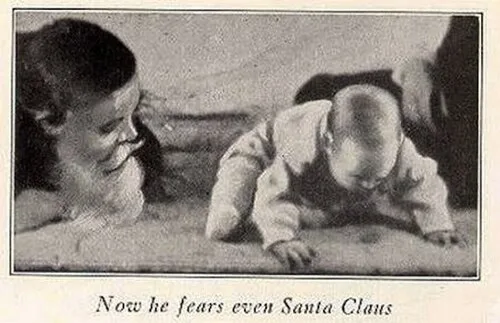 John B. Watson and Rosalie Rayner conducting the controversial Little Albert experiment, demonstrating classical conditioning of fear.
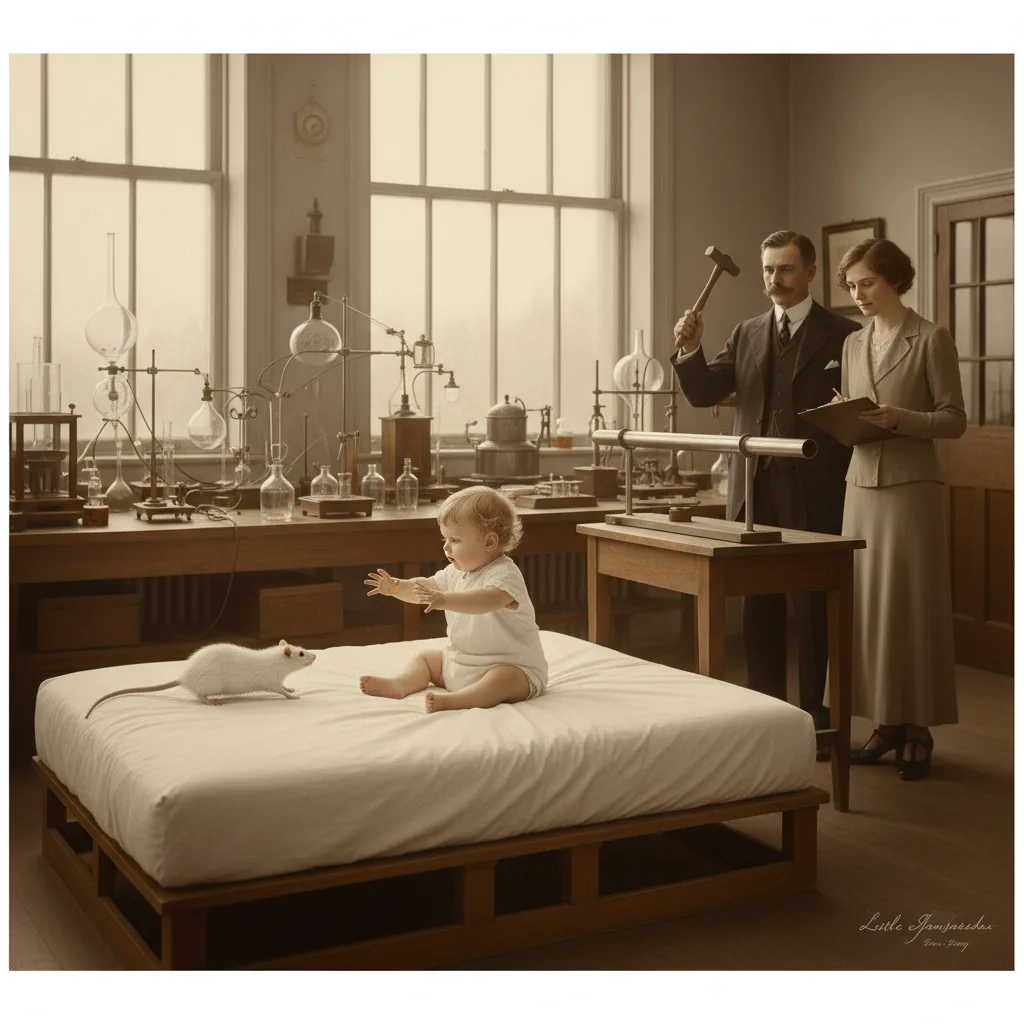
Can fear be learned? In 1920, pioneering behaviorist John B. Watson and his graduate student Rosalie Rayner set out to prove it with a nine-month-old infant, “Little Albert B.” Initially, Albert showed no fear of a white rat, a rabbit, a monkey, or even burning newspapers. His only natural fear was of a loud noise, like a hammer striking a steel bar.
The experiment was as simple as it was controversial. Whenever Albert reached for the white rat, Watson would loudly strike the steel bar behind his head. After just a few pairings, Albert began to show distress and fear whenever he saw the white rat, even without the loud noise. This fear then generalized to other furry white objects, like a rabbit, a dog, a fur coat, and even a Santa Claus mask. The Little Albert experiment dramatically demonstrated classical conditioning in humans, showing how emotions could be learned and transferred. It laid a cornerstone for behaviorism but also ignited fierce debates about ethical considerations in psychological research that continue to this day.
The Wild Child: Genie Wiley and the Quest for Language
In November 1970, a chilling discovery was made in Los Angeles: a 13-year-old girl named Genie Wiley had spent almost her entire life in extreme isolation, often tied to a potty chair in a locked room. She had virtually no exposure to language, human interaction, or the outside world. When found, she weighed only 59 pounds, couldn’t stand upright, and possessed the linguistic abilities of a one-year-old.
Genie’s case offered a heartbreaking, yet scientifically invaluable, opportunity to study the critical period hypothesis for language acquisition. Could a child acquire fluent language after puberty, having missed the crucial developmental window? Despite intensive efforts from psychologists, linguists, and therapists over several years, Genie never fully acquired grammar or the ability to construct complex sentences. Her vocabulary expanded, and she learned to communicate basic needs, but the subtleties of language remained elusive. Genie’s tragic story underscored the profound impact of early experience on development and raised profound ethical questions about intervention and the limits of human resilience.
The Silent Witnesses: Kitty Genovese and the Bystander Effect
The name Kitty Genovese became synonymous with urban apathy after her brutal murder in Queens, New York, on March 13, 1964. Initial sensationalized reports claimed 38 neighbors witnessed parts of her 30-minute assault and murder but did nothing, not even calling the police. While later investigations complicated the narrative, the public perception of widespread inaction sparked a wave of sociological and psychological inquiry.
Social psychologists Bibb Latané and John Darley were particularly moved by the Genovese case. They conducted a series of groundbreaking experiments that led to the concept of the bystander effect and diffusion of responsibility. Their research showed that the more people present during an emergency, the less likely any one individual is to intervene. Each person assumes someone else will take action, leading to a collective paralysis. The Genovese case, regardless of the precise number of “witnesses,” became a powerful catalyst for understanding the complex dynamics of social responsibility and the psychological barriers to helping others in distress.
The “Talking Cure”: Anna O. and the Dawn of Psychoanalysis
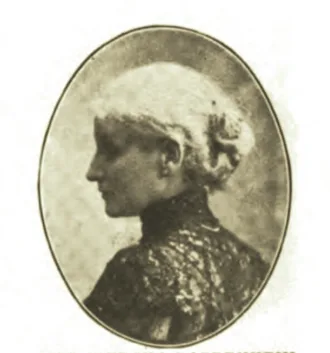 Bertha Pappenheim, known as Anna O., whose “talking cure” with Josef Breuer laid groundwork for psychoanalysis.
Before Freud, there was Anna O.—the pseudonym for Bertha Pappenheim, a brilliant and complex young woman treated by Josef Breuer in Vienna from 1880 to 1882. Anna O. suffered from a perplexing array of “hysterical” symptoms: paralysis, vision disturbances, speech impairment, and even a profound aversion to water, all without any discernible physical cause.
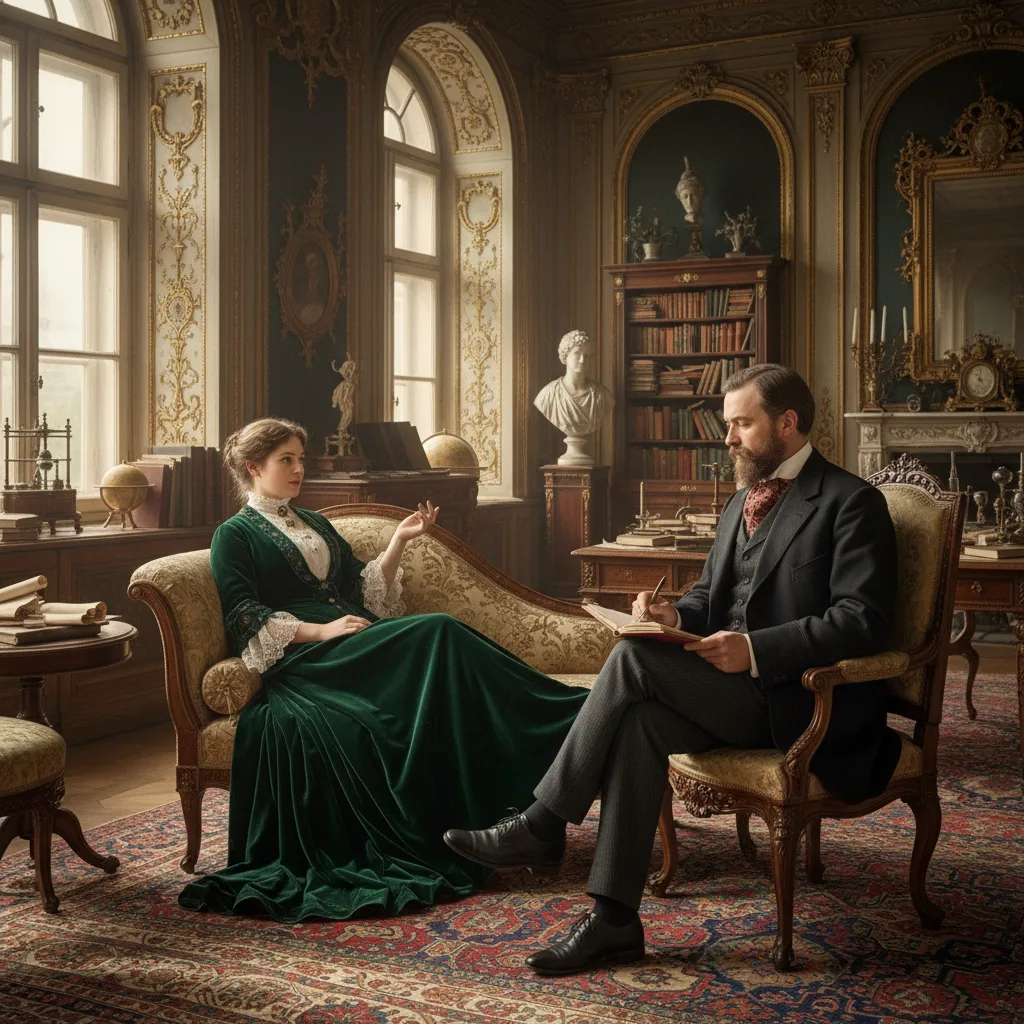
Breuer’s innovative approach was to let Anna O. talk freely about her symptoms and their origins, often under a mild hypnotic state. He observed that when she recounted distressing memories or feelings, particularly those she couldn’t express consciously, her symptoms would temporarily alleviate. Anna O. herself coined the term “the talking cure” and referred to it as “chimney sweeping.” This therapeutic breakthrough, centered on the idea of catharsis and the unconscious mind, profoundly influenced Sigmund Freud, who was Breuer’s colleague and friend. It laid the foundational groundwork for psychoanalysis and the modern practice of psychotherapy, demonstrating the immense power of verbalizing one’s inner world to achieve psychological healing.
The Enduring Echoes of Interesting Psychology Case Studies
From a tamping iron through a brain to a child isolated from language, and from the chilling inaction of bystanders to the liberating power of a “talking cure,” these interesting psychology case studies are far more than historical curiosities. They are vibrant, often tragic, narratives that have pushed the boundaries of human understanding, revealing the intricate connections between brain and behavior, the profound impact of environment, and the hidden depths of the human psyche.
Each story, a microcosm of psychological principles, continues to inform contemporary research, challenge ethical boundaries, and inspire new avenues of inquiry. They remind us that while grand theories provide frameworks, it is often the individual, unique journey—the single, compelling case—that illuminates the most profound truths about what it means to be human. And as we continue to explore the mysteries of the mind, these unforgettable stories will undoubtedly remain our most powerful guides.
You might also like:
👉 Cool Psychology Experiments: Unlocking the Mind at Home
👉 Famous Psychology Experiments: Unveiling Human Behavior & Mind
👉 Best Books on How the Human Brain Works: A Cognitive Guide