Food Security & Global Environmental Change: Emerging Challenges
Explore the critical nexus of food security and global environmental change. Understand how climate shifts, biodiversity loss, and resource scarcity threaten our ability to feed a growing world population.
Navigating the Nexus: Food Security and Global Environmental Change Emerging Challenges
The delicate balance that sustains human civilization is increasingly threatened by a confluence of powerful forces: food security and global environmental change emerging challenges. Our ability to feed a growing global population hinges not just on agricultural output, but on the health of the planet itself. From shifting weather patterns and dwindling biodiversity to degraded lands and scarce water, the environmental crisis is directly impacting our dinner tables, creating a complex web of vulnerabilities that demand urgent, integrated solutions. This comprehensive guide from TrendSeek delves into the intricate relationship between our environment and our food systems, exploring the multifaceted challenges we face and the innovative pathways to a more resilient future.
The Intertwined Destinies: Understanding Food Security and Global Environmental Change
At its core, food security exists when all people, at all times, have physical, social, and economic access to sufficient, safe, and nutritious food that meets their dietary needs and food preferences for an active and healthy life. This widely accepted definition, established by the FAO, rests on four pillars: availability (enough food produced), access (people can obtain it), utilization (proper nutrition and health), and stability (consistent access over time).
However, these pillars are increasingly undermined by global environmental change, a broad term encompassing phenomena like climate change, biodiversity loss, land degradation, and water scarcity. These are not isolated issues but interconnected crises that amplify each other’s impacts. A warmer planet alters rainfall, leading to droughts that degrade land, reducing biodiversity and threatening crop yields. This cascade effect directly jeopardizes the availability and stability of food, particularly for the world’s most vulnerable populations. Understanding this fundamental link is the first step toward building resilient food systems capable of weathering the storms of environmental upheaval.
Climate Change: The Foremost Driver of Food Security Challenges
Of all the facets of global environmental change, climate change stands out as the most significant and pervasive threat to food security. Its impacts are already being felt across every continent, altering the fundamental conditions upon which agriculture depends.
- Rising Temperatures: A warmer planet directly affects crop physiology. For staple crops like maize, wheat, and rice, every degree Celsius increase above optimal temperatures can significantly reduce yields. Heat stress also impacts livestock, leading to reduced milk production, slower growth rates, and increased susceptibility to disease. For instance, studies predict that for every 1°C increase in global mean temperature, global yields of wheat could decrease by 6% and rice by 3.2%.
- Extreme Weather Events: The frequency and intensity of extreme weather events are escalating.
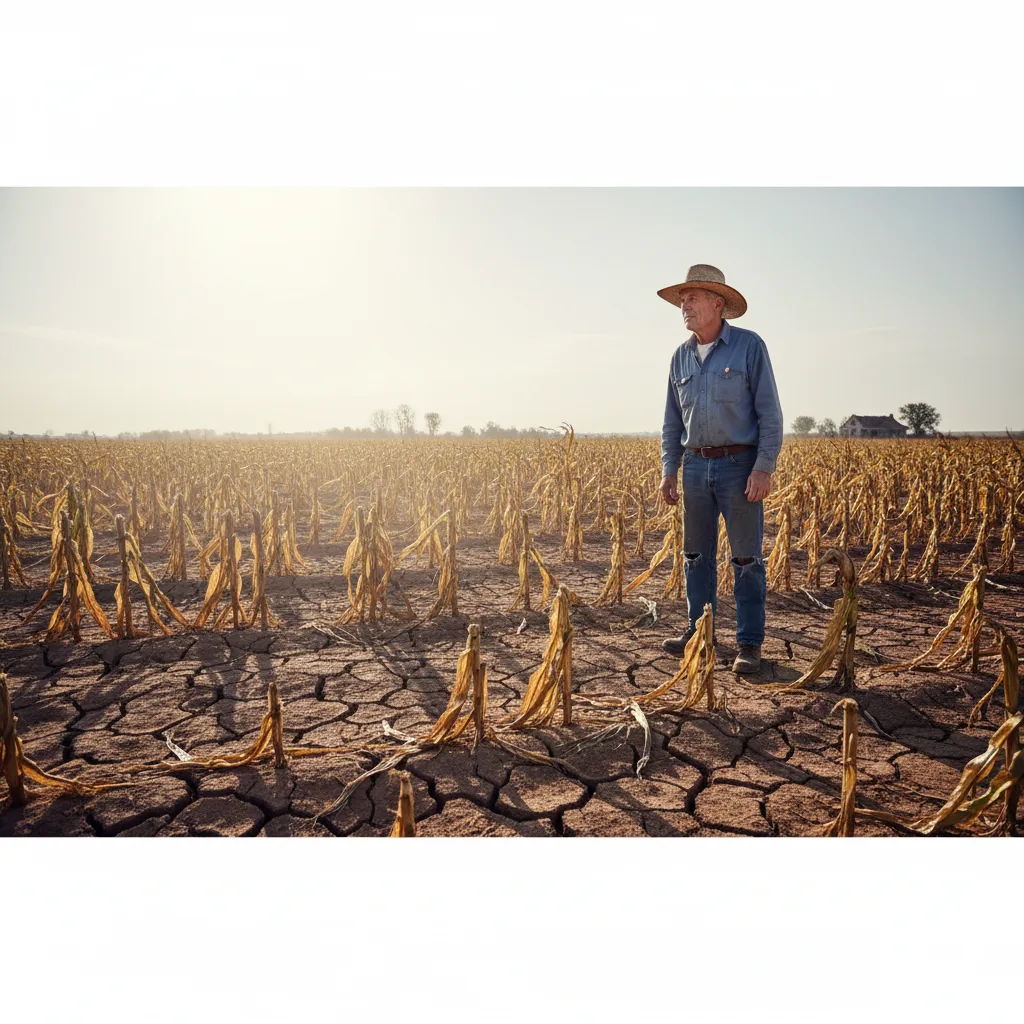
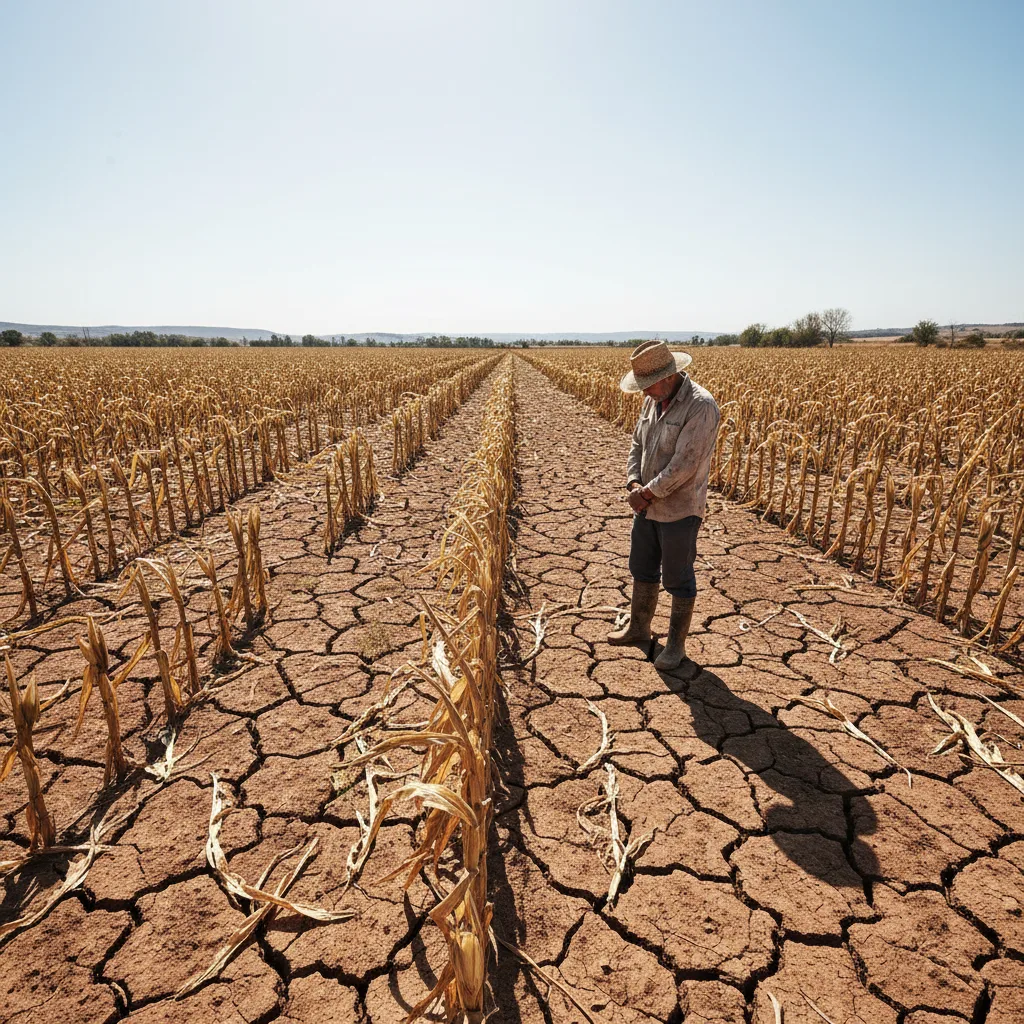
- Droughts: Prolonged periods of insufficient rainfall devastate crops and pastures, leading to widespread famine and livestock losses. The Horn of Africa has repeatedly faced severe droughts, pushing millions to the brink of starvation.
- Floods: Intense rainfall and overflowing rivers destroy crops, damage infrastructure, and contaminate water sources. Pakistan’s devastating floods in 2022 submerged vast agricultural lands, impacting millions of acres of crops and displacing entire communities.
- Storms and Cyclones: Increased intensity of tropical storms can wipe out entire harvests, destroy storage facilities, and disrupt supply chains, as seen in numerous island nations and coastal regions.
- Changing Precipitation Patterns: Beyond extremes, overall rainfall patterns are becoming unpredictable. Some regions experience more intense, infrequent downpours, leading to erosion, while others face reduced overall rainfall, exacerbating water scarcity for irrigation.
- Sea-Level Rise and Salinization: Coastal agricultural areas, which are often highly productive, are particularly vulnerable to rising sea levels. This leads to the loss of arable land and increased salinization of freshwater sources and soil, rendering land infertile. The Mekong Delta in Vietnam, a major rice-producing region, is grappling with increasing saltwater intrusion, threatening its agricultural heartland.
Beyond Climate: Biodiversity Loss, Land Degradation, and Water Scarcity as Emerging Food Security Challenges
While climate change rightly garners significant attention, other critical aspects of global environmental change pose equally dire, often interconnected, food security challenges. These include the rapid decline in biodiversity, widespread land degradation, and ever-increasing water scarcity.
- Biodiversity Loss:
- Pollinators: A staggering 75% of global food crops depend on animal pollination, primarily by insects like bees. Habitat loss, pesticide use, and climate change are decimating pollinator populations, directly threatening the yields of fruits, vegetables, and nuts.
- Genetic Diversity: Modern agriculture has increasingly relied on a narrow range of high-yielding crop varieties. This genetic uniformity makes our food systems highly vulnerable to new pests, diseases, or sudden environmental shifts. The loss of traditional landraces and wild relatives of crops diminishes our genetic toolkit for developing resilient, climate-adapted food sources.
- Soil Biodiversity: A healthy soil ecosystem, teeming with microbes, fungi, and invertebrates, is crucial for nutrient cycling, water retention, and carbon sequestration. Industrial agricultural practices, including heavy tillage and chemical inputs, degrade this vital biodiversity, reducing soil fertility and long-term productivity.
- Land Degradation: An estimated one-third of the world’s land is moderately or highly degraded, impacting agricultural productivity and food security for billions.
- Erosion: Wind and water erosion, often exacerbated by deforestation and unsustainable farming practices, strip away fertile topsoil, reducing the land’s capacity to grow food.
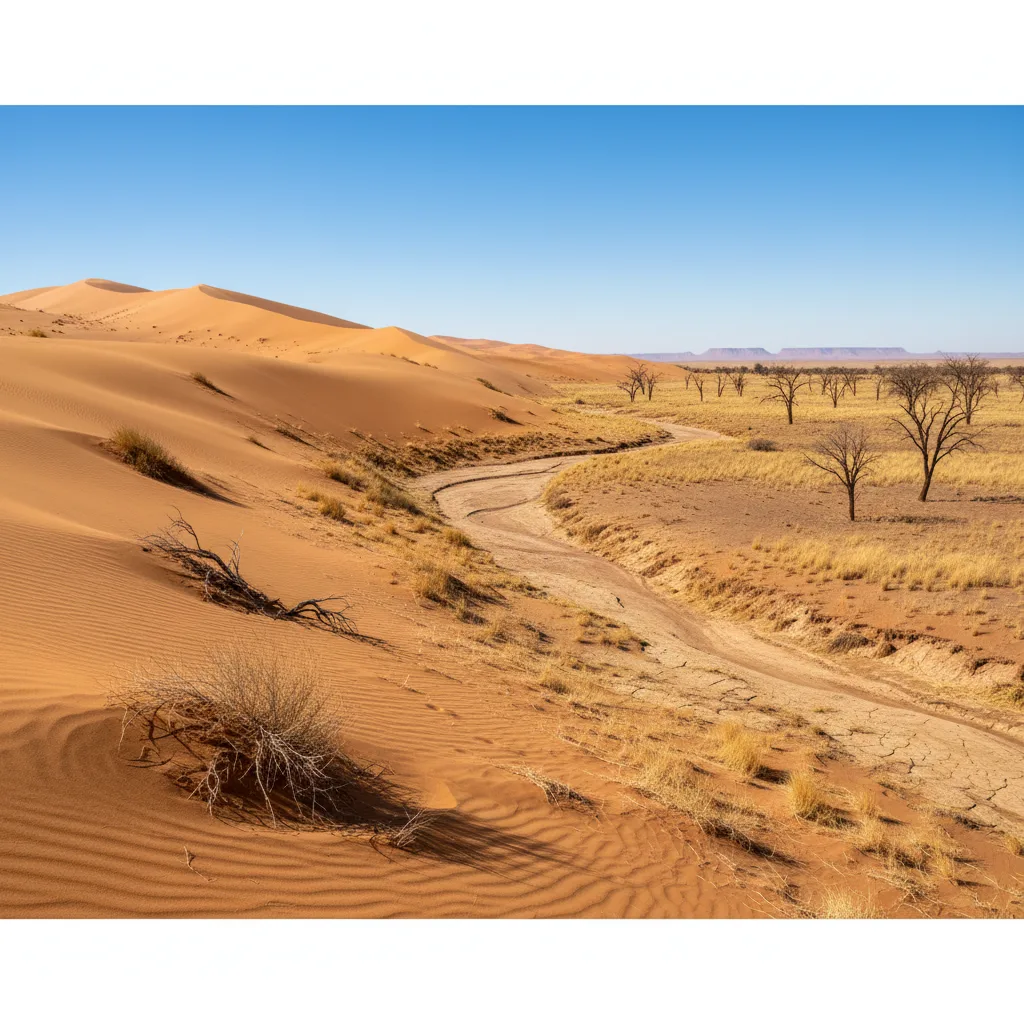
- Desertification: In arid and semi-arid regions, a combination of climate change and human activities (overgrazing, deforestation) transforms productive land into desert, as seen in parts of the Sahel region of Africa, displacing communities and exacerbating food insecurity.
- Soil Nutrient Depletion: Intensive farming without adequate replenishment of nutrients depletes soil health, leading to lower yields and less nutritious food.
- Water Scarcity: Agriculture accounts for approximately 70% of global freshwater withdrawals. As populations grow and environmental changes alter water cycles, competition for this vital resource intensifies.
- Groundwater Depletion: Over-extraction of groundwater for irrigation, particularly in regions like India, China, and the American Midwest, is leading to rapidly falling water tables, threatening future water availability.
- Water Quality Degradation: Pollution from agricultural runoff (pesticides, fertilizers) and industrial discharge contaminates freshwater sources, making them unsuitable for irrigation or human consumption.
- Transboundary Water Disputes: Rivers and aquifers often cross national borders, and increasing scarcity can fuel geopolitical tensions and conflict, further destabilizing food systems. For example, disputes over the Nile River basin highlight the complex interplay of water, food, and political stability.
Socio-Economic Ripple Effects: Addressing Vulnerabilities in Food Security and Global Environmental Change
The impacts of food security and global environmental change are not felt equally. Existing socio-economic inequalities are exacerbated, pushing already vulnerable populations deeper into poverty and insecurity.
- Displacement and Migration: Environmental degradation and climate-induced disasters force millions to abandon their homes and livelihoods. “Climate refugees” migrate internally or across borders, placing immense strain on host communities and creating new food security challenges. The severe drought in Central America’s “Dry Corridor” has been a significant driver of migration to the US border.
- Economic Instability and Livelihood Loss: For the 2.5 billion people worldwide who depend on agriculture for their livelihoods, environmental shocks can be catastrophic. Crop failures, livestock deaths, and fishery collapses lead to lost income, increased debt, and reduced purchasing power, making food unaffordable even when available. This can trigger price volatility in local and international markets, disproportionately affecting the urban poor.
- Health and Nutrition Impacts: Food insecurity directly leads to malnutrition, stunting, and increased susceptibility to disease, particularly among children. Water scarcity and contamination also lead to waterborne illnesses, further weakening health and reducing the body’s ability to absorb nutrients.
- Conflict and Instability: Resource scarcity, especially land and water, can intensify competition and fuel conflicts within and between communities, further disrupting food production and distribution networks. The interconnectedness of environmental stress, food insecurity, and political instability is a growing concern in regions like the Sahel.
- Gender Disparities: Women, who make up a significant portion of the agricultural workforce in many developing countries, are often disproportionately affected. They may have less access to resources, land rights, and decision-making power, making them more vulnerable to environmental shocks and less able to adapt.
Innovative Solutions and Adaptive Strategies for Food Security
Addressing the complex nexus of food security and global environmental change requires a multi-pronged approach, blending traditional wisdom with cutting-edge innovation. The good news is that numerous solutions and adaptive strategies are emerging.
- Sustainable Agriculture and Agroecology:
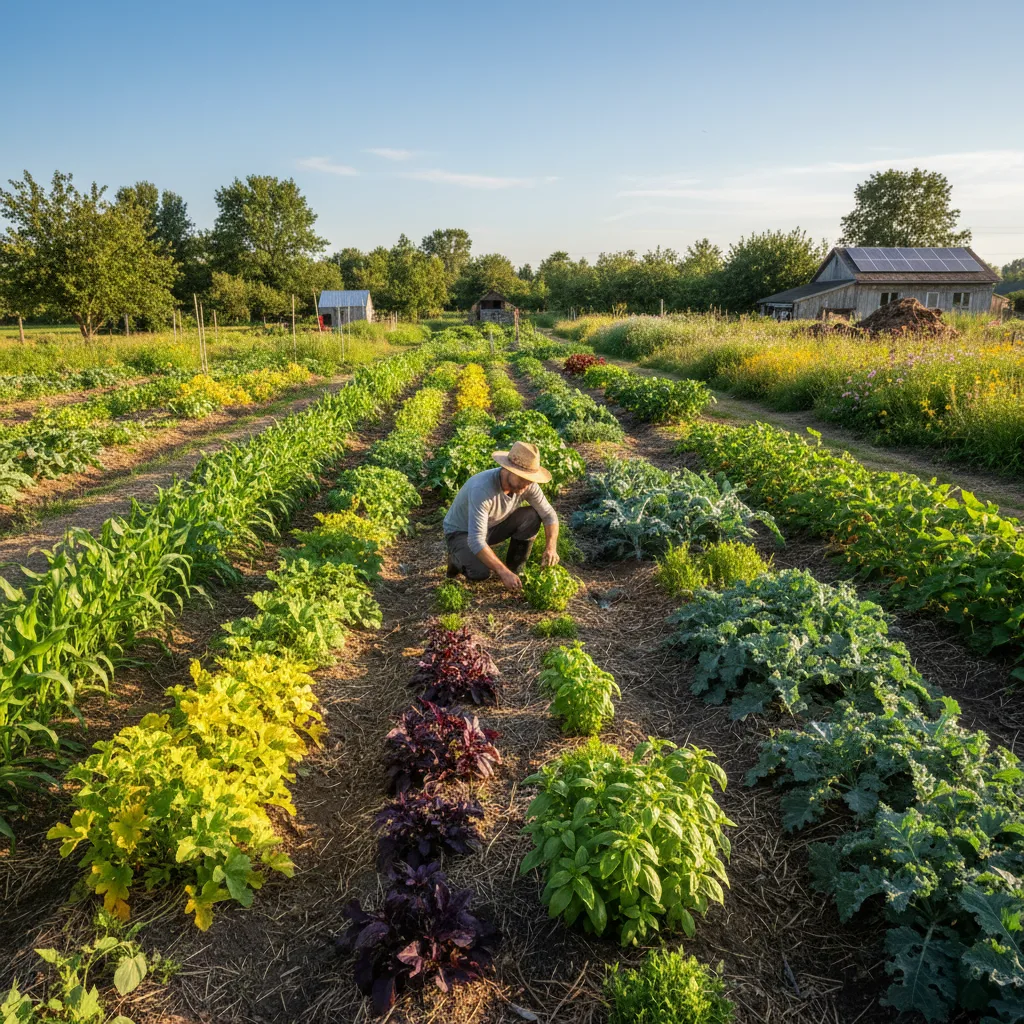
- Agroecology: Practices that mimic natural ecosystems, such as intercropping, crop rotation, and integrated pest management, enhance biodiversity, build soil health, and reduce reliance on external inputs.
- Conservation Agriculture: Minimizing soil disturbance (no-till), maintaining permanent soil cover, and diversifying crop species improve soil structure, water retention, and carbon sequestration.
- Organic Farming: Avoiding synthetic pesticides and fertilizers protects soil health, biodiversity, and water quality.
- Urban and Vertical Farming: Growing food in controlled environments within cities reduces transportation costs, water usage, and land footprint, offering fresh produce year-round.
- Technological Advancements:
- Precision Agriculture: Using GPS, sensors, and data analytics to optimize irrigation, fertilization, and pest control, minimizing waste and maximizing yields.
- Drought-Resistant and Climate-Smart Crops: Developing crop varieties through traditional breeding or genetic modification that can withstand extreme temperatures, drought, or salinity.
- Early Warning Systems: Satellite imagery and meteorological data can provide advance notice of impending droughts, floods, or pest outbreaks, allowing farmers to take proactive measures.
- Water Management and Conservation:
- Efficient Irrigation: Drip irrigation, micro-sprinklers, and smart irrigation systems deliver water directly to plant roots, significantly reducing water waste compared to flood irrigation.
- Rainwater Harvesting: Collecting and storing rainwater for agricultural use, particularly in arid regions, can supplement traditional water sources.
- Wastewater Treatment and Reuse: Treating municipal or industrial wastewater for safe agricultural irrigation can alleviate pressure on freshwater resources.
- Policy, Governance, and International Cooperation:
- Integrated Land and Water Management: Holistic approaches that consider entire ecosystems and river basins, rather than fragmented management.
- Support for Smallholder Farmers: Providing access to finance, training, appropriate technologies, and market linkages can empower vulnerable farmers to adapt.
- International Agreements: Strengthening global cooperation on climate action, biodiversity conservation, and sustainable development goals is crucial for systemic change.
- Dietary Shifts and Waste Reduction:
- Sustainable Diets: Promoting diets rich in plant-based foods, locally sourced produce, and reducing excessive meat consumption can lower the environmental footprint of food systems. Reducing Food Waste: An estimated one-third of all food produced globally is lost or wasted. Reducing waste at every stage—from farm to fork—can significantly improve food availability without increasing production.
The Path Forward: Collective Action and Resilience Building
The challenges posed by food security and global environmental change are immense, but not insurmountable. Moving forward requires a fundamental shift in how we perceive and manage our planet’s resources and our food systems. This is not a task for any single sector or nation but demands collective action on an unprecedented scale.
- Integrated Approaches: Solutions must be holistic, recognizing the interconnectedness of environmental, social, and economic factors. Siloed policies will not suffice.
- Investment in Research and Development: Continued innovation in sustainable agriculture, climate adaptation, and resource management is vital. This includes supporting both high-tech solutions and traditional ecological knowledge.
- Empowering Local Communities: Farmers, indigenous groups, and local communities are often on the front lines of environmental change and hold invaluable knowledge. Empowering them with resources, secure land tenure, and decision-making power is essential for effective adaptation.
- Building Resilient Food Systems: This means diversifying crops, strengthening local food networks, improving infrastructure, and creating safety nets to protect the most vulnerable from shocks.
- Shifting Mindsets: A greater understanding of our interdependence with nature is needed, fostering a culture of sustainability and responsible consumption.
Conclusion
The convergence of food security and global environmental change emerging challenges presents humanity with one of its most defining tests. From the immediate impacts of extreme weather to the insidious erosion of biodiversity and soil health, our ability to feed ourselves sustainably is under unprecedented strain. However, this comprehensive guide from TrendSeek has also highlighted that solutions exist. By embracing sustainable agricultural practices, leveraging technological innovations, enacting progressive policies, and fostering international cooperation, we can build more resilient, equitable, and environmentally sound food systems. The path forward demands urgency, collaboration, and a collective commitment to safeguarding our planet and ensuring that everyone, everywhere, has access to sufficient, nutritious food, today and for generations to come. The future of our food is inextricably linked to the future of our planet; by addressing one, we can secure the other.