
Funny Cultural Differences: Hilarious Global Customs & Etiquette
Explore the funniest cultural differences worldwide! From baffling hand gestures to dining faux pas, discover hilarious global customs that make travel both enriching and wonderfully awkward.
Navigating the Hilarious Hurdles: Unpacking Cultural Differences Around the World (Funny Edition)
The world is a magnificent tapestry woven with countless threads of unique customs, traditions, and social norms. While these differences are what make travel and cultural exchange so enriching, they are also, undeniably, a fertile ground for some of the most genuinely funny and awkward situations imaginable. From baffling hand gestures to dining faux pas, encountering cultural differences around the world funny is an inevitable part of the global experience. At TrendSeek, we believe that understanding these nuances, especially the ones that make us chuckle, is key to fostering empathy, avoiding offense, and truly appreciating the magnificent diversity of humankind. So, buckle up for a lighthearted journey through some of the most amusing cultural quirks our planet has to offer.
The Laughter of Miscommunication: When Language and Gestures Get Lost in Translation
One of the most common sources of cross-cultural humor stems from the vast disparity in language and non-verbal communication. What’s perfectly innocent in one country can be profoundly offensive or utterly bewildering in another, leading to truly memorable (and often hilarious) misunderstandings.
Consider the simple act of a thumbs-up. In many Western cultures, it’s a sign of approval, meaning “good job” or “okay.” However, flash that same gesture in parts of the Middle East, West Africa, or even some regions of South America, and you might inadvertently be delivering a rude insult, akin to “up yours.” Similarly, the “OK” sign, made by forming a circle with your thumb and forefinger, is widely understood as positive. Yet, in Brazil, Germany, and parts of the Middle East, it’s considered an extremely vulgar gesture. Imagine a tourist enthusiastically giving the “OK” sign to a waiter in Rio, only to be met with a shocked expression!

Then there’s the classic head nod and shake. For most of the world, nodding means “yes” and shaking means “no.” But travel to Bulgaria, parts of India, or Sri Lanka, and you’ll find these meanings are often reversed. A frantic, well-meaning tourist nodding vigorously to confirm a taxi destination might find themselves being driven in the exact opposite direction, all for the sake of a culturally misunderstood gesture.
Beyond gestures, direct linguistic translations can also lead to unintentional comedy. Many a marketing campaign has fallen flat, or worse, become a joke, due to poor cross-cultural translation. Remember when KFC’s slogan “Finger Lickin’ Good” was reportedly translated into Chinese as “Eat Your Fingers Off”? Or when Pepsi’s “Come Alive With Pepsi” was rendered in Taiwan as “Pepsi Brings Your Ancestors Back From The Dead”? These aren’t just funny anecdotes; they highlight the intricate dance of semantics and cultural context, proving that words carry more than just their dictionary definitions.
Dining Delights and Disasters: Food Etiquette Funnies
Food is a universal language, but the etiquette surrounding its consumption is anything but. What’s considered polite table manners in one culture can be utterly appalling in another, creating endless opportunities for amusing blunders.
Take slurping your food. In Japan, loudly slurping your noodles is not only acceptable but often encouraged, signifying enjoyment and appreciation for the chef’s culinary skills. Try that in a fine dining establishment in France or the UK, and you’ll likely draw disapproving glares and whispers. Conversely, finishing every last morsel on your plate is a sign of respect for the food and the host in some cultures, implying you enjoyed the meal thoroughly. In others, particularly in parts of China, leaving a small amount of food on your plate is polite, as it signals that you’ve been given more than enough and the host is generous. An overly enthusiastic diner cleaning their plate might inadvertently suggest their host was stingy!
Chopstick etiquette alone is a minefield of potential humor. Sticking your chopsticks upright in your rice bowl is a big no-no, as it resembles incense offered at a funeral. Passing food directly from chopstick to chopstick is also taboo, as it mimics a Japanese funeral ritual. And don’t even think about using your chopsticks to point at people – that’s just plain rude. Many a first-time chopstick user has found themselves in a hilarious battle with a slippery piece of food, only to inadvertently commit several cultural faux pas in the process.

Even something as simple as burping can be culturally loaded. While universally considered rude in Western societies, a hearty burp after a meal in some parts of the Middle East or India can be interpreted as a compliment to the chef, indicating satisfaction. Imagine the internal conflict of a Western traveler trying to suppress a burp while simultaneously wanting to express their appreciation! These moments, when our ingrained habits clash with local customs, are where some of the best travel stories begin.
Social Gaffes and Grins: Navigating Social Norms
Beyond language and food, the broad spectrum of social norms offers a treasure trove of funny cultural differences around the world. These range from how we greet each other to how we handle personal space, and the amusing ways these norms collide.
Greetings are a prime example. In France, a friendly “bise” (kiss on the cheek) is common, but the number of kisses varies by region – sometimes one, sometimes two, sometimes three, even four! Imagine the awkward dance of a foreigner trying to figure out the correct number, often leading to accidental headbutts or missed kisses. In Japan, a bow is the respectful greeting, with the depth of the bow signifying the level of respect. A shallow, quick bow from a tourist to an elder might be amusingly misinterpreted as a casual dismissal. Conversely, a Westerner extending a firm handshake to someone from a culture where a softer touch is preferred might come across as overly aggressive.
Personal space is another significant, often funny, cultural differentiator. In countries like Brazil, Italy, or many Middle Eastern nations, people tend to stand much closer to each other during conversations than in, say, Scandinavia or Japan. A tourist from a “distant” culture might find themselves constantly backing away, creating an unintentional comedic chase, while their local counterpart keeps stepping forward, trying to bridge the perceived gap.
Gift-giving also has its own set of unwritten rules that can lead to amusing misunderstandings. In some Asian cultures, it’s polite to initially refuse a gift a couple of times before accepting it, to show humility. An unsuspecting Westerner might take the initial refusal at face value and retract the gift entirely, leading to mutual confusion. The color of wrapping paper, the number of items given, and even the type of gift (knives are often seen as severing ties) can carry significant symbolic weight, turning a thoughtful gesture into an unintentional joke.
The Humor in Public and Professional Life: Work, Play, and Peculiarities
Cultural differences extend beyond personal interactions into the public sphere and professional environments, leading to equally amusing observations and occasional gaffes. The way societies organize themselves, conduct business, and even queue can be a source of chuckle-worthy moments.
Consider the concept of queuing. In some countries, like the UK, forming an orderly line is almost a sacred ritual. Any deviation is met with silent, but palpable, disapproval. In other regions, particularly in parts of South Asia or the Middle East, the concept of a “queue” might be more fluid, resembling a polite scrum where assertiveness is key. A meticulous queue-dweller from London might find themselves perpetually at the back of the line, much to their bewildered amusement, while locals navigate the system with practiced ease.
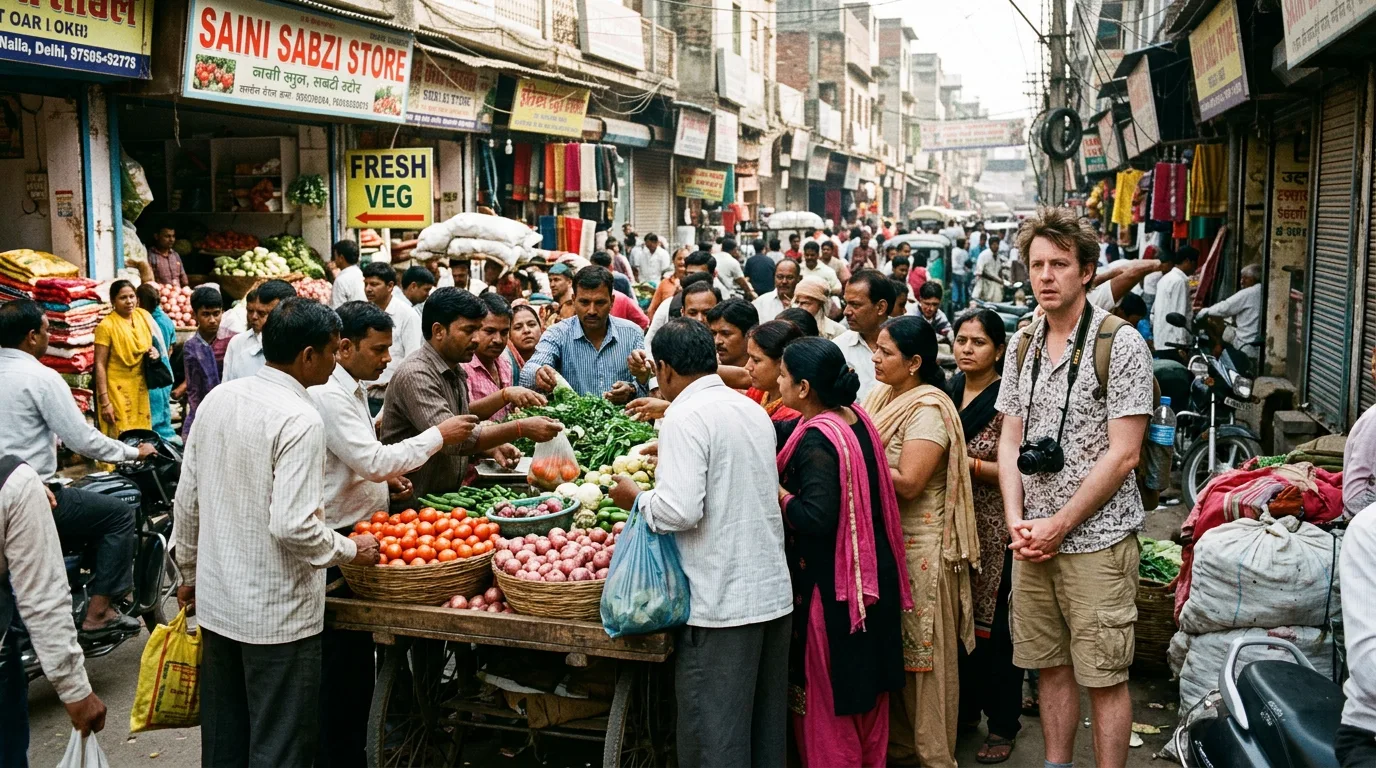
Punctuality is another interesting one. In Germany or Switzerland, “on time” means exactly on time, or even five minutes early. In some Latin American or Mediterranean cultures, “hora latina” or “mañana” might mean a more relaxed approach, where being 15-30 minutes late is perfectly acceptable, or even expected. A business meeting scheduled for 9 AM might see the local participants trickling in until 9:30, leaving a punctual foreign visitor wondering if they missed an internal memo about a time change.
Even workplace humor varies wildly. Sarcasm, a staple in many Western offices, can be completely lost, or worse, taken literally and offensively, in cultures that prioritize direct communication or saving face. Imagine a manager sarcastically saying, “Great job, Smith, really outstanding effort on that blank report,” only for Smith from a different cultural background to earnestly thank them for the compliment. These moments highlight the subtle, often funny, ways our cultural lenses shape our understanding of the professional world.
Embracing the Absurdity: Why These Cultural Differences Around the World Are Funny (and Important)
At the heart of these amusing encounters lies the clash of expectations. Our brains are wired to predict outcomes based on our own cultural programming. When reality deviates wildly from these predictions, especially in benign ways, the result is often laughter. It’s the humor of surprise, the absurdity of the unexpected, and the shared human experience of getting things delightfully wrong.
The humor in cultural differences around the world funny isn’t about mocking or belittling other cultures. Instead, it’s about recognizing the inherent comedy in the human condition, the myriad ways we’ve all agreed to do things differently. It’s about the tourist who accidentally insults a host with a well-intentioned gesture, or the local who is bemused by a foreigner’s rigid adherence to their own customs. These moments are gentle reminders that our way is not the way, but simply a way.
More than just providing a good laugh, embracing these funny cultural differences is incredibly important. It:
- Broadens our perspective: It forces us to step outside our comfort zone and see the world through a different lens.
- Fosters empathy: Understanding why something is done differently helps us appreciate the underlying values and history of another culture.
- Enhances travel experiences: A traveler with a sense of humor and a willingness to learn will undoubtedly have richer, more memorable adventures.
- Prevents genuine offense: By understanding the potential for misunderstanding, we can be more mindful and respectful in our interactions.
- Creates incredible stories: The most hilarious travel tales often involve a cultural gaffe, a miscommunication, or an unexpected encounter with local customs.
Ultimately, the ability to laugh at ourselves and the amusing situations that arise from cultural clashes is a sign of adaptability and an open mind. It transforms potential frustration into delightful anecdotes and deepens our appreciation for the intricate, diverse, and often wonderfully silly tapestry of human behavior.
Conclusion
The world is a kaleidoscope of customs, traditions, and unspoken rules, and navigating this rich diversity is an adventure in itself. While serious cultural differences demand respect and careful understanding, many others offer us the invaluable gift of laughter. From the unintentional insults of a misused gesture to the bewildering complexities of dining etiquette, the cultural differences around the world funny are a testament to the ingenuity and variety of human societies.
As we journey through this global village, whether in person or through stories, let us approach these differences with curiosity, respect, and a healthy dose of humor. The awkward silences, the confused expressions, and the belly laughs that arise from these cross-cultural encounters are not just funny; they are vital lessons in empathy, patience, and the beautiful, often absurd, tapestry of human connection. So, next time you find yourself in a wonderfully perplexing cultural situation, remember to smile, learn, and perhaps, even laugh. After all, a good chuckle is the most universal language of all.