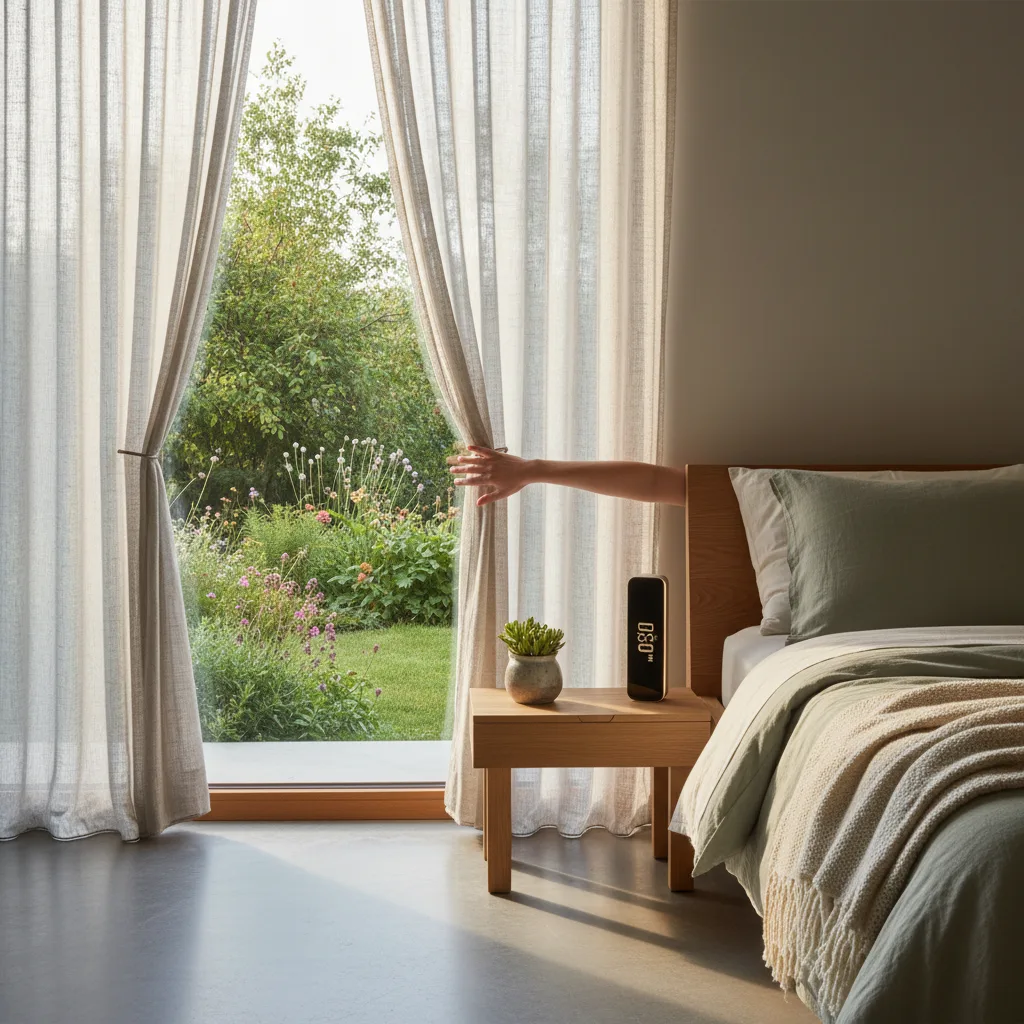
Future Trends in Smart Home Technology: Unlocking Tomorrow's Living
Explore the cutting-edge future of smart home technology. Discover how sophisticated ecosystems, AI, and seamless integration will redefine convenience, security, and energy efficiency in tomorrow's living spaces.
Unlocking Tomorrow’s Living: A Comprehensive Guide to Future Trends in Smart Home Technology
The concept of a “smart home” has evolved rapidly from simple remote control of lights to sophisticated ecosystems that anticipate our needs. What once felt like science fiction is now becoming commonplace, with devices seamlessly integrating into our daily lives, making homes more convenient, secure, and energy-efficient. But what lies beyond today’s smart speakers and connected thermostats? As technology continues its relentless march forward, the future trends in smart home technology promise an even more transformative living experience. This guide from TrendSeek delves into the cutting-edge innovations poised to redefine our homes, moving beyond mere convenience to truly intelligent, adaptive, and personalized environments.
The Foundation: AI and Machine Learning at the Core of Future Smart Home Technology
At the heart of the next generation of smart homes lies the exponential advancement of Artificial Intelligence (AI) and Machine Learning (ML). These technologies are transitioning smart homes from reactive systems – responding to direct commands – to proactive, predictive environments that learn and adapt.
Imagine a home that doesn’t just turn on the lights when you enter a room, but understands your preferred lighting intensity and color based on the time of day, your activity, and even your mood. This is the power of AI at work. ML algorithms will analyze vast amounts of data from sensors, user interactions, and external factors (like weather patterns or energy prices) to optimize every aspect of your living space.
Key advancements include:
- Predictive Automation: AI will learn your routines so thoroughly that your home can pre-emptively adjust climate control, lighting, and even prepare your coffee before your alarm goes off, all without explicit commands. For instance, an AI-powered thermostat might learn your preferred temperature range, factor in your work schedule, local weather forecasts, and even the insulation properties of your house to optimize heating and cooling, saving energy without sacrificing comfort.
- Hyper-Personalization: Beyond simple preferences, AI will create truly unique living experiences. Your home might adjust music playback based on who is in the room, display personalized news feeds on smart mirrors, or even suggest recipes based on ingredients available in your smart pantry.
- Contextual Awareness: Future smart homes will possess a deeper understanding of context. Using advanced sensors (Lidar, radar, thermal imaging, rather than just cameras for privacy), they’ll differentiate between occupants, understand activities (e.g., cooking, reading, sleeping), and react accordingly. This means a home can recognize if you’re hosting a party versus having a quiet evening in and adjust ambiance, security, and entertainment systems to match.
- Adaptive Security: AI will enhance security systems by learning normal patterns of activity. It will be able to distinguish between family members, pets, and potential intruders with greater accuracy, significantly reducing false alarms and providing more intelligent threat detection.
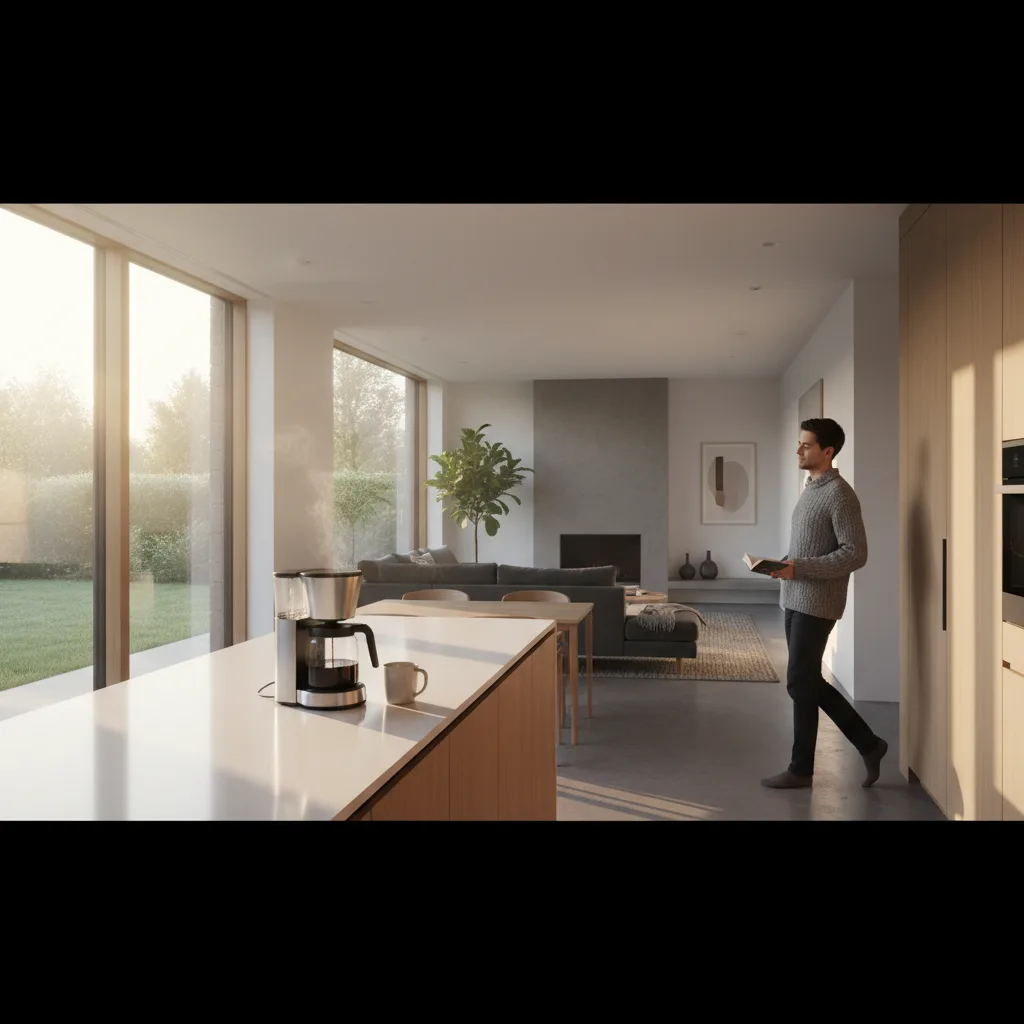
The market for AI in smart homes is projected to grow significantly, with reports indicating a CAGR of over 20% in the coming years, underscoring its pivotal role in shaping future smart home experiences.
Seamless Integration and Interoperability: The Unified Smart Home Ecosystem
One of the biggest frustrations for early smart home adopters has been the fragmentation of ecosystems. Devices from different manufacturers often struggle to communicate, leading to multiple apps and complex setups. The future, however, is bright with the promise of true interoperability.
The advent of standards like Matter (backed by industry giants such as Apple, Google, Amazon, and Samsung) is a game-changer. Matter aims to create a universal language for smart home devices, allowing products from any certified brand to work together seamlessly, regardless of their underlying technology (Wi-Fi, Thread, Ethernet).
What this means for users:
- Simplified Setup and Control: Imagine buying a new smart light bulb and having it instantly discoverable and controllable by your existing smart home hub or voice assistant, regardless of brand. This eliminates compatibility headaches and simplifies onboarding.
- Enhanced User Experience: A unified ecosystem means a single app or voice command can orchestrate complex routines involving devices from various manufacturers. For example, saying “Goodnight” could simultaneously lock your Yale smart door, turn off your Philips Hue lights, lower your Ecobee thermostat, and arm your Arlo security cameras.
- Future-Proofing: As new devices emerge, Matter’s open standard ensures they can integrate with your existing setup, protecting your investment and expanding your options.
- More Choice for Consumers: Manufacturers will compete more on features, design, and price rather than locking users into proprietary ecosystems, leading to better innovation and value.
Beyond Matter, we’ll see further advancements in edge computing, where more processing happens directly on devices rather than in the cloud. This not only enhances privacy but also improves responsiveness and reduces reliance on internet connectivity for core smart home functions. The goal is an invisible technology layer that simply works, making the smart home feel less like a collection of gadgets and more like an intuitive, cohesive living space.
Enhanced Security, Privacy, and Wellness: The Future Trends in Smart Home Technology for Wellbeing
As our homes become smarter, concerns around security and privacy naturally escalate. The future of smart home technology will address these head-on, while also placing a greater emphasis on our physical and mental well-being.
Advanced Security Measures
- Biometric Authentication: Beyond fingerprint scanners, expect advanced facial recognition (even distinguishing identical twins), iris scanning, and voice biometrics to secure access to your home and sensitive data. These systems will be more robust and harder to spoof.
- Decentralized Security Architectures: Moving away from centralized cloud servers, future smart home security might leverage blockchain-like distributed ledgers for verifying device identities and encrypting communications, making them far more resilient to cyberattacks.
- Proactive Threat Detection: AI-powered security systems will not just record events but will analyze patterns to predict potential threats. For example, detecting unusual network activity or recognizing a drone hovering outside your window.
- Integrated Drone/Robotic Patrols: For larger properties, autonomous outdoor security drones or ground robots could provide live surveillance and perimeter checks, communicating directly with your central security system.
Unwavering Privacy Controls
- On-Device Processing (Edge AI): To protect sensitive data, more AI processing will occur directly on smart home devices, minimizing the amount of personal information sent to the cloud. This means your voice commands or facial recognition data stay within your home.
- Granular Data Control: Users will have unprecedented control over what data their smart devices collect, how it’s used, and who it’s shared with, managed through intuitive privacy dashboards.
- Transparent Data Policies: Manufacturers will be compelled to provide clearer, more accessible information about their data practices, building trust with consumers who are increasingly wary of data exploitation.
Holistic Wellness Integration
- Environmental Monitoring: Beyond temperature and humidity, smart homes will monitor indoor air quality (VOCs, particulate matter, CO2 levels), water quality, and even detect mold spores or radon gas, automatically triggering purifiers or ventilation systems.
- Circadian Lighting: Lighting systems will dynamically adjust color temperature and intensity throughout the day to mimic natural light cycles, supporting healthy sleep patterns and boosting alertness.
- Sleep and Health Tracking: Integration with wearable devices will allow smart homes to optimize bedroom environments for sleep, adjusting temperature, lighting, and soundscapes based on real-time biometric data. Advanced sensors could even monitor vital signs passively.
- Elderly Care and Fall Detection: Non-intrusive radar or thermal sensors can monitor the movements of elderly residents, detecting falls or unusual inactivity patterns and alerting caregivers without the need for cameras. Smart homes can also remind individuals to take medication or assist with daily routines.

Sustainable Smart Homes: Energy Efficiency and Environmental Impact
The smart home of the future won’t just be convenient; it will be fundamentally sustainable, playing a crucial role in reducing our carbon footprint and optimizing energy consumption. This trend aligns with a growing global awareness of environmental responsibility.
- AI-Driven Energy Optimization: Beyond simple scheduling, AI will learn your energy usage patterns and dynamically adjust appliances, heating, cooling, and lighting to minimize consumption without compromising comfort. It will factor in peak energy pricing, renewable energy availability, and even weather forecasts to make real-time decisions. For instance, a smart thermostat might pre-cool your home during off-peak hours if it anticipates a hot afternoon and cheaper electricity.
- Integration with Renewable Energy: Smart homes will seamlessly integrate with solar panels, home battery storage systems, and even electric vehicle (EV) charging. The home will intelligently manage energy flow, prioritizing self-consumption of solar power, charging EVs during off-peak times, and even selling excess energy back to the grid.
- Smart Grid Participation: Homes will become active participants in the smart grid, dynamically adjusting energy demand in response to grid conditions. This “demand response” capability helps stabilize the grid, especially as more intermittent renewable sources come online.
- Water Conservation: Smart irrigation systems will use hyper-local weather data and soil moisture sensors to water lawns and gardens only when necessary, preventing waste. Smart leak detectors will quickly identify plumbing issues, minimizing water damage and conservation.
- Waste Management: Smart bins could sort recycling automatically or notify waste services when full, optimizing collection routes and promoting better waste separation.
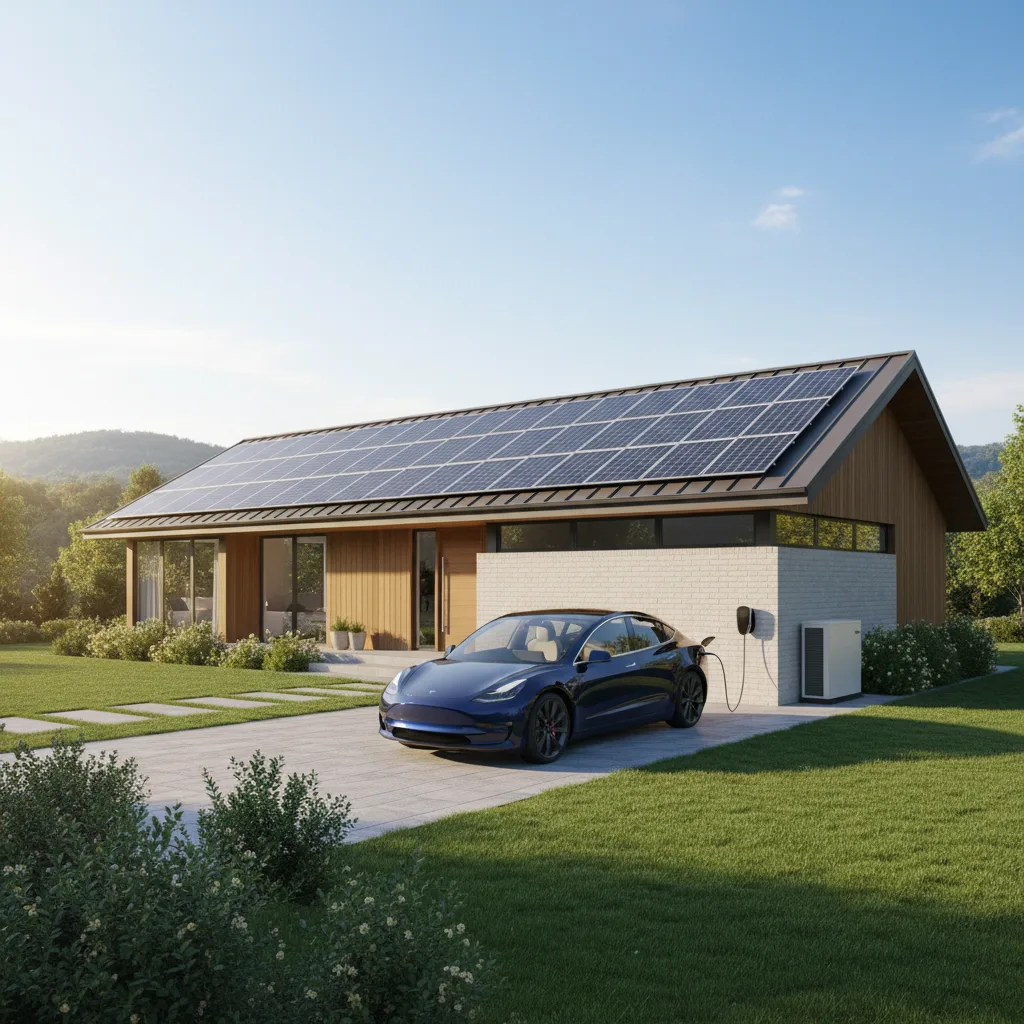
According to some estimates, smart home technology has the potential to reduce household energy consumption by 10-20%, representing a significant step towards a greener future.
The Proactive and Immersive Smart Home Experience
Beyond automation and efficiency, the future smart home will be defined by its ability to anticipate needs and offer truly immersive, personalized experiences. This is where the home transcends being a collection of devices and becomes a responsive, intuitive companion.
- Anticipatory Living: Imagine your home preparing itself for your arrival. Your favorite music starts playing, the lights adjust to your preferred evening ambiance, and the air purifier kicks in – all before you even step through the door, based on your commute patterns and calendar. This is achieved through advanced sensor fusion, presence detection, and AI learning your habits and external cues.
- Context-Aware Entertainment: Your entertainment system won’t just play music; it will curate experiences. Based on who is in the room, the time of day, and even the detected mood, it could suggest movies, games, or playlists, seamlessly adjusting audio and visual settings for optimal enjoyment.
- Augmented Reality (AR) and Virtual Reality (VR) Integration: While still nascent, AR/VR could transform how we interact with our homes. Imagine using AR glasses to visualize new furniture in your living room before buying it, getting interactive repair instructions overlaid on a broken appliance, or even creating virtual portals to connect with loved ones in distant locations within your home’s physical space.
- Robotics in the Home: Robotic vacuums are just the beginning. Future homes may feature multi-functional domestic robots capable of tasks beyond cleaning, such as fetching items, performing minor repairs, or even providing companionship and assistance to elderly residents. These robots will navigate autonomously and interact intelligently with other smart home devices.
- Interactive Surfaces and Haptic Feedback: Walls, tables, and mirrors could become interactive displays, allowing for gesture control, information display, and even subtle haptic feedback to communicate alerts or create immersive environments.
This proactive and immersive experience is about creating a living space that not only responds to your commands but actively enhances your life, often without you even realizing it.
Conclusion
The future of smart home technology is not merely about adding more gadgets; it’s about creating truly intelligent, integrated, and intuitive living environments. From the foundational power of AI and machine learning driving predictive automation and hyper-personalization, to the seamless interoperability promised by standards like Matter, our homes are on the cusp of a profound transformation.
Crucially, this evolution also brings a heightened focus on security, privacy, and holistic wellness, ensuring that convenience doesn’t come at the expense of our well-being. Furthermore, smart homes will play a pivotal role in our collective journey towards sustainability, optimizing energy consumption and integrating seamlessly with renewable energy solutions. Finally, the emergence of proactive and immersive experiences, leveraging advanced robotics and AR/VR, promises a future where our homes anticipate our needs and enrich our lives in ways we can only begin to imagine.
The journey towards these intelligent abodes is an exciting one, promising a future where our homes are not just structures, but living, breathing entities that adapt to us, care for us, and simplify our lives in unprecedented ways. The smart home revolution is just getting started, and the best is yet to come.