
Geopolitical Conflict: Impact on Global Markets & Economy
Discover how geopolitical conflicts profoundly impact global markets, extending beyond borders to affect commodity prices, supply chains, and investor sentiment worldwide.
Navigating Turbulence: Geopolitical Conflict and Its Impact on Global Markets
In an increasingly interconnected world, the ripples of geopolitical conflict extend far beyond national borders, creating significant waves across the global economy. From distant skirmishes to full-blown wars, political tensions and military actions have a profound and often immediate impact on global markets, affecting everything from commodity prices and supply chains to investor sentiment and national currencies. For businesses, investors, and everyday consumers, understanding these complex dynamics is not just academic; it’s essential for resilience, strategic planning, and navigating an ever-changing economic landscape. This guide from TrendSeek delves into the intricate relationship between global power struggles and market performance, offering insights into how these events unfold and what they mean for the future of our interconnected world.
Understanding the Mechanisms of Impact: How Geopolitical Conflict Shapes Global Markets
The pathways through which geopolitical events translate into market volatility are multifaceted and often interconnected. It’s rarely a single factor, but rather a cascade of reactions that can send shockwaves through different sectors and regions.
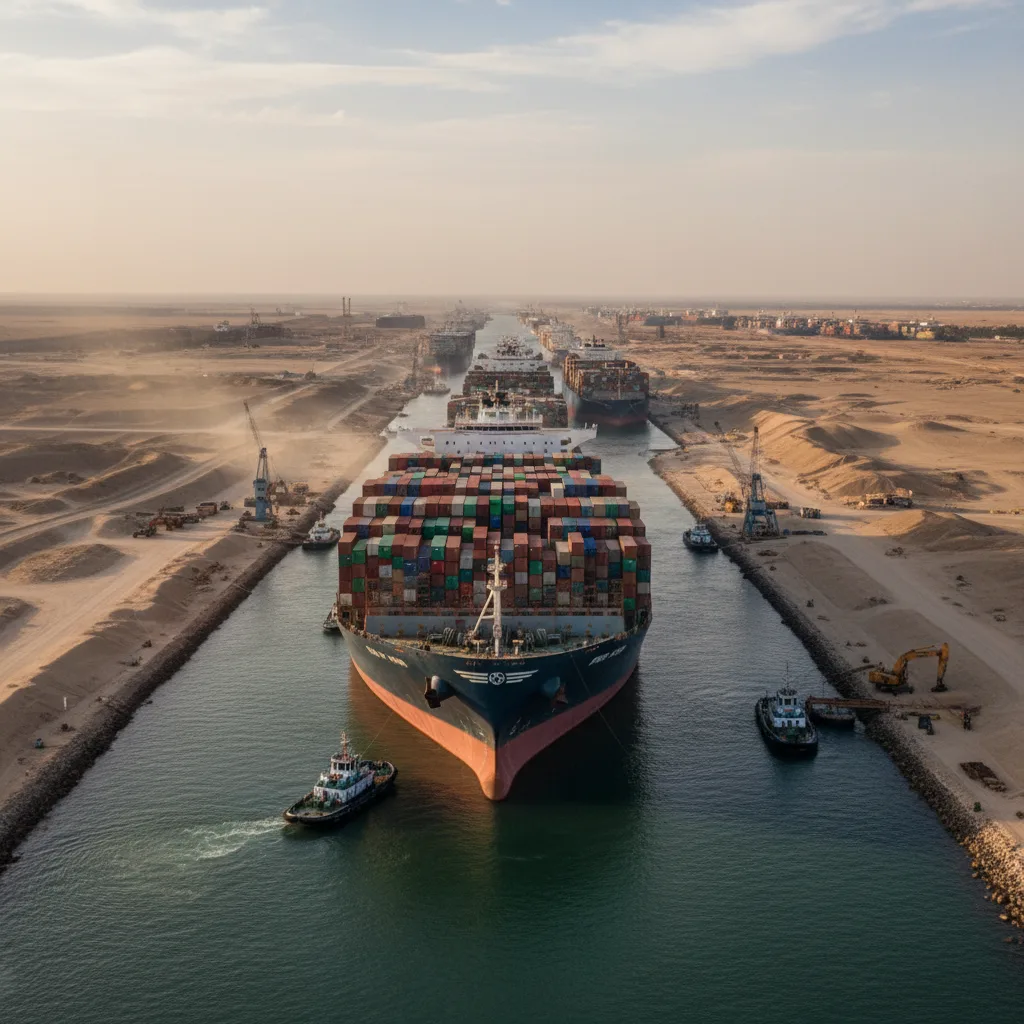
- Supply Chain Disruptions: Perhaps the most immediate and visible impact. Conflicts can disrupt critical trade routes (e.g., shipping lanes, pipelines), damage infrastructure (ports, factories), or trigger export/import bans. This leads to shortages of raw materials (minerals, agricultural products), components (semiconductors), and finished goods, causing price spikes and production delays globally. The blockage of the Suez Canal, though not a conflict, demonstrated the fragility of global supply lines.
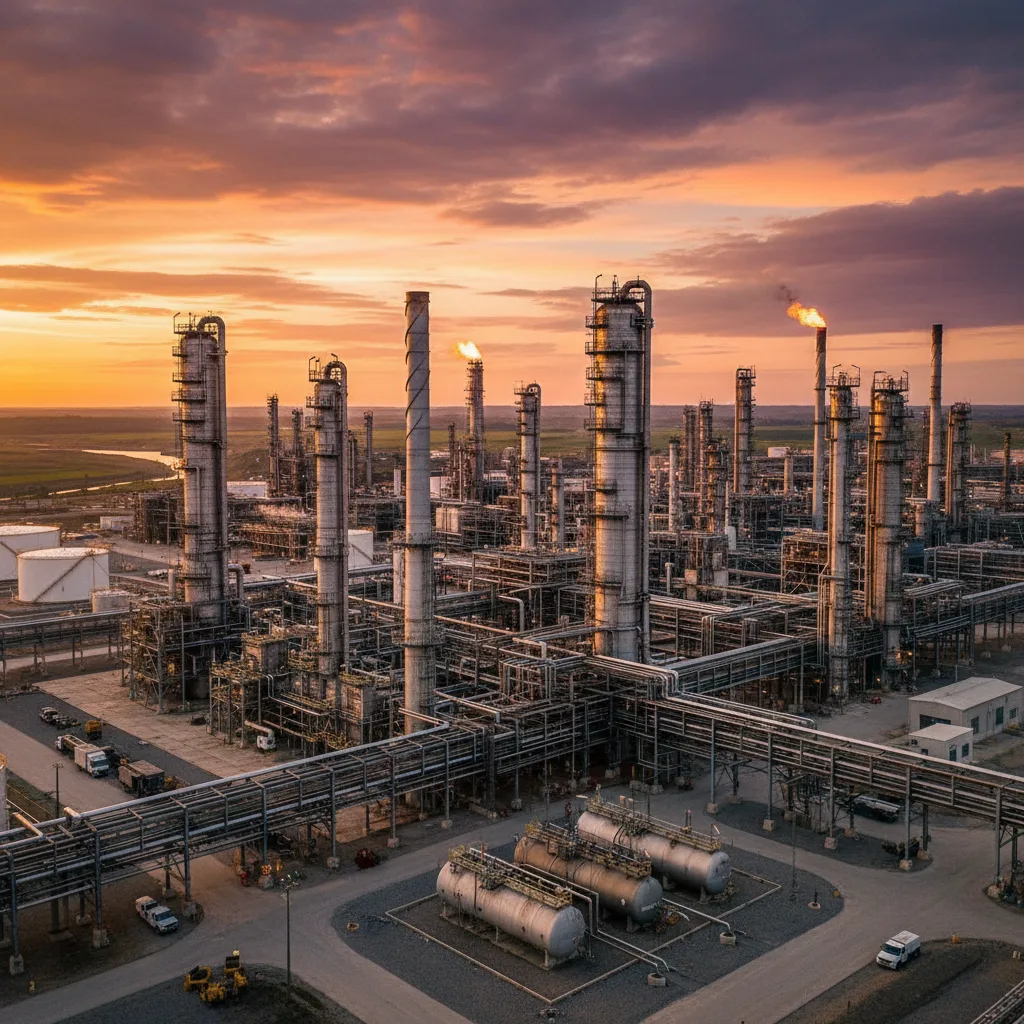
- Energy Market Volatility: Energy is often at the heart of geopolitical tensions. Conflicts in major oil-producing regions or those involving key energy exporters (like Russia) can lead to dramatic fluctuations in oil, natural gas, and coal prices. This directly impacts transportation costs, industrial production, and household energy bills, fueling inflation and potentially stifling economic growth.
- Investor Sentiment and Risk Aversion: Uncertainty is anathema to markets. Geopolitical instability breeds fear and uncertainty, causing investors to pull capital from riskier assets (equities, emerging market bonds) and seek “safe havens” like gold, government bonds (especially U.S. Treasuries), and certain strong currencies (like the U.S. dollar or Swiss franc). This flight to safety can trigger significant stock market corrections and increased volatility.
- Inflationary Pressures: Disruptions to supply chains and energy markets are primary drivers of inflation. When goods become scarce or more expensive to produce and transport, prices rise across the board. This erosion of purchasing power can force central banks to raise interest rates, potentially slowing economic activity further.
- Currency Fluctuations: Currencies are direct barometers of a nation’s economic health and stability. Countries directly involved in or heavily impacted by conflict often see their currencies depreciate due to capital flight, reduced trade, and economic uncertainty. Conversely, safe-haven currencies may strengthen.
- Sanctions and Trade Wars: Economic sanctions are a common tool in modern geopolitics. While intended to pressure adversaries, they often have unintended ripple effects, disrupting global trade flows, creating new barriers, and forcing businesses to re-evaluate their international operations and partnerships.
Historical Precedents and Modern Manifestations: Geopolitical Conflict and Its Impact on Global Markets
History is replete with examples of how geopolitical events have reshaped economic realities. Understanding these precedents provides crucial context for current and future challenges.
- The Gulf War (1990-1991): Iraq’s invasion of Kuwait and the subsequent international response sent crude oil prices soaring, triggering fears of a global recession. Although the conflict was relatively short-lived, the initial uncertainty and energy shock demonstrated how quickly a regional conflict in a critical resource area could impact global markets. Oil prices peaked at nearly $40 a barrel before stabilizing post-conflict.
- The September 11th Attacks (2001): These terrorist attacks, while not a conventional war, represented a significant geopolitical shock. U.S. stock markets closed for several days, and upon reopening, experienced sharp declines as investor confidence plummeted. The attacks led to increased defense spending, heightened security measures globally, and a lasting impact on industries like aviation and tourism.
- The Russia-Ukraine War (2022-Present): This ongoing conflict serves as a powerful contemporary example of geopolitical conflict and its impact on global markets.
- Energy Crisis: Russia, a major energy exporter, faced extensive sanctions, leading to reduced natural gas supplies to Europe. This triggered an unprecedented energy crisis, driving up utility bills, fueling inflation, and prompting European nations to scramble for alternative energy sources.
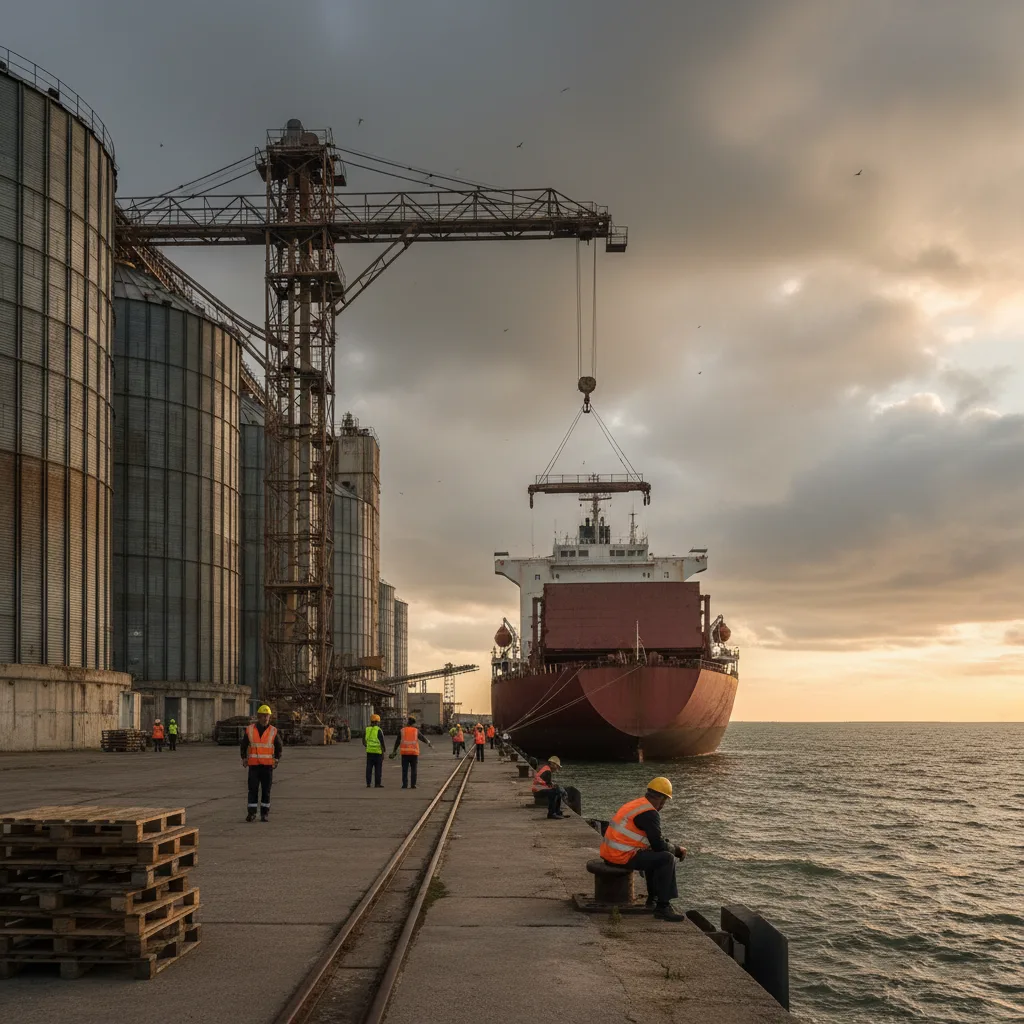
- Food Security Concerns: Both Russia and Ukraine are major global suppliers of wheat, corn, and sunflower oil, along with fertilizers. The conflict disrupted exports from the Black Sea region, causing global food prices to skyrocket and exacerbating food insecurity, particularly in developing nations.
- Commodity Price Spikes: Beyond energy and food, prices for other commodities like nickel, palladium, and aluminum (where Russia is a significant producer) also surged, impacting manufacturing sectors worldwide.
- Supply Chain Reconfiguration: Companies have been forced to re-evaluate and reconfigure their supply chains, moving away from reliance on Russian or Ukrainian inputs and seeking more resilient, albeit sometimes more expensive, alternatives.
- Inflationary Spiral: The combined effect of energy, food, and commodity price increases has contributed significantly to the global inflationary surge experienced since 2022, prompting aggressive interest rate hikes by central banks worldwide.
Sector-Specific Vulnerabilities and Opportunities
While geopolitical conflicts cast a wide net, certain sectors are inherently more exposed or, conversely, find unexpected opportunities.
- Energy Sector: Directly and profoundly impacted. Companies involved in oil and gas exploration, production, and refining experience extreme volatility. Renewable energy companies may see increased investment as nations seek energy independence, though supply chain issues for critical minerals can pose challenges.
- Agriculture and Food Processing: Highly vulnerable due to reliance on specific regions for commodities and fertilizers. Price volatility for staples like wheat, corn, and edible oils directly impacts producers and consumers.
- Defense and Aerospace: Often sees a surge in demand and investment. Increased geopolitical tensions typically lead to higher defense budgets globally, benefiting arms manufacturers, aerospace companies, and cybersecurity firms.
- Technology and Semiconductors: Highly exposed to supply chain disruptions, particularly given the concentration of semiconductor manufacturing in specific geopolitical hotspots. Export controls and intellectual property disputes can also severely impact tech giants.
- Financial Services: Banks, investment firms, and insurance companies face heightened credit risk, market volatility, and potential capital flight. Sanctions compliance adds significant operational complexity.
- Logistics and Shipping: Directly affected by trade route disruptions, port closures, and increased insurance costs for operating in high-risk areas. However, companies able to reroute and adapt quickly can gain market share.
- Mining and Raw Materials: Prices for critical minerals can swing wildly based on supply disruptions and increased demand from defense or technology sectors.
The Role of Policy Responses and International Cooperation
Governments and international bodies play a crucial role in mitigating the economic fallout of geopolitical conflicts, though their actions can also introduce new complexities.
- Monetary Policy: Central banks often face a dilemma: combat inflation (often fueled by conflict) with interest rate hikes, which can slow economic growth, or support growth with accommodative policies, potentially worsening inflation. Their decisions have a direct impact on borrowing costs, investment, and consumer spending.
- Fiscal Policy: Governments may implement fiscal measures such as subsidies for energy or food, tax breaks, or increased social spending to cushion the blow for citizens and businesses. Increased defense spending is also a common fiscal response to rising tensions.
- Diplomacy and Sanctions: Diplomatic efforts aim to de-escalate conflicts, while economic sanctions are used as a non-military tool to pressure adversaries. The effectiveness and broader economic consequences of sanctions are often debated, as they can lead to retaliatory measures and unintended global economic distortions.
- International Organizations: Bodies like the International Monetary Fund (IMF) and the World Bank provide financial assistance and policy advice to countries struggling with economic crises stemming from conflict. The World Trade Organization (WTO) attempts to maintain open trade, though its influence can be challenged by unilateral sanctions.
- Strategic Alliances and Trade Blocs: Nations often strengthen economic and political alliances in response to geopolitical threats, leading to new trade agreements, joint infrastructure projects, and coordinated economic policies designed to enhance collective resilience.
Strategies for Investors and Businesses in an Unstable World
Navigating the complexities of geopolitical conflict requires foresight, adaptability, and robust risk management.
- Diversification is Key: For investors, spreading investments across different asset classes (equities, bonds, commodities, real estate), geographies, and currencies can help cushion the blow when one region or sector is hit.
- Scenario Planning and Stress Testing: Businesses should regularly conduct scenario planning, modeling the potential impacts of various geopolitical events (e.g., trade wars, regional conflicts) on their supply chains, sales, and profitability. Stress testing financial positions against adverse scenarios is also critical.
- Supply Chain Resilience: Moving away from single-source reliance, diversifying suppliers across different countries, and building inventory buffers can mitigate the impact of disruptions. Nearshoring or friend-shoring (sourcing from allied nations) are growing trends.
- Hedging Strategies: Companies exposed to currency fluctuations or commodity price volatility can use financial instruments (futures, options, forward contracts) to hedge against adverse movements.
- Monitor Geopolitical Indicators: Staying informed about global political developments, election outcomes, trade negotiations, and potential flashpoints is crucial. Utilizing geopolitical risk analysis tools and expert insights can provide an edge.
- Focus on Long-Term Fundamentals: While short-term market reactions to geopolitical events can be dramatic, focusing on the long-term fundamentals of companies and economies can help investors avoid panic-driven decisions.
- Embrace Digital Transformation: Investing in technologies that enhance supply chain visibility, enable remote work, and improve data analytics can increase adaptability and resilience during times of crisis.
- ESG Considerations: Incorporating Environmental, Social, and Governance (ESG) factors into business and investment strategies can lead to more resilient and ethically sound operations, potentially attracting long-term capital and mitigating reputational risks associated with geopolitical entanglements.
Conclusion
The indelible link between geopolitical conflict and its impact on global markets is a defining feature of our modern world. From the immediate shockwaves of energy price spikes and supply chain disruptions to the long-term shifts in trade routes and investment flows, these events demand careful attention and strategic responses from all economic actors. While the precise nature and timing of future conflicts remain unpredictable, their potential to reshape economic landscapes is undeniable. By understanding the mechanisms of impact, learning from historical precedents, identifying sector-specific vulnerabilities, and adopting proactive strategies for risk management and resilience, businesses and investors can better navigate the turbulent waters of global geopolitics, transforming potential threats into opportunities for adaptation and sustainable growth. In an era of constant flux, informed decision-making remains the most powerful tool for securing prosperity.