Secret Societies in Singapore: A Comprehensive History Unveiled
Explore the fascinating and turbulent history of secret societies in Singapore. Uncover their pivotal role in shaping the social, economic, and political landscape of the island nation.
Unveiling the Shadows: A Comprehensive History of Secret Societies in Singapore
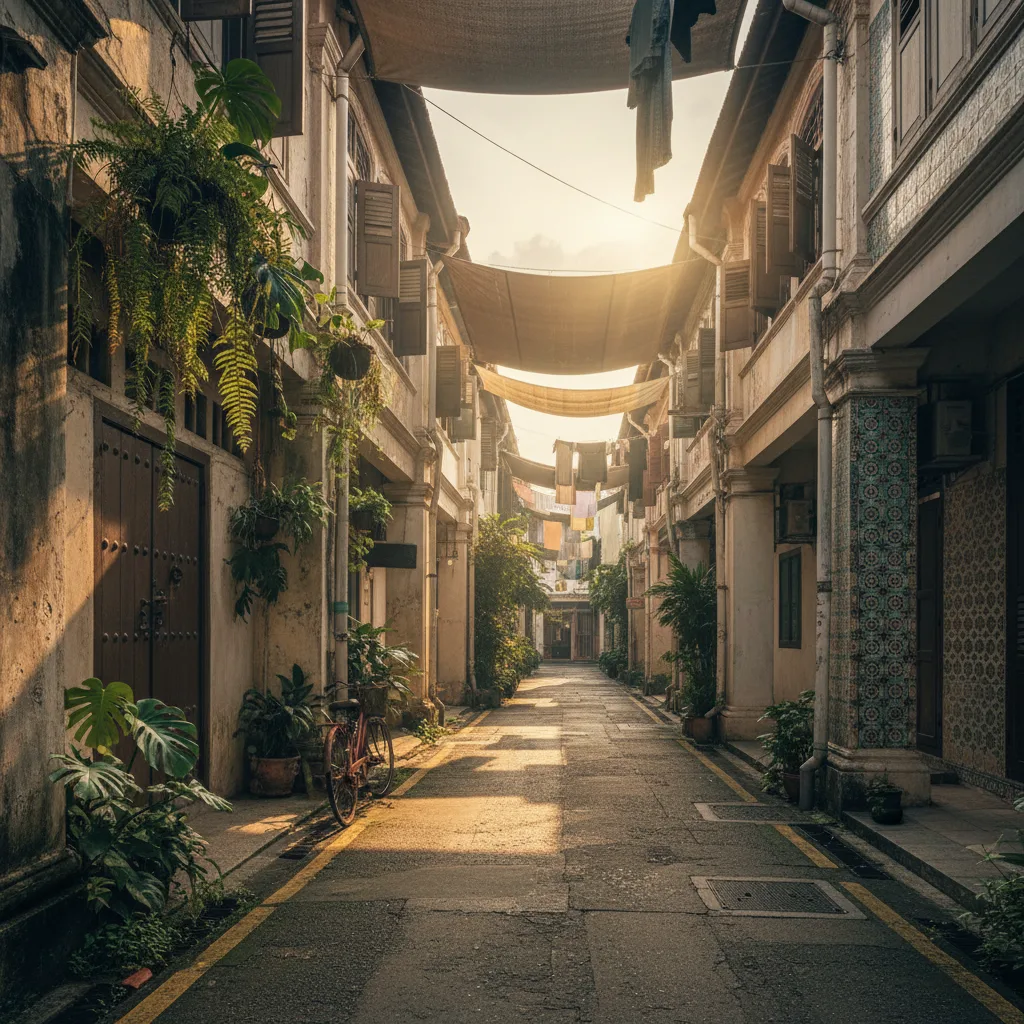
Singapore, the gleaming island nation renowned for its order and prosperity, holds a fascinating and often turbulent past. Beneath the veneer of colonial administration and rapid modernization, a complex underground world thrived for centuries: the realm of secret societies. These clandestine organizations played a pivotal role in shaping the social, economic, and even political landscape of early Singapore. Understanding the history of secret societies in Singapore is crucial to appreciating the forces that both challenged and ultimately forged the nation’s identity. From their origins as mutual aid groups for migrant laborers to their evolution into formidable criminal syndicates, the story of these societies is one of power, conflict, and eventual suppression, marking a dramatic chapter in the Lion City’s narrative.
The Genesis of Secret Societies in Colonial Singapore
The seeds of secret societies were sown in the early 19th century with the founding of modern Singapore in 1819. As a burgeoning free port, Singapore attracted a massive influx of immigrants, primarily from China, seeking fortune and new beginnings. These early migrants, often poor, uneducated, and speaking diverse dialects, found themselves in a foreign land with little government support or social safety nets. This vacuum created fertile ground for the establishment of self-help organizations, many of which were offshoots of the formidable Heaven and Earth Society (Tiandihui), or Triads, from mainland China.
Originally founded in the 17th century as a patriotic movement to overthrow the Qing Dynasty and restore the Ming, the Triads possessed a hierarchical structure, elaborate rituals, and a strong sense of brotherhood. When they arrived in Singapore, their primary function initially was to provide protection, employment, housing, and social welfare to their respective dialect groups. They acted as a parallel government, resolving disputes, enforcing contracts, and even providing burial services. However, this benevolent facade quickly eroded.
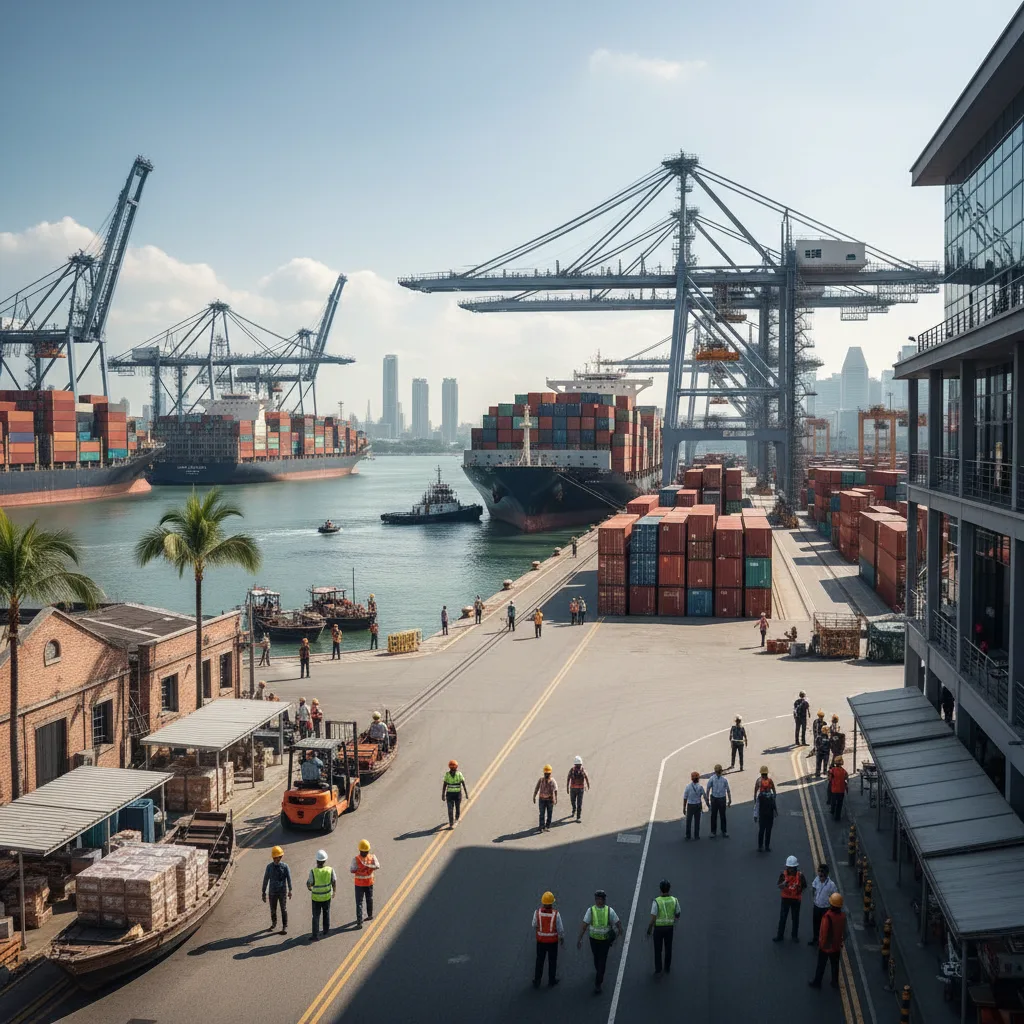
The most prominent Chinese secret societies in early Singapore were the Ghee Hin Kongsi (Cantonese and Hokkien-speaking) and the Hai San Kongsi (Hakka-speaking). While providing crucial support, they also swiftly monopolized various trades – opium dens, gambling houses, prostitution, and labor recruitment – using intimidation and violence to maintain control. Their power grew exponentially, often surpassing that of the nascent British colonial administration, which largely adopted a policy of non-interference due to a lack of resources and understanding of Chinese customs. This uneasy truce, however, was destined to break.
The Heyday of Triad Power and Colonial Response to Secret Societies in Singapore
By the mid-19th century, the secret societies had become an undeniable force, their influence permeating every aspect of colonial life. They controlled vast swathes of the economy and held sway over the majority of the Chinese population. This period marked the peak of their power, but also the beginning of their downfall as their internal conflicts escalated and the British government finally recognized the existential threat they posed to law and order.
The most infamous manifestation of their unchecked power was the Great Riots of 1854. Sparked by a seemingly trivial dispute over the price of rice, the underlying tensions between the Ghee Hin and Hai San societies erupted into a bloody, week-long conflict that engulfed the entire island. Thousands of members from both sides engaged in pitched battles, resulting in widespread destruction, numerous deaths, and a complete breakdown of civil authority. The British military, severely outnumbered, struggled to quell the violence, highlighting the colonial government’s alarming impotence in the face of triad might.
The 1854 riots served as a stark wake-up call. The colonial government, realizing the imperative to assert control, began to implement more stringent measures. Early attempts, like the Suppression Ordinance of 1869, proved largely ineffective as societies simply went further underground. A more decisive step was taken with the appointment of William Pickering as the first Protector of Chinese in 1877. Pickering, fluent in several Chinese dialects and deeply knowledgeable about Chinese culture, established the Chinese Protectorate. This institution aimed to protect Chinese immigrants from exploitation, mediate disputes, and, crucially, gather intelligence on secret societies.
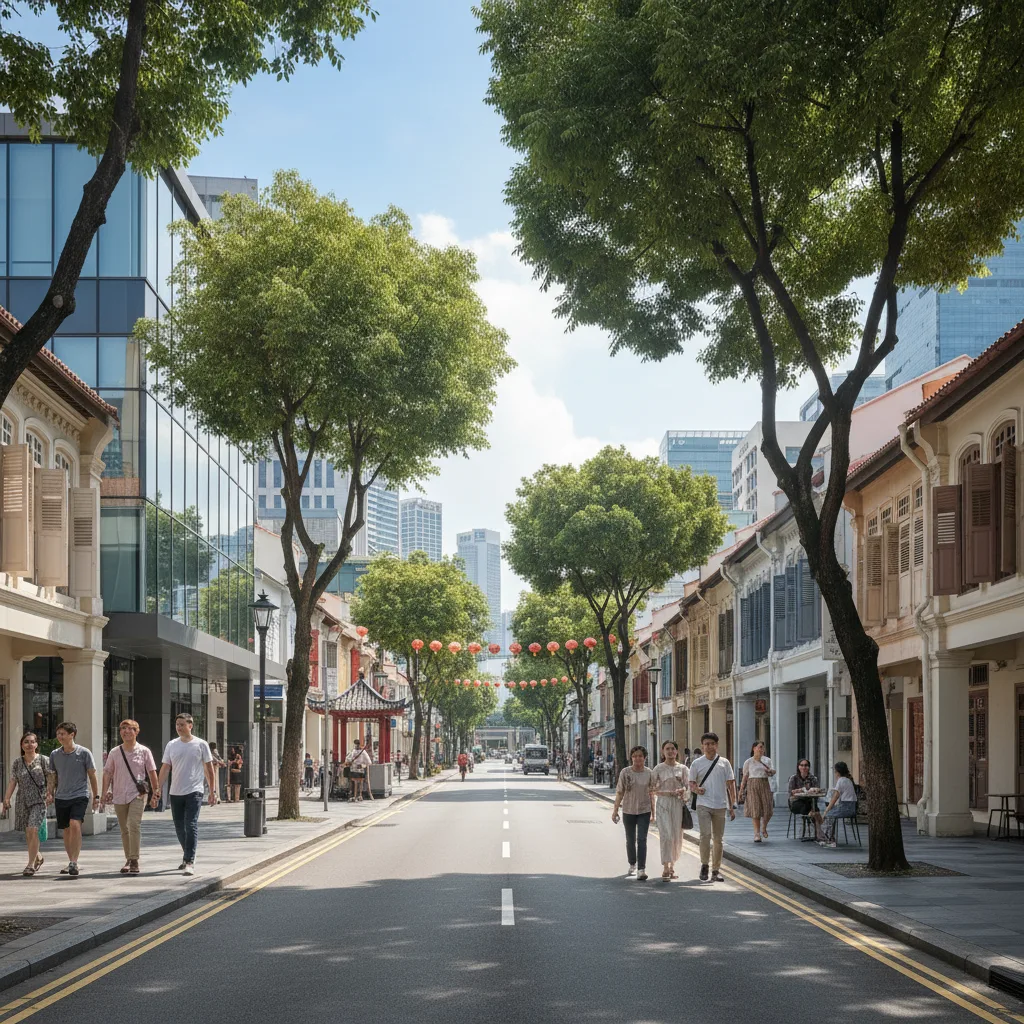
Pickering’s efforts, combined with the Societies Ordinance of 1889, which outlawed all secret societies and made membership a criminal offense, marked a turning point. While the societies did not disappear overnight, their overt power was significantly curtailed. They were forced to operate in deeper secrecy, their public displays of authority replaced by more clandestine operations, setting the stage for their evolution in the 20th century.
Post-War Resurgence and the Rise of Local Gangs
The early 20th century saw continued pressure on secret societies, but they proved remarkably resilient, adapting their structures and activities. However, it was the turbulent period of World War II and its aftermath that provided a new catalyst for their resurgence.
During the Japanese Occupation (1942-1945), the colonial administration collapsed, creating a power vacuum. While some secret societies collaborated with the Japanese, others engaged in resistance activities, further blurring the lines between criminal and nationalist movements. The brutal occupation left Singapore’s economy in tatters and its social fabric torn. Post-war conditions – widespread poverty, unemployment, food shortages, and a pervasive sense of lawlessness – created an ideal environment for secret societies to once again flourish.
The traditional Triad structures, though still present, began to evolve. The post-war era saw the rise of more localized, street-level gangs, often comprising disillusioned youth. These gangs, while still adopting some Triad rituals and symbols, were primarily focused on territorial control, protection rackets, drug trafficking, and illegal gambling dens. They provided a sense of belonging and a means of survival for many young men in a society struggling to rebuild.
While Chinese gangs remained dominant, the post-war period also witnessed the emergence of Malay and Indian gangs, particularly in ethnic enclaves. These groups, though smaller in scale, contributed to the overall climate of gang violence and illicit activities. The British Military Administration (BMA) and later the newly formed Singaporean government faced an uphill battle against this pervasive gangsterism, which threatened to undermine any attempts at stable governance and economic recovery.
The Iron Fist: Singapore’s Fight Against Secret Societies (1960s Onwards)
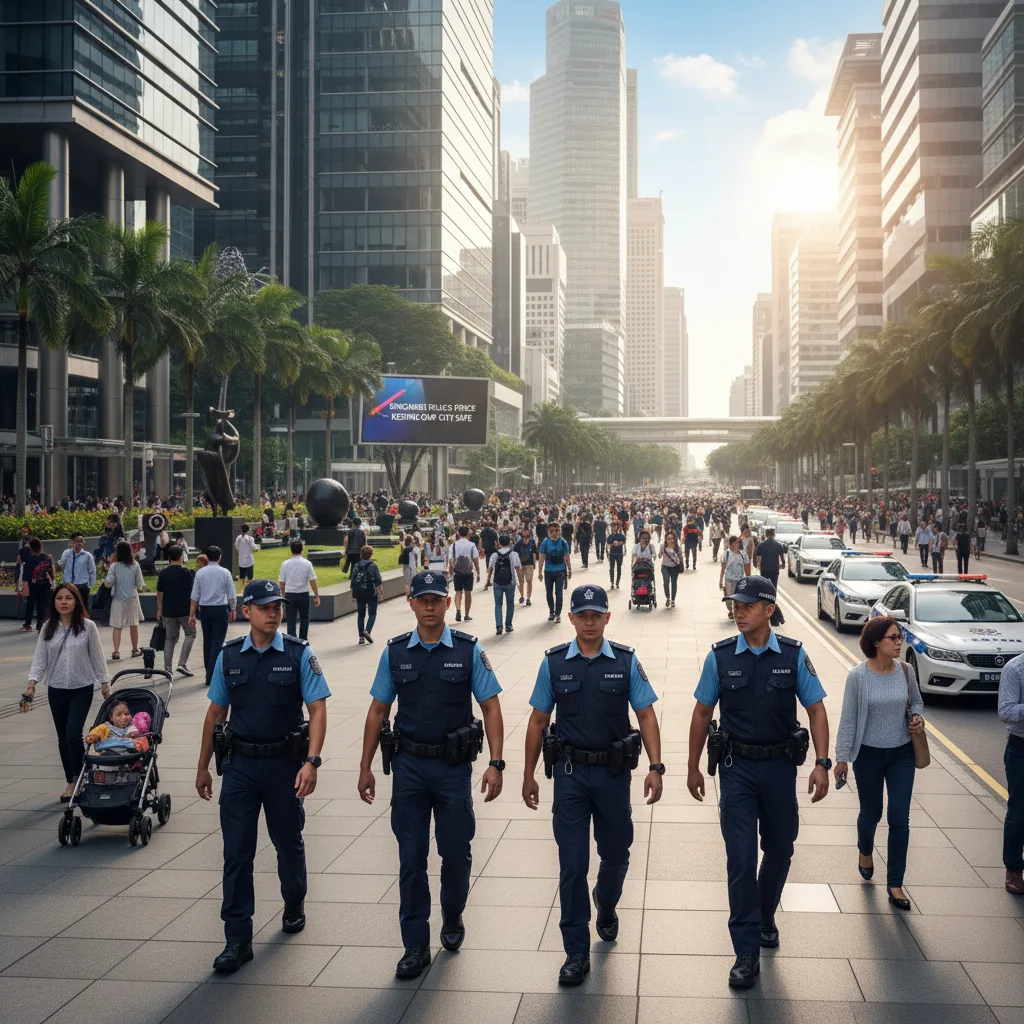
With Singapore’s journey towards self-governance and eventual independence in 1965, the new government recognized that the pervasive influence of secret societies was a direct impediment to nation-building and economic progress. A decisive, zero-tolerance approach was adopted, marking a stark contrast to the earlier colonial ambivalence. This period saw the relentless and highly effective suppression of secret societies, transforming Singapore into one of the safest cities in the world.
The newly independent government, under the leadership of Prime Minister Lee Kuan Yew, prioritized law and order. Stringent legislation, such as the Criminal Law (Temporary Provisions) Act (CLTPA), which allowed for detention without trial in cases involving secret society activities, became a powerful weapon. This controversial but effective law enabled the authorities to swiftly remove key gang leaders and disrupt their networks.
The Criminal Investigation Department (CID), particularly its Special Investigation Section (SIS), spearheaded numerous high-profile operations. Police crackdowns were frequent, systematic, and often brutal. Officers were given extensive powers and resources to infiltrate, dismantle, and prosecute gang members. Operations like “Ferret” and “Nip the Bud” targeted entire organizations, leading to mass arrests and the disruption of illicit revenue streams.
Beyond direct law enforcement, the government also embarked on a comprehensive social engineering strategy. Programs aimed at providing education, employment, and affordable housing (through the Housing Development Board, HDB) significantly reduced the socio-economic vulnerabilities that often pushed youth towards gangs. Creating a meritocratic society with opportunities for all was a long-term solution to diminish the appeal of secret societies. The government also invested heavily in public awareness campaigns, discouraging gang affiliation and promoting civic responsibility.
The Enduring Legacy of Secret Societies in Singapore
Through decades of relentless enforcement and strategic social development, the traditional, powerful secret societies that once held colonial Singapore in their grip have been largely eradicated. Their hierarchical structures, elaborate rituals, and widespread influence are now relics of the past. The days when Triads could openly control trades or instigate massive riots are long gone.
However, the complete disappearance of gang-related activities remains an ongoing challenge. While the grand, organized syndicates are no more, smaller, more fragmented street gangs continue to exist, often comprising disaffected youth. These modern gangs typically engage in petty crimes, drug dealing, loan sharking (known locally as “Ah Long” activities), and occasional acts of violence. Their recruitment methods have also adapted, with social media and online platforms becoming new avenues for attracting members.
The legacy of secret societies in Singapore is multifaceted. On one hand, it serves as a powerful reminder of the nation’s turbulent beginnings and the critical role that strong governance played in establishing peace and stability. The government’s decisive action against these groups is often cited as a cornerstone of Singapore’s success story. On the other hand, the historical narrative of these societies contributes to Singapore’s rich cultural tapestry, inspiring works of fiction, film, and academic research that explore themes of identity, belonging, and survival in a rapidly changing world.
Today, vigilance remains key. The Singapore Police Force continues to monitor and suppress any resurgence of gang activity, emphasizing community engagement and preventative measures alongside robust enforcement. The lessons learned from the history of secret societies in Singapore underscore the importance of social cohesion, economic opportunity, and unwavering commitment to the rule of law in maintaining the city-state’s hard-won peace.
Conclusion
The history of secret societies in Singapore is a compelling narrative of adaptation, conflict, and eventual suppression. From their origins as vital, albeit flawed, mutual aid networks for early Chinese migrants, these societies rapidly evolved into formidable criminal enterprises that challenged the very authority of the colonial government. The era of unchecked Triad power, marked by violent territorial disputes and economic exploitation, represented a significant hurdle to the establishment of law and order in the burgeoning port city.
However, with the dawn of an independent Singapore, a new chapter began. The young nation, under resolute leadership, launched a comprehensive and unwavering campaign to dismantle these clandestine organizations. Through stringent laws, relentless police action, and farsighted social policies aimed at fostering community and opportunity, the government systematically eroded the power and appeal of secret societies. While remnants of gang activity persist in smaller, more fragmented forms, the large-scale, influential syndicates that once dominated the island are now largely confined to the history books. The story of secret societies in Singapore stands as a testament to the nation’s transformative journey from a chaotic colonial outpost to a beacon of stability and prosperity.