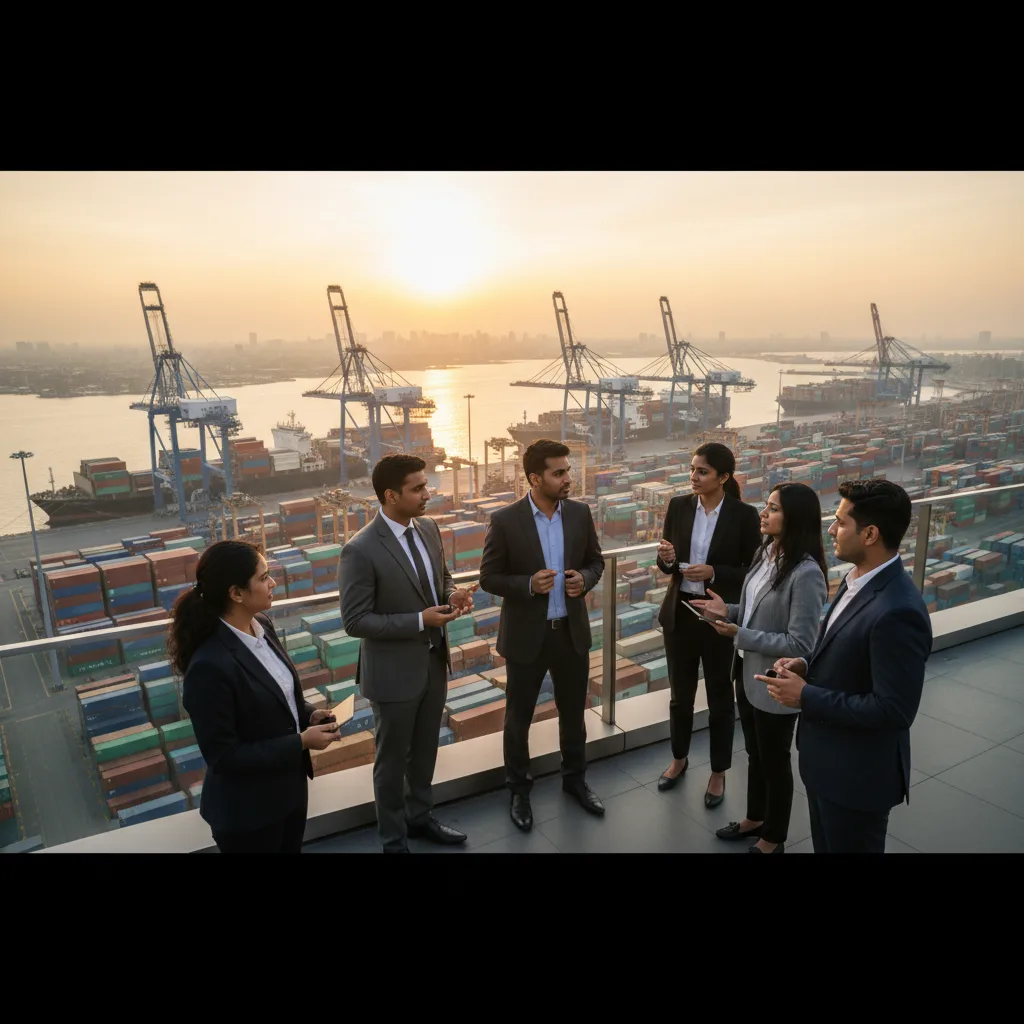
India's Global Trade Future: Opportunities, Challenges, Strategy
Explore the future of India's international trade. This analysis delves into key opportunities, pressing challenges, and strategic imperatives shaping India's role in the global marketplace amidst geopolitical shifts.
Analysing the Future of International Trade of India: Opportunities, Challenges, and Strategic Imperatives
India, often hailed as a rising economic powerhouse, stands at a pivotal juncture in its international trade journey. With a burgeoning economy, a vast consumer base, and a strategic geographic location, the nation is poised to redefine its role in the global marketplace. To analyse the future of international trade of India is to delve into a complex interplay of geopolitical shifts, technological advancements, sustainability mandates, and domestic policy reforms that will collectively shape its trajectory over the coming decades. This comprehensive guide from TrendSeek explores the dynamic landscape awaiting India, dissecting the forces at play, identifying the most promising avenues for growth, and acknowledging the formidable challenges that must be navigated for sustained success.
India’s Evolving Trade Landscape and Global Positioning
Over the past few decades, India has transformed from a relatively closed economy to a significant participant in global trade. Its merchandise exports have shown remarkable resilience, often crossing record highs, while its services sector has emerged as a global leader. Key trading partners include the US, UAE, China, Saudi Arabia, and Singapore, with a diverse basket of exports ranging from petroleum products, pharmaceuticals, and engineering goods to gems and jewellery, textiles, and agricultural products. Imports are dominated by crude oil, electronics, machinery, and chemicals.
India’s growing economic heft and strategic initiatives like the ‘Make in India’ and ‘Atmanirbhar Bharat’ (Self-Reliant India) campaigns are aimed at bolstering domestic manufacturing and reducing import dependence, while simultaneously promoting exports. The country is actively pursuing Free Trade Agreements (FTAs) with key economies like the UK, EU, and Canada, building on recent successes with the UAE and Australia. This proactive approach underscores India’s ambition to integrate more deeply and favorably into global supply chains, moving beyond its traditional role.
Key Drivers Shaping the Future of International Trade of India
Several powerful forces are converging to redefine the contours of global commerce, and India’s trade future will be profoundly influenced by them. Understanding these drivers is crucial to analyse the future of international trade of India effectively.
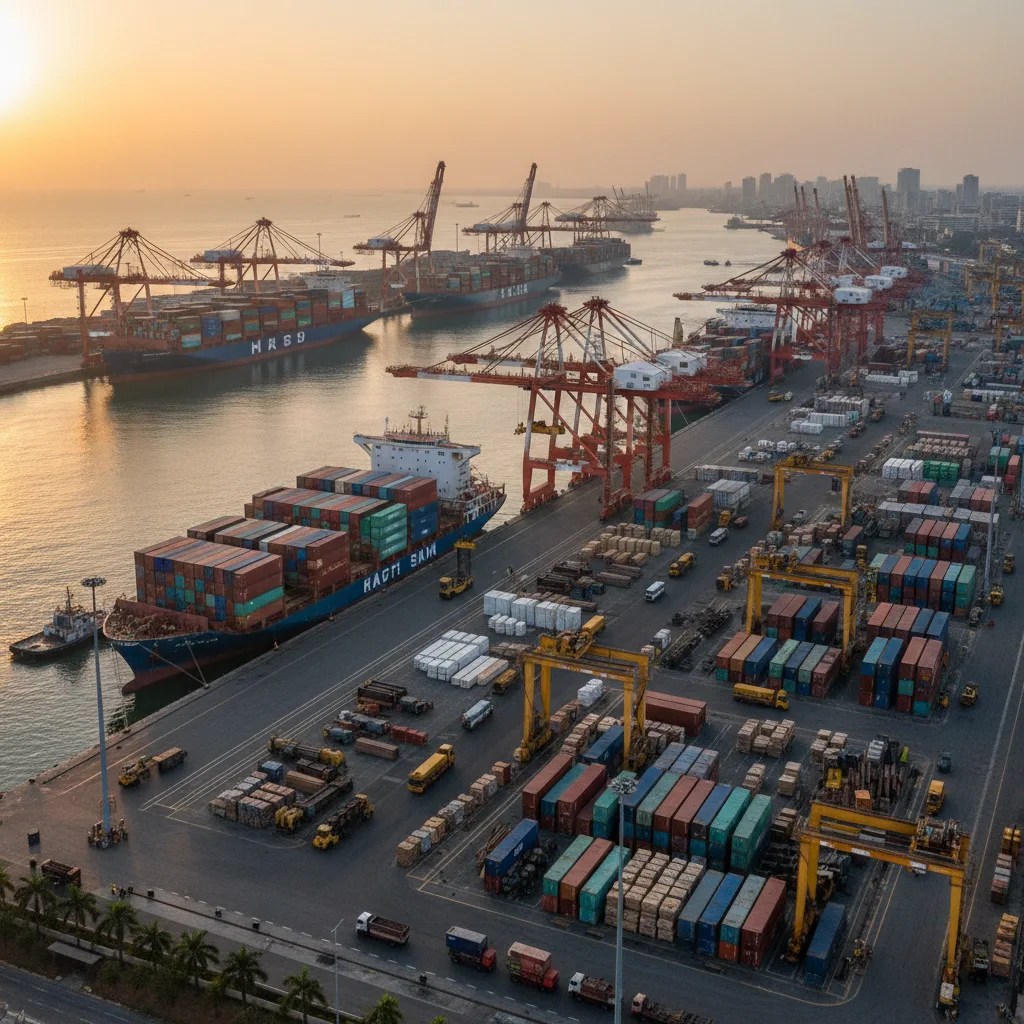
- Geopolitical Realignment and Supply Chain Restructuring: The world is witnessing a shift away from hyper-globalization towards regionalization, friend-shoring, and diversification of supply chains. Geopolitical tensions, as seen in the US-China trade relations or the Russia-Ukraine conflict, compel nations and multinational corporations to de-risk their dependencies. India, with its democratic values and large market, is increasingly viewed as a viable alternative manufacturing hub and a reliable trading partner. This opens doors for India to attract foreign investment and become a critical node in resilient supply networks.
- Technological Revolution and Digital Trade: The rapid advancements in artificial intelligence (AI), blockchain, IoT, and automation are transforming production processes, logistics, and transactional efficiency. E-commerce and digital services are booming, blurring geographical boundaries. India, with its robust IT sector and burgeoning digital public infrastructure (like UPI), is well-positioned to capitalize on the growth of digital trade, exporting not just software and services but also digital solutions and platforms.
- Sustainability and Green Trade Mandates: Environmental, Social, and Governance (ESG) considerations are no longer optional but imperative. Growing consumer and regulatory pressure for sustainable products, carbon neutrality, and circular economy practices will reshape trade patterns. Countries are implementing carbon border adjustment mechanisms and promoting green technologies. India’s commitment to renewable energy and its potential in green manufacturing (e.g., solar panels, electric vehicle components) can become a significant export driver.
- Demographic Dividend and Domestic Demand: India boasts the world’s largest young population, translating into a massive and growing consumer market. While primarily an internal driver, this strong domestic demand base provides a stable foundation for industries to scale up before venturing into export markets. It also makes India an attractive destination for foreign direct investment (FDI) aimed at catering to this market, which can indirectly boost export capabilities.
- Government Policy and Economic Reforms: The Indian government’s continued focus on economic liberalization, infrastructure development (e.g., Gati Shakti National Master Plan), and specific sectoral incentives (like Production-Linked Incentive or PLI schemes) are designed to enhance competitiveness. These policies aim to reduce logistics costs, improve ease of doing business, and foster manufacturing growth in key sectors such as electronics, pharmaceuticals, and automotive.
Emerging Opportunities for India in Global Trade
Leveraging these drivers, India is poised to unlock significant opportunities across various sectors:
- Services Export Powerhouse: India’s dominance in IT and IT-enabled services (ITES) is well-established. Beyond traditional software services, there’s immense potential in emerging areas like cybersecurity, data analytics, AI development, and cloud services. Furthermore, healthcare (medical tourism, telemedicine), education services, and financial services are ripe for global expansion, leveraging India’s skilled workforce and cost-effectiveness.
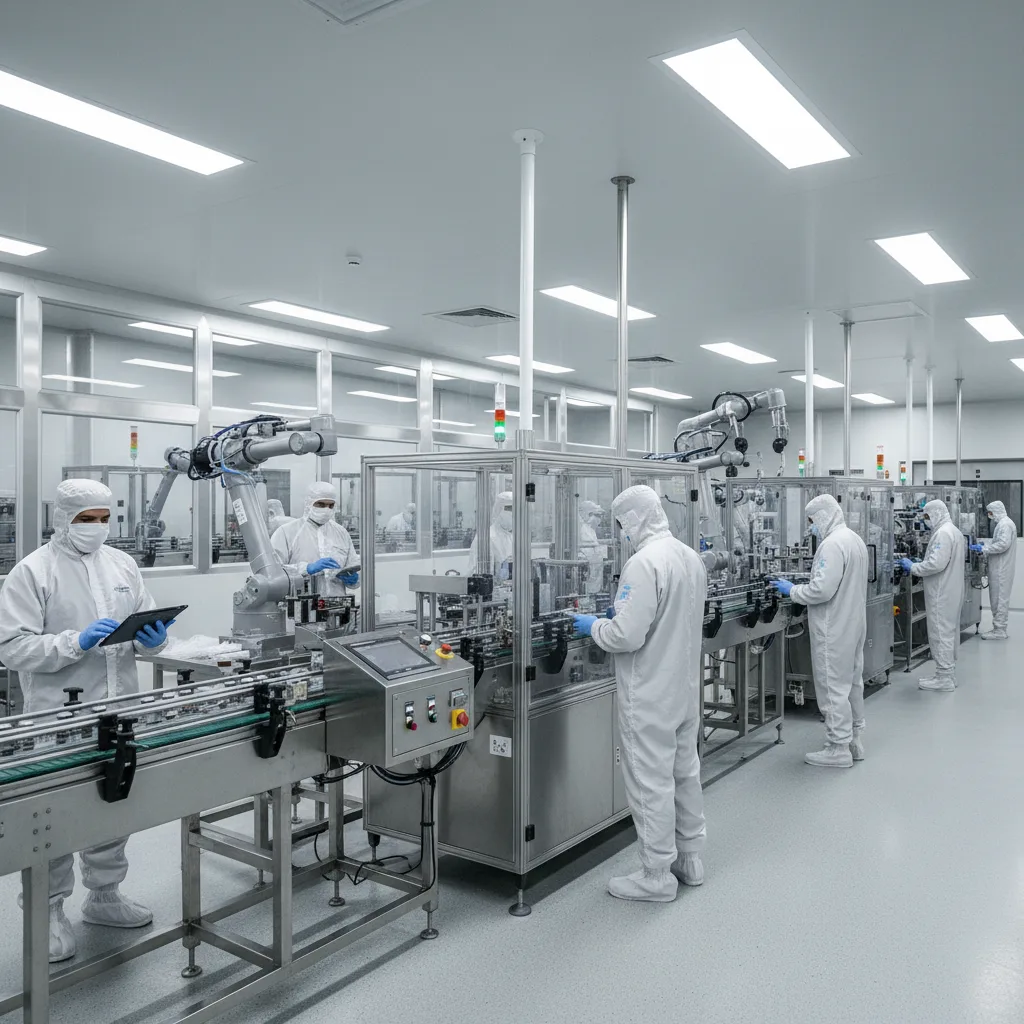
- Manufacturing Resilience and Diversification: PLI schemes are already attracting significant investments in electronics manufacturing, pharmaceuticals, and automotive components. India can become a reliable alternative manufacturing hub for sectors looking to diversify away from China. Focus on high-value-added manufacturing, precision engineering, and advanced materials will be crucial. For instance, India’s pharmaceutical industry, often called the “pharmacy of the world,” is set to expand its global footprint further, especially in biosimilars and active pharmaceutical ingredients (APIs).
- Agricultural and Food Processing Exports: With its diverse agro-climatic zones, India can become a major exporter of processed foods, organic produce, and value-added agricultural products. Global food security concerns and increasing demand for specific food items (e.g., spices, basmati rice, tropical fruits) offer significant opportunities. Investing in cold chain logistics and food processing infrastructure will be key to tapping this potential.
- Green Economy and Renewable Energy Exports: As the world transitions to a green economy, India’s ambitious renewable energy targets position it as a potential exporter of green technologies, components (e.g., solar cells, wind turbine parts), and expertise. The focus on electric vehicles (EVs) also creates opportunities for exporting EV components and batteries.
- Digital Public Infrastructure as an Export Model: India’s successful implementation of Digital Public Infrastructure (DPI) like the Unified Payments Interface (UPI) and the Open Network for Digital Commerce (ONDC) demonstrates its capability in creating scalable digital solutions. These models can be exported to other developing nations, establishing India as a leader in digital transformation for global good.
Navigating the Challenges and Risks in India’s International Trade Future
While opportunities abound, India must also contend with significant challenges to ensure a robust and sustainable trade future. These challenges are integral to any comprehensive analysis of the future of international trade of India.
- Global Economic Slowdown and Protectionism: Persistent inflationary pressures, interest rate hikes, and geopolitical uncertainties could lead to a global economic slowdown, impacting demand for Indian exports. Rising protectionist tendencies in major economies could also result in trade barriers and reduced market access.
- Supply Chain Vulnerabilities: Despite efforts to diversify, India remains reliant on certain critical imports, particularly from China, for inputs like active pharmaceutical ingredients (APIs), electronic components, and rare earth minerals. Disruptions in these supply chains, as experienced during the COVID-19 pandemic or due to geopolitical tensions, can severely impact domestic production and export capabilities.
- Infrastructure Gaps and Logistics Costs: While improving, India’s logistics costs remain higher than global benchmarks. Inadequate last-mile connectivity, port congestion, and a lack of integrated multi-modal transport infrastructure can hinder timely and cost-effective delivery of goods, reducing export competitiveness. The World Bank’s Logistics Performance Index still highlights areas for improvement.
- Skill Gap and Innovation Deficit: To move up the value chain in manufacturing and services, India needs a workforce equipped with advanced skills in areas like AI, robotics, advanced manufacturing, and sustainable technologies. A significant skill gap persists, and investment in R&D and innovation needs to accelerate to foster indigenous technological development and maintain a competitive edge.
- Geopolitical Tensions and Trade Wars: Escalating tensions in critical regions (e.g., South China Sea, Red Sea) can disrupt shipping routes, increase freight costs, and impact global trade flows. India, as a major trading nation, is vulnerable to such external shocks. Navigating complex geopolitical relationships while safeguarding trade interests will be a continuous challenge.
- Climate Change Impact: Extreme weather events, water scarcity, and rising sea levels can directly impact agricultural output, disrupt supply chains, and damage coastal infrastructure, all of which have direct implications for international trade. Compliance with evolving global environmental standards also presents a challenge, particularly for carbon-intensive industries.
Strategic Imperatives for India to Thrive
To effectively analyse the future of international trade of India and secure its position as a global trading power, several strategic imperatives must be prioritized:
- Deepen and Diversify FTA Engagements: India must strategically pursue and conclude comprehensive FTAs with key economies and blocs (e.g., EU, UK, Canada, GCC) to gain preferential market access and integrate into global value chains. Simultaneously, it must diversify its export markets to reduce reliance on a few regions.
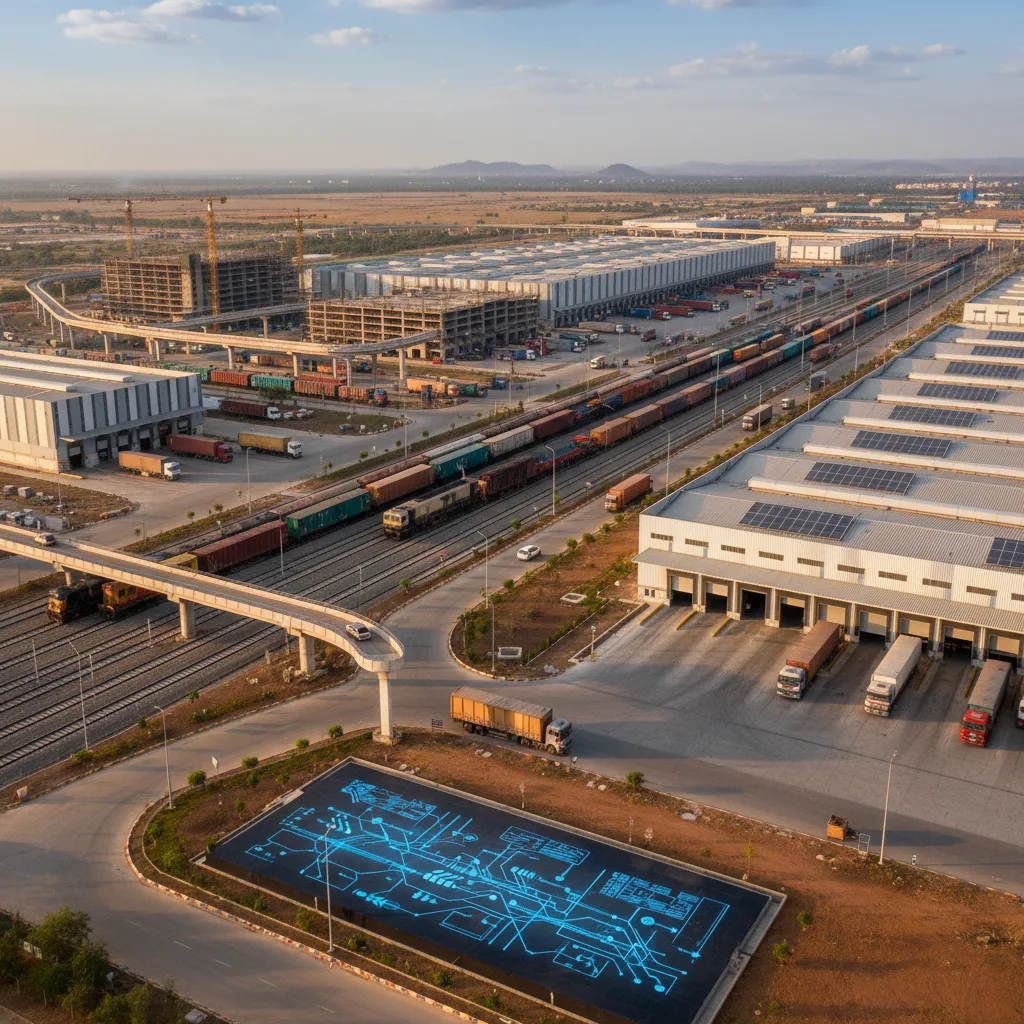
- Invest Heavily in Next-Gen Infrastructure: Accelerated development of world-class physical and digital infrastructure is paramount. This includes modern ports, multimodal logistics parks, high-speed rail freight corridors, and robust digital connectivity to reduce logistics costs and improve efficiency. The Gati Shakti initiative is a crucial step in this direction.
- Foster Innovation and Skill Development: A sustained focus on R&D, innovation ecosystems, and skilling/reskilling programs is essential. Investing in advanced manufacturing technologies, AI, data science, and green skills will create a future-ready workforce capable of driving high-value exports.
- Promote Digital Trade and Cross-Border E-commerce: Facilitating seamless cross-border digital transactions, streamlining customs procedures for e-commerce, and protecting data privacy will unlock the immense potential of digital trade for SMEs and startups.
- Strengthen Supply Chain Resilience: Strategies include promoting domestic manufacturing of critical components, diversifying sourcing countries, and building strategic reserves. Incentivizing ‘Make in India for the World’ in key sectors will reduce import dependencies and boost export capabilities.
- Embrace Green Trade and Sustainable Practices: Proactively adopting sustainable manufacturing processes, developing green products, and adhering to international environmental standards will not only ensure compliance but also open up new markets and enhance brand India’s reputation.
- Enhance Trade Facilitation: Continuous efforts to simplify customs procedures, reduce bureaucratic hurdles, and improve the ease of doing business will attract more foreign investment and boost trade efficiency.
The Road Ahead: India’s Vision for 2047 and Beyond
India’s ambition to become a developed nation by 2047, coinciding with 100 years of independence, places international trade at the heart of its economic strategy. A thriving trade sector will be instrumental in achieving a $5 trillion economy and beyond, creating jobs, fostering innovation, and integrating India more deeply into the global economic fabric. By proactively addressing challenges and strategically capitalizing on emerging opportunities, India can solidify its position as a responsible, resilient, and indispensable global trading partner. The journey will be complex, but with foresight and concerted effort, India’s future in international trade looks profoundly promising.
Conclusion
The future of international trade of India is characterized by immense potential, tempered by significant global and domestic challenges. The nation stands at an inflection point, with geopolitical shifts, technological advancements, and sustainability mandates reshaping global commerce. Opportunities abound in services exports, diversified manufacturing, the green economy, and digital trade. However, navigating global economic headwinds, strengthening supply chain resilience, bridging infrastructure gaps, and enhancing skills will be critical. By prioritizing strategic imperatives such as deeper FTA engagements, investing in infrastructure and innovation, and embracing sustainable practices, India can not only mitigate risks but also firmly establish itself as a leading player in the global trading arena, driving economic growth and prosperity for its vast population.