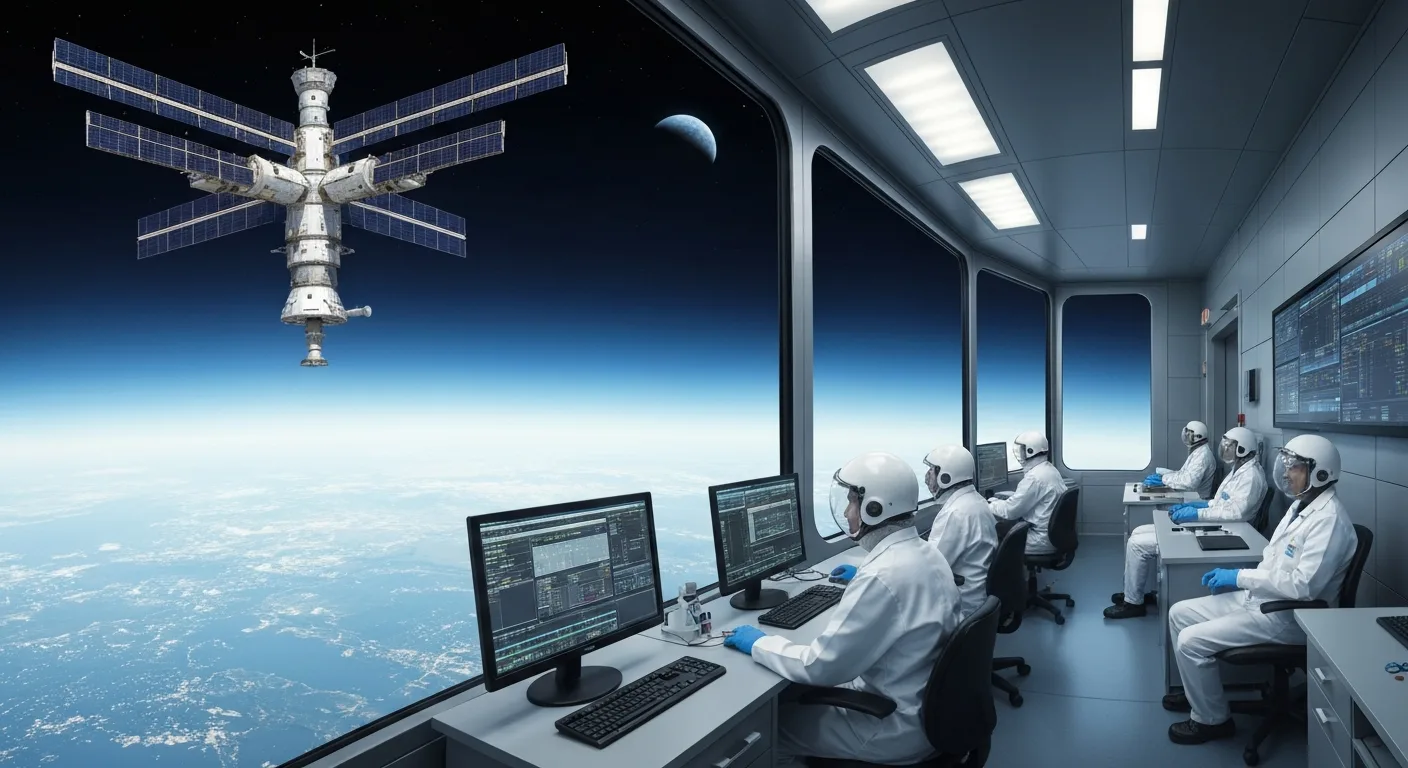
India's Space Future: Private Firms Challenge ISRO's 2023 Feat
After ISRO's Chandrayaan-3 soft landing on the Moon in 2023, India's private space sector is rapidly expanding, promising a new era of innovation.
India’s Space Leap: A New Era of Private Ambition
For decades, the Indian Space Research Organisation (ISRO) dominated India’s space program. It was known for its incredible cost-efficiency. They launched the Mars Orbiter Mission for less than a Hollywood blockbuster. In 2023, Chandrayaan-3 achieved a soft landing on the Moon. These were monumental achievements for a government agency.
Alongside ISRO’s public successes, the private sector has begun to grow with surprising speed and ambition. Though government statements hinted at private participation, many expected a slow, bureaucratic rollout.
The numbers confirm this shift. In 2020, India’s space economy was worth about $9.6 billion. A 2023 report by the Indian Space Association (ISPA) and EY projects a surge. It could hit $13 billion by 2025. This is not just organic growth. This jump shows a deliberate, aggressive push for private involvement.
The government has truly opened the doors for private participation. This shift is not just about buying services from private firms. Private companies are now building rockets, launching satellites, and even planning their own missions.
The Quiet Transformation in India’s Orbit
India’s space journey began in 1969 with ISRO’s founding. Vikram Sarabhai, the father of India’s space program, saw space technology as a tool for national development. Early efforts focused on satellite communication and remote sensing. These helped agriculture and weather forecasting.
ISRO built its name on frugal engineering and self-reliance. Its first satellite, Aryabhata, launched in 1975 via a Soviet rocket. In 1980, the organization hit a major milestone. It launched the Rohini satellite, built right here. This made India one of the few nations able to launch independently into orbit.
For decades, ISRO was a virtual monopoly in India’s space sector. It developed launch vehicles like the Polar Satellite Launch Vehicle (PSLV) and Geosynchronous Satellite Launch Vehicle (GSLV). These rockets have launched hundreds of satellites for India and other countries. Their 2008 Chandrayaan-1 Moon mission famously found water molecules on the lunar surface.
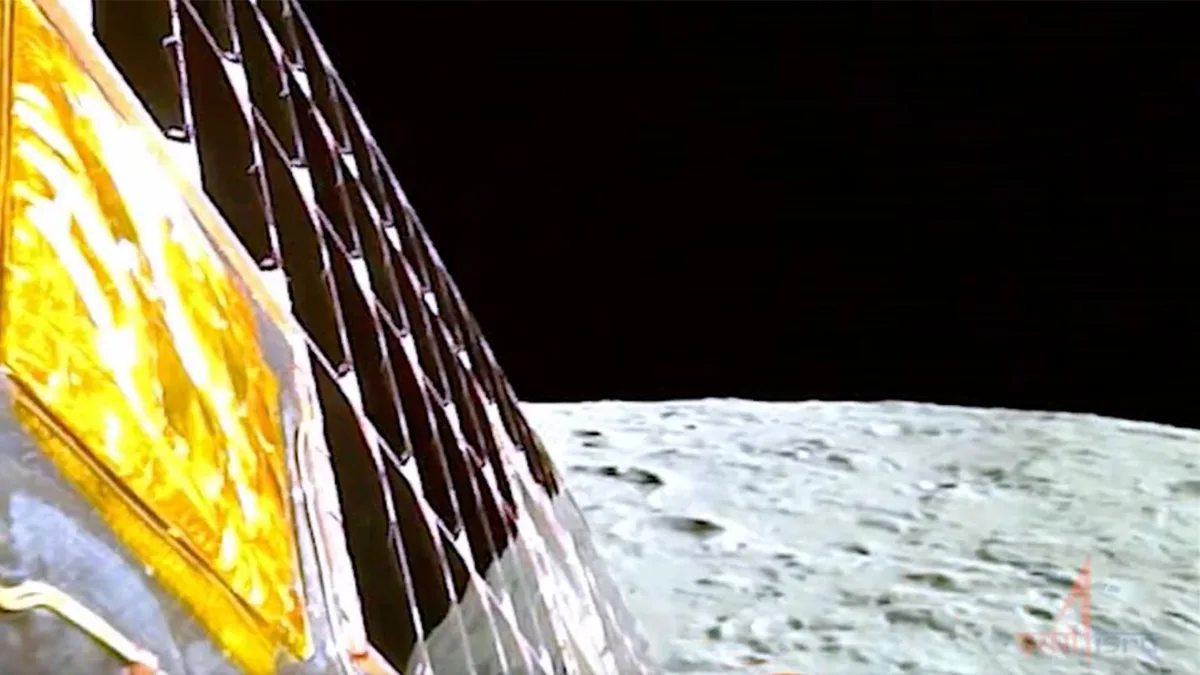
India's Chandrayaan-3 mission successfully achieved a soft landing near the Moon's south pole in August 2023, making India the fourth nation to land on the Moon and the first to reach this unexplored polar region. (Source: cnn.com)
Then, in 2020, a fundamental policy shift happened. The Indian government announced sweeping “space reforms.” These aimed to encourage private sector participation. This created the Indian National Space Promotion and Authorization Centre (IN-SPACe). IN-SPACe is a single-window agency. It guides, promotes, and authorizes private space activities.
From State Monopoly to Private Launchpads
The government’s 2020 space reforms significantly altered the sector. IN-SPACe is not just a regulatory body. It also shares ISRO’s facilities and expertise with private companies. This dramatically lowered the barrier for new startups. ISRO Chairman S. Somanath publicly stated ISRO’s role is shifting. It is moving towards R&D and human spaceflight. Private firms will handle operational launches.
This policy change quickly fostered a strong community of private space companies. Skyroot Aerospace, based in Hyderabad, became the first Indian private company to launch a rocket into space. Their Vikram-S suborbital rocket lifted off successfully from ISRO’s Sriharikota launchpad in November 2022. This demonstrated the new private access model.
Agnikul Cosmos, a Chennai-based startup, is another key player. They are developing their own launch vehicle, Agnibaan. It is designed for small satellite deployment. Agnikul plans to launch from a private launchpad within ISRO’s premises. This shows the collaborative model in action. They focus on highly customizable, on-demand launches.
These new companies show significant ambition. Dhruva Space, for example, makes satellite platforms and orbital deployers. They have already launched their own payloads. They are also actively building satellite constellations. Pixxel, another startup, is building a constellation of hyperspectral imaging satellites. These will provide highly detailed Earth observation data for many uses.
The sector is not just about rockets and satellites anymore. Bellatrix Aerospace, based in Bengaluru, innovates in propulsion systems and orbital transfer vehicles. They are developing technologies like electric propulsion and in-space tugs. These advancements are vital for sustained activities in Earth orbit and beyond.
Ambitions Beyond Earth: Human Flight and Deep Space
India is planning ambitious missions beyond Earth orbit. ISRO’s Gaganyaan program aims to send Indian astronauts into space. They will use an indigenous spacecraft. This mission marks a significant technological leap for the nation. It will show India’s capability for human spaceflight. Only a few countries have achieved this feat.
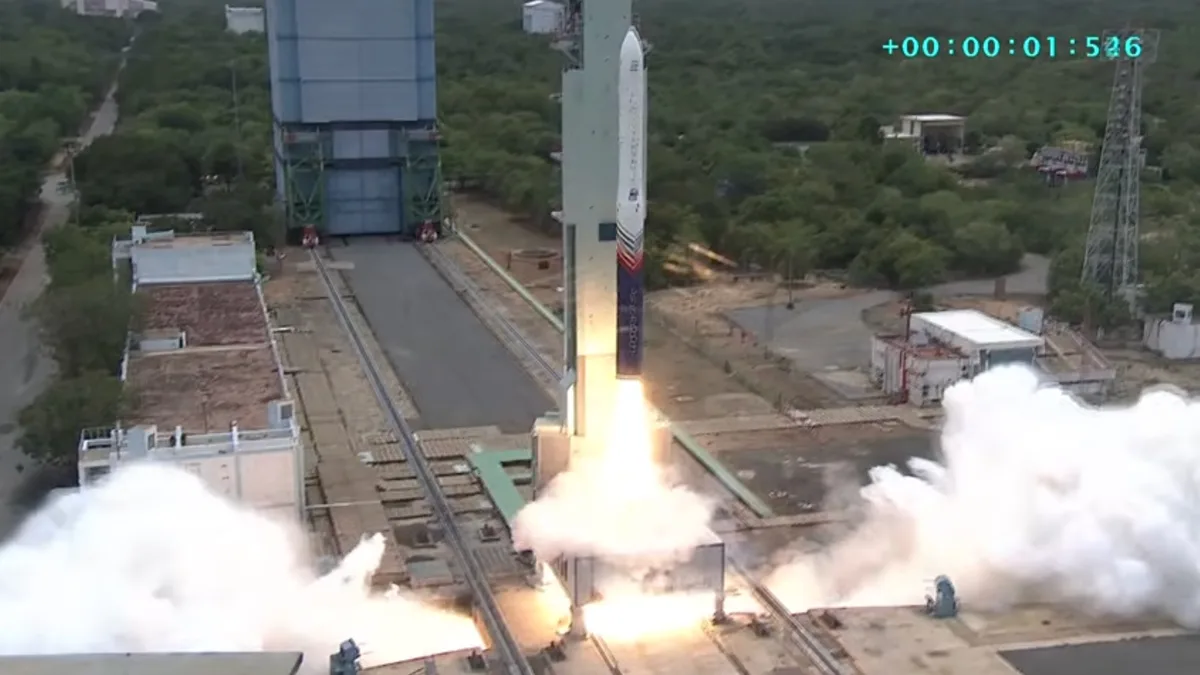
Skyroot Aerospace's Vikram-S, India's first privately developed rocket, successfully launched from ISRO's Sriharikota launchpad in November 2022, marking a pivotal moment for the nation's burgeoning private space sector. (Source: space.com)
The first uncrewed test flight of the Gaganyaan vehicle, TV-D1, launched successfully in October 2023. This important test validated the crew module’s escape system and parachute deployment. The full mission plans to send a three-person crew to a 400 km orbit. They will spend three days there. ISRO officials expect this by 2025.
Beyond low Earth orbit, India looks to deep space exploration. The Chandrayaan program already provided significant scientific data from the Moon. After Chandrayaan-3’s success, ISRO is planning LUPEX. This joint lunar polar exploration mission is with Japan’s JAXA. This mission will explore the Moon’s south pole. That region holds high scientific interest.
Another ambitious plan is Shukrayaan-1. It is India’s proposed mission to Venus. This orbiter mission will study Venus’s atmosphere and surface. It demonstrates India’s growing confidence in interplanetary exploration. These deep space ventures make India a serious contributor to global space science.
Plans also exist for an Indian space station, called the Bharatiya Antariksh Station. This modular station would support humans living in space for long periods. It is still in early conceptual stages. Though still in early conceptual stages, it shows a long-term vision for sustained human activities. It highlights India’s commitment to becoming a major space power.
India’s Space Future: Opportunities and Obstacles
The opening of India’s space sector creates significant economic opportunities. The EY-ISPA report from 2023 highlights potential for space manufacturing and satellite services. It projects many new jobs across high-tech industries. This diversification will make India more competitive in the global space market.
India’s cost-effectiveness is still a powerful advantage. This attracts international clients who want affordable launch services. NewSpace India Limited (NSIL), ISRO’s commercial arm, has already launched satellites for many countries. Private Indian launchers could drive down costs globally.
Globally, the space economy grows fast. Constellations, Earth observation, and space tourism drive this. India’s reforms align with this global trend towards commercialization. It positions India to capture a larger share of the expanding market. This also strengthens its strategic independence in space.
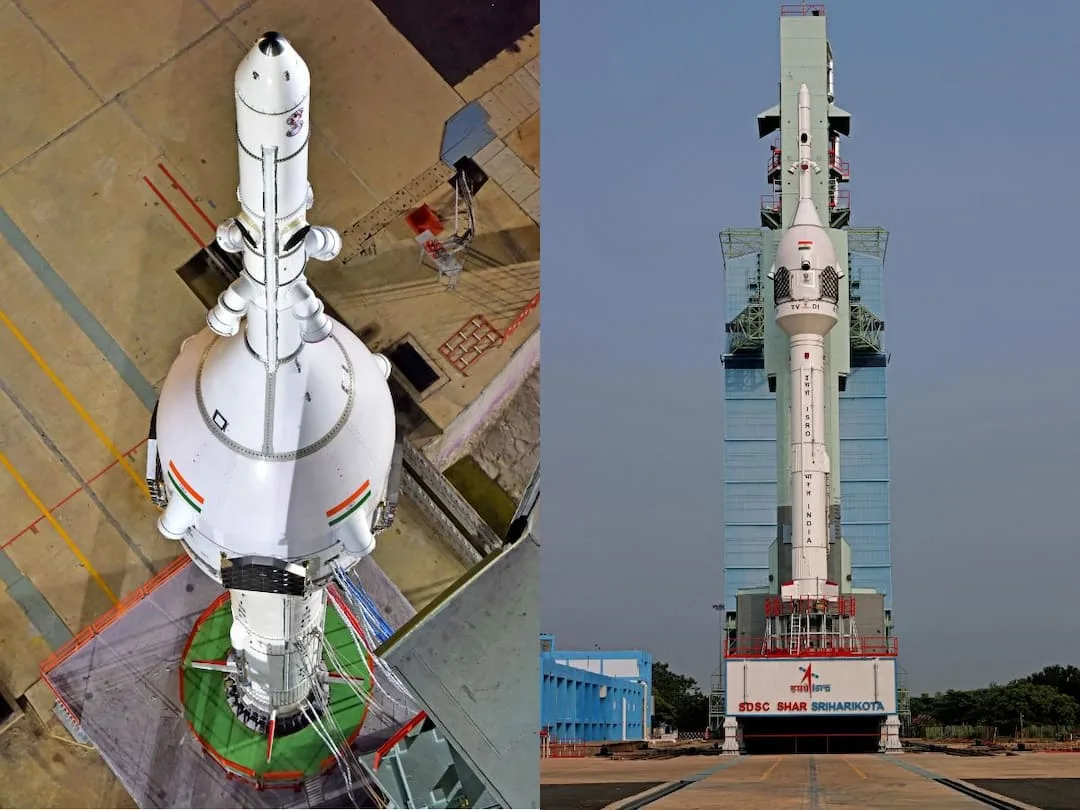
The Gaganyaan TV-D1 test flight successfully launched in October 2023, validating the crew module's escape system and parachute deployment. This crucial uncrewed mission is a significant step towards India's goal of sending a three-person crew to orbit by 2025. (Source: news.abplive.com)
Challenges persist. Access to capital remains a hurdle for many private startups. Government support is increasing. Large-scale space infrastructure, however, needs enormous investment. Funding mechanisms need to mature to sustain rapid growth. Regulatory clarity and ease of doing business are also vital.
The global space market is highly competitive. Established players and new entrants compete worldwide. India must handle geopolitical complexities and secure its intellectual property. Keeping skilled talent is another concern. Demand for space engineers and scientists grows internationally. Despite these obstacles, India’s space program has undeniable momentum. Its future looks dynamic and privately driven.
India is actively building its space future, with increasing private sector involvement. This shift marks India’s growing role as a major space power.
FAQ
Q: What is IN-SPACe? A: IN-SPACe, the Indian National Space Promotion and Authorization Centre, is a government agency. It acts as a single point to promote, guide, and authorize private space activities in India.
Q: What is the Gaganyaan mission? A: Gaganyaan is India’s human spaceflight program. It aims to send Indian astronauts into Earth orbit for a multi-day mission, using an indigenous spacecraft.
Q: How is India supporting private space companies? A: India supports private space companies through policy reforms and access to ISRO facilities. IN-SPACe also provides regulatory assistance. The government encourages private innovation and investment.
Q: What are India’s deep space plans? A: India plans more lunar exploration with the LUPEX mission, a collaboration with Japan. It also has an upcoming orbiter mission to Venus, Shukrayaan-1, to study its atmosphere and surface.
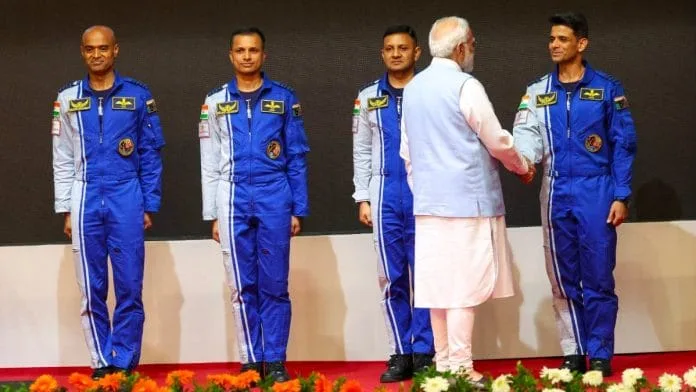
The first batch of four Indian Air Force test pilots were selected as astronaut candidates for the Gaganyaan mission, undergoing extensive training in Russia and India for India's historic human spaceflight program. (Source: theprint.in)
You might also like:
👉 Why 1960s Rocket Tech Won’t Get Us to Mars Fast Enough