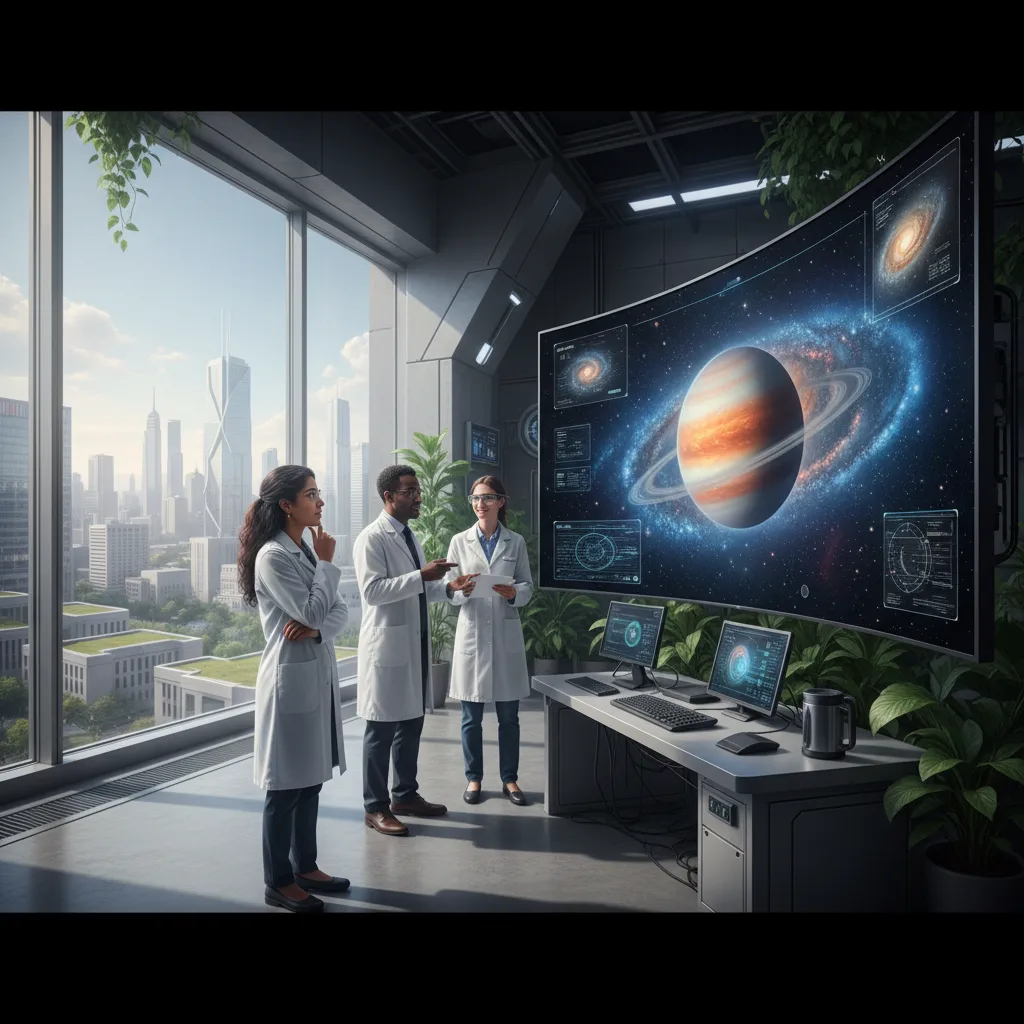
Latest Discoveries in Space Exploration: Unveiling the Cosmos
Explore the cutting-edge breakthroughs in space exploration, from distant exoplanets to cosmic phenomena. Discover how new technologies are redefining our understanding of the universe and humanity's place within it.
Unveiling the Cosmos: The Latest Discoveries in Space Exploration
Humanity’s gaze has always been drawn skyward, a silent testament to our innate curiosity about the universe. From ancient astronomers charting constellations to modern scientists peering into the very edge of time, the quest for knowledge beyond our blue planet is a defining characteristic of our species. Today, we stand at the precipice of a new golden age, witnessing the latest discoveries in space exploration redefine our understanding of the cosmos, from the smallest microbial possibilities on distant moons to the grandest structures of the early universe. At TrendSeek, we delve into these groundbreaking revelations, exploring how cutting-edge technology and relentless scientific inquiry are reshaping our cosmic perspective.
In the past few years, a confluence of advanced telescopes, ambitious probes, and burgeoning commercial space ventures has accelerated the pace of discovery to an unprecedented degree. We are not merely observing; we are actively exploring, touching, and analyzing, bringing the universe closer than ever before. This guide will take you on a journey through the most significant and exciting recent findings, showcasing the incredible progress being made across various frontiers of space exploration.
Exoplanets: Charting New Worlds and the Search for Life Beyond Earth
Perhaps no field has captured the public imagination quite like the hunt for exoplanets – planets orbiting stars other than our Sun. With over 5,500 confirmed exoplanets to date, we now know that planets are not rare, but ubiquitous. The focus has shifted from mere detection to detailed characterization, especially in the search for potentially habitable worlds.
The James Webb Space Telescope (JWST) has revolutionized this pursuit, offering unparalleled insights into exoplanet atmospheres. Its infrared capabilities allow scientists to analyze the chemical compositions of these distant worlds, searching for tell-tale signs of life, known as biosignatures. One of the most talked-about targets has been K2-18b, a “hycean” (hydrogen-rich, ocean-covered) exoplanet roughly 8.6 times the mass of Earth. JWST data has revealed the presence of methane and carbon dioxide in its atmosphere, along with a possible detection of dimethyl sulfide (DMS) – a molecule on Earth exclusively produced by biological processes, most notably by phytoplankton in our oceans. While not definitive proof of life, this discovery is incredibly tantalizing and highlights JWST’s power to probe such profound questions.
Beyond K2-18b, the Transiting Exoplanet Survey Satellite (TESS) continues its wide-field survey, identifying thousands of new exoplanet candidates. Many of these are super-Earths or mini-Neptunes, a class of planet not found in our solar system, challenging our assumptions about planetary formation. Systems like TRAPPIST-1, with its seven Earth-sized planets, three of which reside in the habitable zone, remain prime targets for future detailed study, promising to reveal more about the diversity and potential habitability of worlds beyond our own. These latest discoveries in space exploration are not just adding numbers to a catalog; they are fundamentally altering our understanding of where and how life might arise in the universe.
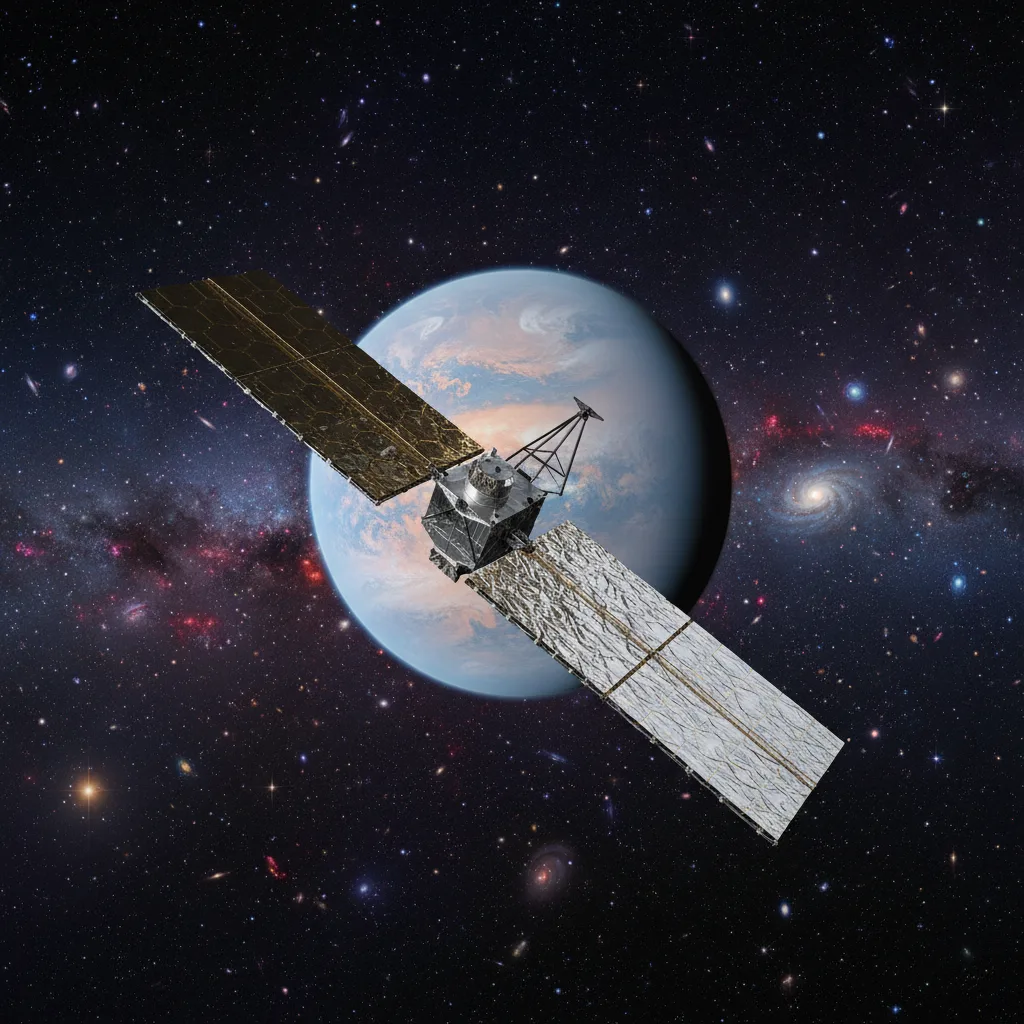
Within Our Cosmic Backyard: Recent Discoveries in the Solar System
Our own solar system continues to yield astonishing secrets, thanks to a fleet of sophisticated robotic explorers. Mars, in particular, remains a focal point in the search for past or present life.
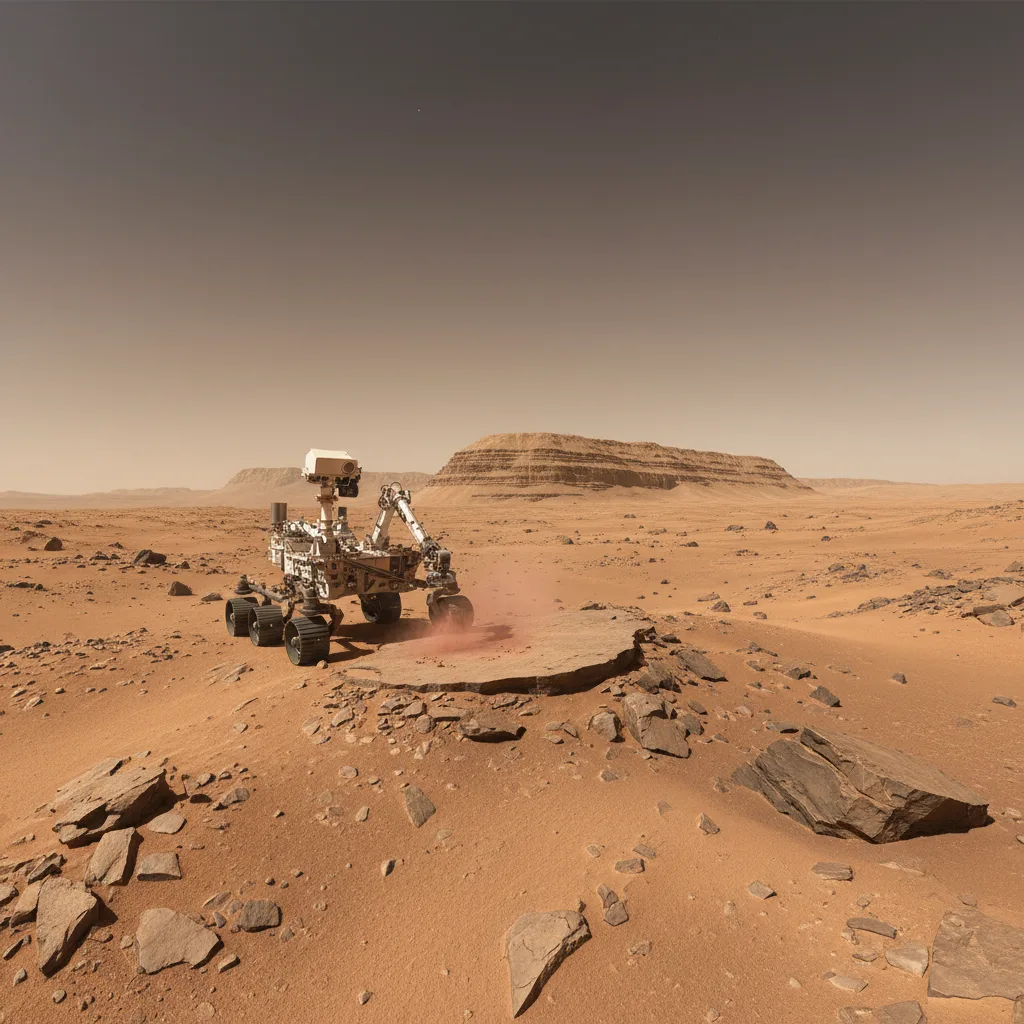
The Perseverance rover, which landed in Jezero Crater in February 2021, has been a trailblazer. Its primary mission is to seek signs of ancient microbial life and collect rock and regolith samples for eventual return to Earth. Perseverance has confirmed that Jezero Crater was once a lake, fed by an ancient river, providing a potentially habitable environment billions of years ago. The rover has successfully cored and sealed dozens of samples, marking a critical step towards the ambitious Mars Sample Return campaign. Accompanying Perseverance, the Ingenuity helicopter made history by achieving the first powered, controlled flight on another planet, proving the viability of aerial exploration on Mars and paving the way for future drone missions.
Beyond Mars, the icy moons of Jupiter and Saturn are increasingly seen as prime candidates for harboring subsurface oceans and, potentially, life. Jupiter’s moon Europa, believed to conceal a vast saltwater ocean beneath its icy shell, is the target of NASA’s upcoming Europa Clipper mission. Scheduled for launch in 2024, Clipper will conduct detailed reconnaissance, flying past Europa nearly 50 times to investigate its ocean, ice shell, and potential plumes of water vapor. Similarly, ESA’s Jupiter Icy Moons Explorer (JUICE), launched in April 2023, is en route to study Ganymede, Callisto, and Europa, focusing on the habitability of their ocean worlds.
Saturn’s moon Enceladus continues to intrigue. Data from the Cassini mission, which concluded in 2017, revealed plumes of water vapor and organic molecules erupting from its south pole, originating from a subsurface ocean warmed by hydrothermal vents. These conditions are strikingly similar to deep-sea hydrothermal vents on Earth, which teem with life. While no dedicated mission to Enceladus is currently funded, its potential for life makes it one of the most compelling targets for future exploration. These recent discoveries in the solar system underscore the incredible diversity and potential for life right here in our cosmic neighborhood.
Peering Deeper: Latest Discoveries in the Distant Universe
The JWST isn’t just revolutionizing exoplanet science; it’s also rewriting the history of the universe. By observing in infrared light, JWST can peer back in time to the very early universe, detecting light from galaxies that formed just a few hundred million years after the Big Bang.
Among the most breathtaking latest discoveries in space exploration from JWST are observations of incredibly distant and surprisingly mature galaxies. The JADES program (JWST Advanced Deep Extragalactic Survey) has identified galaxies like JADES-GS-z13-0, observed just 320 million years after the Big Bang. These galaxies appear far more massive and complex than theoretical models predicted for such an early epoch, challenging existing cosmological models of galaxy formation and evolution. This suggests that stars and galaxies began forming much earlier and more rapidly than previously thought, pushing back the cosmic dawn.
Beyond galaxies, the detection of gravitational waves continues to open a new window into the most extreme phenomena in the universe. The LIGO-Virgo-KAGRA (LVK) collaboration regularly announces new detections of merging black holes and neutron stars, providing unprecedented insights into stellar evolution, the formation of heavy elements, and the nature of gravity itself. Most recently, a major breakthrough came from Pulsar Timing Arrays (PTAs) like NANOGrav, the European Pulsar Timing Array (EPTA), and others. These collaborations announced compelling evidence for a gravitational wave background – a persistent hum of gravitational waves permeating the universe, likely originating from the mergers of supermassive black holes at the centers of colliding galaxies. This discovery marks the dawn of low-frequency gravitational wave astronomy, promising to unveil the dynamics of the universe on its grandest scales.
The Future is Now: Technological Breakthroughs Powering Space Exploration
The incredible pace of discovery is inextricably linked to monumental advancements in space technology. From next-generation telescopes to innovative propulsion systems and the rise of commercial space, these breakthroughs are not just enabling exploration; they are fundamentally changing how we approach it.
The James Webb Space Telescope itself is a testament to technological prowess, with its segmented mirror, tennis-court-sized sunshield, and cryogenic instruments. Its successful deployment and operation, years after its launch, represent a triumph of engineering that now serves as the preeminent tool for astronomical discovery.
In propulsion, while traditional chemical rockets remain dominant, research into more efficient and faster travel continues. Ion propulsion is already used in missions like NASA’s Dawn spacecraft, and future concepts like nuclear thermal propulsion are being actively developed for their potential to drastically cut travel times to Mars and beyond.
Perhaps the most significant shift comes from the commercial sector. Companies like SpaceX have not only driven down launch costs with reusable rockets like the Falcon 9 but are also developing the Starship system. Starship, designed to be fully reusable and capable of carrying over 100 metric tons to orbit, promises to revolutionize deep-space travel, enabling large-scale human missions to the Moon and Mars. Blue Origin and Rocket Lab are also making significant strides, diversifying access to space and fostering innovation. The rise of private space stations, such as those planned by Axiom Space and Starlab, points towards a future where humanity’s permanent presence beyond Earth orbit becomes a reality.
Human Endeavor and the Next Giant Leaps
While robotic probes spearhead scientific discovery, human exploration remains a powerful driver of innovation and inspiration. NASA’s Artemis Program is leading humanity’s return to the Moon, with the ultimate goal of establishing a sustainable lunar presence as a stepping stone to Mars.
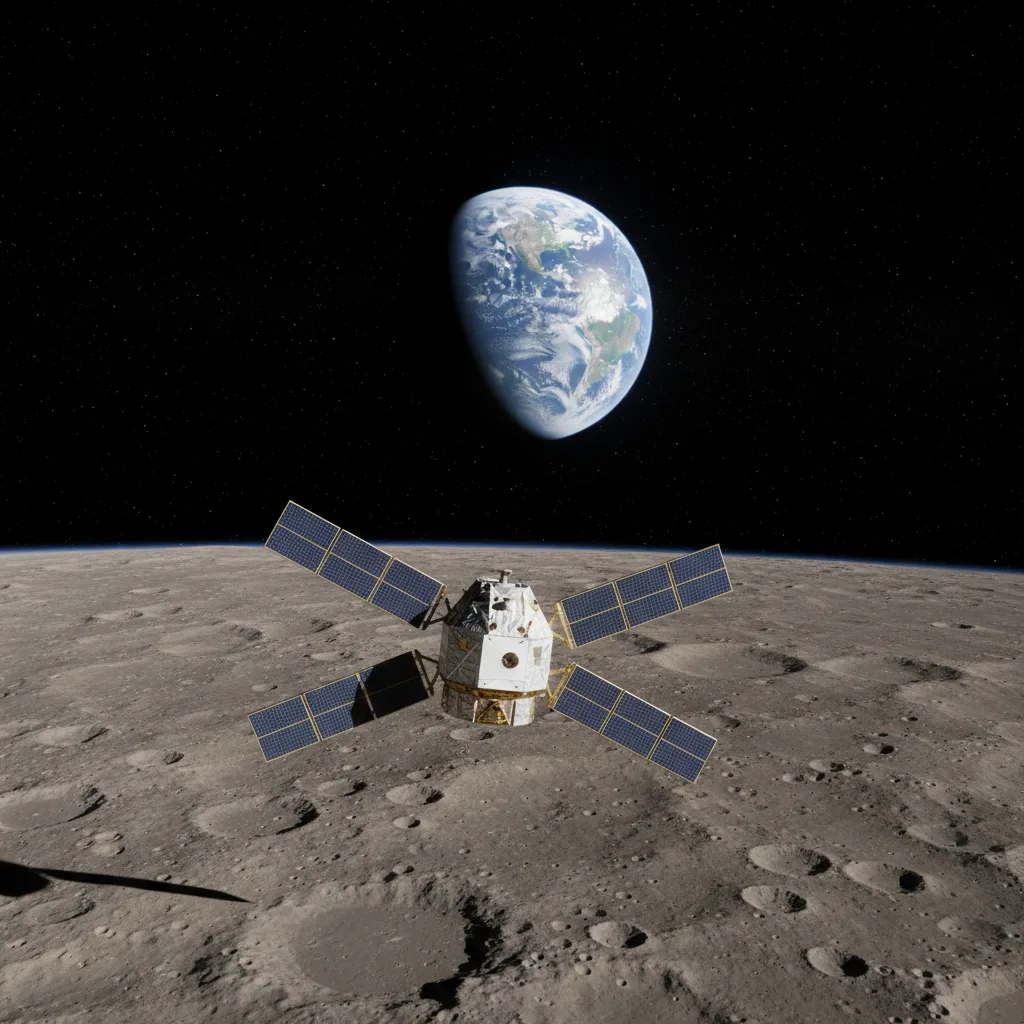
The successful Artemis I mission in late 2022 saw the Orion spacecraft complete an uncrewed test flight around the Moon, demonstrating the safety and capability of the vehicle. This paved the way for Artemis II, a crewed flyby of the Moon scheduled for 2024, and Artemis III, which aims to land astronauts, including the first woman and person of color, on the lunar south pole by 2025. This return to the Moon is not just about planting flags; it’s about establishing infrastructure, including the Gateway lunar orbital outpost, to enable long-duration missions, resource utilization, and scientific research that will directly inform future human missions to Mars.
These ambitious human endeavors, supported by international partnerships and commercial innovation, are pushing the boundaries of what’s possible. The challenges are immense, from developing advanced life support systems to understanding the long-term effects of space radiation, but the drive to explore and expand humanity’s footprint in the cosmos is stronger than ever. The synergy between robotic science and human exploration is creating an unprecedented era where the latest discoveries in space exploration are not just abstract data points but tangible steps towards a multi-planetary future.
Conclusion
The universe is an infinitely complex and awe-inspiring place, and our understanding of it is expanding at an exponential rate. From the tantalizing hints of life on exoplanets and icy moons to the profound revelations about the early universe from JWST, and the groundbreaking evidence of a cosmic gravitational wave background, the latest discoveries in space exploration are continually challenging our preconceived notions and fueling our imagination.
This era is characterized by an unprecedented convergence of technological innovation, international collaboration, and commercial ingenuity. The tools we now possess, from powerful telescopes to reusable rockets and advanced robotics, are enabling missions and insights that were once confined to science fiction. As we stand on the cusp of returning humans to the Moon and setting our sights on Mars, the next decade promises an even more breathtaking cascade of revelations. The cosmos remains largely unknown, but with every new discovery, humanity takes another step closer to unraveling its deepest mysteries, reminding us of our shared quest for knowledge and our enduring place in the grand tapestry of the universe.