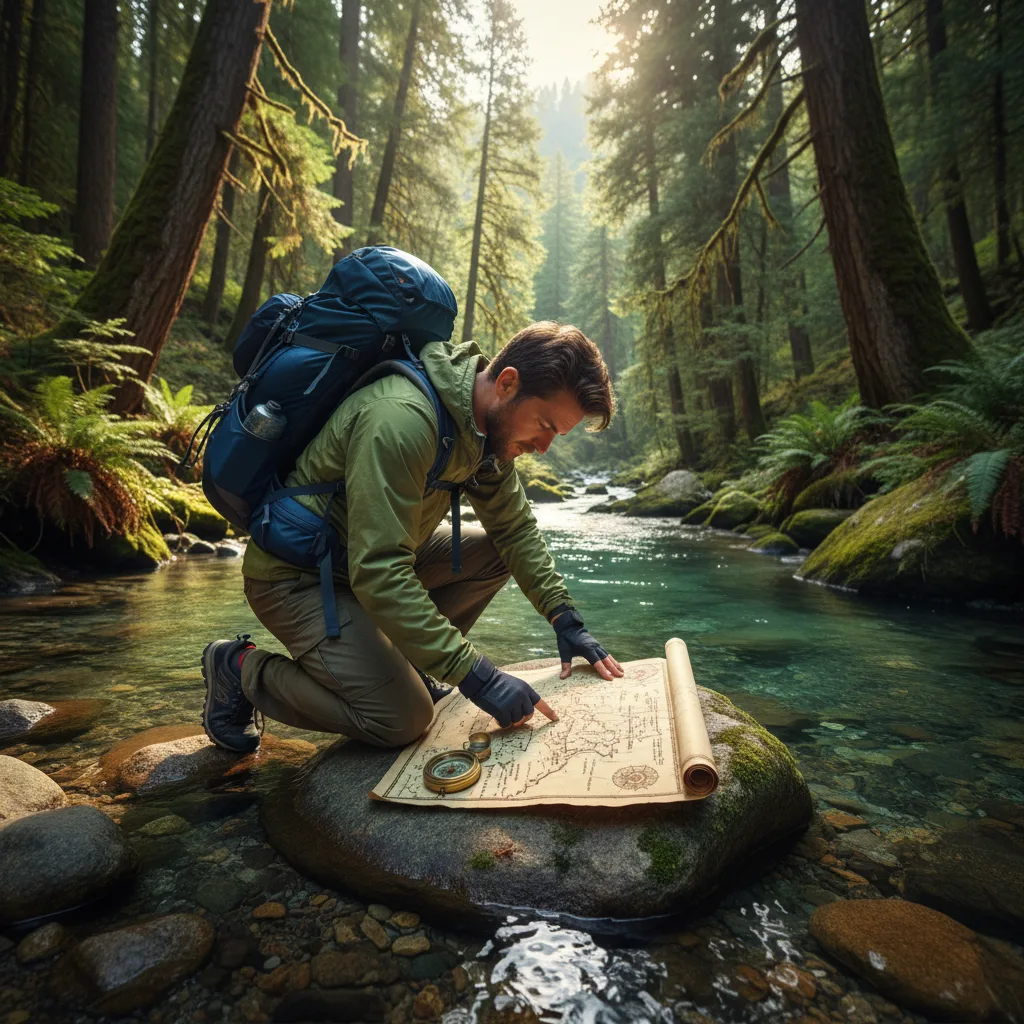
The Ultimate List of Explorers and Their Groundbreaking Discoveries
Explore the ultimate list of historical explorers and their groundbreaking discoveries, from ancient migrations to cosmic ventures. Uncover how their curiosity reshaped our world.
The Ultimate List of Explorers and Their Groundbreaking Discoveries
From the earliest human migrations across continents to the latest ventures into the cosmos, exploration has always been a fundamental driver of human progress. It is the insatiable curiosity, the daring spirit, and the relentless pursuit of the unknown that have expanded our maps, enriched our cultures, and fundamentally reshaped our understanding of the world. In this comprehensive guide, we delve into the annals of history to present a captivating list of explorers and their discoveries, celebrating the individuals who literally put the world on the map and pushed the boundaries of human knowledge.
Join us on an epic journey through time, as we uncover the incredible feats, the profound impacts, and the enduring legacies of these intrepid voyagers. Their stories are not just tales of adventure, but testaments to human ingenuity and resilience.
A Glimpse into the Ancient List of Explorers and Their Discoveries
Long before the era of global empires, early civilizations embarked on remarkable journeys, often driven by trade, migration, or sheer curiosity. These ancient explorers laid the groundwork for future generations, demonstrating the innate human desire to venture beyond the horizon.
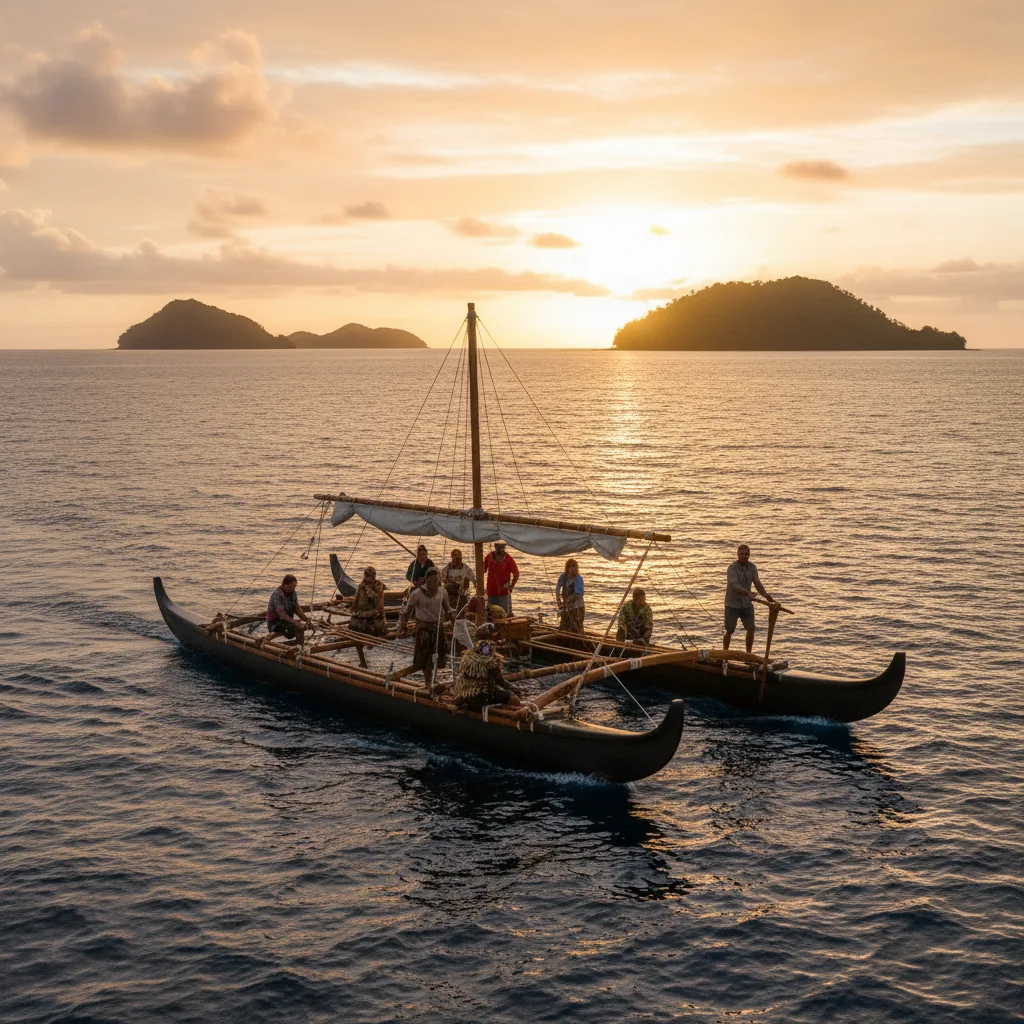
- The Polynesians (c. 1500 BCE - 1200 CE): Arguably the most impressive ancient navigators, Polynesians systematically explored and settled vast stretches of the Pacific Ocean, including Hawaii, New Zealand (Aotearoa), and Easter Island (Rapa Nui). Using sophisticated knowledge of stars, currents, and bird migrations, they traversed thousands of miles in double-hulled canoes, establishing complex societies across isolated archipelagos. Their discovery and settlement of these remote islands represent one of humanity’s greatest navigational achievements.
- Hanno the Navigator (c. 500 BCE): A Carthaginian explorer, Hanno led a large fleet down the west coast of Africa, possibly reaching as far as modern-day Cameroon. His periplus (a logbook of coastal navigation) describes encounters with various peoples, dense forests, and volcanic islands, providing one of the earliest written accounts of sub-Saharan Africa.
- Pytheas of Massalia (c. 325 BCE): A Greek geographer and explorer, Pytheas embarked on a remarkable voyage from the Mediterranean to Northwestern Europe. He is believed to have circumnavigated Great Britain, explored the North Sea, and possibly reached the Arctic Circle, describing phenomena like the midnight sun and sea ice. His accounts, though largely lost, influenced later Roman geographers.
- The Vikings (Norse Explorers) (c. 800 CE - 1100 CE): Renowned for their longships and fearless seafaring, Viking explorers like Erik the Red and his son Leif Erikson pushed westward across the North Atlantic. Erik the Red established the first Norse settlements in Greenland around 985 CE. Leif Erikson, around 1000 CE, is widely credited with being the first European to land in North America, establishing a short-lived settlement called Vinland in modern-day Newfoundland, Canada, predating Columbus by nearly 500 years.
- Zheng He (1371-1433): A Chinese admiral during the Ming Dynasty, Zheng He led seven epic voyages between 1405 and 1433, commanding massive treasure fleets. His expeditions reached Southeast Asia, India, the Arabian Peninsula, and the east coast of Africa, collecting tribute, engaging in trade, and showcasing China’s naval power. His voyages significantly expanded China’s diplomatic and commercial reach, demonstrating a sophisticated maritime capability that dwarfed contemporary European efforts.
The Age of Discovery: A Pivotal List of Explorers and Their Discoveries
The 15th and 16th centuries marked a transformative period in human history, often called the Age of Discovery. European powers, driven by economic ambition, religious zeal, and technological advancements in shipbuilding and navigation, embarked on voyages that fundamentally redrew the world map and initiated an era of global interconnectedness. This period saw a massive expansion of knowledge about the globe, albeit often at a great cost to indigenous populations.
- Bartholomew Dias (c. 1450-1500): A Portuguese explorer, Dias was the first European to sail around the southernmost tip of Africa in 1488, proving that a sea route to Asia was possible. He named it the “Cape of Storms,” later renamed the “Cape of Good Hope” by King John II of Portugal, reflecting the newfound optimism for an eastern trade route.
- Christopher Columbus (1451-1506): An Italian explorer sailing under the Spanish Crown, Columbus famously made four transatlantic voyages between 1492 and 1504. His first landing in the Americas (specifically, the Bahamas) in 1492 is often cited as the beginning of sustained European contact with the “New World,” initiating the Columbian Exchange and profoundly altering global history. He never reached mainland North America and mistakenly believed he had found a route to Asia.
- Vasco da Gama (c. 1460-1524): A Portuguese explorer, Da Gama successfully completed the first sea voyage from Europe to India, circumnavigating Africa in 1498. This monumental achievement opened a direct maritime trade route between Europe and Asia, bypassing the costly and dangerous overland routes controlled by Arab and Venetian merchants, and establishing Portugal’s dominance in the spice trade.
- Amerigo Vespucci (1454-1512): An Italian merchant and explorer, Vespucci made several voyages to the New World between 1499 and 1502. Unlike Columbus, Vespucci recognized that the lands he explored were not part of Asia but an entirely new continent. His detailed accounts led German cartographer Martin Waldseemüller to name the new continent “America” in his honor in 1507.
- Ferdinand Magellan (c. 1480-1521): A Portuguese explorer sailing for Spain, Magellan led the first expedition to circumnavigate the Earth. Though he died in the Philippines during the voyage, his expedition, completed by Juan Sebastián Elcano in 1522, proved that the Earth was round and established the vastness of the Pacific Ocean, revolutionizing geographical understanding.
- Hernán Cortés (1485-1547): A Spanish conquistador, Cortés led the expedition that caused the fall of the Aztec Empire in Mexico in 1521. His conquest opened vast new territories for Spanish colonization and had a devastating impact on indigenous populations and cultures.
- Francisco Pizarro (c. 1471-1541): Another Spanish conquistador, Pizarro led the conquest of the Inca Empire in Peru in the 1530s, acquiring immense wealth for Spain and further expanding its colonial empire in South America.
- Jacques Cartier (1491-1557): A French explorer, Cartier made three voyages to North America, exploring the Gulf of St. Lawrence and the St. Lawrence River between 1534 and 1542. His expeditions laid the foundation for French claims to Canada.
- Sir Francis Drake (c. 1540-1596): An English privateer and explorer, Drake completed the second circumnavigation of the world between 1577 and 1580. His voyage was a major triumph for England, boosting its global prestige and challenging Spanish dominance.
Charting New Continents and Inland Frontiers: Expanding the List of Explorers and Their Discoveries
As the major sea routes were established, the focus shifted to exploring the interiors of the newly encountered continents. From the vast wildernesses of North America to the dense jungles and savannas of Africa, these explorers faced immense challenges in mapping unknown terrains and encountering diverse cultures.
- Captain James Cook (1728-1779): A British explorer, navigator, and cartographer, Cook made three epic voyages to the Pacific Ocean between 1768 and 1779. He meticulously mapped New Zealand, charted the east coast of Australia, and was the first European to visit the Hawaiian Islands. His scientific approach to exploration, focusing on accurate charting and observation, significantly advanced geographical and scientific knowledge.
- Meriwether Lewis (1774-1809) and William Clark (1770-1838): American explorers who led the Lewis and Clark Expedition (1804-1806) to explore the Louisiana Purchase. Their epic journey from St. Louis to the Pacific Ocean and back provided invaluable information about the geography, flora, fauna, and indigenous peoples of the American West, paving the way for westward expansion.
- David Livingstone (1813-1873): A Scottish missionary and explorer, Livingstone dedicated his life to exploring central and southern Africa. He charted vast areas, including the Zambezi River and Victoria Falls, and worked tirelessly against the slave trade. His disappearance led to the famous expedition by Henry Morton Stanley.
- Henry Morton Stanley (1841-1904): A Welsh-American journalist and explorer, Stanley is famous for his search for Livingstone in Africa, culminating in the iconic greeting, “Dr. Livingstone, I presume?” He later explored the Congo River basin, mapping large sections of Central Africa and contributing to the European scramble for Africa.
- Alexander von Humboldt (1769-1859): A Prussian polymath, geographer, naturalist, and explorer, Humboldt undertook extensive expeditions in Latin America between 1799 and 1804. His scientific observations across diverse fields like botany, zoology, geology, and meteorology laid the foundations for biogeography and modern physical geography. He described the interconnectedness of natural systems, a concept revolutionary for his time.
- Charles Darwin (1809-1882): While primarily a naturalist, Darwin’s five-year voyage aboard HMS Beagle (1831-1836) was an unparalleled expedition of scientific exploration. His observations of geology, fossils, plants, and animals across South America, the Galápagos Islands, and Australia formed the basis for his groundbreaking theory of evolution by natural selection, published in On the Origin of Species.
Conquering the Poles and Deep Seas: Modern Exploration’s Frontiers
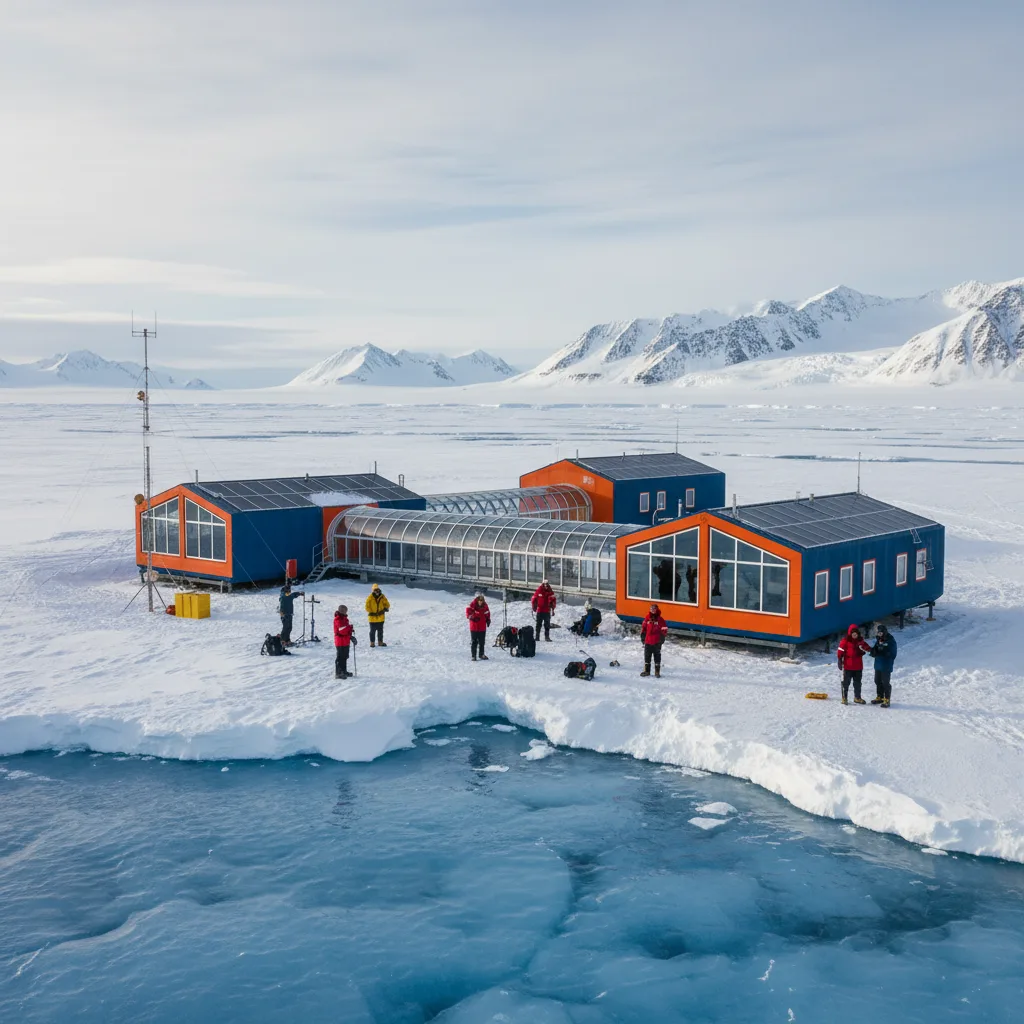
By the late 19th and early 20th centuries, most of the Earth’s landmass had been at least superficially explored. The new frontiers became the Earth’s extreme environments: the frozen poles and the crushing depths of the oceans.
- Fridtjof Nansen (1861-1930): A Norwegian explorer and scientist, Nansen made significant contributions to Arctic exploration. His 1888 crossing of Greenland’s interior was the first. Later, in 1893-1896, he attempted to reach the North Pole by allowing his ship, the Fram, to be frozen into the ice and drift with the currents, proving the existence of an eastward current across the Arctic Ocean.
- Robert Peary (1856-1920): An American explorer, Peary claimed to have reached the North Pole on April 6, 1909, accompanied by Matthew Henson and four Inuit men. While his claim has been subject to historical debate, his expeditions made significant contributions to Arctic cartography.
- Roald Amundsen (1872-1928): A Norwegian explorer, Amundsen achieved the first undisputed journey to the South Pole on December 14, 1911, beating Robert Falcon Scott’s British expedition. He also successfully navigated the Northwest Passage between 1903 and 1906, a feat that had eluded explorers for centuries.
- Robert Falcon Scott (1868-1912): A British Royal Navy officer and explorer, Scott led two expeditions to the Antarctic. His second expedition (1910-1912) reached the South Pole in January 1912, only to find Amundsen’s flag already there. Scott and his entire party perished on the return journey, a tragic but heroic tale of polar exploration.
- Sir Ernest Shackleton (1874-1922): A British-Irish explorer, Shackleton is celebrated for his leadership during the Imperial Trans-Antarctic Expedition (1914-1917). Though his ship, the Endurance, was crushed by ice, Shackleton famously saved his entire crew through an extraordinary journey across ice floes and open ocean, a testament to survival and resilience.
- Jacques Cousteau (1910-1997): A French naval officer, explorer, filmmaker, and innovator, Cousteau co-invented the Aqua-Lung, revolutionizing underwater exploration. Through his iconic films and television series, he brought the wonders of the ocean to millions, advocating for marine conservation and inspiring generations of oceanographers.
- Don Walsh (1931-2023) & Jacques Piccard (1922-2008): In 1960, these two intrepid explorers descended in the bathyscaphe Trieste to the deepest known point on Earth: the Challenger Deep in the Mariana Trench, nearly 11,000 meters below the surface. This unprecedented dive demonstrated the capabilities of deep-sea exploration and proved that life could exist even in such extreme environments.
Beyond Earth: The New Frontier of Space Exploration
The mid-20th century opened an entirely new dimension of exploration: space. From the first satellites to human landings on the Moon and robotic probes venturing to the far reaches of our solar system, space exploration represents the ultimate journey into the unknown.
- Yuri Gagarin (1934-1968): A Soviet cosmonaut, Gagarin made history on April 12, 1961, as the first human to journey into outer space and orbit the Earth aboard Vostok 1. His pioneering flight marked a pivotal moment in the Space Race and human exploration.
- Neil Armstrong (1930-2012): An American astronaut, Armstrong became the first person to walk on the Moon on July 20, 1969, during the Apollo 11 mission. His famous words, “That’s one small step for man, one giant leap for mankind,” encapsulated the monumental significance of this achievement.
- Buzz Aldrin (b. 1930): The second person to walk on the Moon, Aldrin accompanied Armstrong on Apollo 11, contributing significantly to the mission’s success and inspiring future generations of space explorers.
- Valentina Tereshkova (b. 1937): A Soviet cosmonaut, Tereshkova became the first woman in space on June 16, 1963, orbiting Earth 48 times aboard Vostok 6. Her flight broke barriers and opened the door for women in space exploration.
- Voyager 1 & 2 (launched 1977): These NASA robotic probes are among humanity’s greatest exploratory achievements. They conducted flybys of Jupiter, Saturn, Uranus, and Neptune, providing unprecedented data and images of the outer solar system. Both probes are now in interstellar space, carrying a “Golden Record” intended to communicate the story of Earth to any intelligent extraterrestrial life they might encounter.
- Curiosity Rover (landed 2012): NASA’s Mars Science Laboratory mission, the Curiosity rover continues to explore the surface of Mars, analyzing its geology and atmosphere to assess its past and present habitability, sending back invaluable data about the Red Planet.
Conclusion
The list of explorers and their discoveries is a vibrant tapestry woven with threads of courage, curiosity, and an unyielding desire to push beyond the known. From the ancient Polynesians navigating vast oceans by stars to the modern astronauts venturing into the cosmic abyss, these individuals have expanded our geographical, scientific, and cultural horizons in profound ways.
Their journeys, often fraught with peril and uncertainty, have not only filled in the blanks on our maps but have also fueled scientific inquiry, fostered technological innovation, and deepened our understanding of ourselves and our place in the universe. The spirit of exploration remains alive today, as scientists probe the deepest oceans, peer into the farthest reaches of space, and even explore the intricate landscapes of the human genome. The legacy of these pioneering explorers reminds us that the quest for discovery is an intrinsic part of the human experience, an endless adventure that continues to inspire and redefine what is possible.