
Lost Cities & Ancient Mysteries of South America Revealed
Explore the enigmatic past of South America. Uncover the secrets of lost cities and ancient civilizations that thrived long before European arrival. A journey into history.
Unearthing the Secrets: Lost Cities and Ancient Mysteries of South America
South America, a continent of breathtaking landscapes and vibrant cultures, holds within its dense jungles, towering peaks, and arid plains a treasure trove of lost cities and ancient mysteries. For centuries, explorers, archaeologists, and adventurers have been drawn to its enigmatic past, seeking to uncover the secrets of civilizations that rose and fell long before European arrival. From legendary golden cities to astronomical alignments etched into the earth, the continent continually challenges our understanding of pre-Columbian ingenuity and societal complexity. This comprehensive guide delves into some of the most fascinating discoveries and enduring puzzles that define the ancient history of this incredible land.
Echoes of Empire: The Inca’s Lost Cities and Enduring Mysteries
The Inca Empire, stretching across much of the Andes, was the largest empire in pre-Columbian America. While its capital, Cusco, remains a vibrant city, many of its most remarkable settlements were either abandoned, hidden, or became lost cities after the Spanish conquest. The most famous example is, without doubt, Machu Picchu. Rediscovered by Hiram Bingham in 1911, this breathtaking citadel perched high in the Andes of Peru was likely a royal estate or sacred religious site. Its purpose, the exact techniques used to construct its perfectly fitted dry-stone walls, and why it was seemingly abandoned before the Spanish arrived, remain subjects of intense debate.
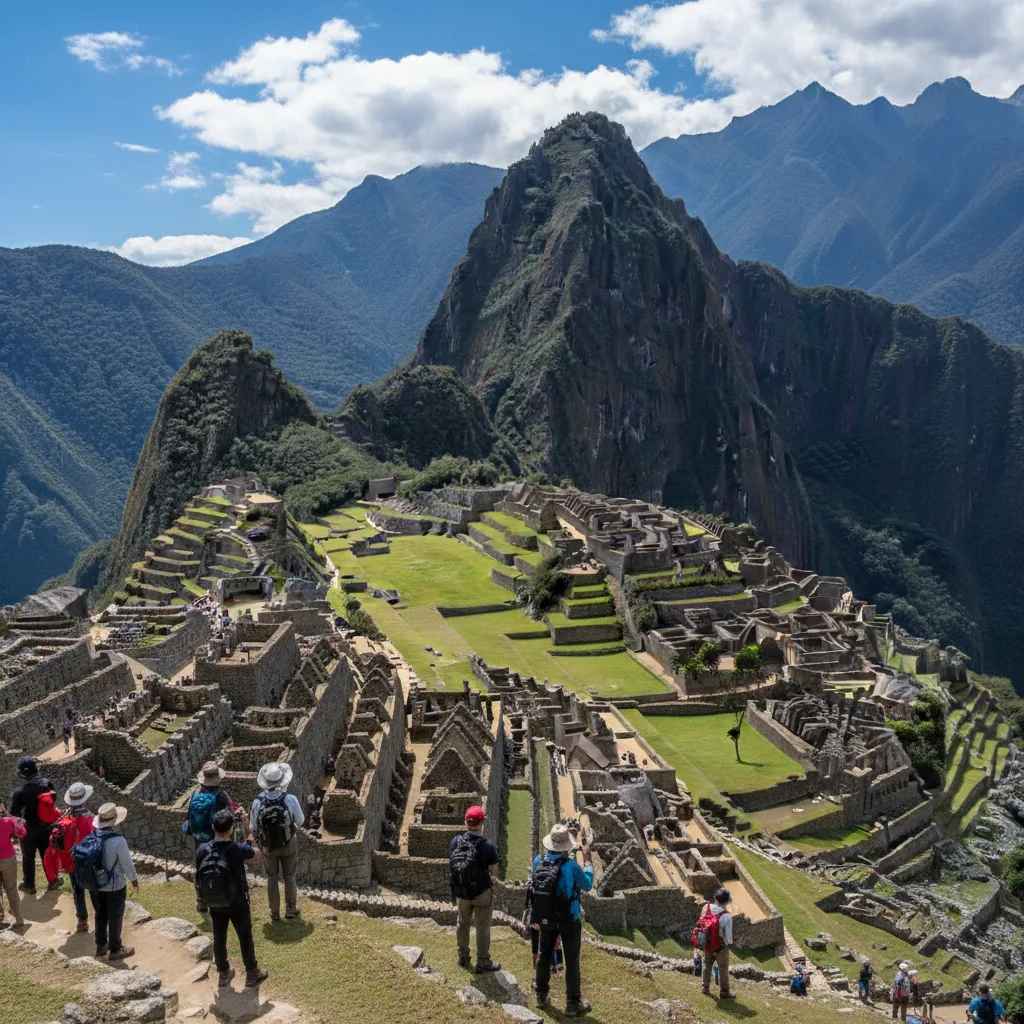
Beyond Machu Picchu, the Incas left other significant enigmas. The legend of Vilcabamba, the “Lost City of the Incas,” captivated generations. This was the last refuge of the Inca rulers after the Spanish conquest, a place where they resisted for decades. While the site of Espíritu Pampa in the Amazon basin is widely accepted as the historical Vilcabamba, its remote location and the dense jungle have meant its full extent and significance are still being explored. The precision of Inca stonework, seen in sites like Saksaywaman and Ollantaytambo, where massive stones fit together without mortar, speaks to an advanced understanding of engineering and logistics that continues to baffle modern researchers. How they moved and precisely placed such colossal blocks without modern machinery is one of the enduring ancient mysteries of South America.
Pre-Incan Marvels: Unraveling South America’s Earliest Civilizations
Long before the Inca rose to prominence, a multitude of sophisticated civilizations thrived across South America, leaving behind their own incredible lost cities and ancient mysteries. In the coastal desert of Peru lies Caral-Supe, recognized as the oldest known city in the Americas, dating back over 5,000 years. Its monumental pyramids, sunken plazas, and complex irrigation systems predate the Egyptian pyramids and demonstrate a highly organized society with advanced architectural and agricultural knowledge. The absence of warfare evidence at Caral suggests a peaceful, trade-based society, a stark contrast to many contemporary civilizations.
Further south, on the Bolivian Altiplano, stand the ruins of Tiwanaku. This powerful pre-Inca empire flourished between 600 and 1000 AD, influencing much of the southern Andes. Its monumental stone structures, including the Gate of the Sun and the Kalasasaya temple, showcase incredible astronomical precision and sophisticated engineering. The massive blocks of stone, some weighing over 100 tons, were transported from quarries miles away. The sudden and mysterious collapse of Tiwanaku around 1000 AD, possibly due to severe climate change or internal strife, is another profound puzzle.
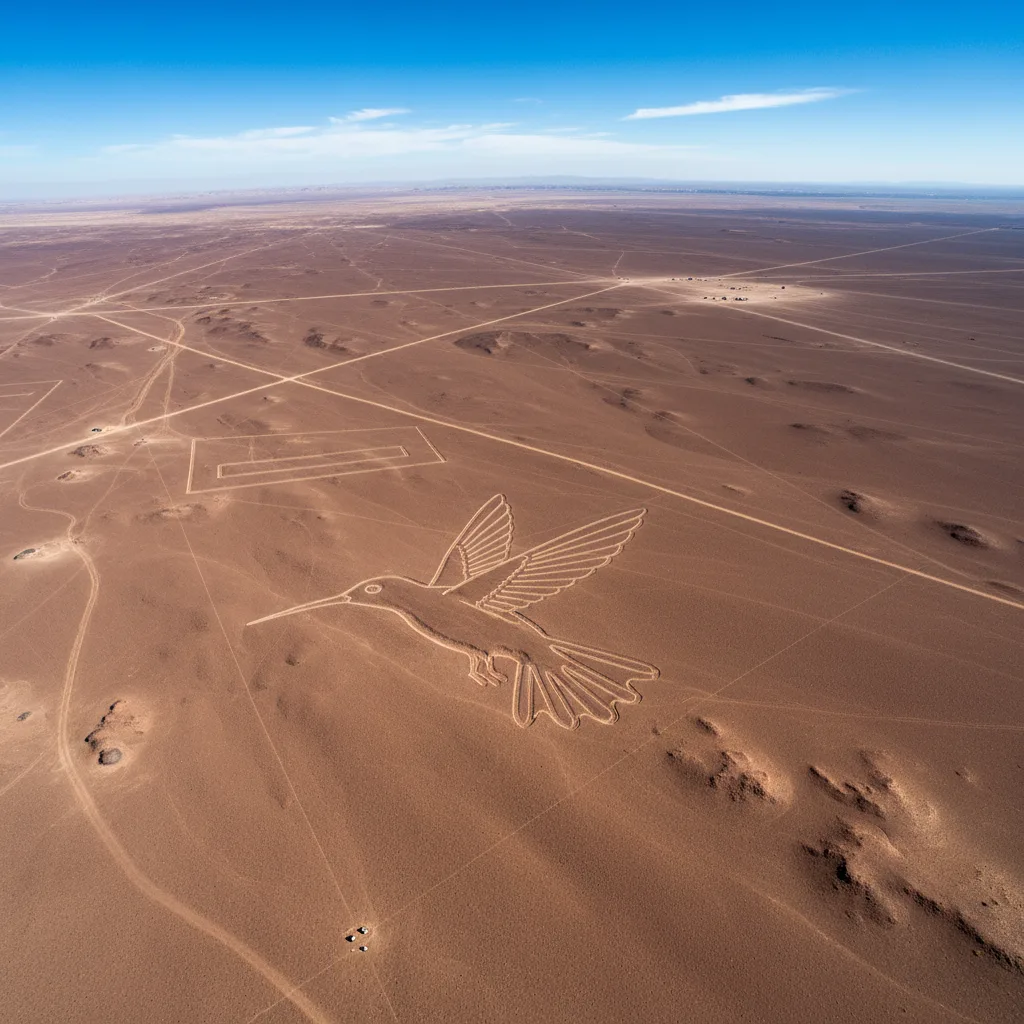
And then there are the Nazca Lines in Peru, colossal geoglyphs etched into the desert floor over 2,000 years ago. Depicting animals, plants, geometric shapes, and human-like figures, these intricate designs are best viewed from above. Their purpose remains one of the most famous ancient mysteries of South America. Theories range from astronomical calendars and religious offerings to pathways for water rituals or even messages for extraterrestrial beings. The sheer scale and precision of these earthworks, created by a culture without the ability to observe them from a high vantage point, continues to inspire awe and speculation.
The Allure of Legend: El Dorado and the Search for Hidden Cities
The Spanish conquest brought not only destruction but also a relentless pursuit of riches, fueling the legends of El Dorado. This mythical “Lost City of Gold” was initially associated with a Muisca chieftain in Colombia who would cover himself in gold dust and offer treasures to the gods in Lake Guatavita. However, the legend evolved, transforming into a quest for an entire city of immense wealth hidden deep within the Amazon jungle. Countless expeditions, driven by greed and ambition, ventured into the unforgiving wilderness, often with disastrous results, yet the allure of El Dorado persists. While no single “city of gold” has ever been found, the legend undeniably spurred exploration and inadvertently led to the discovery of many other significant archaeological sites.
Another enduring legend is that of Paititi, often referred to as the “Last City of the Incas.” Unlike Vilcabamba, Paititi is believed to be an undiscovered, pristine Inca city, untouched by the Spanish, hidden deep within the remote jungles east of the Andes in Peru and Bolivia. Reports of local tribes guarding a sacred site, satellite imagery hinting at ancient structures, and tantalizing clues in historical documents keep the dream of Paititi alive. Modern archaeological expeditions, often employing advanced technologies like lidar, continue the arduous search, hoping to finally uncover this ultimate lost city and unlock its secrets.
Beyond Explanation: Ancient Technologies and Enigmas of the Andes
The construction methods and technological prowess of ancient South American civilizations present some of the most perplexing ancient mysteries of South America. The megalithic architecture of the Inca and pre-Inca cultures, particularly the precise fitting of massive stone blocks, some weighing hundreds of tons, at sites like Saksaywaman near Cusco, defies easy explanation. How were these stones quarried, moved across vast distances, and then shaped with such incredible accuracy without the use of iron tools or the wheel? Theories range from ingenious leveraging systems and ramps to the use of specialized tools and even advanced knowledge of acoustics to vibrate stones into place.
Beyond stonework, other technological marvels intrigue researchers. The sophisticated irrigation systems of cultures like the Moche and Nazca, which allowed vast agricultural production in arid regions, demonstrate a profound understanding of hydraulics and environmental engineering. The intricate textiles, some dating back thousands of years, showcase advanced weaving techniques and dyes. Furthermore, the astronomical alignments found at many ancient sites, from Tiwanaku to Machu Picchu, indicate a deep grasp of celestial mechanics and observation. These achievements challenge conventional narratives of ancient technological development and underscore the advanced intellectual capabilities of these civilizations.
The Amazon’s Hidden Past: New Discoveries and Uncharted Territories
For a long time, the dense Amazon rainforest was considered largely uninhabited by complex societies, a “green desert.” However, recent archaeological breakthroughs, largely thanks to advancements in remote sensing technology like lidar (Light Detection and Ranging), are dramatically rewriting this narrative, revealing a vast network of lost cities and ancient mysteries hidden beneath the canopy. Lidar, which can penetrate dense foliage, maps the ground below, revealing subtle changes in topography that indicate human-made structures.
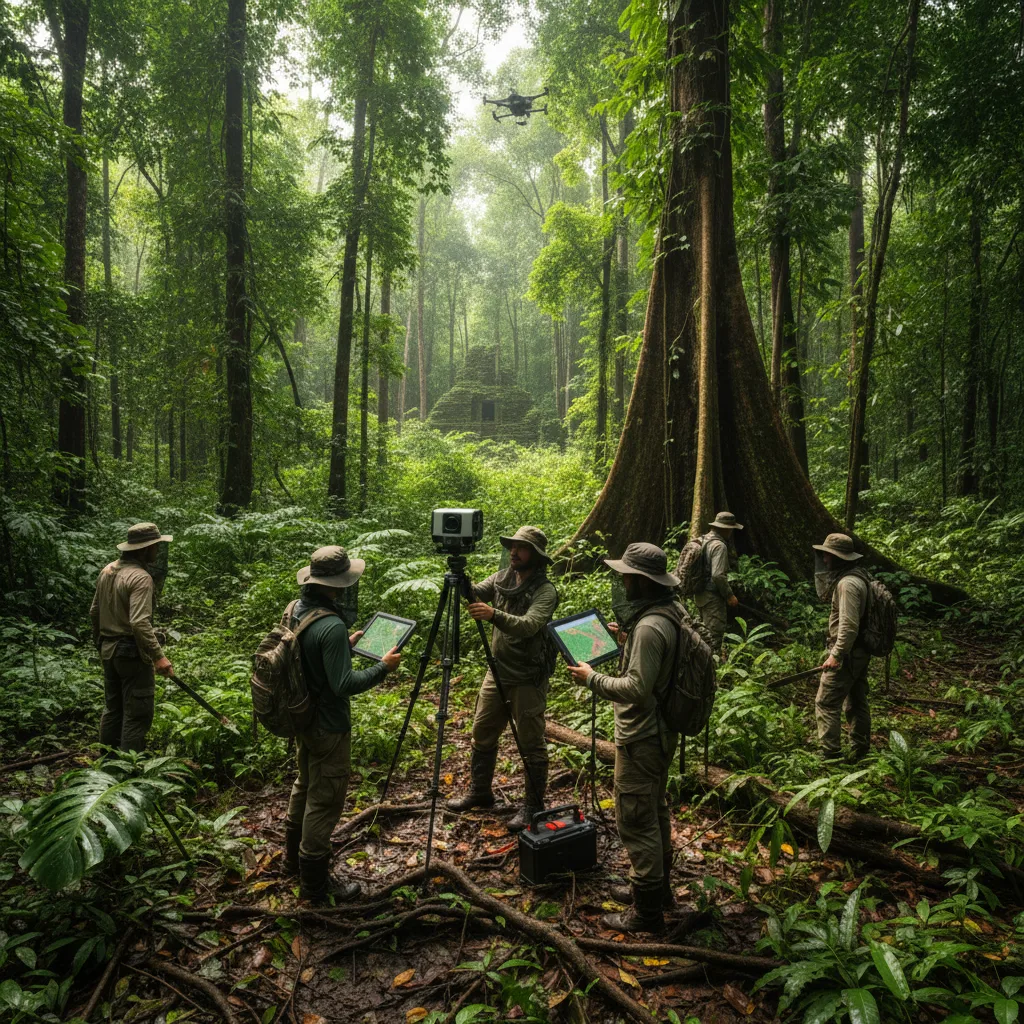
In the Brazilian Amazon, lidar has unveiled extensive networks of geometric earthworks, fortifications, and villages dating back over 1,500 years, suggesting large, interconnected societies. Similarly, in Bolivia, a sprawling network of urban centers, reservoirs, and causeways belonging to the Casarabe culture was recently identified, demonstrating a complex, hierarchical society in the Amazonian lowlands. These discoveries are proving that the Amazon was home to millions of people organized into sophisticated societies with elaborate infrastructure, challenging the long-held belief of a pristine, untouched wilderness. The sheer scale of these newly revealed settlements suggests a population density and level of organization previously unimagined, opening up entirely new avenues for understanding the continent’s ancient past.
The Enduring Quest: Protecting and Understanding South America’s Ancient Mysteries
The quest to uncover and understand the lost cities and ancient mysteries of South America is far from over. Each new discovery brings fresh insights but also new questions. However, this ongoing exploration faces significant challenges. Climate change, illegal logging, illicit mining, and uncontrolled tourism threaten many known and undiscovered sites. Looting remains a persistent problem, robbing humanity of invaluable historical context.
Protecting these irreplaceable heritage sites requires a multifaceted approach: international cooperation, strong local conservation efforts, community involvement, and the ethical application of new technologies. Indigenous communities, often the direct descendants of these ancient civilizations, hold invaluable knowledge and play a crucial role in safeguarding and interpreting these sites. The future of South American archaeology lies in respectful collaboration, sustainable practices, and a continued commitment to peeling back the layers of time to reveal the full grandeur of its ancient past.
Conclusion
The allure of lost cities and ancient mysteries of South America continues to captivate and inspire. From the majestic heights of Machu Picchu to the enigmatic Nazca Lines, and from the legendary quest for El Dorado to the groundbreaking lidar discoveries in the Amazon, the continent consistently reveals new facets of its incredible ancient civilizations. These cultures, with their advanced engineering, astronomical knowledge, and complex societal structures, challenge our perceptions of pre-Columbian history and underscore the ingenuity of humankind. As technology advances and dedicated researchers continue their tireless work, we can anticipate even more astonishing revelations, further enriching our understanding of this captivating continent’s profound and mysterious past. The secrets of South America’s ancient heart are still waiting to be fully told.