Lost Cities & Climate Change: Unearthing Ancient Wonders
Explore how climate change is both revealing long-lost ancient cities and posing new threats to their preservation. Discover the delicate balance between discovery and destruction of our shared heritage.
Echoes of the Past: How Climate Change is Unearthing and Threatening Lost Cities
The allure of lost cities has captivated humanity for millennia. Tales of forgotten civilizations, swallowed by sands or seas, spark our imagination, offering glimpses into bygone eras. From the legendary Atlantis to the rediscovered wonders of Pompeii and Petra, these vanished metropolises whisper stories of human ingenuity, triumph, and ultimately, decline. Today, in an age defined by unprecedented environmental shifts, the relationship between lost cities and climate change is becoming increasingly complex and critical. Climate change isn’t just a future threat; it’s actively reshaping our understanding of the past, both by unearthing long-hidden secrets and by imperiling irreplaceable historical treasures.
This comprehensive guide from TrendSeek will delve into the intricate ways modern climate change is interacting with the world’s forgotten urban landscapes. We’ll explore how shifting ice, receding waters, and extreme weather events are bringing ancient sites to light, while simultaneously posing existential threats to others. Understanding this dynamic is crucial, not just for archaeologists and historians, but for anyone who values the rich tapestry of human history.
The Allure of the Vanished: What Are Lost Cities?
A lost city is more than just an abandoned settlement; it’s a place that was once a vibrant hub of human activity, but for various reasons, faded from collective memory or became inaccessible. These urban centers, often teeming with life, trade, and culture, succumbed to a myriad of forces: devastating conquests, economic collapse, natural disasters like earthquakes or volcanic eruptions, and crucially, past environmental shifts. They might be buried under layers of earth, submerged beneath rising waters, or simply overgrown by dense vegetation, waiting for the right conditions—or the right discoverer—to reveal their secrets.
Examples abound: the magnificent Roman city of Pompeii, frozen in time by the eruption of Vesuvius; the carved city of Petra in Jordan, hidden for centuries until its rediscovery; or the sprawling Maya cities of Mesoamerica, swallowed by the jungle after their mysterious decline. These sites offer invaluable insights into ancient societies, their technologies, beliefs, and daily lives. However, many remain undiscovered, their stories yet untold, and it is here that the hand of contemporary climate change begins to play a surprising, dual role.
Climate Change as an Unearther: Revealing Ancient Secrets
Paradoxically, some of the very forces driving modern climate change are also acting as unexpected archaeologists, bringing long-lost sites and artifacts to light. As Earth’s systems respond to global warming, environments are transforming, revealing secrets once locked away.
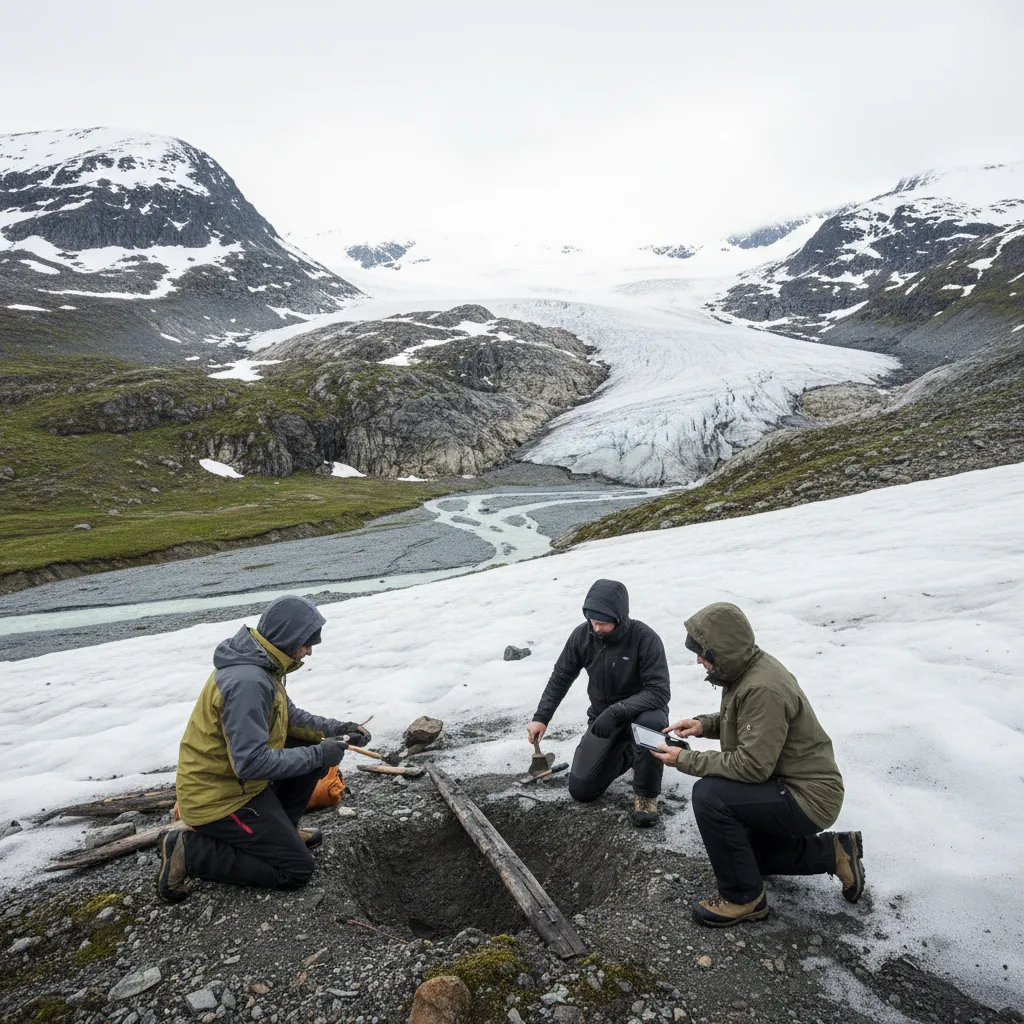
One of the most dramatic examples comes from the world’s melting ice and glaciers. As temperatures rise, ancient ice sheets and permafrost begin to thaw, exposing objects and even entire settlements that have been perfectly preserved for centuries or millennia. In the Norwegian mountains, archaeologists have found a wealth of artifacts, from Viking-era skis and tunics to Bronze Age tools, emerging from shrinking ice patches. Similarly, the rapid retreat of glaciers in the European Alps has unveiled ancient trade routes, hunting camps, and the famous 5,300-year-old “Iceman” Ötzi, providing unprecedented insights into prehistoric life. In Greenland, melting ice is revealing previously unknown Norse farmsteads and artifacts, shedding new light on Viking settlements and their interactions with the Inuit.
Another significant revealer is drought and receding water levels. As lakes, rivers, and reservoirs dry up due to prolonged droughts and increased water extraction, their beds can expose submerged landscapes. In Spain, severe droughts have repeatedly revealed the Dolmen of Guadalperal, a megalithic stone circle often dubbed the “Spanish Stonehenge,” usually submerged by the Valdecañas reservoir. Similarly, across Europe, “hunger stones” – boulders with carvings marking historically low water levels – have re-emerged in rivers like the Elbe, reminding us of past climate extremes and revealing structures that were once part of the riverbank. In the Middle East, receding waters have sometimes exposed ancient settlements and irrigation systems, offering tantalizing clues about past civilizations’ adaptations to arid environments.
While less common and often destructive, coastal erosion in some instances can also expose previously buried coastal settlements. As rising sea levels and intensified storms batter coastlines, layers of sediment are stripped away, occasionally revealing ancient structures or shipwrecks that were once safely buried beneath the sand. This is a double-edged sword, as the exposure often precedes rapid destruction.
The Perilous Present: How Climate Change Threatens Lost Cities
While climate change can, in rare instances, reveal the past, its overwhelming impact on lost cities and climate change is one of destruction and accelerated decay. The very forces that are reshaping our planet pose an existential threat to countless irreplaceable heritage sites, both known and yet to be discovered.
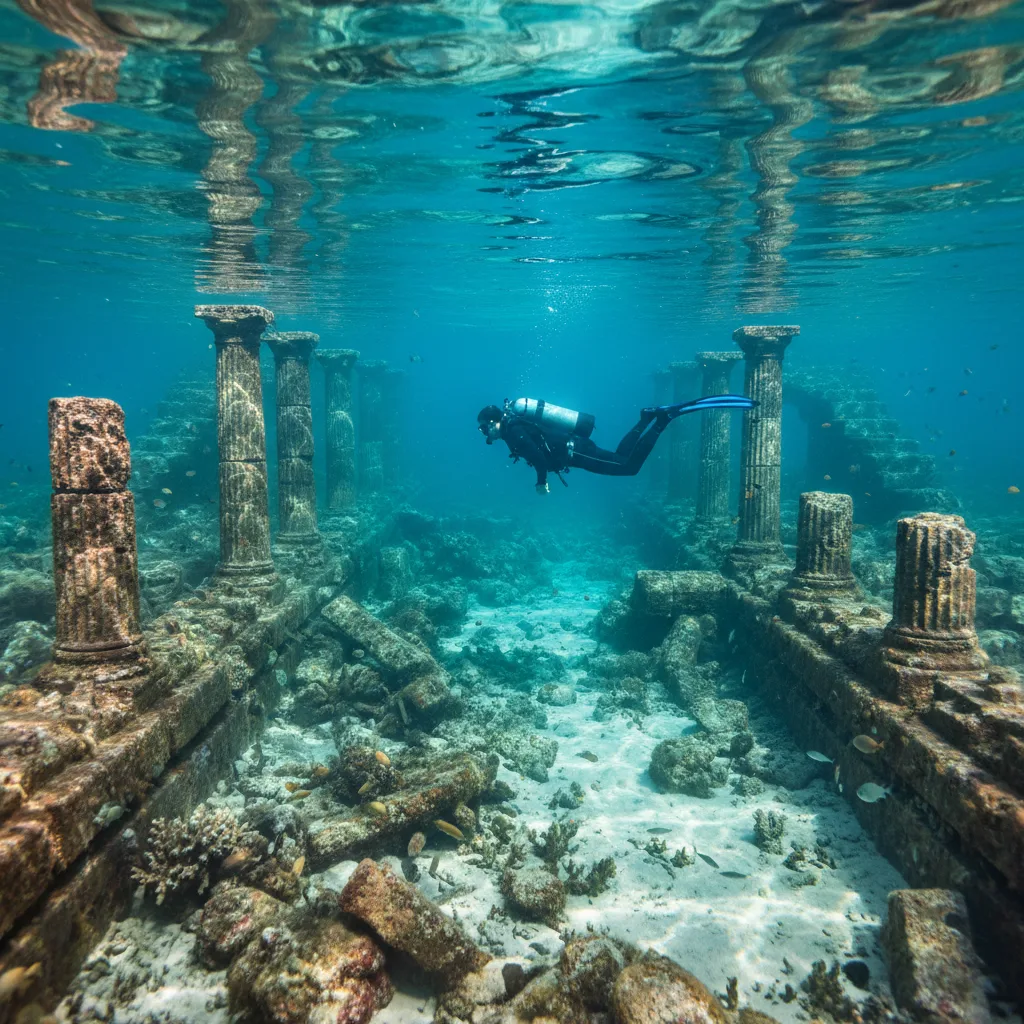
Perhaps the most direct and widespread threat comes from rising sea levels and coastal erosion. Many ancient civilizations flourished along coastlines, relying on maritime trade and fertile deltas. As global sea levels continue to climb, driven by thermal expansion of water and melting ice caps, these coastal sites are increasingly vulnerable. The ancient Greek city of Pavlopetri, submerged off the coast of Laconia, Greece, is considered the oldest submerged city in the world, dating back over 5,000 years. Already underwater, it is now threatened by increased wave action, storm surges, and the further destabilization of its seabed. Similarly, vast portions of ancient Alexandria, Egypt, including Cleopatra’s palace and other Ptolemaic ruins, lie submerged and are at risk from further sea-level rise and coastal development. Roman villas and ports along the Mediterranean and Atlantic coasts are also facing accelerated erosion.
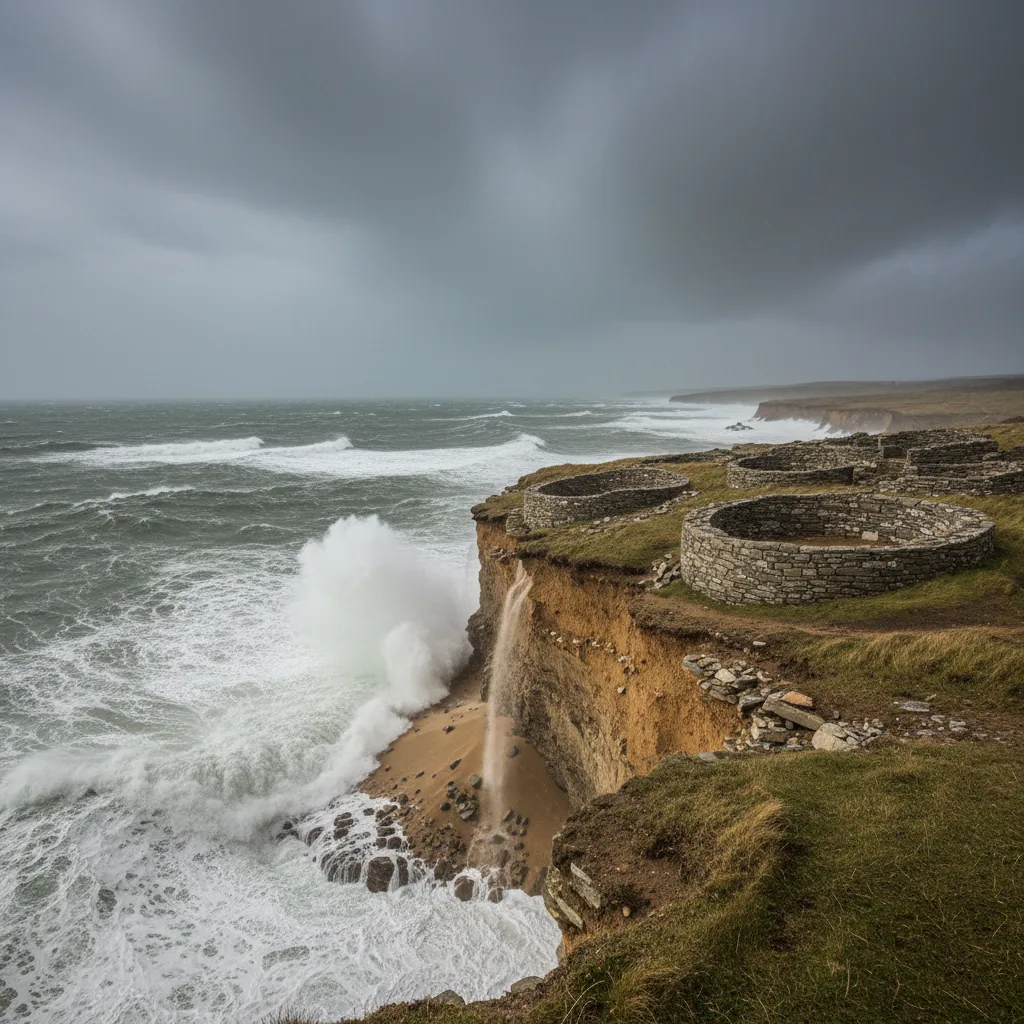
Extreme weather events, intensified by climate change, inflict further damage. More frequent and severe floods, hurricanes, and typhoons can devastate archaeological sites. Heavy rainfall can cause mudslides, erode delicate structures, and saturate ancient materials, leading to rapid deterioration. Sites in Mesopotamia, the “cradle of civilization” in modern-day Iraq, are particularly vulnerable to increased flooding along the Tigris and Euphrates rivers, threatening unexcavated tells and exposed mudbrick structures of cities like Ur and Babylon.
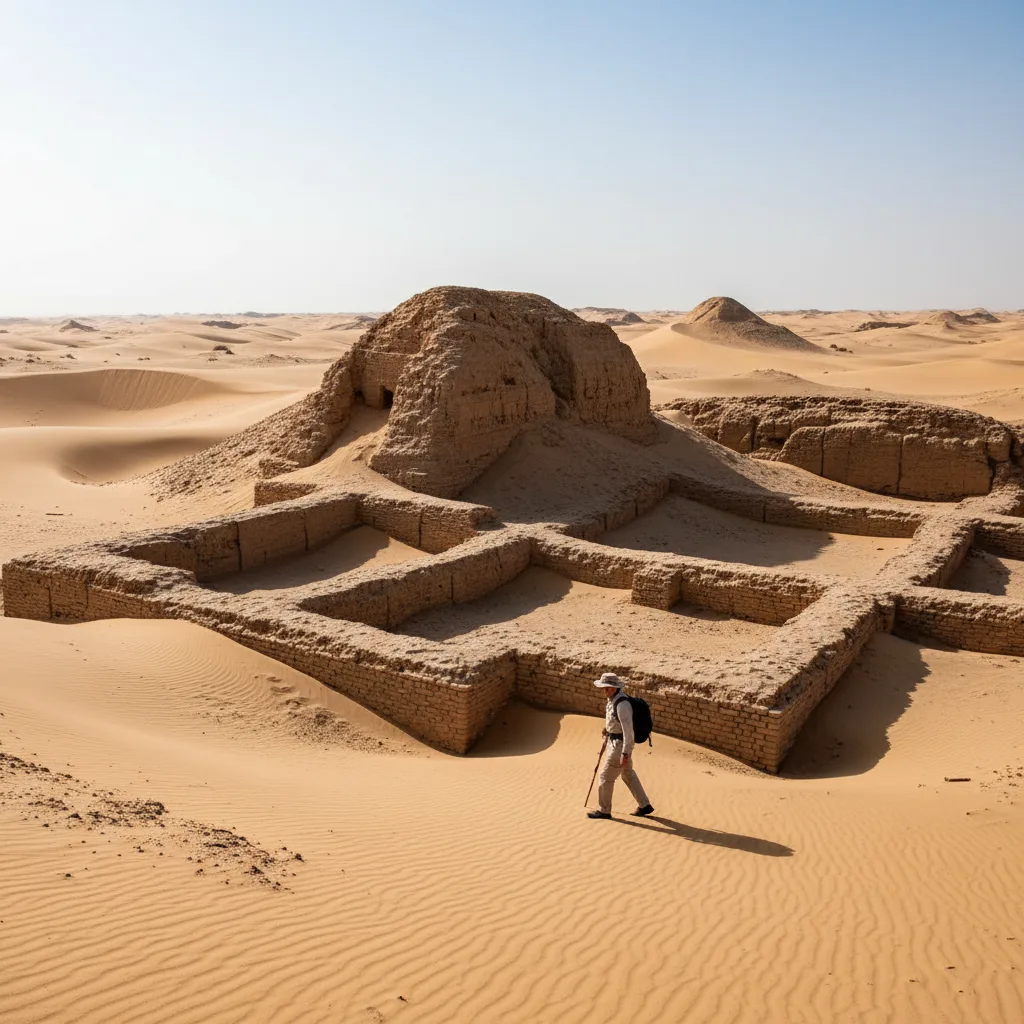
Desertification and extreme heat also pose significant risks. In arid regions, ancient cities built from adobe or mudbrick are susceptible to increased wind erosion as protective vegetation disappears. The desiccating effects of prolonged heat can crack and crumble fragile materials, while increased sand encroachment can bury sites deeper, making excavation harder, or scour exposed structures. While known sites like Timbuktu in Mali are battling sand encroachment, countless undiscovered settlements in the Sahara and other deserts face similar threats from an intensifying climate. Furthermore, extreme heat can dry out organic materials, increasing their fragility and susceptibility to damage.
Finally, changes in precipitation patterns – both too much and too little rain – can be destructive. Excessive rainfall can lead to waterlogging, promote the growth of destructive mosses and plants whose roots can destabilize ancient walls, and wash away surface artifacts. Conversely, prolonged droughts can dry out ancient wooden structures, causing them to shrink and crack, and destabilize soil layers that once protected buried remains.
Protecting Our Shared Heritage: Mitigating the Impact on Lost Cities and Climate Change
The scale of the threat posed by climate change to our shared heritage is immense, but efforts are underway to mitigate its impact. A multi-faceted approach is required, combining cutting-edge technology, community engagement, and global climate action.
One crucial strategy is documentation and digital preservation. Before sites are lost or damaged, advanced techniques like laser scanning (LiDAR), photogrammetry, and 3D modeling can create incredibly detailed digital replicas. These digital archives serve as invaluable records for future research and education, even if the physical site is destroyed. Projects like CyArk are leading the way in digitally preserving global heritage sites at risk.
Physical interventions are also vital. For coastal sites, this can involve the construction of sea walls, breakwaters, or sand replenishment programs, though these are often expensive and can have ecological impacts. Improved drainage systems can protect sites from flooding, while environmental controls (e.g., humidity and temperature regulation) can be implemented for fragile artifacts and structures. For submerged sites, researchers are exploring innovative methods to stabilize underwater ruins without damaging them.
International cooperation and funding are essential. Organizations like UNESCO play a critical role in identifying, listing, and supporting the preservation of World Heritage Sites, many of which are now directly threatened by climate change. These efforts require significant financial investment and collaborative research across borders.
Beyond direct intervention, promoting sustainable tourism helps manage visitor impact, ensuring that current enjoyment doesn’t accelerate degradation. Educating local communities about the value of their heritage can also foster stewardship and local conservation efforts.
Ultimately, the most effective long-term solution lies in addressing the root cause: global climate change itself. Reducing greenhouse gas emissions through international agreements, transitioning to renewable energy, and promoting sustainable practices worldwide are paramount. If global temperatures continue to rise unchecked, even the most robust preservation efforts will be overwhelmed, and countless more lost cities will be lost again, this time forever.
Case Studies: Lost Cities and Climate Change in Action
To truly grasp the impact of lost cities and climate change, examining specific examples illuminates the global scale of the challenge.
Pavlopetri, Greece: This Bronze Age city, dating back over 5,000 years, lies submerged just a few meters off the coast of southern Greece. Discovered in 1967, it’s an incredibly well-preserved example of an early urban center with streets, buildings, and tombs. While already underwater due to past geological shifts and sea-level rise, it is now acutely vulnerable to modern climate change. Increased storm intensity and rising sea levels threaten to erode its delicate structures, scatter artifacts, and accelerate its decay, potentially erasing the world’s oldest known submerged city from the archaeological record.
Skara Brae, Orkney, Scotland: A remarkable Neolithic village, Skara Brae is older than Stonehenge and the Pyramids, dating from around 3180 BC. It sits precariously on the edge of the Bay of Skaill, exposed to the fierce storms of the North Atlantic. While it has survived millennia, climate change is intensifying the threats. Rising sea levels, more frequent and powerful storm surges, and increased coastal erosion are rapidly eating away at the protective sand dunes surrounding the site. Experts warn that without significant intervention, this UNESCO World Heritage Site could be lost to the sea within decades.
Viking Settlements, Greenland: As Greenland’s ice sheet melts at an accelerating rate, it is revealing long-buried artifacts and even entire Norse farmsteads from the Viking era. These discoveries offer invaluable new data on how the Vikings adapted to and eventually abandoned their settlements in Greenland. However, the melting ice also poses a threat: once exposed, organic materials like wood, textiles, and bones are vulnerable to rapid decomposition, and the thawing permafrost can destabilize structures and disturb graves. The very process that reveals these sites also puts them at immediate risk of degradation.
Mesopotamian Sites, Iraq: The cradle of civilization, Mesopotamia, is home to countless ancient cities like Ur, Babylon, and Nineveh, many of which are constructed from sun-dried mudbrick. This region is now on the front lines of climate change, experiencing extreme heat, prolonged droughts, and unpredictable, intense flooding. Droughts lead to desiccation and cracking of ancient structures, while flash floods can dissolve mudbrick, erode unexcavated tells, and expose delicate artifacts to rapid decay. The shifting climate threatens both the known grandeur and the vast, undiscovered history buried beneath the sands.
Conclusion
The intricate dance between lost cities and climate change presents humanity with a profound paradox. While the warming planet occasionally unveils long-hidden secrets, offering tantalizing glimpses into our distant past, it overwhelmingly threatens the very existence of countless irreplaceable heritage sites. From submerged ancient ports facing rising seas to desert cities crumbling under extreme heat and coastal villages eroding into oblivion, the archaeological record is under unprecedented assault.
Our ability to understand who we are is deeply intertwined with our capacity to preserve the remnants of those who came before us. The stories etched into these ancient stones and buried beneath layers of time are not just academic curiosities; they are lessons in resilience, innovation, and the perennial challenges of human existence. Protecting these sites demands immediate and sustained action: investing in cutting-edge preservation technologies, fostering international collaboration, and critically, addressing the root causes of climate change itself. The future of our past depends on the choices we make today.