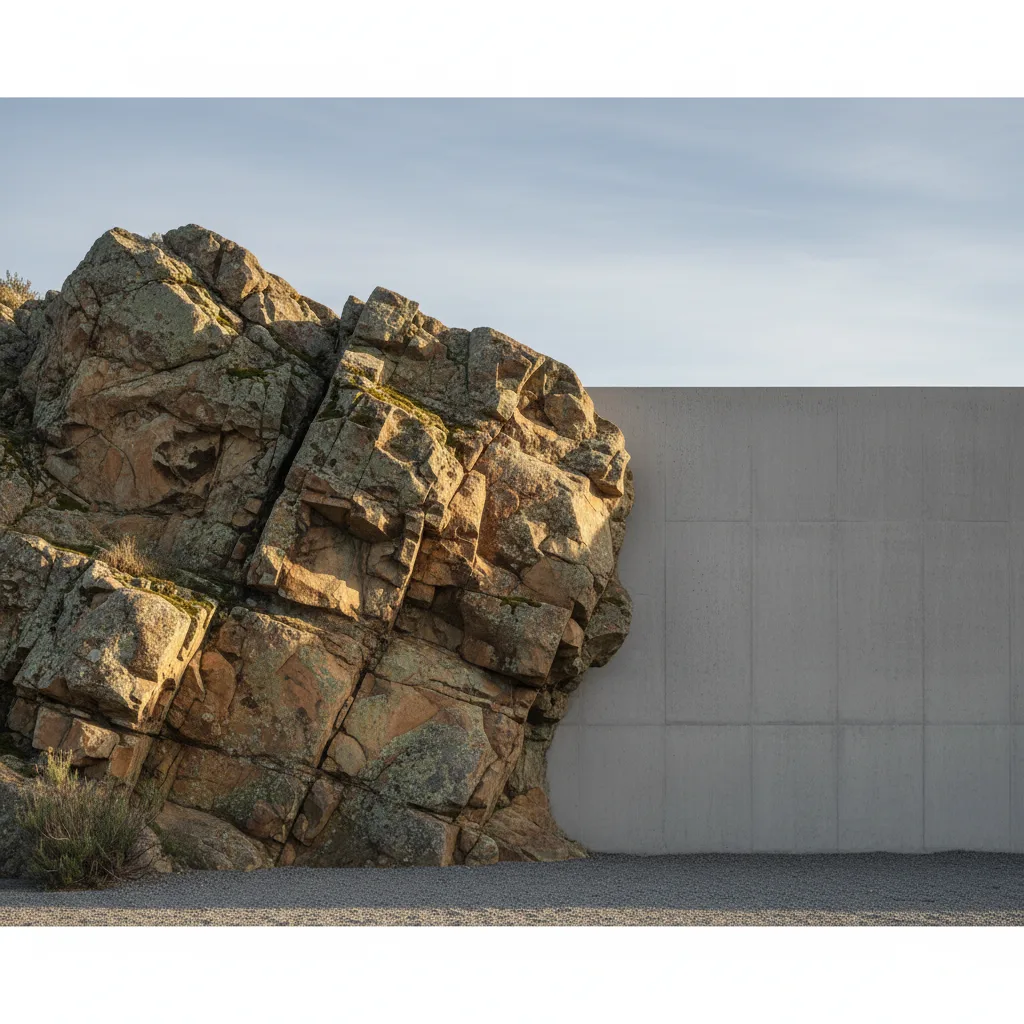
Minimalism and the Death of Detail: Navigating Simplicity's Edge
Minimalism offers clarity and freedom, but does 'less is more' inadvertently lead to a 'death of detail' and aesthetic homogeneity? This article explores simplicity's complex edge.
Minimalism and the Death of Detail: Navigating Simplicity’s Edge
In an increasingly complex and overwhelming world, minimalism has emerged as a powerful antidote, promising clarity, freedom, and focus. From decluttered homes to streamlined digital interfaces, the philosophy of “less is more” has permeated nearly every aspect of modern life. Yet, as we strip away the superfluous, an intriguing and sometimes unsettling question arises: are we inadvertently ushering in minimalism and the death of detail? This guide explores the profound impact of this pervasive trend, examining both its undeniable benefits and the subtle, often overlooked, richness it can erase from our lives and landscapes.
The Allure of Less: Why Minimalism Captivates Our Modern Psyche
The appeal of minimalism is multifaceted and deeply rooted in contemporary anxieties. In a consumer culture that constantly bombards us with choices and demands, the minimalist ethos offers a sanctuary. It’s not merely about owning fewer possessions; it’s a holistic approach to living that prioritizes intentionality, value, and purpose.
- Mental Clarity and Reduced Stress: A cluttered physical space often mirrors a cluttered mind. By minimizing possessions, individuals report reduced decision fatigue, enhanced focus, and a greater sense of calm. The pursuit of less allows mental energy to be redirected from managing things to pursuing passions and experiences.
- Financial Freedom: Adopting minimalist principles often leads to more conscious spending habits. Investing in fewer, higher-quality items, and prioritizing experiences over material acquisitions, can significantly reduce debt and foster financial independence.
- Environmental Responsibility: Minimalism inherently promotes sustainability. By consuming less, repairing more, and valuing durability, individuals reduce their ecological footprint, contributing to a more sustainable planet. The shift from a disposable culture to a mindful one is a powerful environmental statement.
- Reclaiming Time and Space: Fewer possessions mean less to clean, organize, and maintain. This frees up valuable time and physical space, allowing for pursuits that truly matter, whether it’s creative endeavors, relationships, or personal growth. Marie Kondo’s global phenomenon, “The Life-Changing Magic of Tidying Up,” exemplifies this desire for a more organized, joyful existence.
The rise of digital minimalism, spearheaded by figures like Cal Newport, further extends this philosophy to our online lives, urging us to curate our digital interactions and reduce screen time to reclaim focus and deepen real-world connections. This widespread adoption underscores a collective yearning for simplicity in an age of abundant information and endless stimulation.
The Silent Erosion: How Minimalism Contributes to the Death of Detail
While the benefits of minimalism are compelling, its relentless pursuit can inadvertently lead to a flattening of experience, a loss of character, and a stripping away of the very details that imbue life with richness and meaning. This is where the concept of the death of detail becomes most poignant.
Consider the craft of a handmade object versus a mass-produced, minimalist counterpart. A meticulously carved wooden spoon, with its unique grain, slight imperfections, and ergonomic nuances, tells a story of human touch, skill, and tradition. A sleek, perfectly smooth, industrially produced metal spoon, while functional and aesthetically “clean,” often lacks this narrative depth. The details – the subtle variations, the marks of creation, the historical echoes – are what give an object soul.
This erosion isn’t limited to physical objects:

- Loss of Individuality and Character: In design, a universal minimalist aesthetic can lead to homogeneity. Cities filled with identical glass-and-steel structures, or homes adorned with interchangeable neutral palettes, can lose their unique cultural and historical identifiers. The intricate cornices of an old building, the vibrant patterns of traditional textiles, or the idiosyncratic flourishes of a local artisan all contribute to a sense of place and identity that “pure” minimalism often eschews.
- Sacrifice of Sensory Richness: Details often engage multiple senses. The texture of an embroidered fabric, the complex aroma of a spice blend, the nuanced melody of a classical composition – these are all forms of detail that enrich our sensory perception of the world. An overly simplified environment, while visually clean, can become sterile, diminishing the multisensory tapestry of human experience.
- Historical and Cultural Disconnect: Many details in art, architecture, and everyday objects carry historical significance or cultural narratives. The patterns on a tribal rug, the motifs on an ancient vase, or the specific joinery in a traditional piece of furniture are not arbitrary; they are repositories of knowledge, belief, and heritage. A minimalist approach, focused on pure form and function, can inadvertently sever these vital connections to the past.
- The Commodification of Simplicity: In some instances, “minimalism” itself becomes a marketable aesthetic, leading to expensive, mass-produced items that mimic simplicity but lack genuine craftsmanship or sustainable origins. This superficial minimalism, devoid of true intentionality, further contributes to the death of authentic detail.
The danger lies not in simplicity itself, but in an unthinking, absolute rejection of complexity and ornamentation, which can inadvertently throw out the baby with the bathwater, sacrificing valuable layers of meaning and beauty.
Beyond Aesthetics: The Death of Detail in Digital and Physical Design
The impact of minimalism and the death of detail is particularly evident in the realms of modern design, spanning both the physical and digital worlds. This trend, often driven by a desire for efficiency and user-friendliness, has profound implications.
- Product Design (e.g., Apple): Apple is perhaps the most iconic proponent of minimalist design. Their products are characterized by clean lines, seamless surfaces, hidden ports, and an absence of overt ornamentation. This approach prioritizes intuitive user experience and sleek aesthetics. While undeniably beautiful and functional, it also means that the intricate engineering, the tactile buttons, and the visible screws of older devices are gone, replaced by an impenetrable, monolithic form. Repairability is often compromised, and the “story” of the device’s construction is obscured.
- Architecture and Interior Design: The rise of minimalist architecture, with its stark lines, open spaces, and monochromatic palettes, aims to create serene environments. Think of the brutalist movement’s focus on raw materials and essential forms, or modern Scandinavian design’s emphasis on functionality and light. While these spaces can be incredibly calming, an extreme adherence can lead to cold, impersonal interiors that lack warmth, personal touches, or the rich textural contrasts that make a space feel lived-in and inviting. The intricate carvings of a Victorian home or the vibrant tiles of a Mediterranean villa, once celebrated details, are now often seen as clutter.
- User Interface (UI) and User Experience (UX): Digital interfaces have undergone a radical transformation towards minimalism. Flat design, simplified icons, and abundant white space dominate apps and websites. The goal is to reduce cognitive load and make interactions intuitive. However, this can sometimes lead to a lack of visual cues, making it harder for users to discover features, or to differentiate between elements that now look too similar. The rich skeuomorphism (designs that mimic real-world objects) of early software, which provided comforting familiarity, has been largely abandoned in favor of abstract, streamlined graphics.
- Branding and Marketing: Logos have become increasingly simplified, often reduced to geometric shapes or sans-serif typography. While this makes them versatile and recognizable across various platforms, it can strip away the unique character, historical references, or intricate artistry that once defined brand identities. Compare classic elaborate emblems to the minimalist logos of tech giants today – the trend is clear.
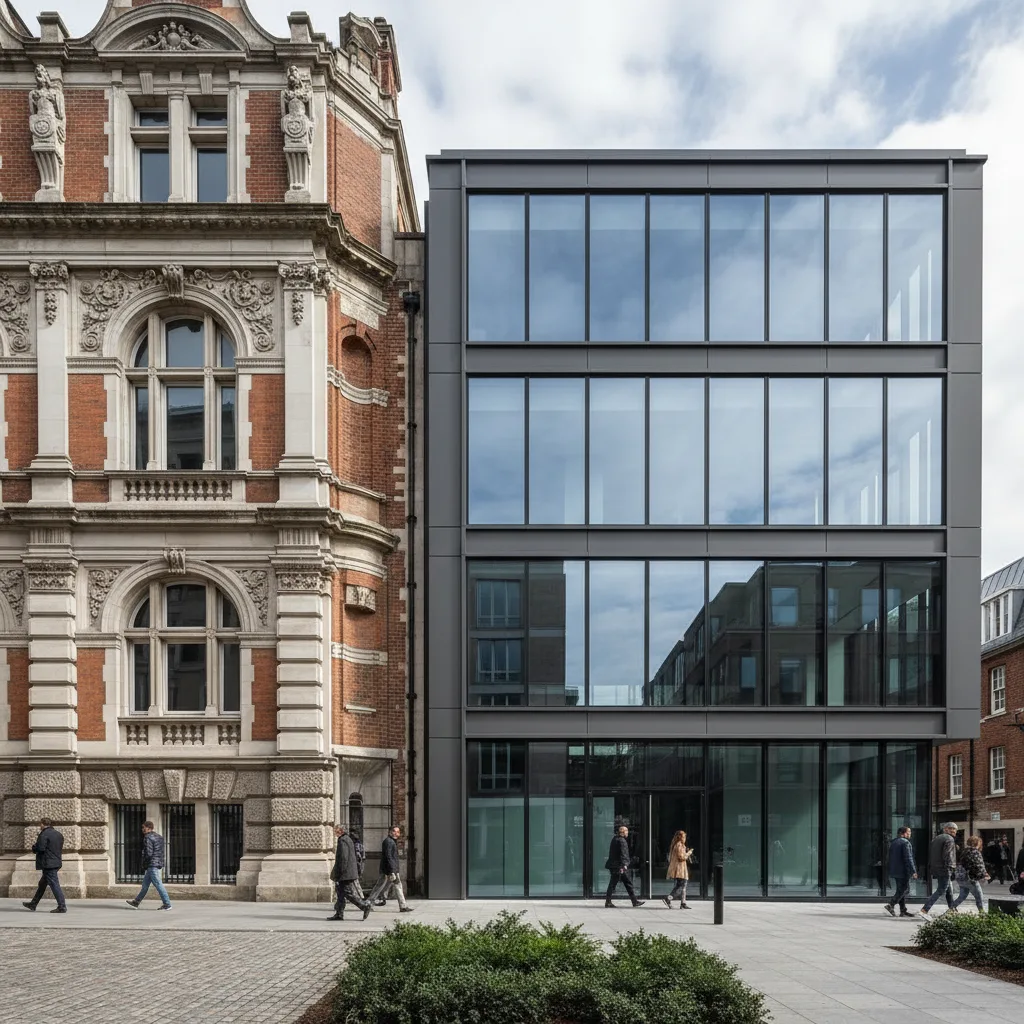
These examples highlight a trade-off: clarity and efficiency are gained, but often at the expense of visual interest, tactile pleasure, historical context, and the subtle cues that once guided our understanding and engagement.
Reclaiming Richness: Finding Balance in a Minimalist World
The challenge, then, is not to reject minimalism outright, but to cultivate a nuanced approach that embraces its benefits without succumbing to the death of detail. It’s about finding a “curated complexity” – a mindful integration of richness within a framework of intentionality.
- Intentional Detail, Not Clutter: Instead of eliminating all detail, focus on meaningful detail. This means choosing items, designs, and experiences that possess genuine craftsmanship, historical significance, or personal resonance. A single, beautifully crafted vase can hold more meaning and visual interest than a dozen generic decorative objects.
- Embrace Texture and Natural Materials: In interior design, even a minimalist space can feel rich and inviting through the intelligent use of textures and natural materials. Exposed wood, rough-hewn stone, woven fabrics, and lush plants introduce tactile and visual interest without adding clutter. These natural elements carry their own inherent details – the grain of wood, the veins in marble – that prevent sterility.
- Value Artisanal and Handmade: Support artisans and craftsmen whose work inherently celebrates detail, skill, and individuality. Investing in handmade items not only brings unique pieces into your life but also preserves traditional skills and supports a more sustainable, human-centric economy. These items often come with a story, a connection to their maker, and a depth that mass-produced goods lack.
- Curate Experiences Over Possessions: Shift focus from accumulating things to collecting experiences. A minimalist lifestyle frees up resources (time, money, mental space) to invest in travel, learning, relationships, and cultural engagement – all of which are rich in unique, unforgettable details.
- Mindful Digital Engagement: Apply minimalist principles to your digital life by decluttering apps, unsubscribing from unnecessary notifications, and curating your online feeds. However, also seek out digital experiences that offer depth and detail – engaging articles, documentaries, interactive learning platforms – rather than just endless scrolling through simplified content.
- Seek Out Cultural and Historical Depth: Actively engage with history, art, and diverse cultures. Visit museums, explore historical sites, read literature from different eras, and engage with diverse communities. These activities are rich in details that broaden perspective and deepen understanding, counteracting any potential flattening effect of an overly simplified personal environment.
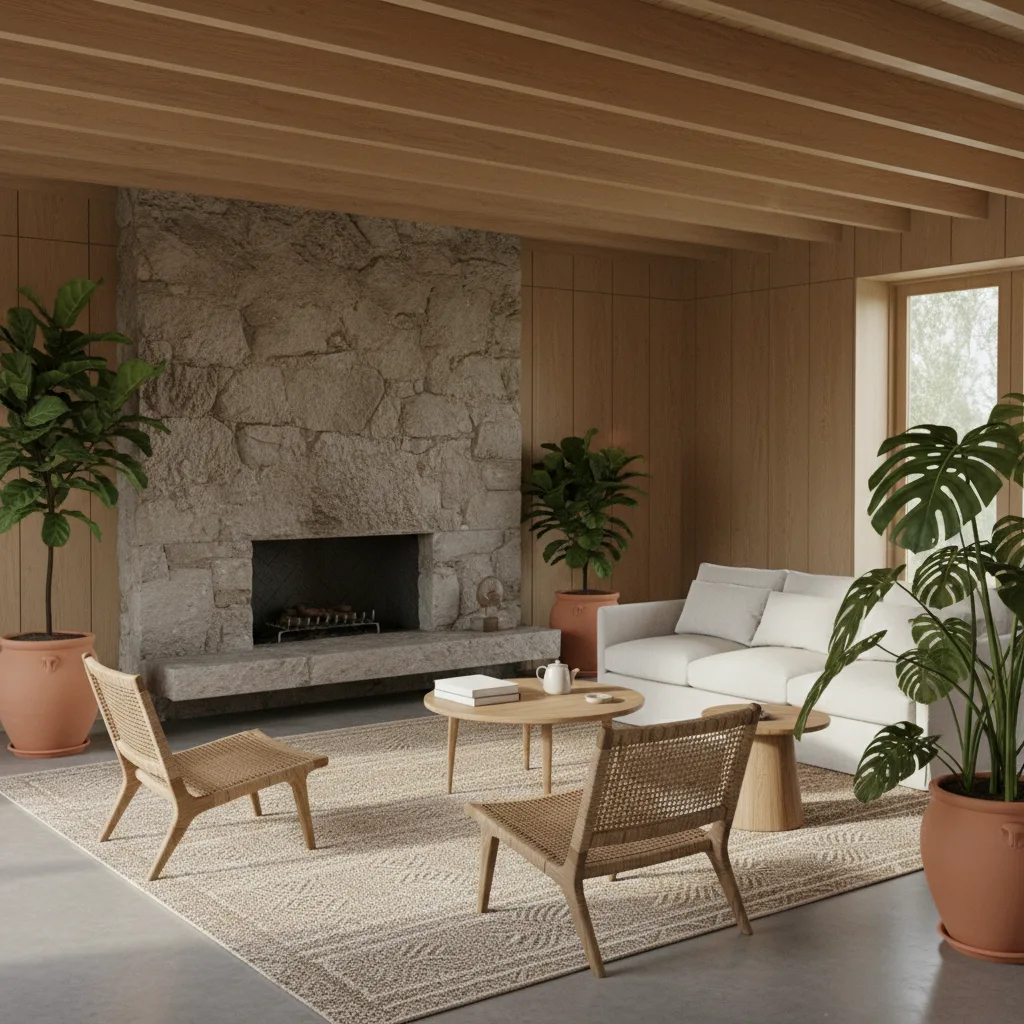
The goal is to cultivate an environment and a lifestyle that is both clear and captivating, simple yet profound, where every chosen element contributes to a richer, more intentional existence.
The Future of Detail: A Revival or Further Abstraction?
As we look ahead, the trajectory of minimalism and the death of detail remains an open question. Will the pendulum swing back towards an appreciation for ornamentation, complexity, and bespoke craftsmanship? Or will the drive for efficiency, scalability, and universal appeal continue to strip away the distinctive layers from our world?
There are signs of a potential revival of detail, often manifested as a reaction against extreme minimalism:
- The “Maximalist” Counter-Trend: In design, a growing movement embraces maximalism – a celebration of pattern, color, texture, and curated collections. This isn’t necessarily a return to clutter, but a deliberate choice to fill spaces with personality and narrative.
- Personalization and Customization: Technology, ironically, is enabling a new form of detail through personalization. AI-driven recommendations, customized products, and 3D printing allow for unique, tailored experiences and objects that can reflect individual preferences, bringing a new kind of “detail” back into mass production.
- The Value of Authenticity and Craft: As global supply chains face scrutiny and the digital world becomes increasingly pervasive, there’s a renewed appreciation for the tangible, the authentic, and the human-made. Farmers’ markets, artisanal goods, and local experiences are thriving, emphasizing the unique details that connect us to source and community.
- The “Quiet Luxury” Trend: This aesthetic, while still refined, emphasizes high-quality materials, subtle textures, and impeccable craftsmanship over overt branding or flashy displays. It’s a form of minimalism that values inherent detail in material and construction, rather than superficial ornamentation.
However, the forces driving abstraction and simplification remain powerful. The pursuit of universal design, the demands of mass production, and the constant pressure for faster, more intuitive digital experiences will continue to push towards streamlined aesthetics. The future likely lies in a dynamic tension between these forces, with discerning individuals and innovative designers finding ways to infuse intentional, meaningful detail into otherwise minimalist frameworks.
Conclusion
The journey into minimalism and the death of detail reveals a profound paradox of modern living. While minimalism offers undeniable paths to clarity, freedom, and sustainability, an uncritical embrace can lead to a flattening of experience, a loss of character, and the erosion of the very details that imbue life with richness, history, and soul.
The key takeaway is not to abandon minimalism, but to approach it with discernment. We must learn to differentiate between superfluous clutter and meaningful detail. By consciously curating our environments, our possessions, and our experiences, we can harness the power of simplicity while simultaneously celebrating the intricate tapestry of textures, stories, and craftsmanship that make our world vibrant and uniquely human. The aim should be a life that is both streamlined and rich, where less truly means more – but only when that “more” is thoughtfully chosen and deeply appreciated.