Natural Disasters: Volcanoes, Earthquakes & Tsunamis Explained
Explore the powerful geological forces behind volcanoes, earthquakes, and tsunamis. This comprehensive guide decodes nature's most devastating natural disasters.
Decoding the Fury: A Comprehensive Guide to Volcano Earthquake Tsunami Natural Disasters
Our planet is a dynamic, ever-changing entity, constantly shaping and reshaping itself through powerful geological forces. While these forces are essential for maintaining life as we know it, they can also unleash some of the most devastating events imaginable: volcano earthquake tsunami natural disasters. From the fiery eruptions that reshape landscapes to the colossal tremors that ripple through the Earth’s crust, and the subsequent oceanic behemoths that engulf coastlines, understanding these phenomena is crucial for resilience and safety. This comprehensive guide from TrendSeek will delve into the science behind these powerful events, explore their interconnectedness, and outline essential strategies for preparedness.
The Earth’s Fiery Breath: Unpacking Volcanoes
Volcanoes are geological formations where molten rock, hot gases, and ash erupt from beneath the Earth’s surface. They are windows into our planet’s fiery interior, typically found at the boundaries of tectonic plates, where these massive crustal slabs either collide or pull apart. However, some also occur over “hot spots” away from plate boundaries, like the Hawaiian Islands.
How Volcanoes Form and Erupt: The process begins deep within the Earth, where intense heat and pressure melt rock, forming magma. This magma, being less dense than the surrounding solid rock, slowly rises towards the surface. If it finds a path, such as cracks or weak points in the Earth’s crust, it can accumulate in a magma chamber. When pressure in this chamber exceeds the strength of the overlying rock, an eruption occurs.
Volcanic eruptions are broadly categorized into two types:
- Effusive Eruptions: Characterized by the relatively calm outpouring of fluid lava flows. These are common in shield volcanoes, creating broad, gently sloping mountains.
- Explosive Eruptions: Involve the violent ejection of fragmented rock, ash, and gases into the atmosphere. These are typical of stratovolcanoes and can be incredibly destructive, forming towering eruption columns.
Key Hazards Associated with Volcanoes:
- Lava Flows: Streams of molten rock that can incinerate everything in their path, though they usually move slowly enough for people to evacuate.
- Pyroclastic Flows: Fast-moving currents of hot gas and volcanic debris (ash, rock fragments) that can travel down volcano flanks at speeds exceeding 100 km/h and temperatures up to 1,000°C. They are incredibly deadly.
- Ashfall: Fine particles of pulverized rock and glass ejected into the atmosphere. Ash can travel hundreds of kilometers, impacting air quality, disrupting air travel, collapsing roofs, and damaging crops and infrastructure.
- Lahars: Destructive mudflows or debris flows composed of volcanic material and water. These can be triggered by heavy rainfall on loose ash or by the melting of glaciers during an eruption.
- Volcanic Gases: Gases like sulfur dioxide, carbon dioxide, and hydrogen fluoride can be released, posing respiratory hazards and contributing to acid rain or even climate effects.
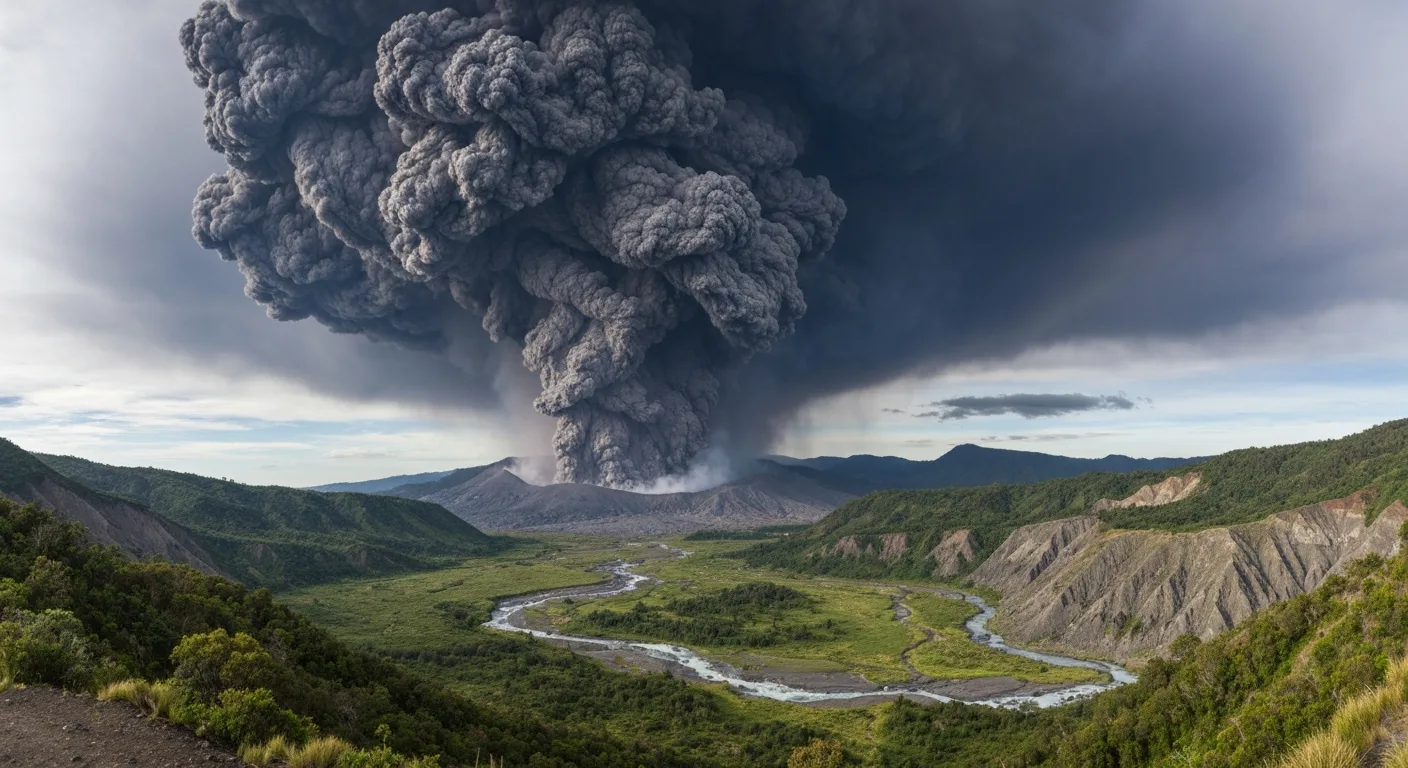
Real-World Example: The 1883 eruption of Krakatoa in Indonesia was one of the deadliest and most explosive in recorded history, generating massive pyroclastic flows and tsunamis that killed tens of thousands. Its impact on global weather patterns was felt for years. More recently, the ongoing eruptions of Kilauea in Hawaii provide a vivid example of effusive lava flows reshaping landscapes, while the 2022 eruption of Hunga Tonga-Hunga Ha’apai demonstrated the immense power of an underwater explosive eruption.
When the Earth Trembles: Exploring Earthquakes
An earthquake is the sudden shaking of the Earth’s crust caused by the release of energy that has been stored in rocks. This energy release occurs when there is a rapid slip on a fault – a fracture in the Earth’s crust where blocks of rock have moved relative to each other.
The Mechanics of Earthquakes: The primary cause of earthquakes is plate tectonics. The Earth’s lithosphere (crust and upper mantle) is broken into several large and small plates that are constantly moving, albeit very slowly (a few centimeters per year). When these plates interact, immense stress builds up along their boundaries. Eventually, this stress overcomes the friction holding the rocks together, causing them to suddenly slip past each other. This sudden movement generates seismic waves that propagate through the Earth and cause the ground to shake.
- The point where the earthquake originates underground is called the hypocenter (or focus).
- The point on the Earth’s surface directly above the hypocenter is the epicenter.
Measuring Earthquakes: The magnitude of an earthquake, a measure of the energy released, is commonly reported using the Moment Magnitude Scale (MMS), which has largely replaced the older Richter scale for larger quakes. Each whole number increase on the MMS represents about a 32-fold increase in energy released. The intensity of an earthquake, a measure of the shaking experienced at a particular location, is described by scales like the Modified Mercalli Intensity (MMI) scale, which ranges from “not felt” to “extreme damage.”
Key Hazards Associated with Earthquakes:
- Ground Shaking: The most direct and widespread hazard, causing buildings to collapse, infrastructure to fail, and widespread destruction.
- Liquefaction: Occurs when saturated sandy soil temporarily loses strength and stiffness and behaves like a liquid during intense shaking, causing structures to sink or tilt.
- Landslides and Rockfalls: Earthquakes can destabilize slopes, triggering massive landslides, especially in mountainous or hilly regions.
- Fires: Broken gas lines and electrical wires can ignite fires, which can spread rapidly, especially if water lines are also broken.
- Tsunamis: Large underwater earthquakes (especially those at subduction zones) are the most common cause of destructive tsunamis, as they displace massive volumes of seawater.
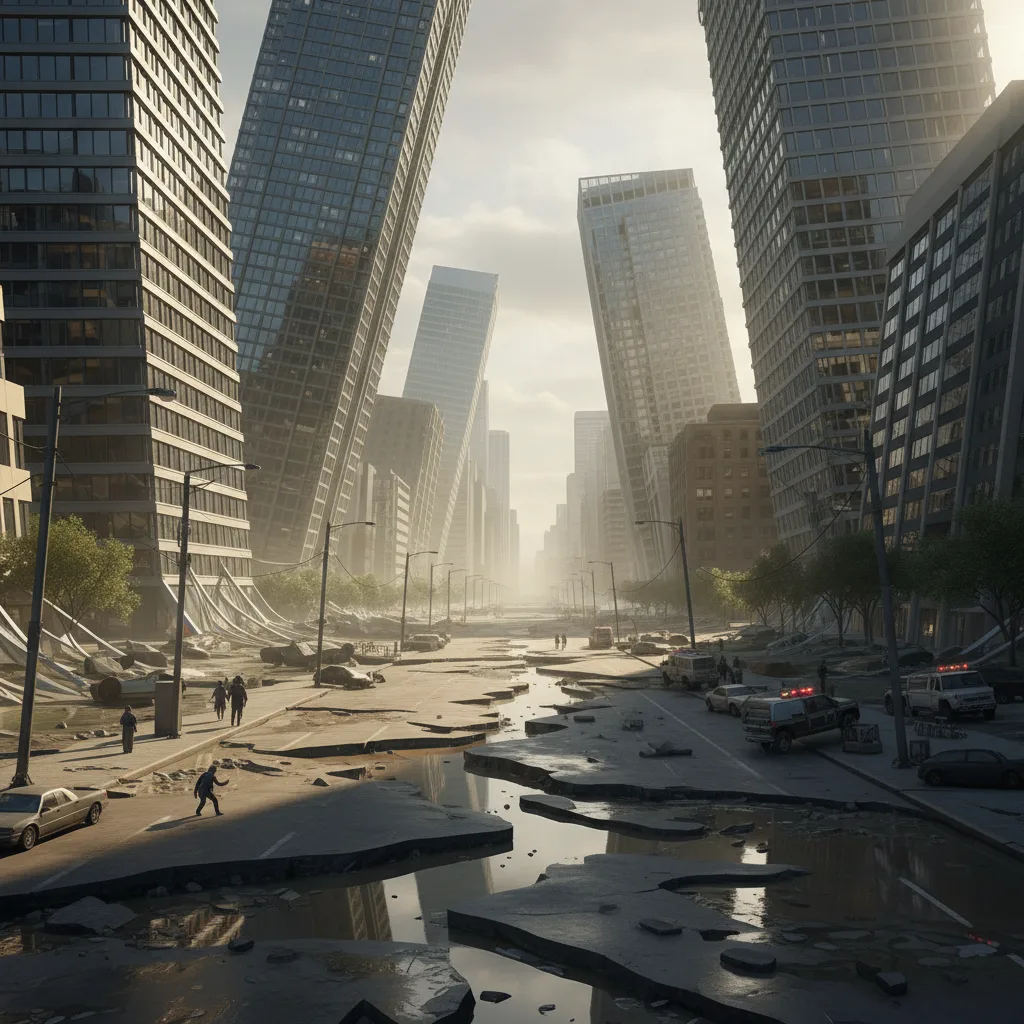
Real-World Example: The 1906 San Francisco earthquake (estimated M 7.9) caused extensive damage, primarily due to fires that raged for days. More recently, the 2011 Tohoku earthquake off the coast of Japan (M 9.1) was one of the most powerful ever recorded, causing immense destruction and triggering a devastating tsunami that led to the Fukushima Daiichi nuclear disaster. The San Andreas Fault in California is a famous transform plate boundary, constantly under stress and prone to major earthquakes.
The Ocean’s Fury: Delving into Tsunamis and Their Connection to Volcano Earthquake Tsunami Natural Disasters
Tsunamis are not typical ocean waves caused by wind; they are a series of extraordinarily long waves caused by the displacement of a large volume of water, typically in an ocean or a large lake. While often referred to as “tidal waves,” this is a misnomer as they have no relation to tides.
How Tsunamis Form: The most common and destructive cause of tsunamis is underwater earthquakes, particularly those occurring in subduction zones where one tectonic plate slides beneath another. When the seafloor suddenly deforms vertically during a large earthquake (M 7.5 or greater), it displaces the overlying water column. This displacement generates a series of waves that propagate outwards in all directions.
Other causes of tsunamis include:
- Underwater Landslides: Can be triggered by earthquakes or volcanic eruptions, displacing water.
- Volcanic Eruptions: Explosive underwater eruptions or the collapse of volcanic islands can generate tsunamis, as seen with Krakatoa.
- Meteorite Impacts: Though extremely rare, a large impact in the ocean could also generate a massive tsunami.
Tsunami Characteristics and Impact: In the deep ocean, tsunami waves are barely noticeable; they have a very long wavelength (hundreds of kilometers) but a small wave height (only a few tens of centimeters). However, they travel incredibly fast, often at speeds comparable to a jet airliner (500-1000 km/h).
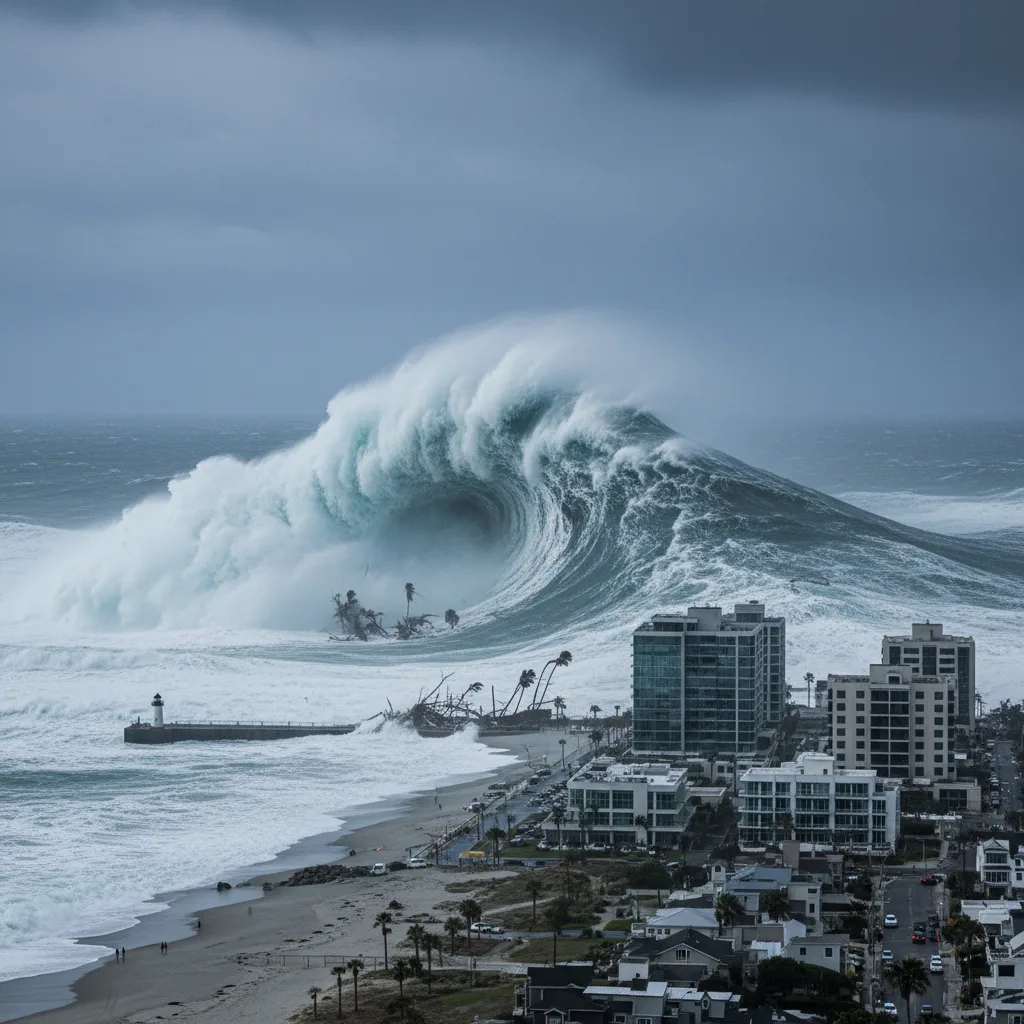
As a tsunami approaches shallower coastal waters, a phenomenon called shoaling occurs. The front of the wave slows down, but the back of the wave continues at its faster speed, causing the wave to compress. This compression dramatically increases the wave height, often reaching tens of meters. Unlike a typical breaking wave, a tsunami often appears as a rapidly rising tide or a wall of water that can inundate coastal areas for kilometers inland, carrying immense destructive power.
Real-World Example: The 2004 Indian Ocean Tsunami, triggered by a massive M 9.1 earthquake off the coast of Sumatra, was one of the deadliest natural disasters in modern history. It killed over 230,000 people across 14 countries, highlighting the need for robust early warning systems. The 2011 Japan Tsunami, caused by the Tohoku earthquake, similarly demonstrated the devastating power of these waves, leading to widespread destruction and the Fukushima nuclear disaster.
Interconnectedness and Global Impact of Volcano Earthquake Tsunami Natural Disasters
The three phenomena – volcanoes, earthquakes, and tsunamis – are not isolated events but are deeply interconnected, especially within the context of plate tectonics. The Earth’s dynamic crust is the common thread, particularly along the Ring of Fire, a horseshoe-shaped belt around the Pacific Ocean. This zone is characterized by a nearly continuous series of oceanic trenches, volcanic arcs, volcanic belts, and plate movements, making it home to 90% of the world’s earthquakes and 75% of the world’s active and dormant volcanoes.
- Earthquakes Triggering Tsunamis: As discussed, large underwater earthquakes, particularly those at subduction zones where one plate dives beneath another, are the most common cause of devastating tsunamis. The sudden vertical displacement of the seafloor directly translates into the displacement of the ocean water column.
- Volcanoes Triggering Earthquakes and Tsunamis: The movement of magma within a volcano can induce seismic activity, leading to volcanic earthquakes. Furthermore, explosive volcanic eruptions or associated landslides (both above and underwater) can displace large volumes of water, generating tsunamis. The collapse of volcanic structures, like the flank of a large stratovolcano, can also generate enormous tsunamis.
- Cascading Effects: A single initial event can trigger a chain reaction. For example, a major earthquake could trigger landslides, which in turn could block rivers creating temporary lakes, or generate localized tsunamis in enclosed bodies of water. The resulting infrastructure damage from an earthquake could also lead to fires or chemical spills.
The global impact of these interconnected volcano earthquake tsunami natural disasters is profound. Beyond the immediate loss of life and property, they can:
- Displace Populations: Forcing mass evacuations and creating humanitarian crises.
- Economic Disruptions: Destroying infrastructure, halting trade, crippling industries, and incurring massive reconstruction costs.
- Environmental Damage: Altering landscapes, contaminating water sources, damaging ecosystems (e.g., coral reefs, forests), and impacting agricultural land.
- Long-term Health Consequences: Due to injuries, disease outbreaks, and psychological trauma.
Understanding these interdependencies is critical for developing holistic disaster risk reduction strategies.
Preparedness and Mitigation: Navigating Volcano Earthquake Tsunami Natural Disasters
While we cannot prevent volcano earthquake tsunami natural disasters, we can significantly mitigate their impact through effective preparedness and mitigation strategies. This involves a multi-faceted approach, from international cooperation to individual household planning.
1. Early Warning Systems:
- Tsunami Warning Systems: Networks of seismic sensors, deep-ocean pressure sensors (DART buoys), and tide gauges continuously monitor for potential tsunami-generating events. These systems can provide minutes to hours of warning, crucial for coastal evacuations.
- Volcanic Monitoring: Observatories use seismometers, GPS, gas sensors, and satellite imagery to detect changes in volcanic activity (ground deformation, gas emissions, seismic tremors) that might indicate an impending eruption.
- Earthquake Early Warning: While predicting earthquakes is not possible, systems like ShakeAlert in the US can detect the initial (P) waves of an earthquake and rapidly send alerts before the more destructive (S) waves arrive, providing seconds to tens of seconds of warning for automated shutdowns, seeking cover, or slowing down trains.
2. Infrastructure Resilience:
- Building Codes: Strict enforcement of earthquake-resistant building codes can significantly reduce structural damage and save lives during seismic events.
- Land-Use Planning: Avoiding construction in high-risk areas such as floodplains, active fault zones, or near volcanic vents.
- Protective Barriers: Seawalls and breakwaters can offer some protection against smaller tsunamis, though their effectiveness against very large waves is limited.
3. Community Education and Drills:
- Public Awareness Campaigns: Educating the public about the signs of impending disasters (e.g., sudden sea retreat before a tsunami, increased volcanic ash), evacuation routes, and safe zones.
- Regular Drills: Practicing “Drop, Cover, and Hold On” for earthquakes, tsunami evacuation drills, and volcanic emergency procedures.
- Designated Shelters: Establishing and clearly marking safe evacuation centers.
4. Individual and Household Preparedness:
- Emergency Kit: Prepare a “go-bag” with essential supplies (water, non-perishable food, first-aid kit, flashlight, radio, extra batteries, whistle, important documents, medications, cash) for at least 72 hours.
- Family Communication Plan: Establish how family members will contact each other if separated and where they will meet.
- Secure Your Home: Bolt down water heaters, secure heavy furniture to walls, and remove heavy items from high shelves to prevent injury during an earthquake.
- Know Your Zone: Understand if you live in a tsunami evacuation zone, volcanic hazard zone, or earthquake-prone area, and know your designated evacuation routes.
- Stay Informed: Follow official alerts from local authorities and geological agencies.
By investing in these measures, communities and individuals can become more resilient to the unpredictable forces of nature.
Conclusion
The Earth’s dynamic processes, manifesting as volcano earthquake tsunami natural disasters, are a powerful reminder of our planet’s immense energy and the continuous forces that shape it. From the fiery depths of volcanoes to the sudden tremors of earthquakes and the devastating reach of tsunamis, these events demand our respect and understanding. While their occurrence is beyond our control, our capacity for scientific observation, early warning, robust infrastructure, and community-wide preparedness is not. By embracing knowledge, fostering resilience, and taking proactive steps, we can significantly reduce the catastrophic impacts of these natural hazards, safeguarding lives and building a more secure future for all.