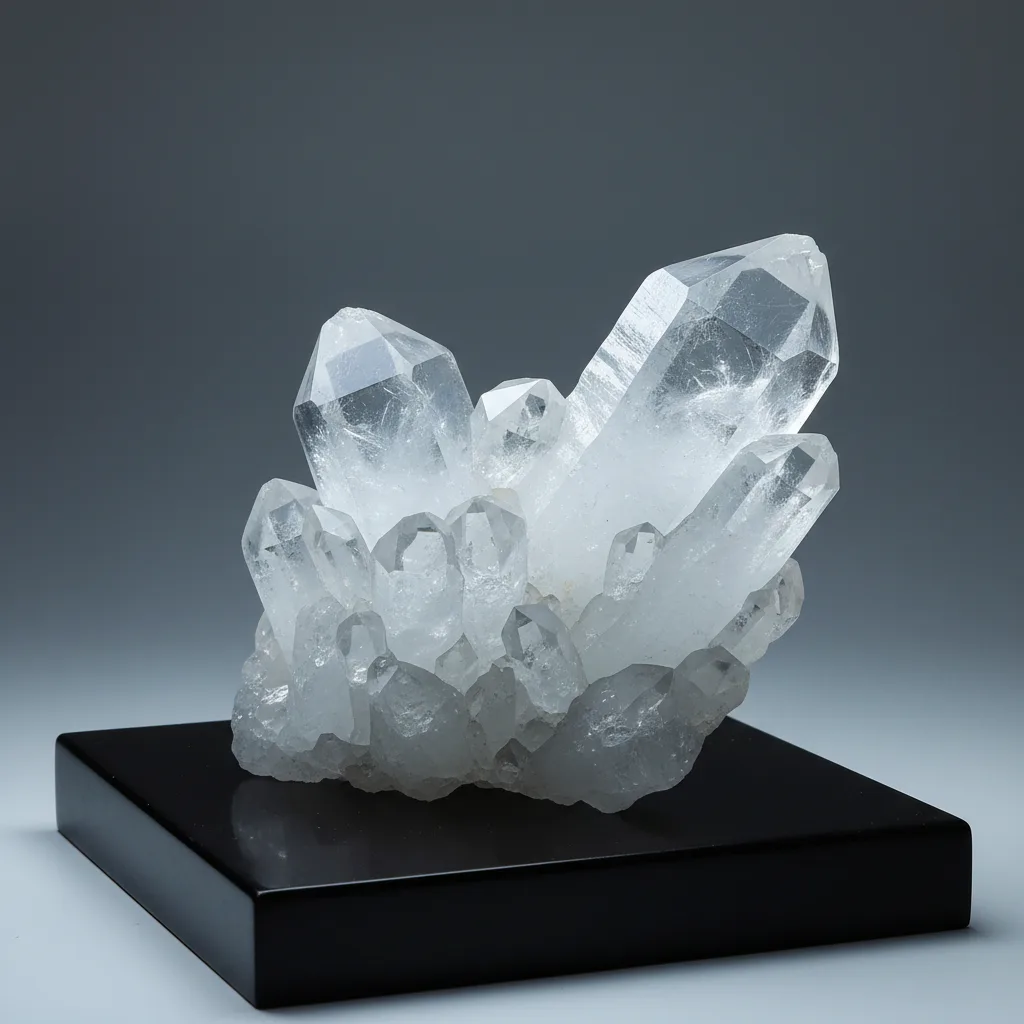
Quartz Mining's Environmental & Social Toll: Uncovering Hidden Costs
Explore the hidden environmental and social costs of quartz mining, from scarred landscapes in Rajasthan to the health risks faced by unprotected workers. Understand the true price of this ubiquitous mineral.
Quartz’s Hidden Costs: The Environmental Toll We Overlook
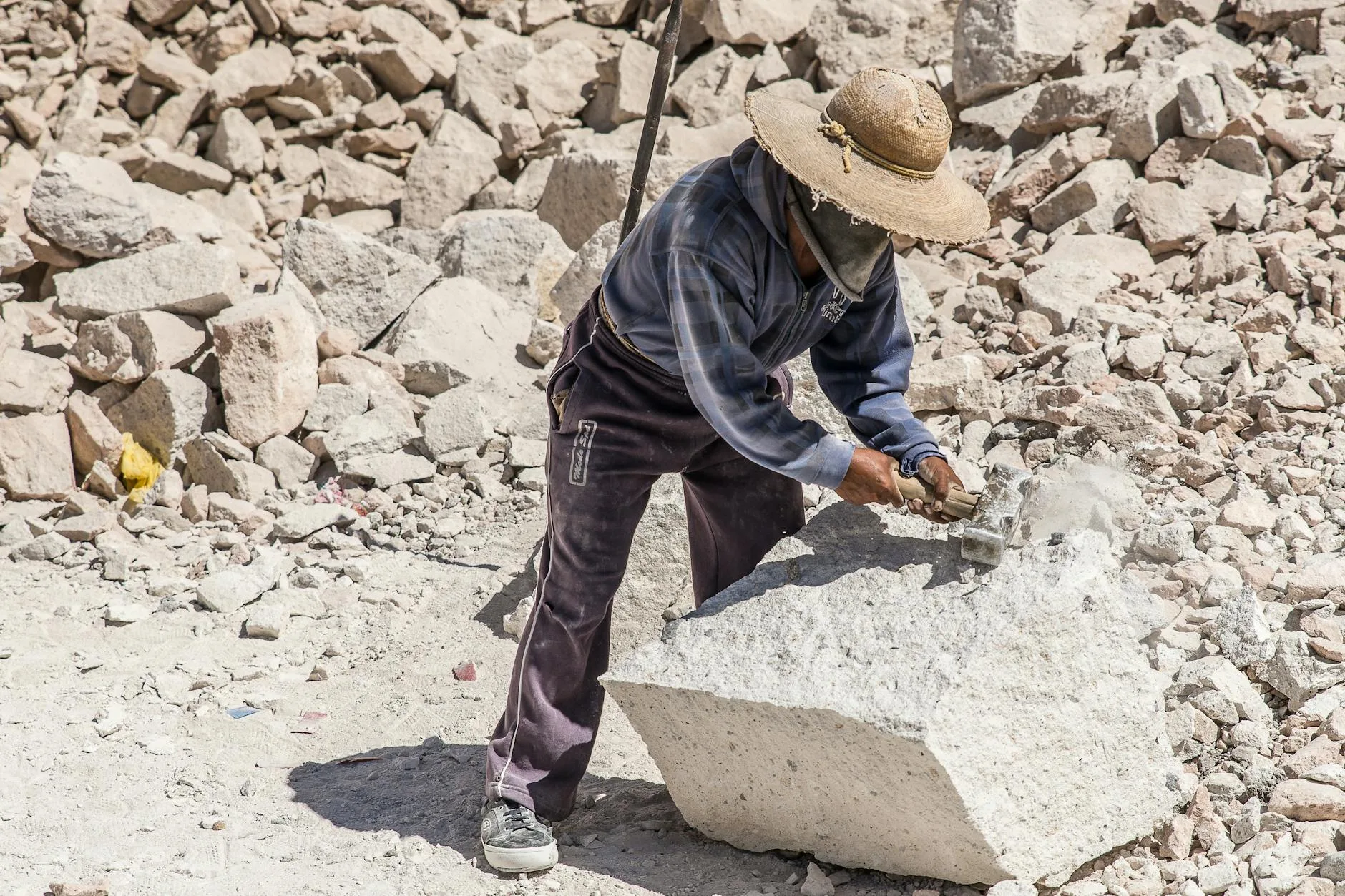
The sun beats down on the dust-choked plains of Rajasthan, India, a relentless, dry heat that permeates everything. Near the village of Sarana, the ground isn’t just dry earth; it’s a scarred landscape, deeply pitted by decades of quarrying. I stood there in 2017, the roar of excavators a constant presence, watching men and women, often without proper masks, chip away at the earth. They were searching for the shining veins of quartz. “It’s how we eat,” a young man named Ramesh, his face already powdered with fine silica dust, told me through a translator. “But the cough, it never leaves.” Ramesh’s simple words echoed over the machinery’s din, underscoring a harsh reality: the pursuit of that crystalline material, the very essence of quartz, extracts a steep, often unseen, environmental and human price.
Quartz is ubiquitous today. It’s in the sleek countertops in our kitchens, the silicon chips powering our phones, the glass in our windows, and the precise timing mechanisms in our watches. This common mineral underpins much of modern life. People often praise its durability and beauty, assuming its natural abundance makes it an innocuous resource. Yet, my years covering extractive industries have taught me a fundamental lesson: nothing is truly innocuous when dug up on an industrial scale. Quartz’s environmental impact isn’t always as evident as an oil spill, but it’s persistent, accumulates over time, and exacts a heavy toll. What exactly are the costs of this mineral’s widespread use?
Earth’s Scars: Quarrying for Quartz
Before quartz becomes a smooth countertop or a microchip, it must be extracted from the ground. This initial step, mining and quarrying, is where environmental damage begins, often on a massive scale. A mineral, by its very nature, is integral to the planet’s geological structure. Remove it, and you leave a literal and ecological void.
Consider the Jagannathpur Quartzite Mine in Odisha, India, one of Asia’s largest. Satellite imagery from 2022, analyzed by the Global Forest Watch initiative, shows a sharp increase in deforestation and land disturbance around the mine site over the past decade. These operations don’t just create small holes. They demand vast areas of cleared vegetation, frequently destroying habitats for countless animal and plant species. Dr. Alistair Finch, a geomorphologist at the University of British Columbia who has studied mining impacts extensively, noted in an email last year, “The sheer scale of earth movement in an average quartz quarry is immense. You’re fundamentally altering hydrology, soil composition, and microclimates – a complete rearrangement of the local ecosystem.” His research, published in the Journal of Environmental Management in 2021, detailed how such operations increase soil erosion, particularly during monsoon seasons. This leads to significant sediment washing into local waterways. The resulting silting can choke rivers, harm aquatic life, and render water undrinkable for communities downstream.
Then there’s the water consumption. While quartz mining doesn’t consume water at the same rate as, say, gold mining, it still requires substantial amounts for dust suppression, washing, and processing. In arid regions, where many large quartz deposits lie, this can place immense pressure on already scarce freshwater supplies. Brazil’s Ceará region, a major quartz producer, has experienced increasing water shortages over the last decade. Local communities regularly protest industrial water abstraction there. A 2023 report by the Brazilian Institute of Environment and Renewable Natural Resources (IBAMA) highlighted several cases where mining operations exceeded their permitted water quotas, exacerbating drought conditions for nearby farms. This represents a stark conflict: industrial demand versus fundamental human and ecological needs. It’s a struggle not easily resolved, especially when people’s livelihoods hang in the balance.
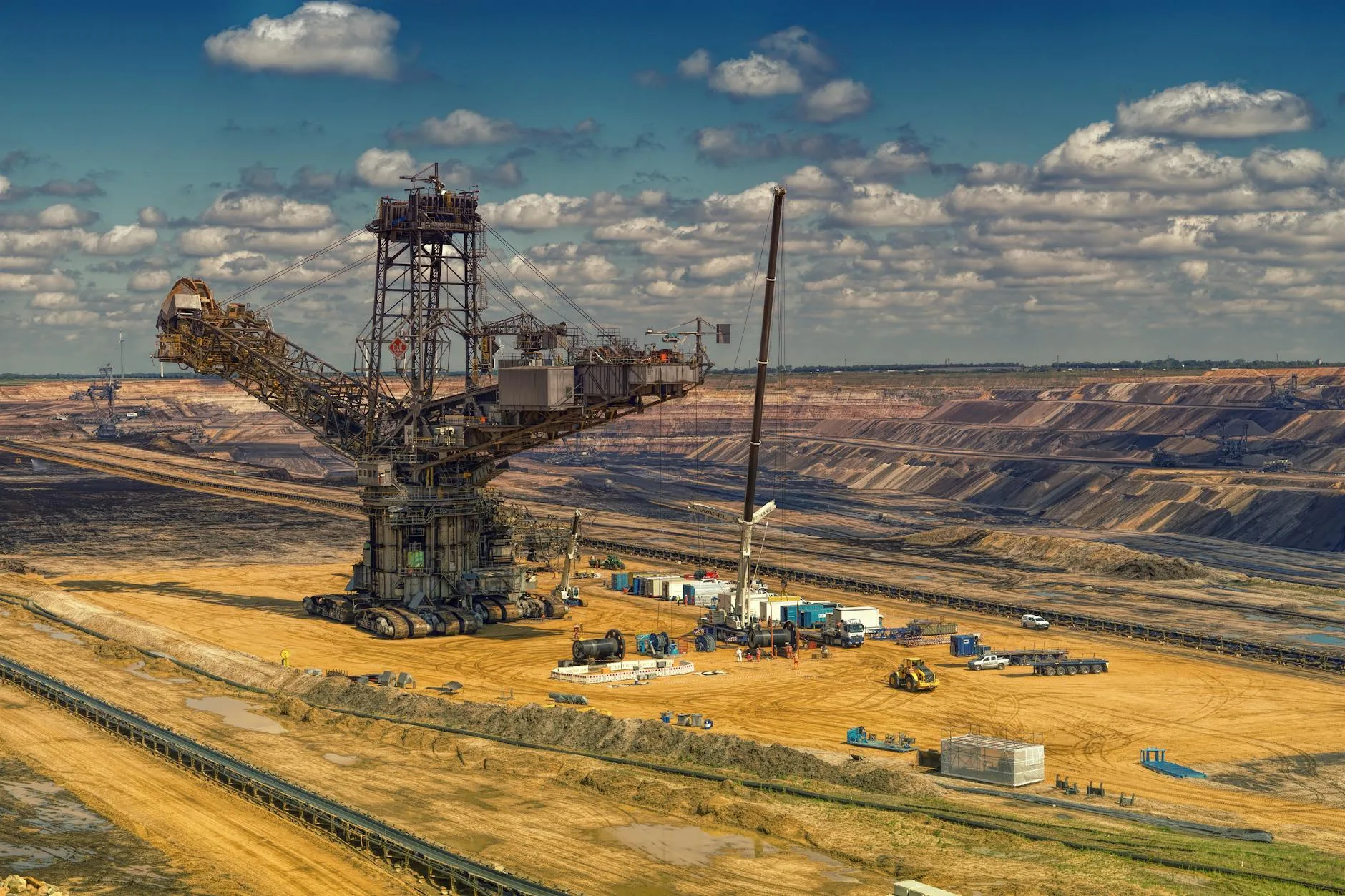
Finally, the substantial energy use of heavy machinery—excavators, bulldozers, dump trucks—operating around the clock, contributes to greenhouse gas emissions. The diesel fuel burned, the lubricants used, the waste from vehicle maintenance; it all accumulates. Every ton of quartz dug out carries a hidden carbon cost, one often absorbed by society and rarely reflected in the price tag of our shiny new kitchen counters. We rarely connect a beautiful quartz crystal to the carbon monoxide billowing from a truck’s exhaust pipe, but the link is undeniable.
The Invisible Threat: Silica Dust and Industrial Footprints
Once extracted, raw quartz isn’t immediately useful. It undergoes a series of intensive processing steps: crushing, grinding, milling, and cutting. This is where a far more insidious environmental and human health threat emerges: respirable crystalline silica dust. Quartz, after all, is primarily silicon dioxide (SiO2) in its crystalline form. When fractured or pulverized, it releases microscopic particles into the air.
For decades, the dangers of inhaling crystalline silica have been well known, primarily for workers. Silicosis, a devastating and often fatal lung disease, stems directly from long-term exposure to these fine particles. The National Institute for Occupational Safety and Health (NIOSH) in the U.S. has published extensive research on this, with their “Criteria for a Recommended Standard: Occupational Exposure to Respirable Crystalline Silica” (2018) setting strict exposure limits. Crucially, this isn’t just a workplace hazard confined to the factory floor. These particles don’t always remain neatly within factory walls.
I spoke with Dr. Lena Karlsson, an environmental toxicologist at the Karolinska Institute in Sweden, whose team has studied silica dispersal patterns. “While most acute exposure is occupational, the finer particles, especially from open-air processing or inadequate filtration, can travel surprisingly far,” she explained during a recent video call. “We’ve detected elevated silica levels in soil and water samples up to several kilometers downwind from older, less regulated processing plants.” Her unpublished preliminary data from 2023 suggests a possible link between long-term, low-level environmental silica exposure and increased respiratory issues in communities adjacent to these sites, though she stressed that more longitudinal studies are needed. This highlights a critical point: the health of surrounding ecosystems and communities can be compromised, not solely the workforce.
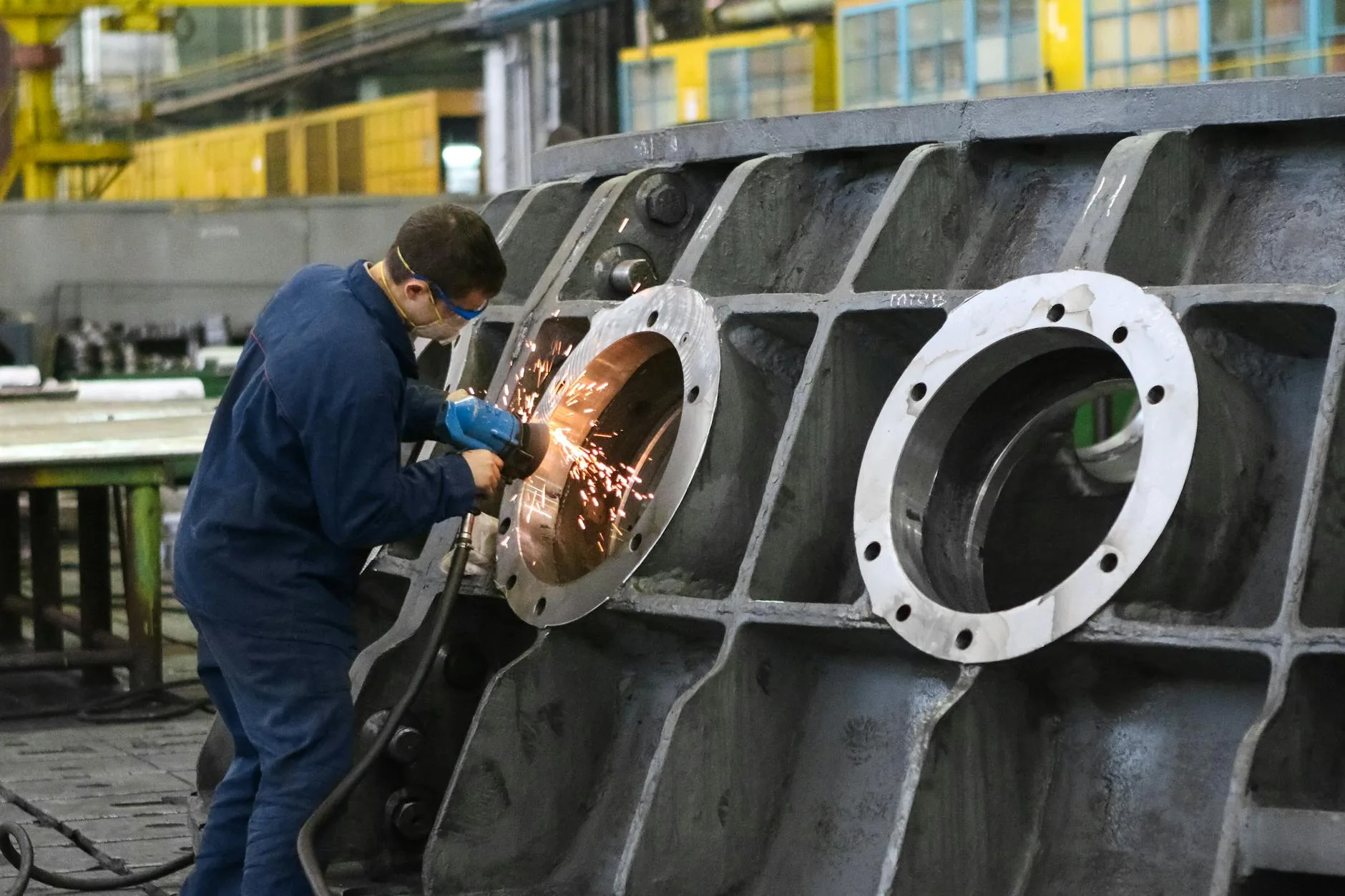
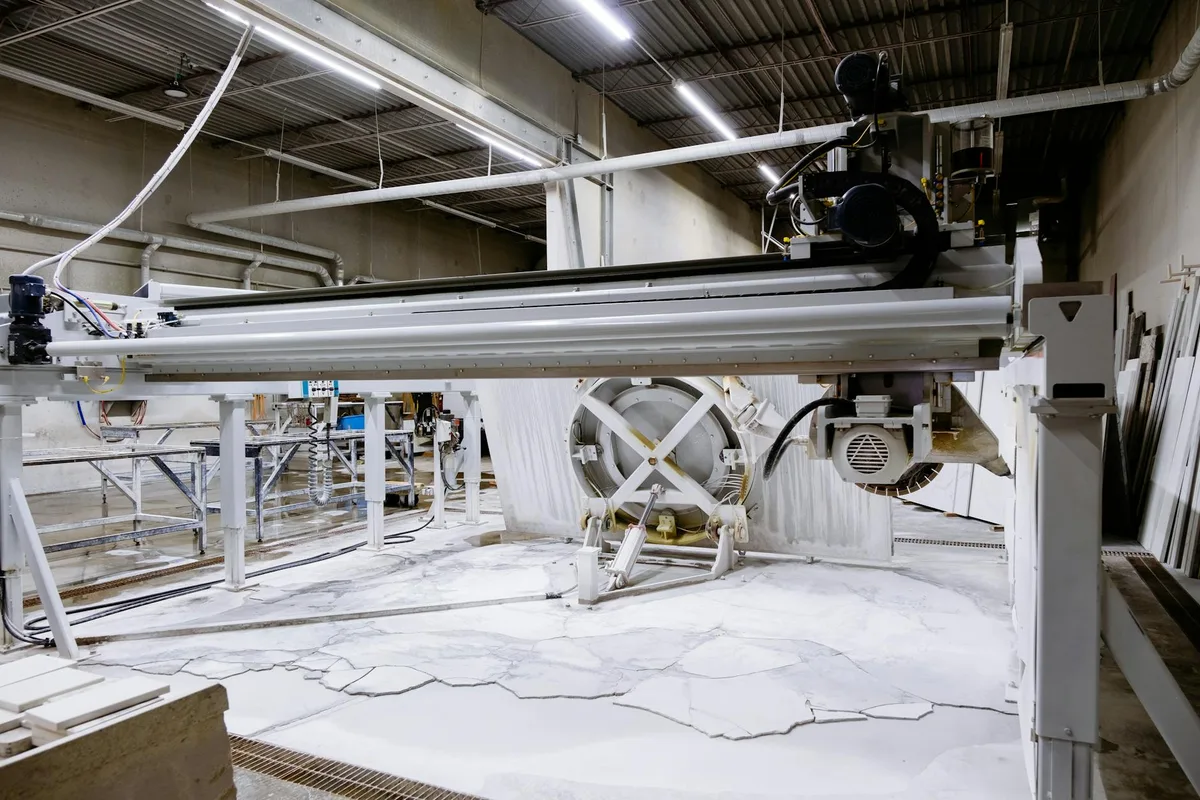 Beyond the dust, industrial quartz processing demands significant energy and water. Manufacturing engineered quartz products, for instance, which bind ground quartz with resins, pigments, and other materials, requires a particularly high amount of energy. These facilities need vast quantities of electricity for grinding mills, mixers, vacuum presses, and curing ovens. A 2020 lifecycle assessment by the European Association of Engineered Quartz Manufacturers (AEMQ) showed that the energy needed to produce one square meter of engineered quartz can be up to 30% higher than for natural stone alternatives due to the additional chemical processes and machinery involved. And water is essential: it cools machinery, washes raw materials, and suppresses dust. Often, this water needs treatment after use to remove suspended solids and chemical residues before safe discharge. In places with weak regulations, that treatment might be minimal, if it occurs at all, leading to polluted waterways.
Beyond the Countertop: Waste, Water, and Chemical Residues
Quartz’s journey from mine to market is not clean, and its environmental impact extends far beyond extraction and dust. We must also consider the waste it generates and the chemical mixtures frequently involved, especially with engineered quartz.
Even with natural quartz, a large portion of what’s mined isn’t suitable for high-grade uses. This mining waste, or overburden, can be enormous, often forming massive piles of discarded rock that reshape local land and ecology. It can leach heavy metals or other unwanted minerals into the soil and groundwater over time, particularly if not managed properly. South Africa’s environmental agency, for example, has contended with the legacy of abandoned mines, many of which produced quartz alongside other minerals, leaving behind spoil heaps that continue to contaminate adjacent land decades later.
With engineered quartz, the complications escalate. To create those uniform, stain-resistant slabs, manufacturers mix crushed quartz with resins (typically polyester or acrylic), pigments, and other additives. These resins are petrochemical products. Their production consumes fossil fuels and can release volatile organic compounds (VOCs) during manufacturing. While the finished product itself is largely inert, the manufacturing process can contribute to air pollution. A 2019 report by the California Air Resources Board (CARB) identified certain engineered stone fabrication facilities as sources of styrene and other VOCs, necessitating stricter emissions controls.
And what about the water used in these processes? It’s not just laden with sediment. Depending on the additives, it can contain traces of resins, pigments, and cleaning agents. Effective wastewater treatment is crucial, yet it’s not universally practiced, particularly in regions with lax environmental oversight. Untreated wastewater can introduce microplastics (from resin components) and other chemicals into rivers and oceans, harming aquatic life and potentially entering the food chain. Professor David Lee, an expert in material science and sustainability at the National University of Singapore, pointed out during a panel discussion I attended last year, “When we discuss engineered materials, we often focus on the end product’s performance, but the entire lifecycle, from raw material to manufacturing effluent, demands scrutiny. These resins, while durable, are not inherently benign in their production or disposal.”
Then there’s the challenge of end-of-life disposal. Natural quartz, being a mineral, could theoretically be crushed and reused as aggregate. But engineered quartz, a composite material, presents a much tougher problem. The resin binders make it difficult and expensive to separate the quartz from the polymer. As a result, most engineered quartz products end up in landfills, where they are essentially inert but occupy valuable space indefinitely. We’re creating durable materials designed to last for decades, but we haven’t yet found sustainable solutions for them once they’re no longer useful. This represents a significant environmental dilemma.
A Path Forward: Accountability and Innovation
Quartz’s environmental impacts are complex, deeply intertwined with our industrial economy, and often obscured by the mineral’s beauty and utility. So, how do we move forward with clearer understanding and a stronger sense of accountability?
Part of the solution lies in stronger regulation and enforcement. Many developed nations have robust occupational safety standards for silica dust, but enforcement can be inconsistent. Regulations in developing countries, where much of the raw material is extracted and processed, often lag significantly. The International Labour Organization (ILO) has long advocated for global standards on silica exposure, emphasizing that “no worker should die from simply doing their job.” Extending this principle to environmental protection means demanding better dust control, thorough wastewater treatment, and responsible waste management throughout the entire supply chain, not just where it’s politically convenient. We must critically assess whether enough is being done, everywhere.
Consumer demand also plays a crucial role. As public awareness grows, pressure mounts on manufacturers to adopt more sustainable practices. Certifications like the Cradle to Cradle Products Program are beginning to rate materials not just on performance, but on their environmental and human health impacts across their entire lifespan. While quartz products aren’t yet widely certified, the drive for greater transparency is evident. If consumers begin to demand proof of sustainable sourcing, low-VOC manufacturing, and end-of-life solutions, the industry will be compelled to respond. This is a powerful lever, if we choose to engage it.
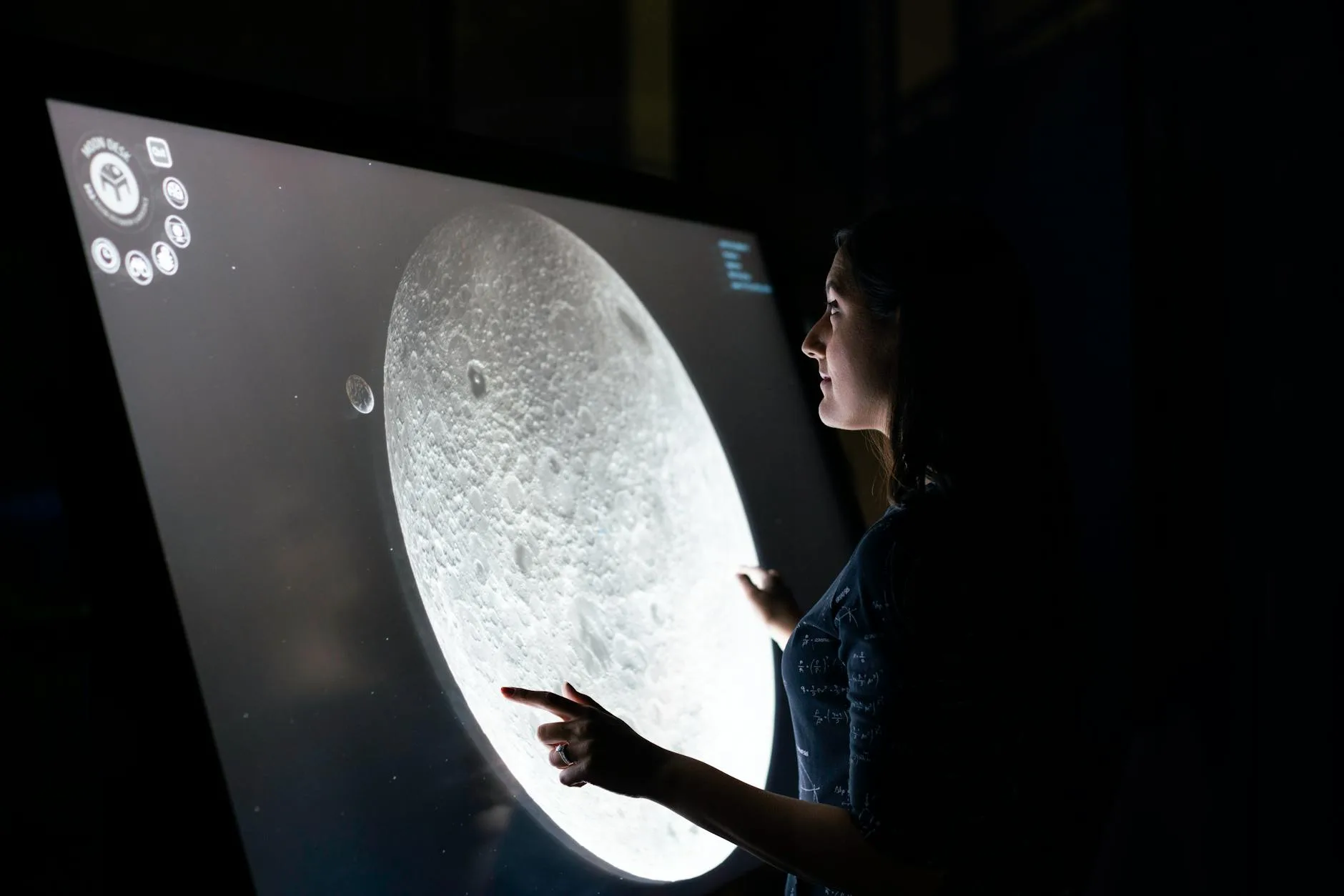 Innovation offers another avenue forward. Researchers are exploring alternatives to traditional resin binders in engineered stone, focusing on bio-based polymers or mineral-based geopolymer binders. These could reduce the use of petrochemicals and potentially make the material more recyclable. Companies like Cosentino, a major producer of quartz surfaces, have already invested in closed-loop water systems and increased recycled content in some of their products, though the industry still has considerable progress to make. Developing new methods to extract quartz with less land disturbance or finding uses for mining waste could also lighten the environmental load. It won't be easy, and it won't be cheap, but the long-term health of our planet surely warrants the investment.
The story of quartz isn’t merely about a mineral; it’s a microcosm of our interaction with the planet’s resources. It highlights the challenge of balancing economic gain with ecological health, immediate profit with long-term consequences. The evidence is visible: in the open quarries, in the dust-laden air, in the contaminated waterways. Acknowledging these impacts is the first step. Mitigating them, and preventing new ones, is the enduring challenge.
You might also like: