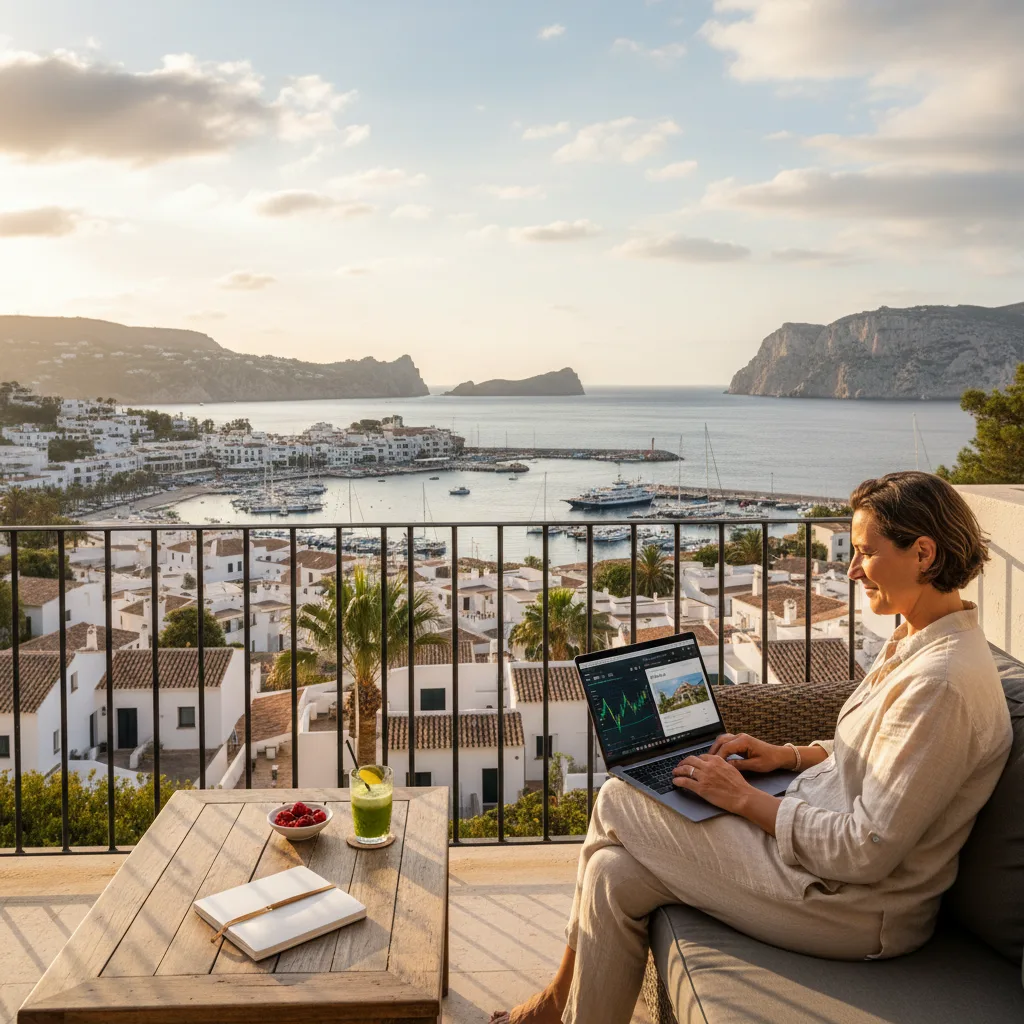
Real Estate Investing for Digital Nomads: Marketing & Wellness Strategy
Unlock financial independence as a digital nomad through smart real estate investing. This guide covers marketing strategies and wellness tips for location-independent wealth.
Real Estate Investing for Digital Nomads: A Marketing & Wellness Strategy Guide
The dream of location independence has never been more attainable. Digital nomads, armed with laptops and an insatiable wanderlust, are redefining the traditional workday, proving that productivity isn’t confined to an office cubicle. Yet, while the freedom to explore is exhilarating, the pursuit of true financial independence and sustainable well-being often requires more than just a stable internet connection. This is where Real Estate Investing for Digital Nomads: A Marketing & Wellness Strategy Guide comes into play, offering a powerful pathway to secure your future, amplify your personal brand, and cultivate a deeper sense of peace amidst your global adventures.
Many digital nomads focus on building portable careers, but fewer explore how physical assets can fuel their nomadic lifestyle. Real estate, traditionally seen as a tether, can actually become an anchor of stability, generating passive income, providing a strategic home base, and even serving as a unique marketing tool. Far from trapping you, a well-chosen property can liberate you, offering a tangible asset that works for you while you explore the world.

The Digital Nomad’s Unique Investment Landscape
Digital nomads operate within a unique economic paradigm. Their income often comes from diverse, sometimes fluctuating, sources, and their lack of a permanent address can complicate traditional financial planning. This transient lifestyle, while rich in experience, can sometimes lack the perceived stability that traditional investors enjoy. However, these very characteristics present distinct opportunities for strategic real estate investment.
For the digital nomad, flexibility and remote management are paramount. An investment that demands constant physical presence or hands-on oversight contradicts the core tenets of nomadic life. Therefore, the focus shifts to properties and strategies that can be managed from anywhere, at any time, with minimal direct intervention. The goal isn’t just to make money; it’s to create a revenue stream that supports and enhances the nomadic lifestyle, rather than hindering it.
Think about the financial freedom a consistent passive income stream provides. It can buffer against client dry spells, fund extended travels, or even act as a down payment for your next adventure. Moreover, owning property in a stable market can serve as a robust hedge against inflation and currency fluctuations, providing a tangible asset in an increasingly digital world. This strategic approach to real estate investing for digital nomads isn’t just about financial gains; it’s about building a resilient foundation for a life lived on your own terms.
Strategic Real Estate Investing for Digital Nomads: Building a Foundation for Freedom
The key to successful real estate investing as a digital nomad lies in choosing the right type of property and implementing a robust remote management strategy. Your goal is to generate income with minimal personal involvement, allowing you to maintain your geographical freedom.
-
Short-Term Rentals (STRs):
- Concept: Purchasing a property (apartment, house, villa) in a high-demand tourist or business travel location and renting it out through platforms like Airbnb, Vrbo, or Booking.com.
- Why it works for nomads: High income potential, especially in desirable locations. Can be leveraged for personal use during off-peak times or as a “home base” between travels.
- Remote Management: Essential to outsource. Utilize property management companies specialized in STRs, smart home technology (keyless entry, remote thermostats), and virtual assistants for guest communication.
- Location Selection: Focus on cities with strong tourism, business hubs, or unique attractions. Think Austin, Lisbon, Medellín, or Bali – places popular with other nomads and tourists alike.
- Example: A digital nomad purchases a stylish 1-bedroom apartment in Porto, Portugal. They hire a local management company that handles cleaning, guest check-ins, and maintenance. The property generates enough income to cover its mortgage and contribute significantly to their travel fund, and they use it themselves for a month each year.
-
Long-Term Rentals (LTRs):
- Concept: Purchasing residential property and renting it out to tenants on a standard 12-month lease.
- Why it works for nomads: Offers more stable and predictable income compared to STRs, with less turnover and administrative overhead.
- Remote Management: Crucial to have a reliable property manager or management company that handles tenant screening, lease agreements, rent collection, and maintenance requests.
- Location Selection: Look for markets with strong job growth, good schools, and a steady rental demand. Often, these are not necessarily tourist hotspots but rather growing metropolitan areas.
-
Real Estate Investment Trusts (REITs):
- Concept: Investing in companies that own, operate, or finance income-producing real estate across various sectors (residential, commercial, industrial). You buy shares in these companies, similar to stocks.
- Why it works for nomads: Completely passive. No direct property management, no tenants, no maintenance. Highly liquid, allowing easy entry and exit. Diversified across multiple properties and locations.
- Remote Management: None required. This is a truly hands-off investment.
- Consideration: While passive, REITs are subject to stock market fluctuations and don’t offer the same personal branding opportunities as direct property ownership.
-
Vacation Homes (with rental potential):
- Concept: Buying a property in a desirable vacation destination that you can use part-time and rent out the rest of the year.
- Why it works for nomads: Blends personal enjoyment with income generation. Offers a consistent “home away from home” for periodic returns.
- Remote Management: Similar to STRs, a local property manager is indispensable.
When selecting an investment, analyze cash flow, rental yield, and market appreciation potential. Utilize online tools like BiggerPockets, Zillow, or local real estate portals, and consider working with real estate agents who specialize in investment properties and understand remote ownership. The goal is to create a seamless, income-generating asset that empowers your nomadic journey.
Leveraging Real Estate for Marketing & Personal Branding
Beyond financial returns, your real estate investments can become powerful tools for your marketing strategy and personal branding. For digital nomads, every aspect of life can be a story, and a well-curated property offers a unique narrative.
-
Creating “Instagrammable” Spaces:
- Design your short-term rental properties with aesthetics in mind. Think unique decor, local art, comfortable yet stylish furniture, and excellent lighting.
- These visually appealing spaces become natural backdrops for your own content. Showcase your property on Instagram, TikTok, or your blog, highlighting its features and design. This not only promotes your rental but also subtly positions you as someone with an eye for design, a curator of experiences, and a successful entrepreneur.
- Example: A travel blogger owns a beautifully renovated villa in Oaxaca, Mexico. They regularly post stunning photos and videos of the villa’s interior and exterior, using it as a backdrop for their lifestyle content. This attracts both rental guests and followers interested in their design aesthetic and investment journey.
-
Targeting Fellow Nomads & Remote Workers:
- Market your STRs specifically to the digital nomad community. Emphasize amenities crucial for remote work: high-speed, reliable Wi-Fi, dedicated workspaces, ergonomic chairs, quiet environments, and proximity to co-working spaces or vibrant cafes.
- Use language in your listings that resonates with nomads (e.g., “Productivity Paradise,” “Your Remote Work Oasis”).
- Offer special discounts or packages for longer stays, appealing to nomads who prefer to settle in for a few weeks or months. This positions you as an expert who understands the needs of this niche market.
-
Showcasing Your Investment Journey:
- Document your real estate investment process on your blog, YouTube channel, or social media. Share your successes, challenges, and lessons learned.
- This transparency builds trust and authority, positioning you as an expert in real estate, finance, and the digital nomad lifestyle. It can attract new followers, potential clients, or even inspire others to follow a similar path, further solidifying your personal brand.
- Case Study: A digital marketer started a side blog documenting their journey acquiring and renovating a small apartment in Budapest. They shared budget breakdowns, contractor woes, and eventual rental success. This content not only attracted readers but also led to consulting gigs from other nomads seeking advice on overseas property investment.
-
Using Properties as Content Hubs or Retreats:
- Consider using your property as a venue for small workshops, retreats, or content creation bootcamps for other digital nomads or entrepreneurs. This can generate additional income and provides excellent networking and branding opportunities.
- It also allows you to personally experience and refine the “wellness” aspects of your space, ensuring it truly serves its purpose as a sanctuary.
By integrating your real estate ventures into your digital presence, you transform a passive asset into an active amplifier for your personal and professional brand.
The Wellness Dividend: How Real Estate Enhances Nomad Life
While the financial and marketing benefits are clear, one of the most profound advantages of real estate investing for digital nomads is its contribution to overall wellness. The nomadic lifestyle, for all its allure, can sometimes lead to instability, financial anxiety, and a constant search for belonging. Strategic real estate can mitigate these challenges, offering a tangible sense of security and peace of mind.
-
Financial Security and Reduced Stress:
- Passive income from real estate provides a crucial financial safety net. Knowing that recurring income is flowing in, regardless of client work or market fluctuations, significantly reduces financial stress. This allows nomads to take breaks, explore new ventures, or simply enjoy their travels without constant worry about the next paycheck.
- Data Point: A study by Northwestern Mutual found that financial stress is the biggest cause of anxiety for Americans. Diversifying income streams with real estate can directly combat this, leading to better mental health.
-
A Sense of “Home” and Belonging:
- Even if you’re constantly on the move, owning a property can provide a psychological anchor. It’s a physical place you can always return to, a stable point in a fluid life. This sense of having a “home base” can be incredibly grounding, combating feelings of rootlessness that some nomads experience.
- It can also be a place where you store cherished belongings, reducing the mental burden of living out of a suitcase indefinitely.
-
Freedom to Choose and Create:
- The passive income generated by real estate can fund longer periods of travel, allow for slower travel, or even enable you to pursue passion projects without immediate financial pressure. This translates to greater autonomy and freedom to design your life on your own terms, which is a cornerstone of well-being.
- Example: A freelance writer uses their rental income to take a six-month sabbatical to write a book, something they couldn’t have afforded if they were solely reliant on client work.
-
Mindful Living Through Design:
- If your property serves as a part-time home or a strategic rental, you have the opportunity to design a space that actively promotes well-being. Think about natural light, ergonomic workspaces, comfortable furnishings, and elements that connect to nature.
- Even if you’re renting it out, curating a space that fosters peace and productivity for others can be a fulfilling endeavor that reinforces your own values.
-
Diversification and Future Planning:
- Real estate diversifies your investment portfolio, reducing reliance on volatile stock markets or singular income streams. This long-term stability contributes significantly to peace of mind and future planning, ensuring your financial health as you age or if your nomadic journey evolves.
By consciously integrating real estate into your life strategy, digital nomads can build not just wealth, but also a profound sense of security, belonging, and the freedom to live a truly mindful and fulfilling life.
Practical Steps & Considerations for Digital Nomads
Embarking on real estate investing for digital nomads requires careful planning and an understanding of unique challenges. Here are practical steps and considerations:
-
Financial Planning & Funding:
- Budgeting: Clearly define your budget, including purchase price, closing costs, renovation expenses, and an emergency fund.
- Financing: Securing mortgages as a self-employed digital nomad can be challenging due to irregular income. Explore lenders specializing in self-employed individuals, or consider international banks if you’re buying abroad. Some nomads leverage “DSCR loans” (Debt Service Coverage Ratio), which qualify based on the property’s rental income, not personal income.
- Down Payment: Aim for a substantial down payment (20-30%) to reduce monthly payments and increase cash flow.
- Alternative Funding: Consider partnerships with other nomads or investors, or explore private lending.
-
Legal & Tax Implications:
- Jurisdiction: Understand the real estate laws and tax regulations of the country/state where you plan to buy. This includes property taxes, rental income taxes, capital gains taxes, and inheritance laws.
- Residency: Your tax residency can complicate matters. Consult with a cross-border tax specialist familiar with digital nomad situations to optimize your tax strategy and ensure compliance.
- Entity Formation: Consider setting up an LLC or other legal entity to hold your property, which can offer liability protection and tax benefits.
-
Building Your Remote Team:
- Property Manager: This is your most critical hire. They handle day-to-day operations, tenant relations, maintenance, and emergencies. Look for experienced managers with excellent reviews and strong communication skills.
- Real Estate Agent: Find an agent who understands investment properties and is comfortable working with remote clients.
- Local Support: Have a network of reliable local handymen, cleaners, and contractors for quick repairs and turnovers.
- Virtual Assistant: For tasks like guest communication, scheduling, or marketing your property online.
-
Technology & Automation:
- Smart Home Devices: Keyless entry systems, smart thermostats, security cameras (with privacy considerations) allow remote monitoring and management.
- Booking & Management Platforms: Utilize Airbnb, Vrbo, and dedicated property management software to streamline bookings, payments, and communication.
- Communication Tools: WhatsApp, video conferencing, and project management tools are essential for coordinating with your remote team.
-
Risk Mitigation:
- Market Research: Thoroughly research potential markets. Look at rental demand, vacancy rates, economic stability, and future development plans.
- Emergency Fund: Always have a cash reserve for unexpected repairs, prolonged vacancies, or market downturns.
- Insurance: Secure comprehensive landlord insurance, and consider specific short-term rental insurance if applicable.
- Diversification: Don’t put all your eggs in one basket. Consider multiple smaller investments rather than one large one.
By proactively addressing these practical considerations, digital nomads can navigate the complexities of real estate investment with confidence, transforming potential hurdles into stepping stones towards financial independence and enhanced well-being.
Conclusion
The allure of the nomadic lifestyle is undeniable, but true freedom is built on a foundation of security and strategic planning. Real Estate Investing for Digital Nomads: A Marketing & Wellness Strategy Guide demonstrates that far from being a tether, property ownership can be a powerful liberator. By intelligently acquiring income-generating assets, digital nomads can secure a consistent passive income stream, reducing financial stress and freeing up resources for further exploration and personal growth.
Beyond the financial gains, strategically chosen and marketed properties become extensions of your personal brand, offering unique content opportunities and positioning you as an innovator in both travel and finance. Crucially, the stability and financial independence derived from real estate contribute significantly to overall wellness, providing a psychological anchor and a sense of belonging in a constantly moving world.
Whether through short-term rentals, long-term leases, or passive REIT investments, the path to leveraging real estate as a digital nomad is accessible and rewarding. With careful planning, a strong remote team, and a focus on automation, you can transform a traditional asset into a dynamic tool that fuels your adventures, amplifies your brand, and profoundly enhances your quality of life. The world is your office, and with smart real estate choices, it can also be your secure, income-generating home.