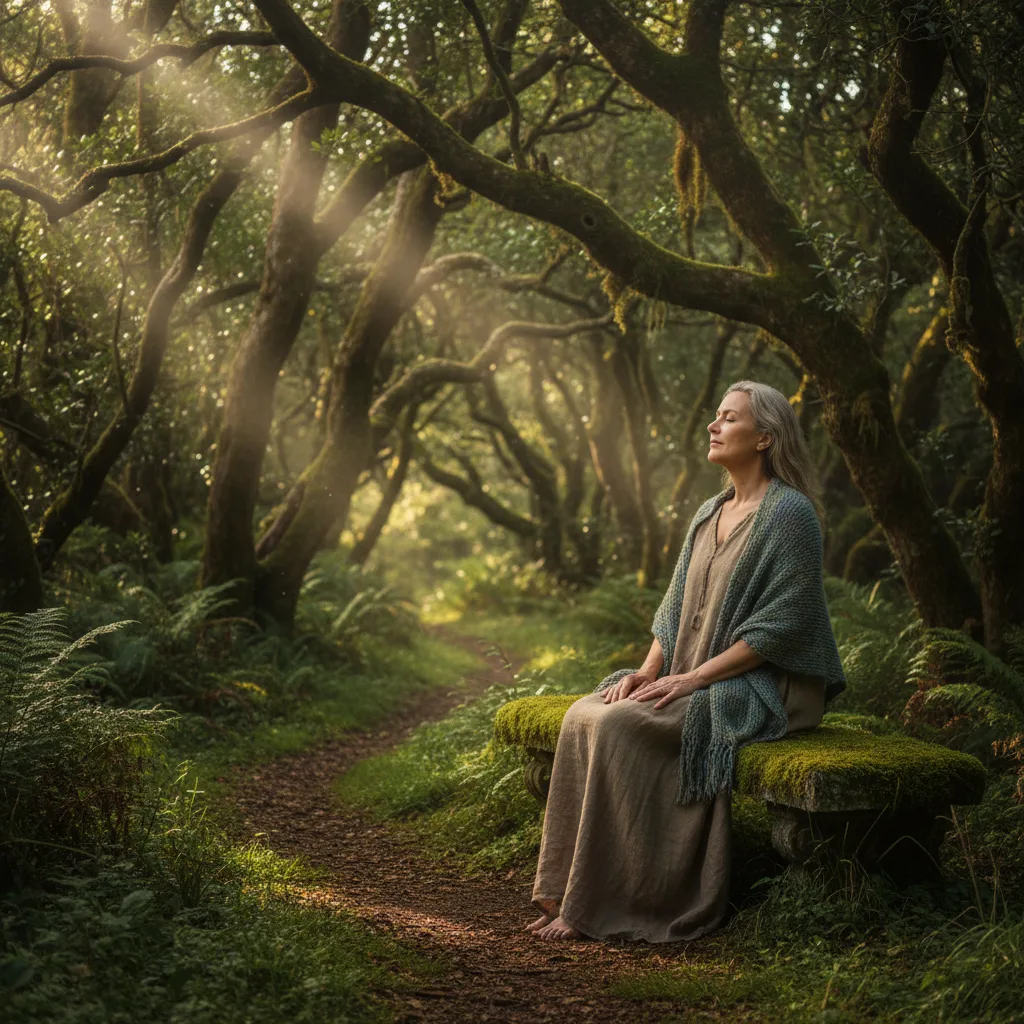
Wise Women in Ancient Civilizations: Rise, Role & Decline
Unpack the enigmatic figure of the wise woman in ancient civilizations. Discover her vital roles as healer, seer, and knowledge keeper, and explore the fascinating rise and fall of her influence.
The Sacred & The Silenced: Unpacking the Rise and Fall of the Wise Woman in Ancient Civilizations
Across the tapestry of human history, particularly within ancient civilizations, the figure of the wise woman emerges as a powerful and enigmatic archetype. She was the healer, the seer, the counselor, the priestess, and the keeper of ancient knowledge – a vital pillar of her community. This comprehensive guide delves into the fascinating rise and fall of the wise woman, exploring her diverse roles, profound influence, and the complex societal shifts that ultimately led to her marginalization and, in many cases, her suppression. From the earliest matriarchal echoes to the dawn of organized religion and state power, her story reflects a dynamic interplay between spiritual authority, gender roles, and the evolution of human society.
Defining the Wise Woman: A Universal Archetype
Before we trace her trajectory, it’s crucial to understand who the wise woman truly was in the context of ancient civilizations. Far from the later, often pejorative, connotations of “witch” or “sorceress,” this figure was typically a deeply respected and integral member of her society. Her wisdom was practical, spiritual, and often deeply connected to the natural world.
Her roles were multifaceted:
- Healer and Midwife: Possessing extensive knowledge of herbs, remedies, and birthing practices, she was often the primary healthcare provider. Her understanding of the human body and the natural world was empirical, passed down through generations.
- Spiritual Leader and Oracle: She served as a conduit between the human and divine realms, interpreting omens, performing rituals, and offering prophecy. Priestesses, shamans, and seers often fell under this umbrella, guiding communities through spiritual crises and significant decisions.
- Counselor and Mediator: With her deep understanding of human nature and community dynamics, she offered guidance in personal disputes, advised leaders, and helped maintain social harmony.
- Keeper of Lore and Tradition: She was the living library of her people, safeguarding myths, histories, rituals, and the collective wisdom accumulated over centuries, often through oral tradition.
The wise woman embodied a holistic approach to life, intertwining physical well-being with spiritual health and community cohesion. Her authority stemmed not from brute force or inherited titles in a patriarchal line, but from her profound knowledge, perceived connection to higher powers, and her indispensable service to the community.
The Apex of Influence: The Rise of the Wise Woman in Early Societies
In many early human societies, the wise woman enjoyed considerable prestige and power. This prominence can be attributed to several interconnected factors that defined the social and spiritual landscape of nascent civilizations.
- Matrifocal and Matrilineal Structures: Archaeological evidence from Neolithic sites like Çatalhöyük (modern-day Turkey) suggests the presence of goddess worship and societies where women held significant status, possibly even leadership roles. While truly matriarchal societies (where women hold absolute power over men) are debated, matrifocal societies, where women were central to social organization and spiritual life, were likely common. In such contexts, the wise woman naturally emerged as a spiritual and social leader.
- Connection to Fertility and Life Cycles: Early human existence was intimately tied to fertility – of the land, animals, and humans. Women, as bearers of life, were often seen as embodying this fundamental power. Goddesses associated with fertility, creation, and the earth were widely worshipped, and their priestesses, the wise women, served as their earthly representatives, reinforcing their spiritual authority.
- Empirical Knowledge of Nature: Before the advent of specialized, formalized science, women were often the primary gatherers of plants and observers of natural cycles. This led to an unparalleled understanding of herbal medicine, animal behavior, and agricultural rhythms. This practical, life-sustaining knowledge formed the bedrock of their power as healers and providers.
- Absence of Centralized, Patriarchal States: In tribal and early village societies, power structures were often more fluid and less hierarchical than in later empires. Without strong, centralized male-dominated political and religious institutions, the influence of local, community-based figures like the wise woman could flourish.
Case Studies in Influence:
- Ancient Egypt: While pharaohs were male, powerful female figures existed, and the cults of goddesses like Isis and Hathor were central. Priestesses of Hathor, for example, held significant ritualistic and social sway. Records also indicate female physicians, such as Peseshet, who lived around 2600 BCE and held the title “overseer of female physicians.”
- Mesopotamia: Enheduanna, daughter of Sargon of Akkad (c. 2300 BCE), served as the High Priestess of the moon god Nanna in Ur. She was a prolific poet and hymn writer, demonstrating immense spiritual and political influence in one of the world’s earliest empires. Other priestesses and prophetesses played crucial roles in divining the will of the gods.
- Ancient Greece: The Pythia, the Oracle of Delphi, was perhaps the most famous wise woman of antiquity. For centuries, she delivered prophecies that influenced kings, generals, and ordinary citizens across the Greek world. Her pronouncements, though interpreted by male priests, were believed to be the direct voice of Apollo. Similarly, the Sibyls, prophetesses of various regions, held immense spiritual authority.
- Celtic and Norse Cultures: Druidesses in Celtic societies were believed to possess spiritual, legal, and even military authority, advising chiefs and leading rituals. In Norse cultures, Völvas were revered prophetesses and seers, whose wisdom was sought by even the highest gods and kings. Their sagas depict them as powerful figures capable of shaping destiny.
These examples illustrate that the wise woman was not merely a peripheral figure but often stood at the very heart of religious, social, and even political life in many ancient civilizations, her wisdom a guiding light for her people.
Shifting Sands: The Decline of the Wise Woman in Ancient Civilizations
The transition from a position of reverence to one of marginalization for the wise woman was a gradual, complex process driven by profound societal transformations. This decline was not uniform across all cultures or time periods but followed a discernible pattern as civilizations evolved.
- Rise of Patriarchal Structures: As societies grew larger, more complex, and often more militarized, power structures shifted. The need for organized armies, centralized governance, and codified laws often led to the ascendancy of male leadership. Property ownership, lineage, and political power became increasingly patriarchal, pushing women, and by extension the wise woman, to the periphery of public life.
- Emergence of Monotheistic Religions and Formalized Priesthoods: The rise of major monotheistic or strongly male-deity-centric polytheistic religions (e.g., Abrahamic religions, later Roman state cults) often coincided with a suppression of goddess worship and female spiritual authority. These new religious systems typically established male-dominated priesthoods and theological frameworks that often viewed female spiritual power with suspicion, labeling it as profane or even demonic. The direct, intuitive connection of the wise woman to the divine was supplanted by rigid dogma and hierarchical religious institutions.
- Formalization of Knowledge and Institutions: What was once the domain of the wise woman – healing, counseling, spiritual guidance – began to be formalized into male-dominated institutions. Medicine moved from folk herbalism to schools of thought run by men (e.g., Hippocratic school). Law transitioned from communal wisdom to written codes enforced by male judges. This institutionalization stripped the wise woman of her unique expertise and authority, often delegating her practices to the realm of superstition or “old wives’ tales.”
- Urbanization and State Formation: As populations concentrated into cities and states consolidated power, the local, community-based influence of the wise woman diminished. Centralized authorities, typically male, began to exert control over all aspects of society, from religion to law to healthcare, undermining localized, often female-led, spiritual and healing practices.
- Demonization and Persecution: In later stages, particularly with the spread of Christianity and other dominant religions, the wise woman archetype, when it persisted, was often actively demonized. Her healing practices were branded as witchcraft, her spiritual insights as heresy, and her independence as a threat to the established religious and social order. This led to periods of intense persecution, which further suppressed her visible role and forced her practices underground.
The transition was not a sudden collapse but a slow erosion, where the once-revered figure gradually became marginalized, feared, or simply forgotten by the dominant narratives of history.
Echoes and Legacy: The Enduring Spirit of the Wise Woman
Despite the societal forces that sought to diminish her, the spirit of the wise woman never truly vanished. Her influence, though often driven underground, persisted in various forms and continued to shape communities, particularly in rural areas or within subcultures.
- Persistence of Folk Traditions: Even as formal institutions took over, folk medicine, midwifery, and local spiritual practices continued, often maintained by women. The “granny woman” or village healer, while no longer holding the overt power of an ancient priestess, remained an essential figure in many communities, providing practical care and spiritual comfort. These traditions represented a resilient, often clandestine, continuation of the wise woman’s legacy.
- Mythology and Folklore: The archetype of the wise woman endured powerfully in myths, legends, and fairy tales across cultures. From the benevolent fairy godmother to the cunning crone, from the wise old woman in the woods to the prophetic sibyl, these stories preserved aspects of her wisdom, connection to nature, and spiritual insight, even if sometimes tinted with fear or suspicion. These narratives served as cultural memory, keeping the essence of her role alive.
- Resilience and Adaptation: In some contexts, the wise woman adapted, subtly integrating her knowledge into new frameworks. For instance, some traditional healers might have nominally adopted aspects of dominant religions while continuing their ancestral practices. Her knowledge of medicinal plants and natural remedies was too valuable to be entirely eradicated, ensuring its quiet transmission through generations.
- The Unseen Influence: Much of the wise woman’s continued impact was likely unseen by official histories. In the domestic sphere, within families and close-knit communities, women continued to be the primary educators of children, passing on moral values, practical skills, and traditional knowledge, including elements of ancient wisdom.
The legacy of the wise woman is a testament to the enduring power of intuitive knowledge, holistic healing, and the fundamental human need for spiritual guidance that transcends formal institutions. Her story reminds us that power and wisdom can reside outside the conventional corridors of authority.
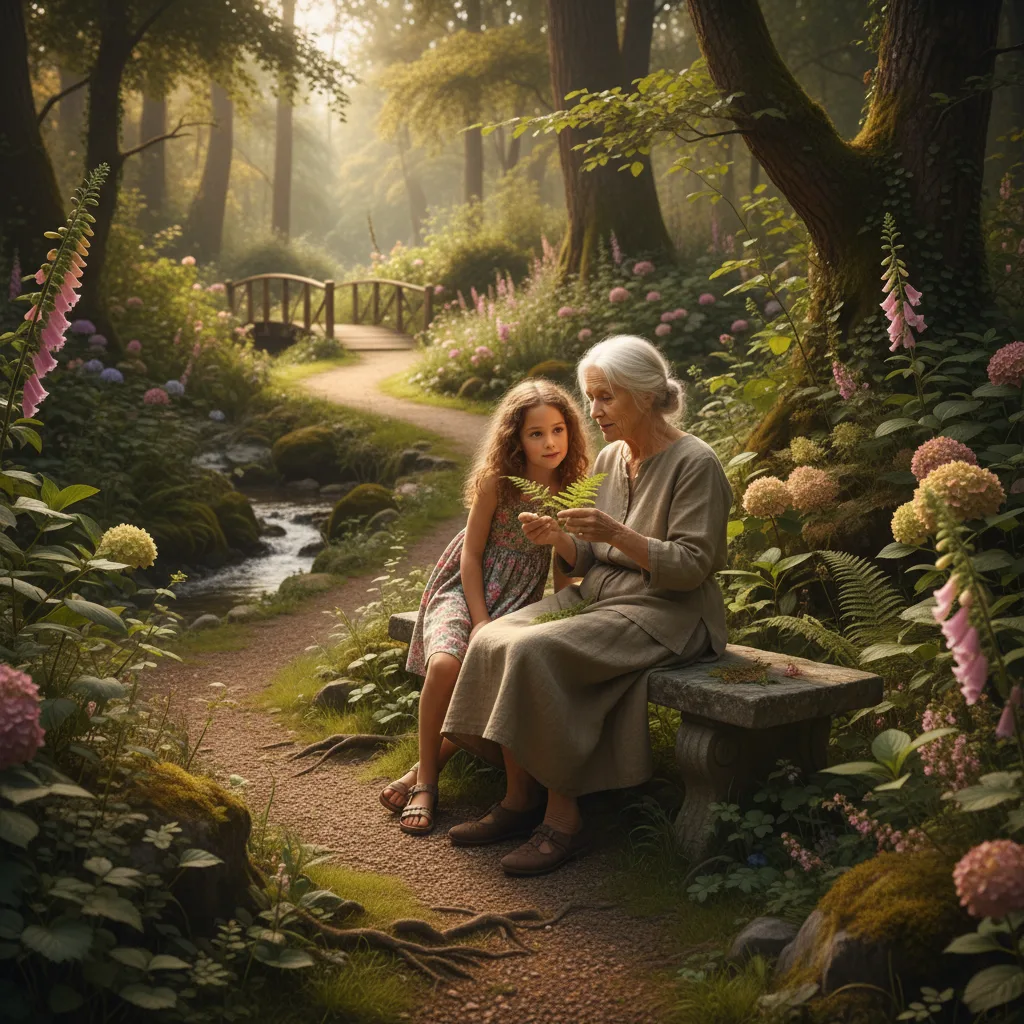
Lessons for Today: Reclaiming Wisdom and Balance
The historical journey of the wise woman offers profound insights that resonate deeply in our modern world. Understanding her rise and fall is not merely an academic exercise but a valuable lesson in societal balance, the nature of knowledge, and the importance of diverse perspectives.
- Valuing Diverse Forms of Knowledge: The wise woman embodied a holistic, intuitive, and experiential form of knowledge deeply connected to nature and community. In an age dominated by scientific reductionism and digital information, her story reminds us to appreciate and integrate other ways of knowing – traditional wisdom, emotional intelligence, and intuitive understanding – alongside empirical data.
- The Importance of Gender Balance: The decline of the wise woman coincided with the rise of increasingly patriarchal structures, leading to a historical imbalance in power and perspective. Modern society, striving for gender equality, can learn from the past the dangers of suppressing any gender’s voice or wisdom. Reclaiming balance means valuing female leadership, intuition, and contributions in all spheres, from science and politics to spirituality and healing.
- Holistic Health and Connection to Nature: The wise woman’s role as a healer was intrinsically linked to her deep understanding of the natural world and the interconnectedness of mind, body, and spirit. Today, as we grapple with environmental crises and a growing demand for holistic health approaches, her legacy encourages us to re-establish our connection with nature, embrace natural remedies, and view well-being through a more integrated lens.
- Beware of Centralization and Dogma: The shift from localized, diverse spiritual practices to centralized, dogmatic religious and political systems often led to the marginalization of the wise woman. This serves as a cautionary tale against unchecked power, rigid ideologies, and the suppression of alternative voices. A healthy society thrives on plurality, open discourse, and respect for diverse belief systems.
- The Enduring Archetype: The wise woman archetype continues to inspire. In contemporary movements for women’s empowerment, environmentalism, alternative medicine, and spiritual exploration, we see echoes of her ancient roles. Modern herbalists, spiritual coaches, community organizers, and female leaders are, in many ways, reclaiming aspects of her legacy, demonstrating that the need for her particular brand of wisdom is as relevant as ever.
Her story encourages us to look beyond conventional narratives, to question who holds power, and to value the wisdom that often resides at the edges, in the subtle currents of intuition, and in the deep understanding of life’s interconnectedness.
Conclusion
The journey of the wise woman across ancient civilizations is a powerful narrative of influence, adaptation, and eventual marginalization. From her revered status as a foundational pillar of early societies – a healer, prophetess, and guardian of wisdom deeply connected to the cycles of life and nature – she gradually saw her authority eroded by the rise of patriarchal systems, centralized state power, and formalized, often male-dominated, religious and scientific institutions. Her story is a poignant reminder of how societal shifts can redefine gender roles, marginalize vital knowledge systems, and reshape the spiritual landscape of humanity.
Yet, her spirit was never fully extinguished. It persisted in folklore, in the quiet practices of folk healers, and in the enduring archetype that continues to resonate with us today. By examining the rise and fall of the wise woman, we gain not just historical insight but also crucial lessons for our present. Her legacy calls us to recognize the profound value of diverse forms of wisdom, to strive for balance in power structures, to reconnect with the natural world, and to honor the intuitive, holistic understanding that she so powerfully embodied. Her story is a timeless testament to the enduring human quest for wisdom, healing, and spiritual connection, and a potent reminder that true wisdom often resides in unexpected places.