
The Unseen Revolution: Exploring Robotics in Everyday Life Examples
Discover how robotics is quietly transforming our daily lives, moving beyond labs and factories into homes, work, and public spaces. Explore real-world examples of this unseen revolution.
The Unseen Revolution: Exploring Robotics in Everyday Life Examples
In an age defined by rapid technological advancement, the lines between science fiction and reality blur with increasing frequency. Among the most transformative technologies reshaping our world is robotics. Far from being confined to futuristic labs or industrial assembly lines, robots are quietly, yet profoundly, integrating into the fabric of our daily existence. From the moment we wake up to the time we go to sleep, countless robotics in everyday life examples demonstrate how these intelligent machines are enhancing convenience, improving safety, boosting efficiency, and even offering companionship.
TrendSeek is here to demystify this pervasive technology, guiding you through the incredible ways robotics is already impacting your life and what the future holds. Prepare to discover the silent revolution happening all around us.
Robotics in Our Homes: Smart Assistants and Domestic Innovations
Perhaps the most immediately recognizable robotics in everyday life examples are those found within the sanctuary of our homes. The dream of an automated household, once a staple of speculative fiction, is now a tangible reality for millions.
- Robot Vacuums (e.g., Roomba): Pioneered by iRobot, autonomous vacuum cleaners have become a household staple. These disc-shaped devices navigate our living spaces, mapping rooms, avoiding obstacles, and diligently cleaning floors without human intervention. They represent a significant leap in domestic automation, freeing up valuable time and effort. The global market for robotic vacuum cleaners is projected to reach over $10 billion by 2028, highlighting their widespread adoption and acceptance.
- Robotic Lawn Mowers: Similar to their indoor counterparts, robotic lawn mowers (like Husqvarna Automower) autonomously maintain gardens, navigating complex terrains and returning to charging stations as needed. They offer a hands-free solution to a common chore, ensuring perfectly manicured lawns with minimal effort.
- Smart Home Devices & Voice Assistants: While not robots in the traditional sense, devices like Amazon Echo and Google Home utilize advanced AI and natural language processing, acting as central hubs for home automation. They can control lights, thermostats, and security systems, often integrating with robotic appliances, blurring the lines between software and hardware automation that defines modern robotics.
- Companion Robots: Emerging companion robots, such as Sony’s Aibo (a robotic dog) or Lovot, offer interactive companionship, responding to touch, voice, and even emotions. While still niche, they represent a growing segment focused on emotional connection and support, particularly for the elderly or those living alone.
- Kitchen Automation: From smart coffee makers that brew your morning cup on schedule to more advanced kitchen robots capable of chopping vegetables, stirring, and even cooking entire meals (like the Moley Robotic Kitchen), automation is slowly making its way into our culinary spaces, promising convenience and precision.
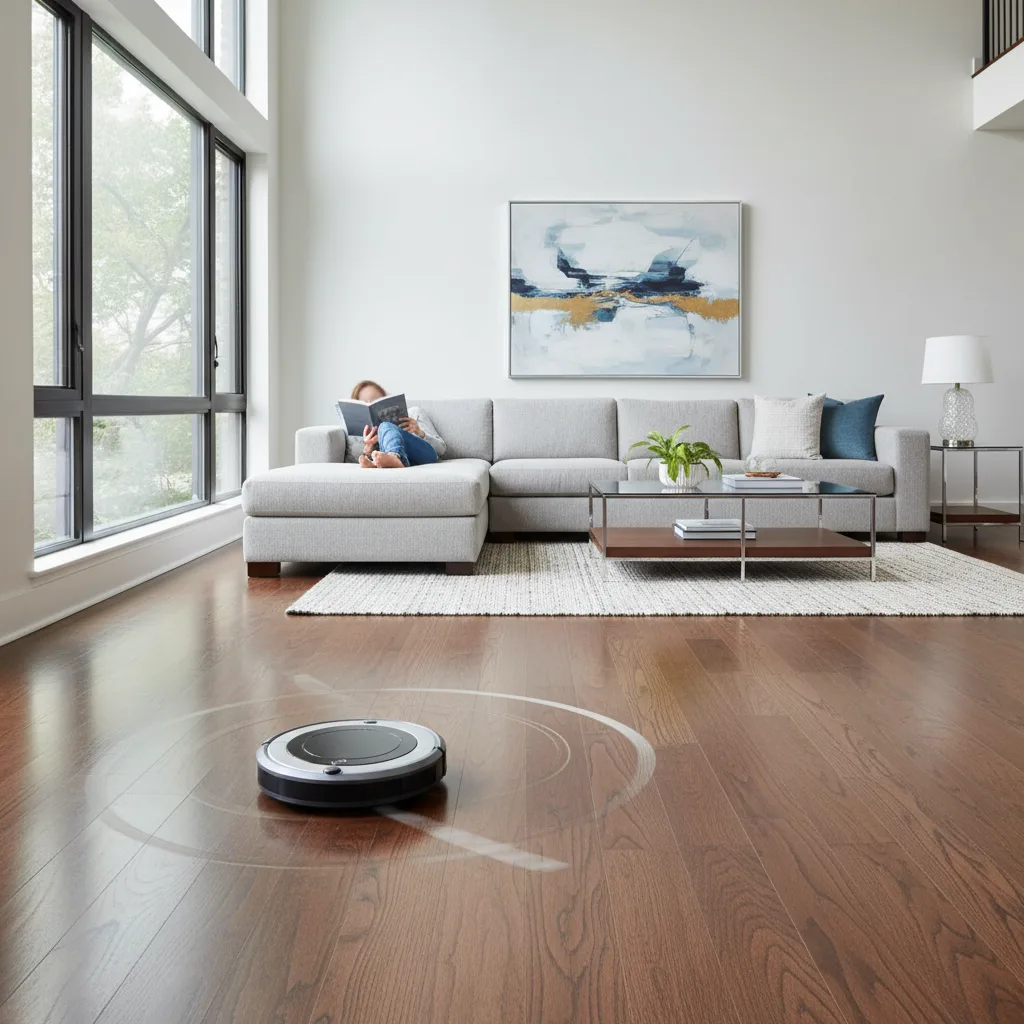
These domestic robots are not just gadgets; they are transforming our living spaces into smarter, more efficient, and often more enjoyable environments.
Transforming Health and Wellness: Robotics in Everyday Life Examples in Healthcare
The healthcare sector has been profoundly impacted by robotics, leading to advancements that enhance precision, improve patient outcomes, and alleviate the burden on medical professionals. Here, robotics in everyday life examples demonstrate their life-saving and life-improving potential.
- Surgical Robots (e.g., Da Vinci System): Perhaps the most celebrated example, robotic surgical systems like the Da Vinci provide surgeons with enhanced dexterity, magnified 3D visualization, and greater precision than traditional open surgery. This leads to smaller incisions, reduced blood loss, shorter hospital stays, and quicker recovery times for patients undergoing complex procedures ranging from prostatectomies to cardiac surgeries. Over 6,700 Da Vinci systems are installed worldwide, performing millions of procedures annually.
- Rehabilitation Robotics: Robots are playing a crucial role in physical therapy and rehabilitation. Exoskeletons (like ReWalk or Ekso Bionics) help patients with spinal cord injuries or strokes regain mobility and walk again. Robotic therapy devices offer repetitive, high-intensity exercises that are difficult to achieve manually, accelerating recovery for patients with neurological or motor impairments.
- Pharmacy Automation: In hospitals and large pharmacies, robots are used to dispense, count, and package medications, reducing human error, improving efficiency, and ensuring accurate dosing. This automation frees up pharmacists to focus on patient consultations and complex cases.
- Telepresence Robots: In healthcare, telepresence robots allow doctors to “visit” patients remotely, especially in rural areas or during outbreaks, facilitating consultations and monitoring without requiring physical presence. This technology was particularly vital during the COVID-19 pandemic.
- Prosthetics and Bionics: Advanced robotic prosthetics are becoming increasingly sophisticated, offering users greater control, sensory feedback, and a more natural range of motion, significantly improving the quality of life for amputees.
- Elderly Care Robots: With aging global populations, robots are being developed to assist the elderly with daily tasks, provide companionship, monitor health, and even remind them to take medication, helping them maintain independence longer.
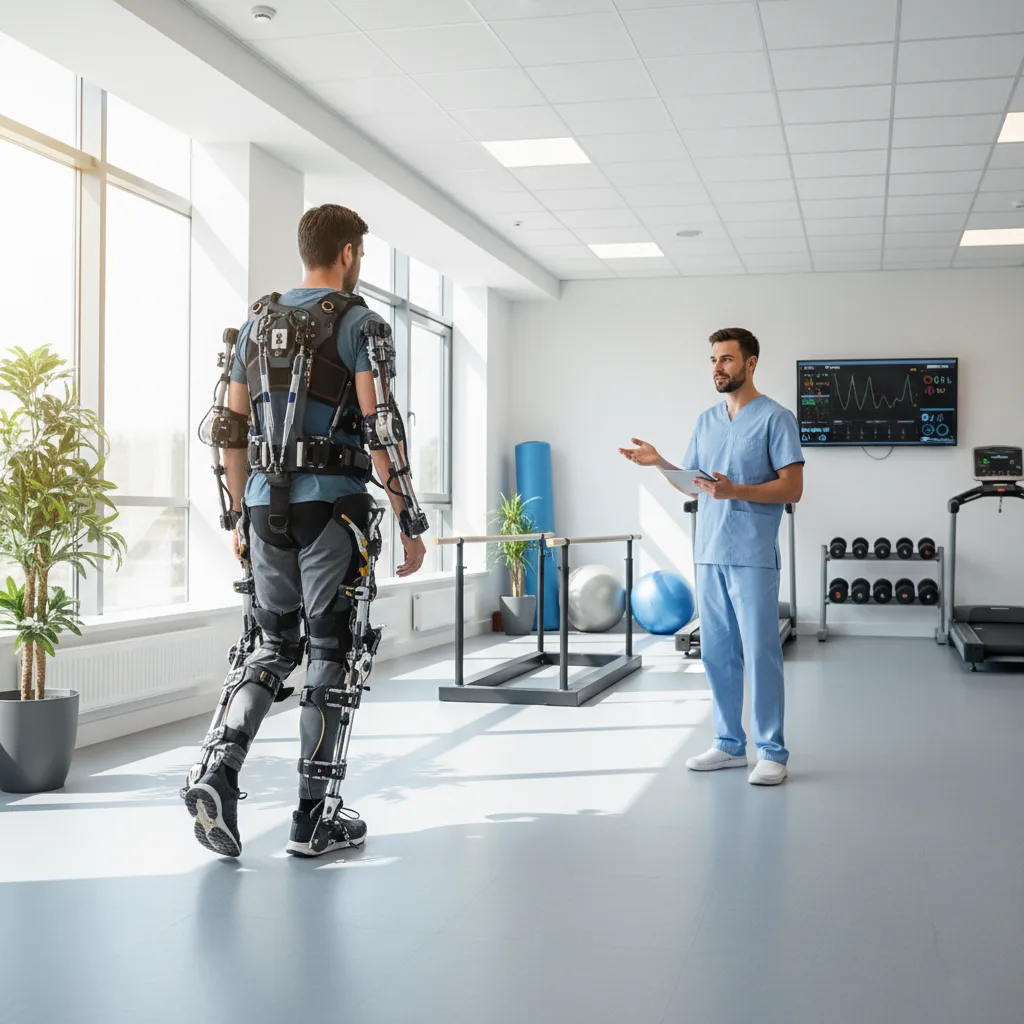
These innovations highlight how robotics is not just about efficiency but about extending and improving human life.
The Retail and Logistics Revolution: How Robotics Shapes Our Shopping
Behind every online order you place and every product you buy, there’s an increasingly automated ecosystem driven by robotics. The retail and logistics sectors are prime areas for robotics in everyday life examples that directly affect our consumer experience.
- Warehouse and Fulfillment Robots (e.g., Amazon Kiva): Companies like Amazon have revolutionized their fulfillment centers with thousands of autonomous mobile robots (AMRs), such as Kiva robots (now Amazon Robotics). These robots transport shelves of products to human pickers, dramatically increasing efficiency, reducing processing times, and allowing for same-day or next-day delivery. This automation is a key factor in the speed and reliability of modern e-commerce.
- Delivery Robots: Autonomous delivery robots are becoming a more common sight in urban areas and on college campuses. Companies like Starship Technologies and Nuro deploy small, self-driving vehicles to deliver groceries, food, and parcels directly to customers’ doorsteps, offering a convenient and contact-free delivery option.
- Inventory Management Robots: In large retail stores, robots are being deployed to autonomously scan shelves, monitor inventory levels, identify misplaced items, and even detect spills, providing real-time data that helps optimize stock and improve store operations.
- Automated Self-Checkout Systems: While not always “robots” in the traditional sense, the sophisticated automation behind self-checkout kiosks and cashier-less stores (like Amazon Go) relies on advanced computer vision and sensor technology, mimicking robotic functions to streamline the shopping experience.
- Robots in Restaurants and Food Service: From robotic baristas that craft custom coffee drinks to automated burger flippers and pizza makers, robots are entering the food service industry to increase speed, consistency, and hygiene, especially in fast-casual settings.
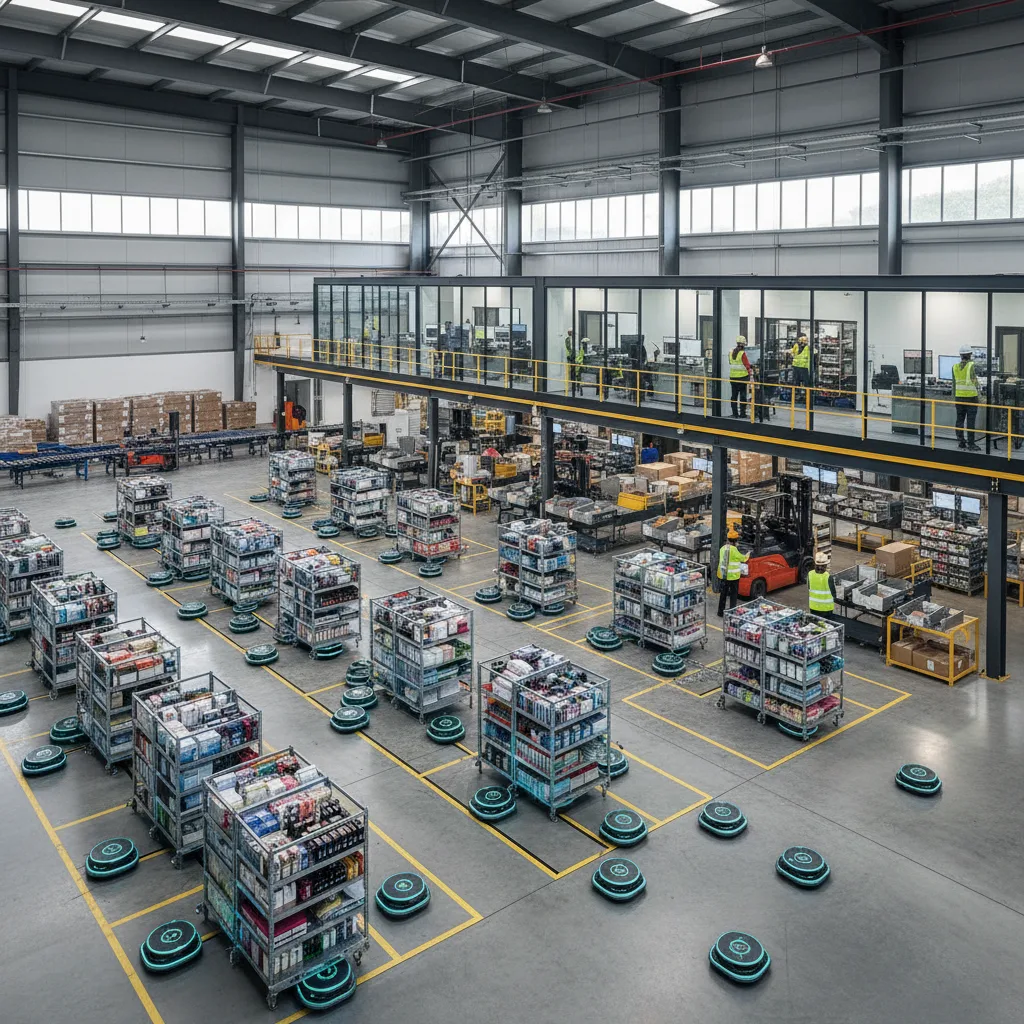
These robotic advancements ensure that goods move faster, shelves are stocked more efficiently, and our purchases arrive at our doors with unprecedented speed, fundamentally reshaping our interaction with commerce.
Beyond the Road: Robotics in Transportation and Infrastructure
Our ability to move people and goods, and to maintain the critical infrastructure that supports society, is increasingly reliant on robotic solutions. Here are some compelling robotics in everyday life examples in these vital sectors.
- Autonomous Vehicles (Self-Driving Cars): Perhaps the most talked-about development, self-driving cars from companies like Waymo, Cruise, and Tesla are undergoing extensive testing and are already operating in limited capacities in several cities. These vehicles use an array of sensors, AI, and sophisticated algorithms to navigate roads, perceive surroundings, and make driving decisions, promising enhanced safety, reduced traffic congestion, and increased accessibility.
- Drones for Delivery and Inspection: Unmanned Aerial Vehicles (UAVs) or drones are already widely used for commercial purposes. Beyond package delivery (e.g., Amazon Prime Air, Wing), drones are essential for inspecting critical infrastructure like bridges, power lines, and pipelines, reaching hazardous or inaccessible areas more safely and efficiently than human inspectors. They also play a role in mapping, surveillance, and even search and rescue operations.
- Public Transportation Automation: Automated trains, subways, and trams are common in many major cities worldwide. These systems operate with minimal or no human drivers, increasing capacity, punctuality, and safety across public transit networks.
- Logistics and Port Automation: Robotic cranes and automated guided vehicles (AGVs) are transforming container ports, efficiently loading and unloading cargo ships and moving containers within the port area, significantly speeding up global trade.
- Waste Management Robots: Robots are being developed and deployed in recycling facilities to sort waste more efficiently and accurately, separating different materials and reducing contamination, which is crucial for sustainable waste management.
These robotic applications are making our transportation systems safer, more efficient, and our infrastructure more resilient.
From Farm to Table and Beyond: Unexpected Robotics in Everyday Life Examples
Robotics extends its reach into areas that might seem less obvious but are equally critical to our daily lives, from how our food is grown to how public spaces are maintained. These robotics in everyday life examples highlight their diverse impact.
- Agricultural Robots (Agribots): The agriculture industry is rapidly adopting robotics to address labor shortages, increase efficiency, and promote sustainable practices. Robots are used for precision planting, automated harvesting of delicate crops (like strawberries or tomatoes), weeding (reducing herbicide use), livestock monitoring, and even autonomous spraying of pesticides, leading to higher yields and reduced environmental impact.
- Food Processing and Packaging: In food factories, robots handle tasks like sorting, cutting, packaging, and palletizing food products with speed and precision, ensuring hygiene and consistency on a massive scale. This automation helps bring a wide variety of affordable food products to our tables.
- Cleaning and Maintenance Robots in Public Spaces: Beyond homes, autonomous cleaning robots are increasingly found in airports, shopping malls, hospitals, and offices. These robots scrub floors, vacuum carpets, and even disinfect surfaces, maintaining hygiene standards in large public areas with greater efficiency than manual labor alone.
- Security and Surveillance Robots: Autonomous security robots patrol large facilities, construction sites, and public areas, using cameras and sensors to monitor for intruders, detect anomalies, and provide real-time alerts. They augment human security personnel, offering continuous vigilance.
- Underwater Exploration and Maintenance: Remotely Operated Vehicles (ROVs) and Autonomous Underwater Vehicles (AUVs) are vital for exploring the deep sea, inspecting underwater pipelines and cables, monitoring marine life, and even assisting in salvage operations, performing tasks too dangerous or impractical for humans.
From the food on our plates to the cleanliness of our public spaces, robotics is quietly but fundamentally enhancing the quality and efficiency of essential services.
Conclusion
The journey through these robotics in everyday life examples reveals a pervasive and rapidly evolving landscape. What once seemed like distant futuristic concepts are now integral components of our homes, healthcare, commerce, transportation, and even the fundamental industries that sustain us. Robots are not just tools; they are becoming partners, assistants, and enablers, constantly pushing the boundaries of what’s possible.
While the integration of robotics presents challenges, such as ethical considerations, job displacement concerns, and the need for robust regulation, its benefits in terms of efficiency, safety, precision, and convenience are undeniable. As technology continues to advance, we can anticipate even more sophisticated and seamless robotic integrations into our lives. The unseen revolution is well underway, and robotics will undoubtedly continue to shape our world in profound and exciting ways, making our daily existence smarter, safer, and more connected than ever before. The future, it seems, is already here, and it’s powered by robots.