
Significant Medical Breakthroughs: A Journey Through Medicine History
Explore the most significant breakthroughs in medicine history, from ancient remedies to modern genetic therapies. Discover humanity's journey of curiosity and resilience in healthcare.
Exploring the Most Significant Breakthroughs in Medicine History
Welcome to TrendSeek, your premier destination for unraveling the stories behind humanity’s greatest achievements. Today, we embark on an extraordinary journey through time to explore the most significant breakthroughs in medicine history. From ancient remedies rooted in observation to the cutting-edge genetic therapies of today, the evolution of medicine is a testament to human curiosity, resilience, and an unwavering commitment to alleviating suffering. These pivotal moments haven’t just advanced medical science; they have fundamentally reshaped societies, extended lifespans, and redefined what it means to be human. Join us as we delve into the discoveries that have healed, transformed, and continue to inspire the future of healthcare.
Ancient Roots and Foundational Concepts: Early Breakthroughs in Medicine History
Long before microscopes and MRI machines, humanity began its quest to understand and treat illness. The earliest breakthroughs in medicine history were often intertwined with philosophy, religion, and keen observation of the natural world. Ancient Egyptian medicine, dating back over 3000 BCE, showcased remarkable anatomical knowledge, sophisticated surgical instruments, and detailed pharmaceutical texts like the Ebers Papyrus. They understood the circulatory system and performed complex procedures, including trepanation.
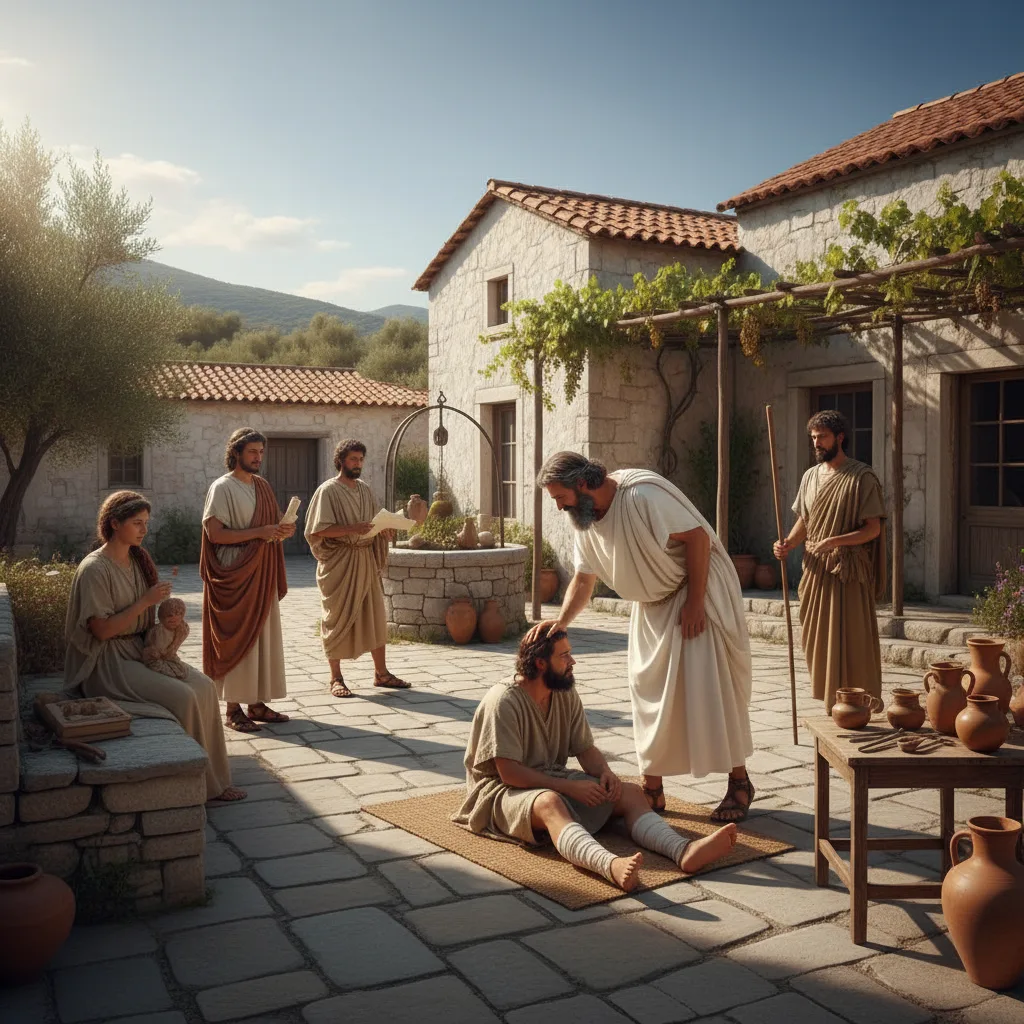
However, it was in ancient Greece that medicine began to shift towards a more rational and systematic approach. Hippocrates, often hailed as the “Father of Medicine,” introduced the concept of clinical observation and the belief that diseases had natural, not supernatural, causes. His emphasis on diagnosis, prognosis, and ethical practice, encapsulated in the Hippocratic Oath, laid a cornerstone for medical professionalism that endures to this day. Simultaneously, Galen of Pergamon, a Greek physician in the Roman Empire, conducted extensive anatomical studies (primarily on animals due to prohibitions on human dissection) and developed a comprehensive system of medicine that influenced Western thought for over a millennium. These early pioneers, despite their limited tools, established the critical importance of observation, documentation, and a holistic view of the patient, setting the stage for future generations of healers and scientists.
The Enlightenment and the Germ Theory Revolution: Understanding Disease
The medieval period saw significant contributions from Islamic scholars like Avicenna and Al-Razi, who preserved and expanded ancient knowledge, developed hospitals, and made advancements in pharmacology. However, a truly seismic shift in Western medicine began to unfold during the Renaissance and the Enlightenment, culminating in the understanding of microorganisms. The invention of the microscope by Antoni van Leeuwenhoek in the 17th century was a monumental breakthrough, allowing humanity to glimpse the unseen world of “animalcules” – bacteria and protozoa – for the first time.
Yet, it took centuries for the full implication of these tiny organisms to be understood. The mid-19th century witnessed the transformative work of Louis Pasteur, who definitively disproved the theory of spontaneous generation and established the germ theory of disease. His experiments showed that microorganisms were responsible for fermentation, spoilage, and, crucially, infectious diseases. Pasteur’s work led to pasteurization and the development of the first vaccines for rabies and anthrax. Simultaneously, Robert Koch refined techniques for culturing bacteria and established Koch’s Postulates, a set of criteria to prove that a specific microorganism causes a specific disease. His identification of the bacteria responsible for tuberculosis and cholera revolutionized diagnostics.
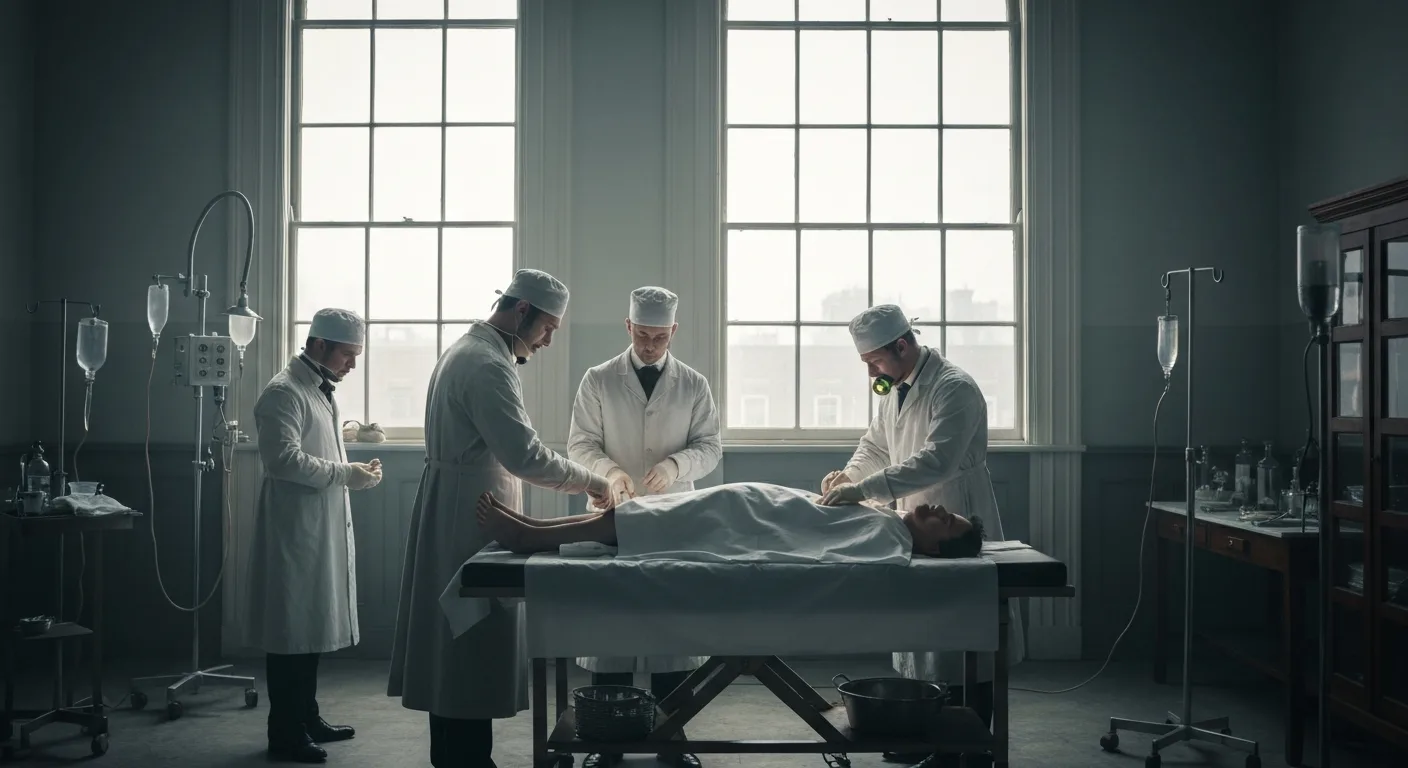
Parallel to these microbiological discoveries, the development of anesthesia transformed surgery from a brutal, agonizing ordeal into a manageable procedure. Pioneers like William Morton demonstrated the efficacy of ether in surgical settings in 1846, followed by James Simpson’s introduction of chloroform. This allowed surgeons to perform more intricate and life-saving operations. Further enhancing surgical safety was Joseph Lister, who, inspired by Pasteur’s germ theory, championed antiseptic surgery in the 1860s, drastically reducing post-operative infections by using carbolic acid to sterilize instruments and wounds. These collective insights into microorganisms, pain management, and hygiene ushered in a new era of medical capability.
Vaccines and Antibiotics: Turning the Tide Against Infectious Killers
Perhaps no other medical advancements have saved more lives than the development of vaccines and antibiotics, marking a critical turning point in the battle against infectious diseases. The concept of vaccination emerged from folk practices and observation. In 1796, British physician Edward Jenner famously observed that milkmaids exposed to cowpox seemed immune to smallpox, a devastating and often fatal disease. He inoculated a young boy with material from a cowpox lesion, and subsequently, with smallpox, demonstrating immunity. This pioneering work led to the eradication of smallpox globally by 1980, a monumental achievement and arguably the greatest public health triumph in history. Following Jenner’s lead, Louis Pasteur developed vaccines for rabies and anthrax, laying the scientific foundation for modern vaccinology, which has since conquered polio, measles, tetanus, and many other once-common killers.
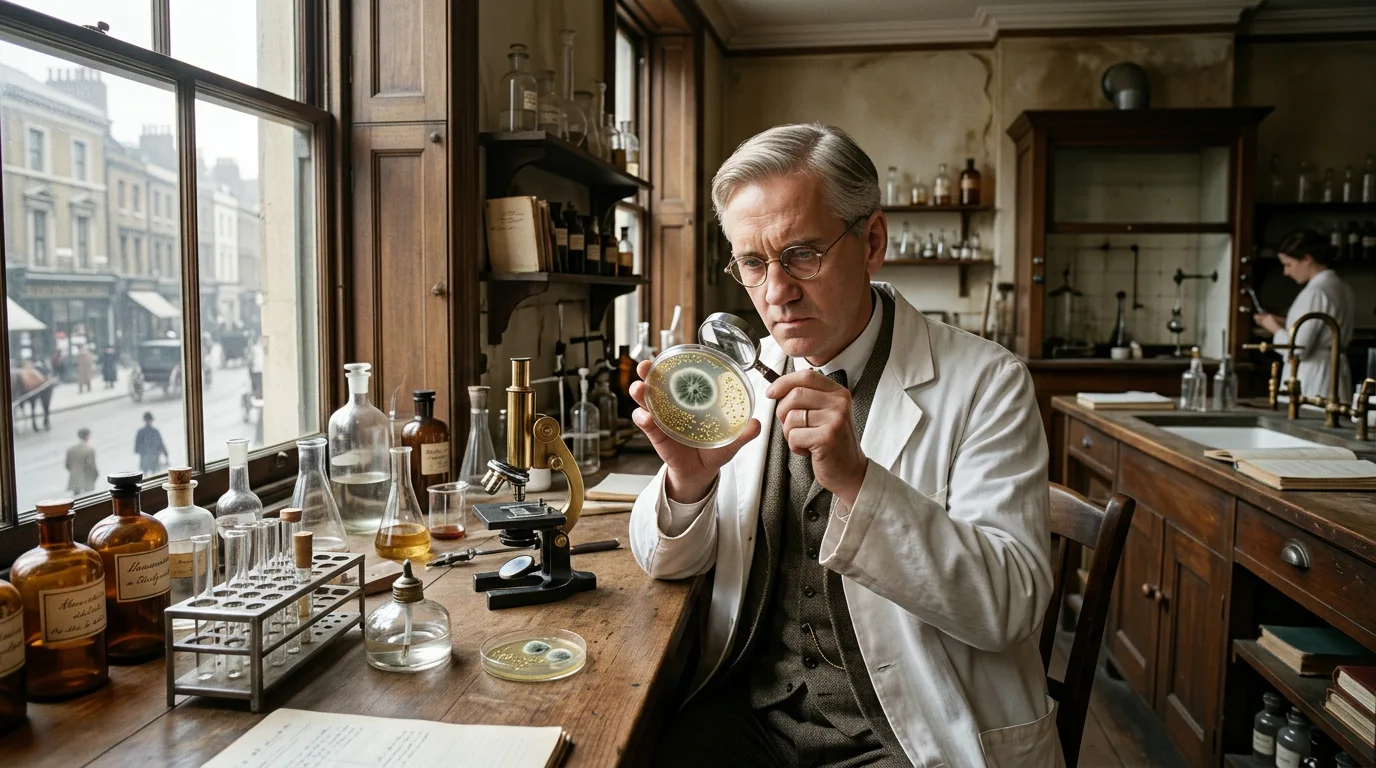
The 20th century brought another miracle: antibiotics. In 1928, Scottish bacteriologist Alexander Fleming serendipitously discovered penicillin, a mold that inhibited the growth of bacteria. While Fleming initially struggled to purify the compound, Howard Florey and Ernst Chain later successfully isolated and mass-produced penicillin during World War II. This “wonder drug” revolutionized the treatment of bacterial infections, transforming conditions like pneumonia, syphilis, and sepsis from death sentences into treatable ailments. The widespread availability of antibiotics dramatically reduced mortality rates from infectious diseases and extended human lifespans by decades. While the rise of antibiotic resistance presents new challenges, the discovery of antibiotics remains one of humanity’s most profound medical breakthroughs, fundamentally altering the course of human health and population growth.
Diagnostic Innovations and Surgical Marvels: Peering Inside and Repairing the Body
As understanding of disease mechanisms grew, so did the ability to diagnose and treat conditions more effectively, often by literally looking inside the human body or replacing failing parts. The discovery of X-rays by German physicist Wilhelm Conrad Röntgen in 1895 was a groundbreaking moment. For the first time, doctors could non-invasively visualize bones and internal structures, revolutionizing fracture diagnosis, tumor detection, and foreign object localization. This paved the way for a whole new field of medical imaging.
Another life-saving innovation came with the understanding of blood types. In 1901, Austrian physician Karl Landsteiner identified the ABO blood groups, explaining why some blood transfusions were successful while others led to fatal reactions. This discovery made safe blood transfusions possible, saving countless lives in emergencies, surgeries, and the treatment of various blood disorders. The subsequent development of blood banks further streamlined this vital medical service.
The mid-20th century also saw incredible advances in organ transplantation. While early attempts were fraught with failure due to immune rejection, the development of immunosuppressant drugs in the 1960s, particularly cyclosporine, made successful transplantation a reality. In 1967, South African surgeon Christiaan Barnard performed the world’s first human-to-human heart transplant, a monumental achievement that captured global attention. Since then, kidney, liver, lung, and other organ transplants have become routine, offering a second chance at life for patients with end-stage organ failure. Further sophisticated diagnostic tools like Computed Tomography (CT) scans (developed in the 1970s) and Magnetic Resonance Imaging (MRI) (emerging in the 1980s) provided even more detailed anatomical and physiological insights, allowing for earlier and more precise diagnoses of a vast array of conditions, from brain tumors to soft tissue injuries.
The Genetic Revolution and Targeted Therapies: Decoding the Human Blueprint
The latter half of the 20th century and the early 21st century have been defined by an explosion of knowledge in genetics and molecular biology, leading to some of the most profound breakthroughs in medicine history. The elucidation of the double helix structure of DNA by James Watson and Francis Crick (building on the critical work of Rosalind Franklin and Maurice Wilkins) in 1953 was a watershed moment, revealing the blueprint of life and paving the way for understanding genetic diseases.
This foundational discovery culminated in the Human Genome Project, an ambitious international scientific research project launched in 1990 and completed in 2003, which successfully mapped and sequenced the entire human genome. This monumental undertaking provided an unprecedented understanding of human biology and disease susceptibility, opening doors for personalized medicine – tailoring medical treatment to the individual characteristics of each patient, including their genetic makeup.
The genetic revolution has led directly to gene therapy, where defective genes are replaced or repaired. Early attempts faced challenges, but the development of powerful gene-editing tools like CRISPR-Cas9 in the 2010s has revolutionized the field, offering unprecedented precision in modifying DNA to potentially cure genetic disorders like sickle cell anemia, cystic fibrosis, and certain cancers. Beyond gene therapy, a deeper understanding of molecular pathways has driven the development of targeted therapies and immunotherapy, particularly for cancer. Drugs like monoclonal antibodies (e.g., Herceptin for breast cancer) specifically target cancer cells while sparing healthy ones, leading to fewer side effects and improved outcomes. Immunotherapy, which harnesses the body’s own immune system to fight cancer, has shown remarkable success in treating previously intractable malignancies like melanoma and lung cancer. These molecular and genetic insights represent a paradigm shift, moving medicine from a broad-stroke approach to one of exquisite precision and personalization.
Pioneering Breakthroughs in Medicine History: A Legacy of Innovation
The journey through the breakthroughs in medicine history reveals a continuous narrative of curiosity, discovery, and relentless effort to improve human health. From the ancient Hippocratic emphasis on observation to the modern marvels of genetic engineering, each era has built upon the knowledge and innovations of its predecessors. These pioneering moments – the germ theory, anesthesia, vaccines, antibiotics, X-rays, organ transplants, and the decoding of the human genome – are not isolated events but interconnected threads in the tapestry of medical progress. They have collectively transformed our understanding of the human body, the nature of disease, and the possibilities for treatment.
The impact of these breakthroughs is immeasurable. They have dramatically increased life expectancy, eradicated deadly diseases, enabled complex surgeries, and offered hope where once there was none. Today, medicine stands on the cusp of even more astonishing advancements, driven by artificial intelligence, nanotechnology, and an ever-deepening understanding of biology. The legacy of these historical breakthroughs continues to inspire researchers, clinicians, and innovators worldwide, reminding us that the pursuit of health and well-being is an unending quest, constantly pushing the boundaries of what is possible.
Conclusion
From the rudimentary practices of antiquity to the sophisticated science of the 21st century, the history of medicine is a vivid chronicle of human ingenuity and dedication. The breakthroughs in medicine history we’ve explored—from the Hippocratic Oath and the germ theory to vaccines, antibiotics, advanced diagnostics, and genetic therapies—have fundamentally altered the human experience. They have conquered plagues, alleviated suffering, extended lifespans, and offered profound insights into the very mechanisms of life. These achievements underscore a critical lesson: progress in medicine is cumulative, often slow, sometimes accidental, but always driven by a relentless pursuit of knowledge and a compassionate desire to heal. As we look to the future, the foundation laid by these historical giants continues to empower us, ensuring that the next generation of medical innovators stands on the shoulders of giants, ready to confront new challenges and unlock even more extraordinary possibilities for human health.