
Sustainable Futures: Investment, Cybersecurity & Future of Work
Navigate sustainable futures with expert insights on investment strategies, cybersecurity resilience, and adapting to the evolving world of work amidst rapid tech and environmental shifts.
Charting a Course for Sustainable Futures: Investment Strategies, Cybersecurity Resilience, and the Evolving World of Work
The 21st century presents a complex tapestry of challenges and opportunities, demanding a holistic approach to progress. As we navigate an era defined by rapid technological advancement, environmental urgency, and shifting societal paradigms, understanding the interwoven dynamics of Sustainable Futures: Investment Strategies, Cybersecurity Resilience, and the Evolving World of Work is paramount. These three pillars, seemingly disparate, are in fact deeply interconnected, forming the bedrock upon which a robust and prosperous future will be built. For individuals, businesses, and policymakers alike, recognizing these synergies and proactively adapting is no longer optional, but essential for long-term survival and success.
The Green Horizon: Investment Strategies for a Sustainable Future
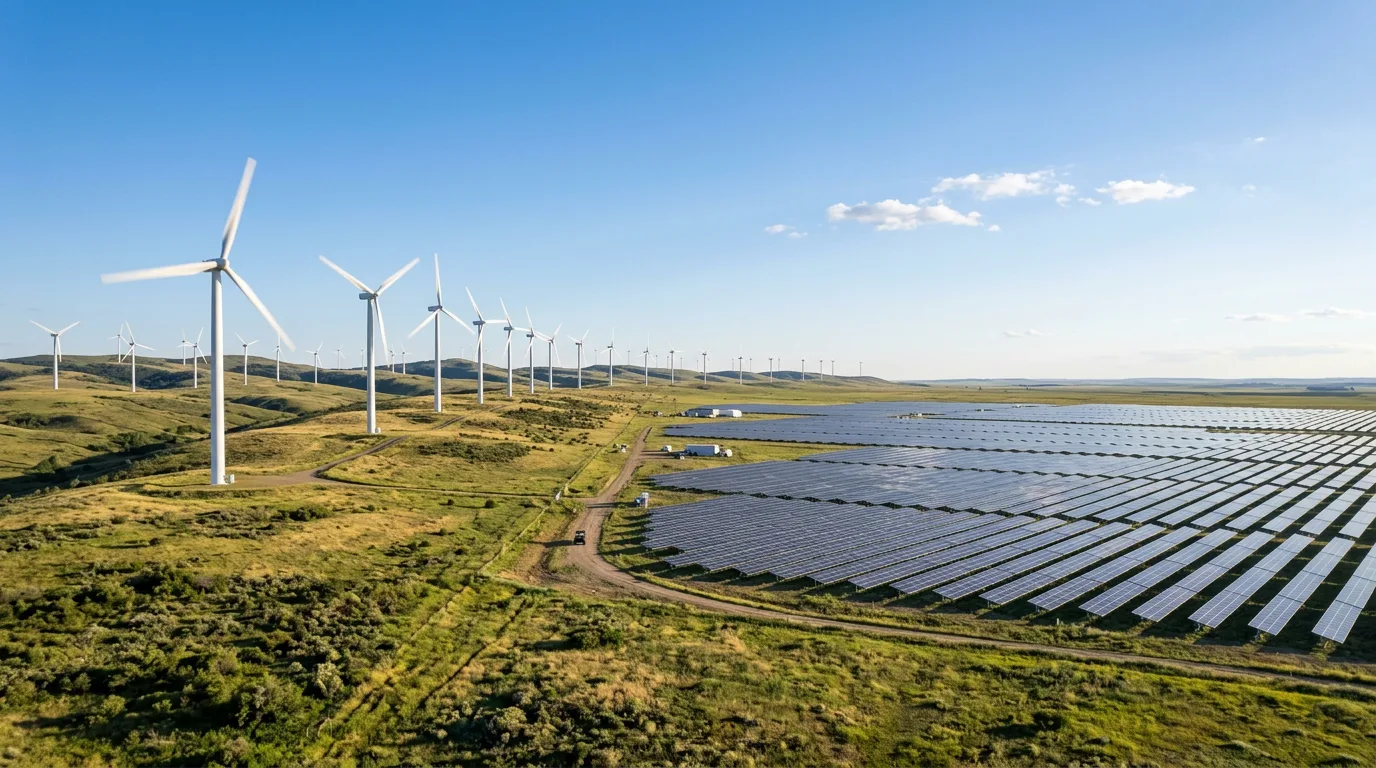
The global investment landscape is undergoing a profound transformation, with a growing emphasis on Environmental, Social, and Governance (ESG) factors. What was once considered niche is now mainstream, as investors increasingly recognize that sustainability is not just a moral imperative but a driver of financial performance and long-term value.
Sustainable investing, often referred to as impact investing or responsible investing, involves allocating capital to companies and funds that demonstrate a commitment to positive social and environmental outcomes alongside financial returns. This shift is driven by several factors:
- Growing Awareness: Increased public and investor awareness of climate change, social inequality, and corporate responsibility.
- Regulatory Pressure: Governments worldwide are implementing policies to encourage sustainable practices and transparency.
- Performance: Studies increasingly show that companies with strong ESG profiles often outperform their peers, exhibiting lower volatility and higher resilience during market downturns. For instance, according to Morningstar, sustainable funds largely outperformed traditional funds during the COVID-19 market downturn in early 2020.
- Demographic Shifts: Younger generations, particularly Millennials and Gen Z, are more inclined to invest in alignment with their values.
Key Sustainable Investment Strategies:
- ESG Integration: Incorporating ESG factors into traditional financial analysis to identify risks and opportunities that might not be apparent through conventional metrics. This means evaluating a company’s carbon footprint, labor practices, board diversity, and ethical leadership.
- Impact Investing: Directly targeting investments that aim to generate measurable positive social or environmental impact alongside a financial return. This could involve funding renewable energy projects, affordable housing initiatives, or sustainable agriculture ventures.
- Exclusionary Screening: Avoiding investments in industries deemed harmful, such as fossil fuels, tobacco, or controversial weapons.
- Thematic Investing: Focusing on specific sustainable themes like clean energy, water management, sustainable transportation, or circular economy solutions. Companies like NextEra Energy (a leading clean energy company) or Vestas Wind Systems (a global leader in wind turbines) exemplify this sector.
For individual investors, diversified ESG exchange-traded funds (ETFs) and mutual funds offer accessible pathways into sustainable investing. For institutional investors, direct investments in green bonds, sustainable infrastructure, and private equity funds focused on impact are becoming increasingly common. The global sustainable investment market continues to expand, with assets under management (AUM) exceeding $35 trillion globally, underscoring its significant and growing influence.
Fortifying Defenses: Building Cybersecurity Resilience in a Digital-First World
As our lives and economies become ever more digitized, the threat landscape simultaneously expands and intensifies. Cybersecurity resilience is no longer just an IT concern; it’s a fundamental business imperative, crucial for maintaining trust, protecting intellectual property, and ensuring operational continuity. The evolving world of work, with its emphasis on remote and hybrid models, further underscores this urgency.
The Escalating Threat Landscape:
- Sophisticated Attacks: Ransomware, phishing, supply chain attacks, and zero-day exploits are becoming more complex and frequent. The SolarWinds attack in 2020 demonstrated the devastating potential of supply chain compromises, affecting numerous government agencies and corporations.
- Increased Attack Surface: The proliferation of IoT devices, cloud computing, and remote work expands the potential points of entry for malicious actors.
- Financial and Reputational Costs: Data breaches can cost millions in recovery, legal fees, and regulatory fines, alongside irreparable damage to a company’s reputation and customer trust. IBM’s Cost of a Data Breach Report 2023 estimated the average cost of a data breach at $4.45 million globally.
Pillars of Cybersecurity Resilience:
- Proactive Risk Management: Regularly assessing vulnerabilities, conducting penetration testing, and implementing robust security frameworks (e.g., NIST Cybersecurity Framework).
- Zero Trust Architecture: Moving away from the traditional “trust but verify” model to an approach that assumes no user or device, inside or outside the network, should be trusted by default. Every access request must be verified.
- Employee Training and Awareness: The human element remains the weakest link. Regular training on identifying phishing attempts, strong password practices, and secure remote work protocols is essential.
- Incident Response Planning: Developing a clear, tested plan for detecting, responding to, and recovering from cyber incidents. This includes data backup and recovery strategies.
- Multi-Factor Authentication (MFA): Implementing MFA across all critical systems significantly reduces the risk of unauthorized access, even if passwords are compromised.
- Secure Supply Chains: Vet third-party vendors and partners for their cybersecurity posture, as a weakness in their systems can become a weakness in yours.
For individuals, strong, unique passwords, MFA, regular software updates, and caution with suspicious links are non-negotiable. For organizations, investing in advanced threat detection, encryption, and a culture of security from the top down is critical to building robust cybersecurity resilience.

The Evolving World of Work: Adapting to New Realities
The traditional 9-to-5, office-centric model of work is increasingly a relic of the past. Driven by technological innovation, demographic shifts, and global events, the evolving world of work presents both challenges and unparalleled opportunities for flexibility, efficiency, and employee well-being.
Key Drivers of Change:
-
Technological Advancement:
- Artificial Intelligence (AI) and Automation: AI is reshaping tasks, augmenting human capabilities, and creating new job categories while potentially displacing others. From AI-powered customer service to automated data analysis, its impact is pervasive. Companies like Google and Microsoft are at the forefront of integrating AI into their productivity suites.
- Cloud Computing and Collaboration Tools: Platforms like Zoom, Slack, and Microsoft Teams have enabled seamless remote and hybrid work, facilitating communication and project management across geographical boundaries.
-
Remote and Hybrid Work Models:
- The COVID-19 pandemic accelerated the adoption of remote work, proving its viability for many industries.
- Hybrid models, combining office and remote work, are emerging as the preferred choice for many organizations, offering flexibility while maintaining opportunities for in-person collaboration. Companies like Spotify and Salesforce have embraced “Work From Anywhere” or flexible office policies.
- This shift demands new approaches to management, culture, and employee engagement.
-
The Gig Economy and Flexible Employment:
- An increasing number of individuals are opting for freelance, contract, or project-based work, valuing autonomy and flexibility. Platforms like Upwork and Fiverr facilitate this trend.
- This trend challenges traditional employment structures and benefits models.
-
Skills Gap and Lifelong Learning:
- The rapid pace of change means that skills quickly become outdated. There’s a growing demand for “future-proof” skills such as critical thinking, problem-solving, digital literacy, emotional intelligence, and adaptability.
- Reskilling and upskilling initiatives are crucial for both individuals and organizations to remain competitive. Many companies now offer internal training programs or partner with online learning platforms like Coursera and edX.
Implications for Individuals and Organizations:
- Individuals: Must embrace continuous learning, cultivate adaptability, and develop a diverse skill set to thrive in a dynamic job market.
- Organizations: Need to rethink leadership styles, foster inclusive remote cultures, invest in digital infrastructure, and prioritize employee well-being and mental health. Attracting and retaining top talent increasingly depends on offering flexibility and a supportive work environment.
Intersections and Synergies: Weaving the Future Together
The true power of understanding these trends lies in recognizing their profound interconnectedness. Sustainable Futures: Investment Strategies, Cybersecurity Resilience, and the Evolving World of Work are not isolated domains but rather integral components of a single, evolving ecosystem.

- Sustainable Investments Fuel the Future of Work and Security: Capital flowing into green technologies, renewable energy, and impact ventures often powers the very innovations that enable remote work (e.g., reliable internet infrastructure) and enhance cybersecurity (e.g., AI-driven security solutions). Investors can prioritize companies that not only have strong ESG profiles but also demonstrate robust cybersecurity practices and progressive work-from-anywhere policies.
- Cybersecurity Enables Sustainable Business and Flexible Work: A company committed to sustainability cannot afford a major cyber breach. Such an incident could halt operations, damage reputation, and undermine environmental efforts. Furthermore, the success of remote and hybrid work models is entirely dependent on strong cybersecurity measures to protect distributed data and endpoints. Without robust security, the flexibility offered by remote work becomes a significant vulnerability.
- The Evolving World of Work Demands Sustainable Practices and Robust Security: A workforce that is increasingly remote or hybrid requires sustainable digital infrastructure, from energy-efficient data centers to optimized cloud services, to minimize its carbon footprint. Simultaneously, this distributed workforce inherently expands an organization’s attack surface, making cybersecurity resilience an even greater priority. Companies embracing flexible work must also consider the social aspect of ESG, ensuring equitable access to technology and support for all employees, regardless of location.
By understanding these interdependencies, we can move beyond siloed thinking and build more resilient, equitable, and sustainable systems.
Navigating the Future: Actionable Strategies for Individuals and Organizations
To thrive in this dynamic environment, proactive strategies are essential.
For Investors:
- Diversify Sustainably: Integrate ESG factors into your portfolio across various asset classes. Look for funds and companies with strong governance, transparent social practices, and genuine environmental commitments.
- Demand Transparency: Advocate for greater corporate disclosure on ESG performance, cybersecurity posture, and employee practices.
- Consider Impact: Explore impact investing opportunities that align with your values, focusing on measurable positive outcomes alongside financial returns.
For Organizations:
- Embed Sustainability: Integrate ESG principles into core business strategy, not just as a marketing add-on. This includes supply chain ethics, resource efficiency, and carbon footprint reduction.
- Prioritize Cybersecurity from the Top: Make cybersecurity a board-level priority. Invest in cutting-edge security technologies, continuous employee training, and a comprehensive incident response plan. Implement Zero Trust.
- Embrace Work Flexibility: Develop thoughtful hybrid or remote work policies that support employee well-being, productivity, and inclusion. Invest in the necessary digital tools and secure infrastructure.
- Invest in Upskilling: Create programs for continuous learning and development to equip your workforce with the skills needed for future roles, particularly in areas like AI literacy and advanced digital tools.
For Individuals (Employees & Job Seekers):
- Cultivate Future-Proof Skills: Focus on developing critical thinking, problem-solving, digital proficiency, and soft skills like emotional intelligence and collaboration.
- Practice Digital Hygiene: Maintain strong cybersecurity habits: use unique, complex passwords, enable MFA, be wary of phishing, and keep software updated.
- Seek Sustainable Employers: Look for companies that align with your values, demonstrating strong ESG commitments, robust cybersecurity, and progressive work policies.
- Embrace Lifelong Learning: Stay curious and commit to continuous learning to adapt to new technologies and evolving job requirements.
Conclusion
The journey toward Sustainable Futures: Investment Strategies, Cybersecurity Resilience, and the Evolving World of Work is a collective endeavor. Each of these pillars represents a critical dimension of our progress, but it is their synergistic interaction that will ultimately define our ability to build a world that is not only prosperous but also resilient, equitable, and environmentally sound. By making informed investment choices, fortifying our digital defenses, and adapting proactively to the new realities of work, we can chart a course towards a future where innovation serves humanity and the planet in equal measure. The time for integrated action is now, shaping a legacy of sustainability and security for generations to come.