iPod's 2001 Debut: The Real Start of Its Tech Life Cycle?
The iPod's journey began long before Steve Jobs revealed '1,000 songs in your pocket' on October 23, 2001. Discover the hidden stages of every tech product's life.
A Gadget’s Journey: Understanding Tech Product Life Cycles
On October 23, 2001, Steve Jobs stood on a stage at Apple’s Cupertino headquarters. He pulled a small, white device from his jeans pocket. “1,000 songs in your pocket,” he declared. This was the iPod. Its public debut was just one step in its story. The product’s real journey had started years earlier, deep inside Apple’s labs.
Every gadget, from a fitness tracker to complex software, follows a set path. We call this the technology product life cycle. It tracks a product from its first idea to its market exit. Companies use this cycle to plan everything: research, development, marketing, and sales.
Consumers also benefit. This cycle explains why prices drop, new models appear, or products disappear. Businesses ignore these stages at their peril. They risk huge losses or missed opportunities. Individuals can predict when to buy, upgrade, or replace devices. The cycle shows how technology constantly changes.
The Start of an Idea
In 1972, a small group of engineers at Xerox PARC began an important project. They aimed to create a personal computer, a new idea at the time. This machine, the Alto, was special. It featured a graphical user interface and a mouse. These designs later became standard for modern computers.
Alan Kay, a lead PARC researcher, saw the Alto as a “personal dynamic medium.” He wanted to give people powerful computing tools. Butler Lampson designed the hardware. Charles Simonyi helped with its software. They pushed the boundaries of technology. Selling to the mass market was not their first goal.
Building the Alto presented large technical challenges. Early prototypes were very expensive. Making advanced parts was untested. There was no existing market for a personal graphical computer. Xerox struggled to sell PARC’s inventions, as Michael Hiltzik’s “Dealers of Lightning” notes. The Alto remained mostly an internal research tool.
The team spent years refining the Alto’s hardware and software. They adjusted designs and tested new features. These years of research and development laid the groundwork for future products. It also showed how much money it took to create a new idea. The Alto proved a truly personal computer was possible.
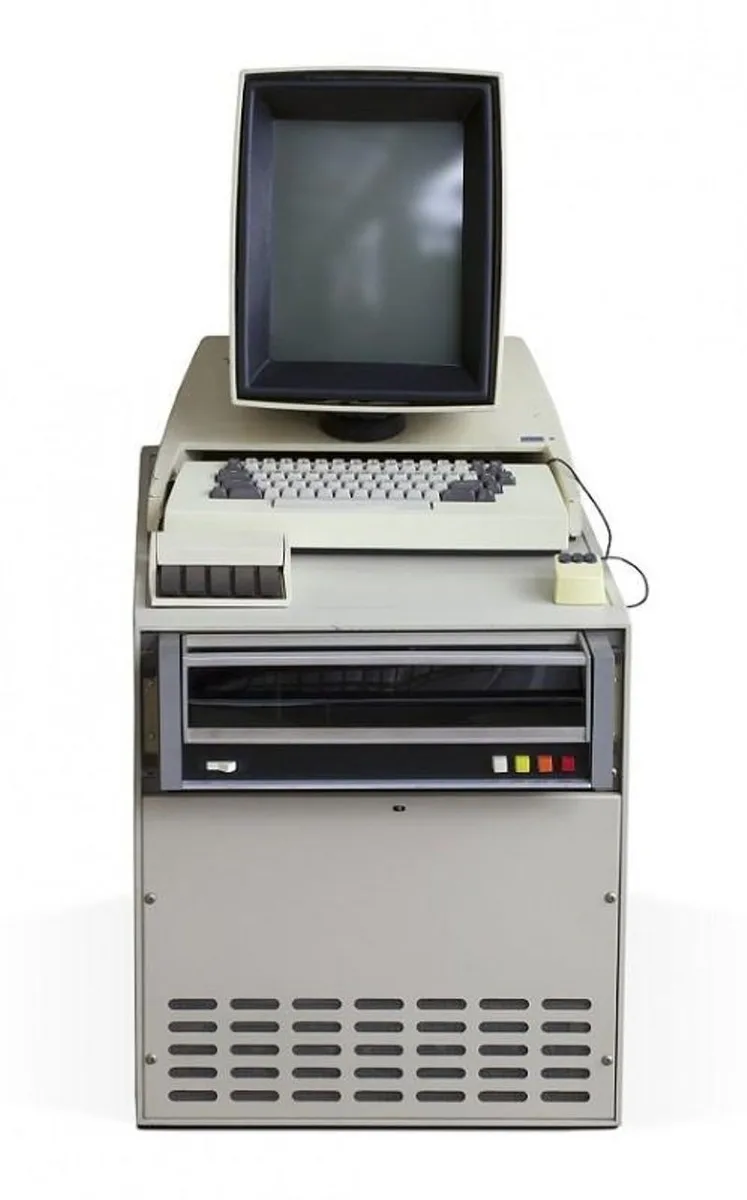
The Xerox Alto, developed at Xerox PARC in 1972, was a pioneering personal computer that introduced the graphical user interface and mouse, designs that later became standard. Though never mass-marketed, it laid crucial groundwork for future products and demonstrated the immense investment required for new tech ideas. (Source: computerhistory.org)
This development phase often carries significant financial risk. Companies invest heavily with no guaranteed returns. They conduct market research, build prototypes, and protect their ideas. By late 1973, the Alto worked. It was ready to demonstrate its capabilities, though a direct market launch was not yet clear. Its completion turned it from an idea into a real, experimental product.
Growth in the Market
On January 9, 2007, Steve Jobs addressed a crowded San Francisco audience. He introduced the iPhone. This device combined a phone, an iPod, and an internet communicator. Its debut followed years of secret development. Apple launched the iPhone on June 29, 2007. Its arrival started a new era in mobile technology.
The iPhone’s launch marked its growth stage. Initial sales were strong, driven by widespread media attention and Apple’s dedicated fans. Apple sold 1.39 million iPhones by the end of 2007. This showed quick market acceptance, according to Apple’s financial statements. Early buyers loved the device. Its innovative multi-touch interface made it stand out.
Apple actively promoted the iPhone’s unique features. It highlighted the smooth user experience and the groundbreaking App Store, which came out in 2008. The company expanded its sales network. It partnered with US carriers like AT&T. This ensured the phone was widely available. Demand quickly exceeded supply in many areas.
Competitors initially struggled to keep up. Other phone makers were surprised by the iPhone’s advanced features. Analyst Gene Munster of Piper Jaffray predicted Apple would gain a large market share. His early reports accurately forecast the iPhone’s rapid rise. The product quickly became a symbol of status. It changed what people expected from mobile devices.
Apple continued to improve the iPhone during this time. They released new models every year. These updates added features like 3G connectivity and better cameras. This constant improvement kept customers interested. It also brought new buyers into Apple’s system. The iPhone’s growth phase made it a major player. It changed the mobile phone industry for good. Its success also brought strong competition, signaling a more mature market was on the way.
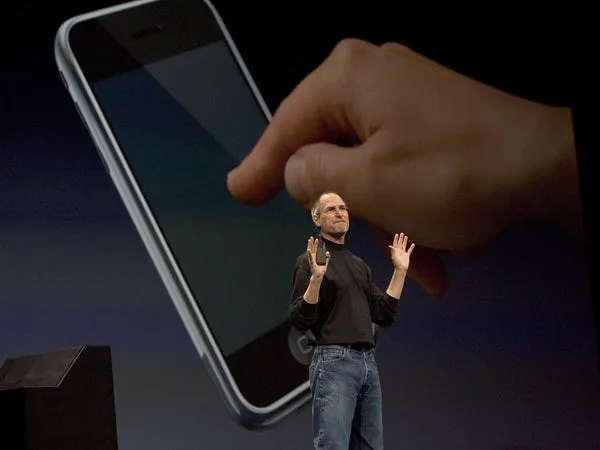
On January 9, 2007, Steve Jobs unveiled the iPhone at Macworld in San Francisco, famously combining a phone, an iPod, and an internet communicator into one revolutionary device that would redefine mobile technology. (Source: businessinsider.com)
The Peak of Sales
By 2014, smartphones were common. Global shipments reached over 1.3 billion units that year, according to IDC. The market was full. Most people who wanted a smartphone already owned one. This marked the start of the maturity stage for the product. Sales growth slowed significantly.
During maturity, sales continue, but at a slower pace. Companies focus on keeping their market share, not on rapid expansion. Many competitors enter the market. For example, Samsung launched its Galaxy series. It offered many models at different prices. This challenged Apple’s top position.
New features at this stage are often minor. Newer smartphone models feature better cameras, faster processors, or slightly longer battery life. Major new inventions are rare. Companies start price wars and offer deals to attract customers. Offering services or accessories with products becomes common. This helps products stand out in a crowded market.
Customer loyalty is vital. Brands create ecosystems. Apple’s iCloud and App Store, along with Google’s Android services, kept users tied to their platforms. This made switching brands harder. Companies also look for new markets. They target developing countries for more sales, as Gartner notes. This makes up for slower growth in older regions.
Staying profitable during maturity requires efficient operations. Companies improve manufacturing processes. They make supply chains more effective. They also provide excellent customer support. The smartphone market, though mature, still generates high profits. However, strong competition and slower innovation mean its fastest growth days are over. A decline is approaching.
The End of a Product
On September 9, 2014, Apple stopped selling the iPod Classic. This marked the end of a product that once changed portable music. Its sales had dropped for years. Newer devices, like the iPhone, had taken over its main functions. The iPod Classic entered its decline phase.
During decline, a product’s sales and market share fall sharply. Consumer tastes change. Newer, better technologies appear. The iPod Classic, with its click wheel and limited features compared to smartphones, simply could not compete. Companies reduce marketing for products in decline. They often stop making them completely.
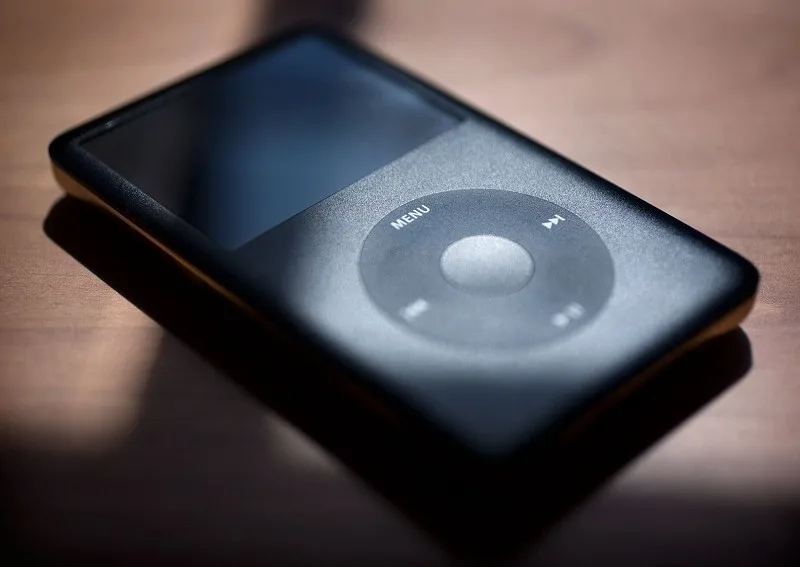
The Apple iPod Classic, an iconic device that revolutionized portable music, was officially discontinued on September 9, 2014. Its decline marked the end of an era as newer smartphones absorbed its core functions, illustrating a product's final life cycle stage. (Source: techspot.com)
Some products decline because they fail to gain traction. Microsoft’s Zune music player, launched in 2006, never became popular against the iPod. Production stopped in 2011. This shows how competition can hasten a product’s end. The Zune’s limited features and late entry into the market sealed its fate.
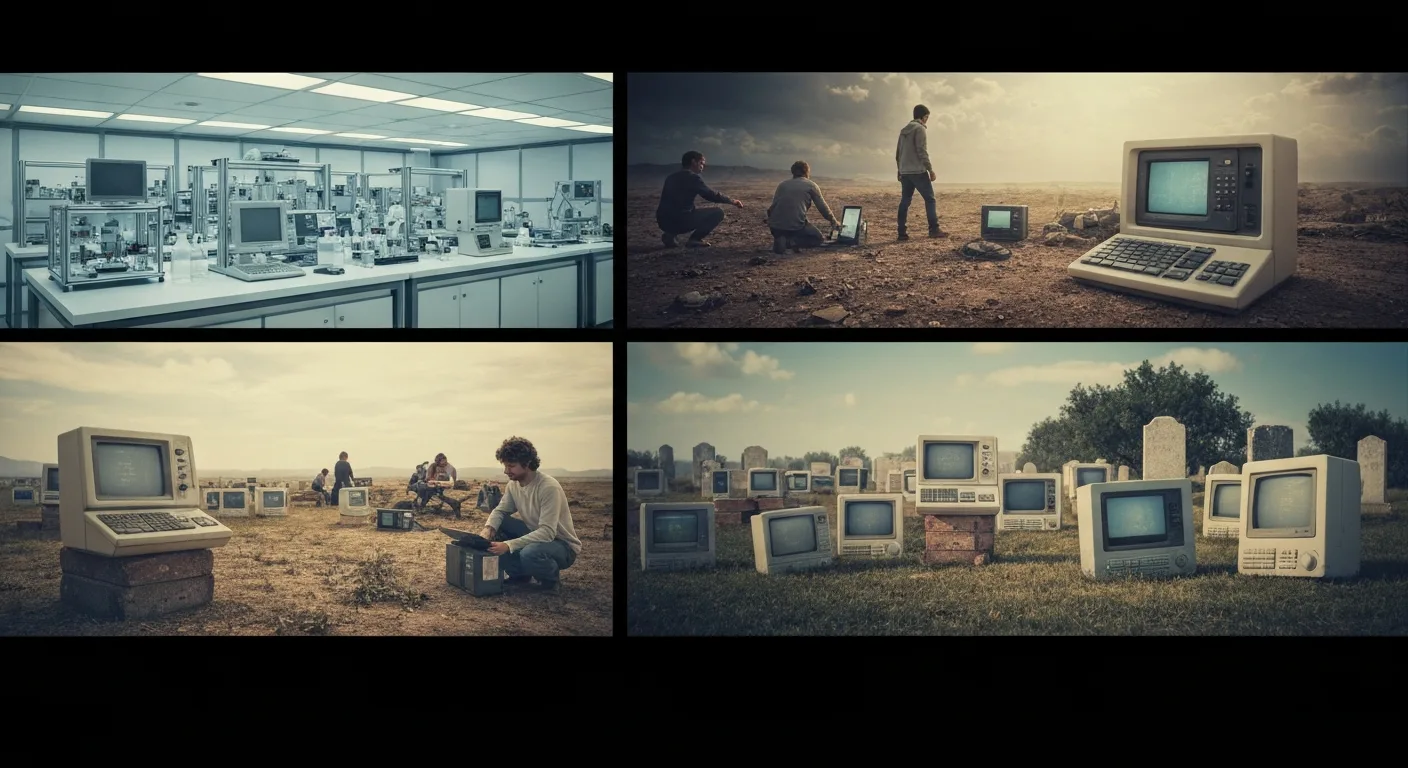
A product’s end also raises environmental concerns. Electronic waste, or e-waste, is a growing global issue. The UN Environment Programme reported in 2020 that global e-waste reached 53.6 million metric tons. Only 17.4% was properly recycled. Companies face more pressure to design products that can be recycled. They must also manage disposal responsibly.
Even after a product is no longer sold, its impact can continue. The iPod Classic, despite its end, is still remembered by many. It changed how people consumed digital music forever. Companies learn from product decline. These lessons guide future development. They help prevent similar mistakes. The cycle begins again, driven by new ideas and changing consumer needs. What will be the next big thing?
Questions You Might Have
What causes a technology product to decline? Products decline due to several reasons. These include technological progress, meaning newer, better alternatives become available. Changes in consumer tastes or a saturated market also play a part. Strong competition can also force a product out.
How do companies try to make a product last longer? Companies extend product life in several ways. They add new features or models, aiming for new customer groups. Price drops can attract budget buyers. Changing how the product is seen or finding new uses for it also helps.
What is planned obsolescence? This is a business plan where products are made to become old or stop working after a certain time. It encourages people to buy replacements. This often includes software updates that slow older devices, or parts that cannot be replaced.
Why is understanding the product life cycle important for consumers? Consumers can make smarter buying decisions. Knowing the cycle helps predict when new models will arrive, making older ones cheaper. It also shows when a product’s support might end.

In 2020, the UN Environment Programme reported global e-waste reached 53.6 million metric tons, with only 17.4% properly recycled. This growing environmental issue is a significant consequence of technology product life cycles. (Source: npr.org)
You might also like:
👉 Hundreds of Flaws: Why Your Device Needs Updates Now